1. Caramel-Gloss Top with a Cracked Middle
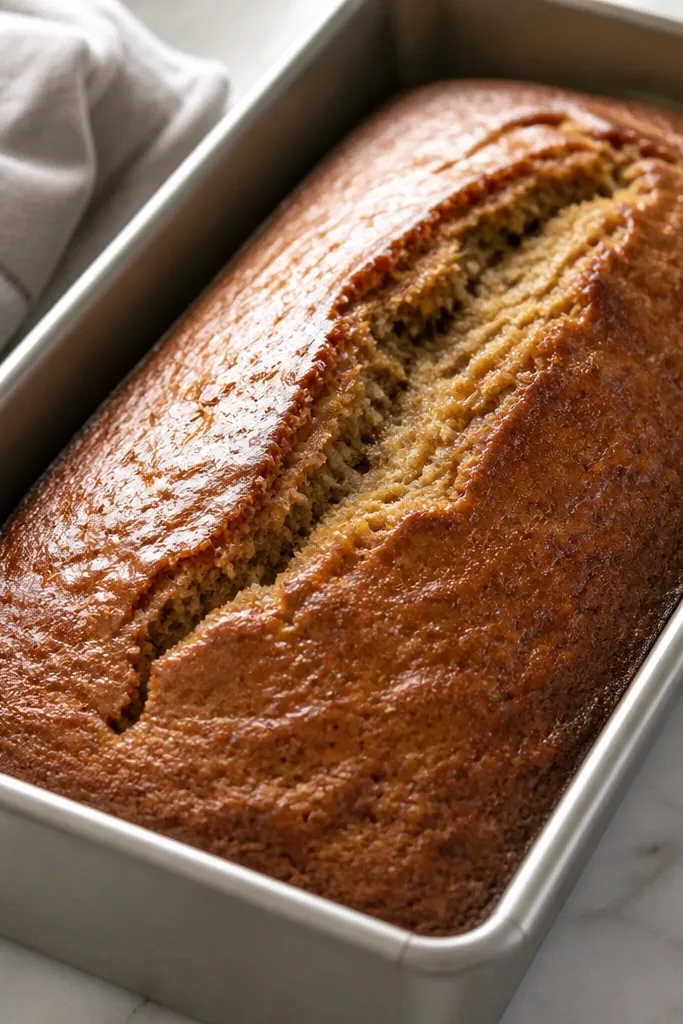
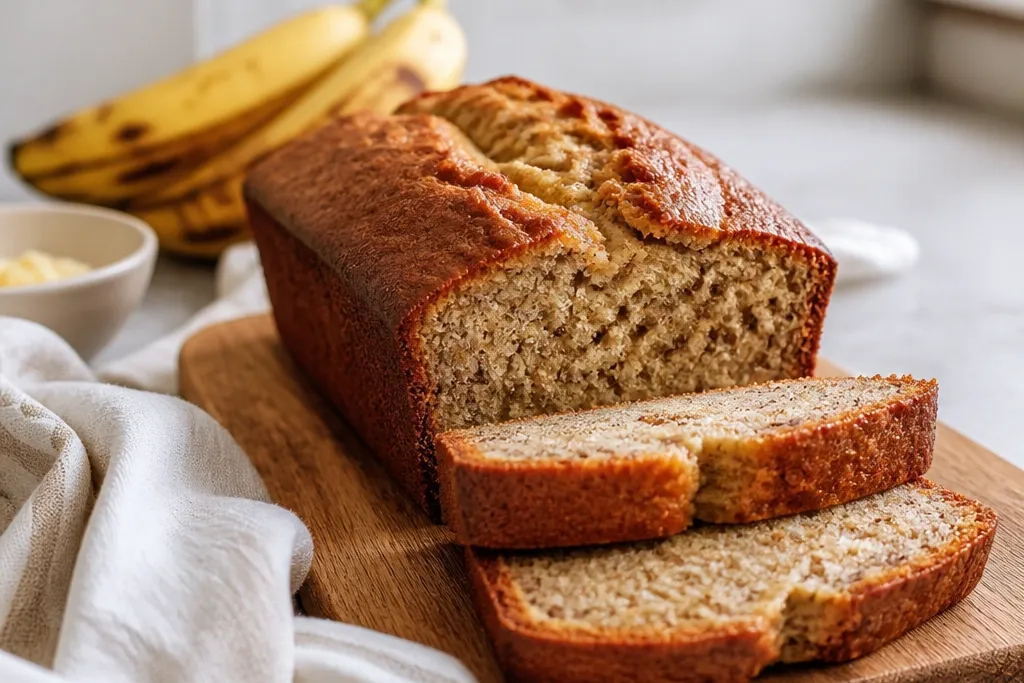
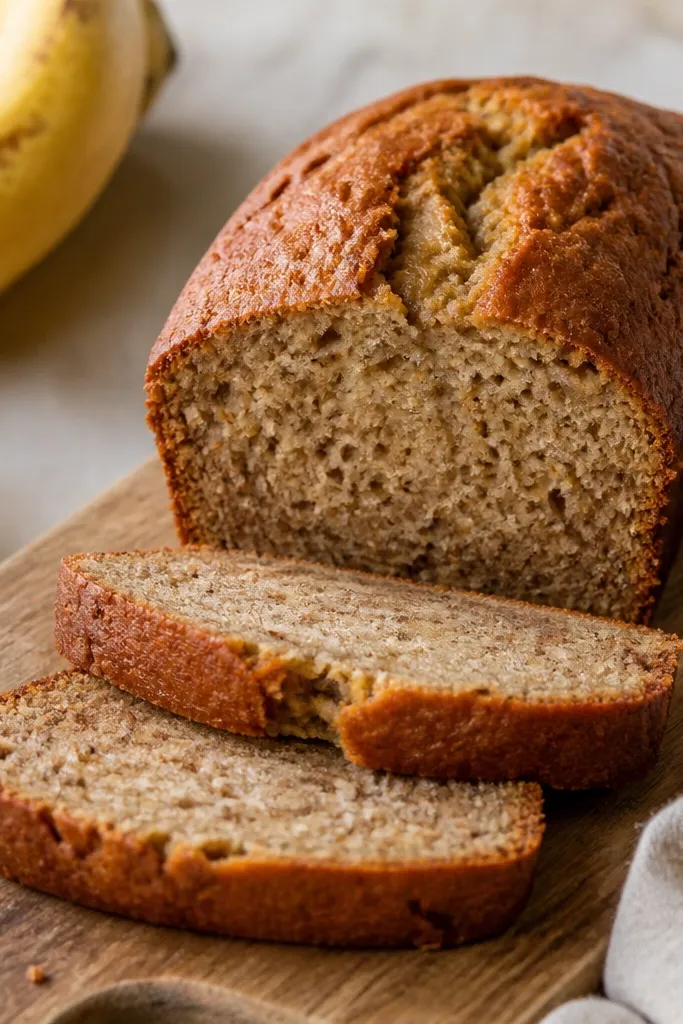
For that bakery look, you want a top that sets before it overbrowns. I use dark brown sugar (or a mix of brown and white) because it melts into a shiny crust as the loaf rises. The center crack happens when the batter expands under a firm crust - it should look bold, not burnt.
Bake in a 9x5 inch metal loaf pan lined with parchment that overhangs. Use 325°F so the crack forms without drying the middle. Cool 20 minutes in the pan so the crust firms up before you lift it out.
Try thisBrush the top with a teaspoon of melted butter right after it comes out for extra shine.
One warningSkipping parchment makes the loaf stick and pull chunks off the crack.
2. Swirled Banana Chunks on a Light-Golden Crumb
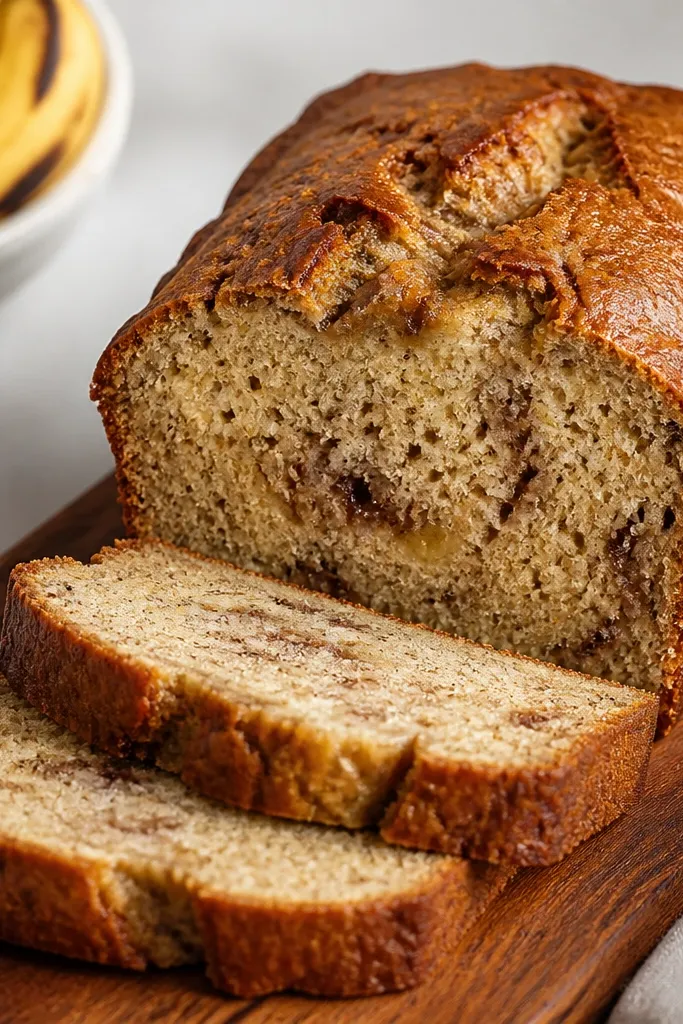
Banana bread looks best when you can see small banana pockets. I mash bananas with a fork but leave a few soft chunks. Those chunks steam during baking, leaving moist spots that look like natural swirls instead of uniform cake.
Fold banana chunks in last, after the batter base is mixed. Keep chunks about the size of rice - if they're bigger than a pea, they sink and create gummy pockets.
Try thisIf your bananas are watery, drain off excess liquid for 1-2 minutes before mashing.
One warningPureeing bananas too smooth makes the loaf look uniform and can dull the banana flavor.
3. Brown-Sugar Speckled Crust
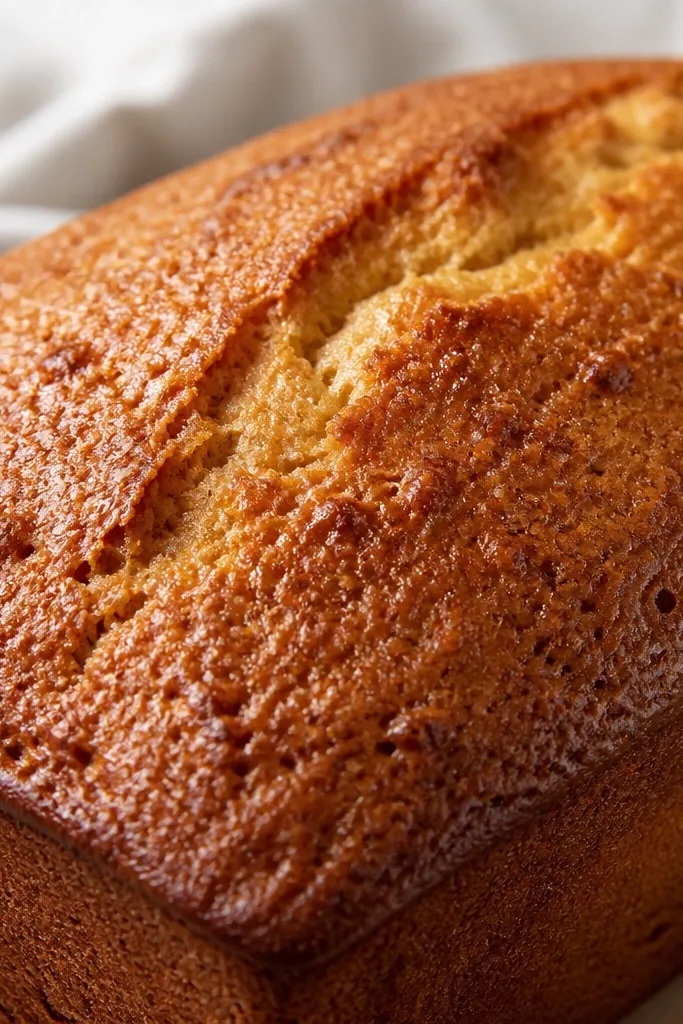
A speckled crust reads "homemade bakery" fast. I sprinkle a thin layer of coarse sugar or a mix of brown sugar and cinnamon right before baking. As heat hits, it caramels and leaves that peppered look.
Use 1-2 teaspoons coarse sugar total. If you want cinnamon specks, mix 1/4 teaspoon cinnamon into the sugar so it doesn't look like a plain dusting.
Try thisLightly press the sugar on - don't smear it with wet batter or it dissolves completely.
One warningAdding sugar too early can dissolve into batter and disappear.
4. Moist, Fine Crumb with No Tunnels
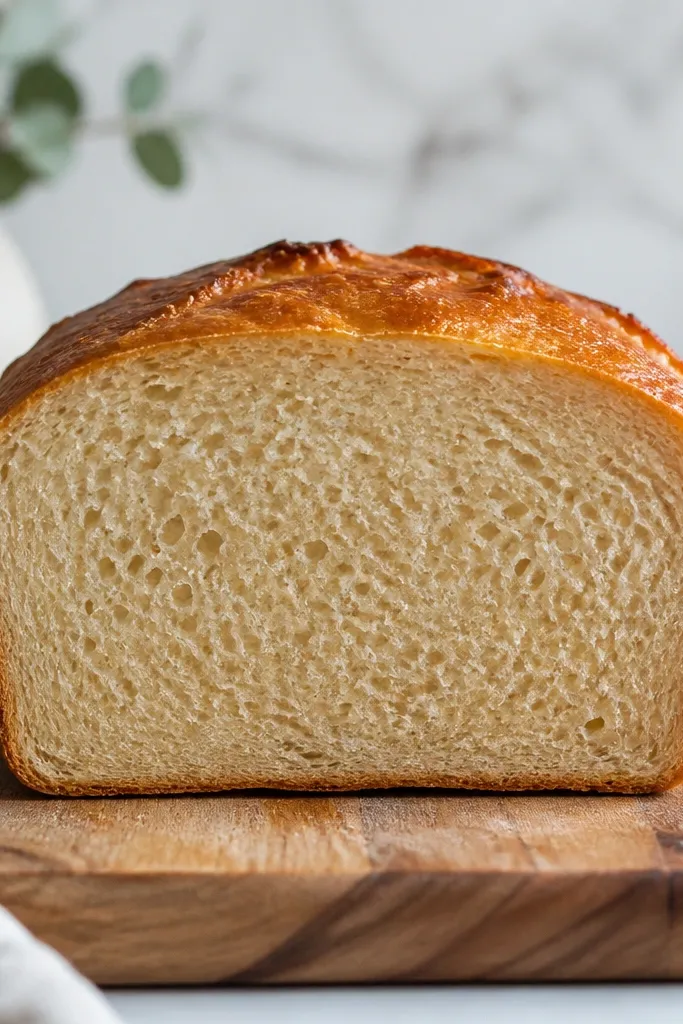
Fine crumb is what you get when you combine wet and dry gently and bake at the right temperature. Tunnels happen when batter is overmixed or the oven runs hot and sets the outside too fast. You want steam to expand evenly through the loaf.
Stir wet into dry with a spatula for about 20-25 strokes. Tap the pan on the counter twice after filling to pop large bubbles.
Try thisIf your oven runs hot, use a cheap oven thermometer - I caught a 25°F swing once and the loaf turned dry instantly.
One warningWhipping eggs and sugar until fluffy makes banana bread puff like cake, then collapse dry.
5. Buttery Side Browning (No White Edges)
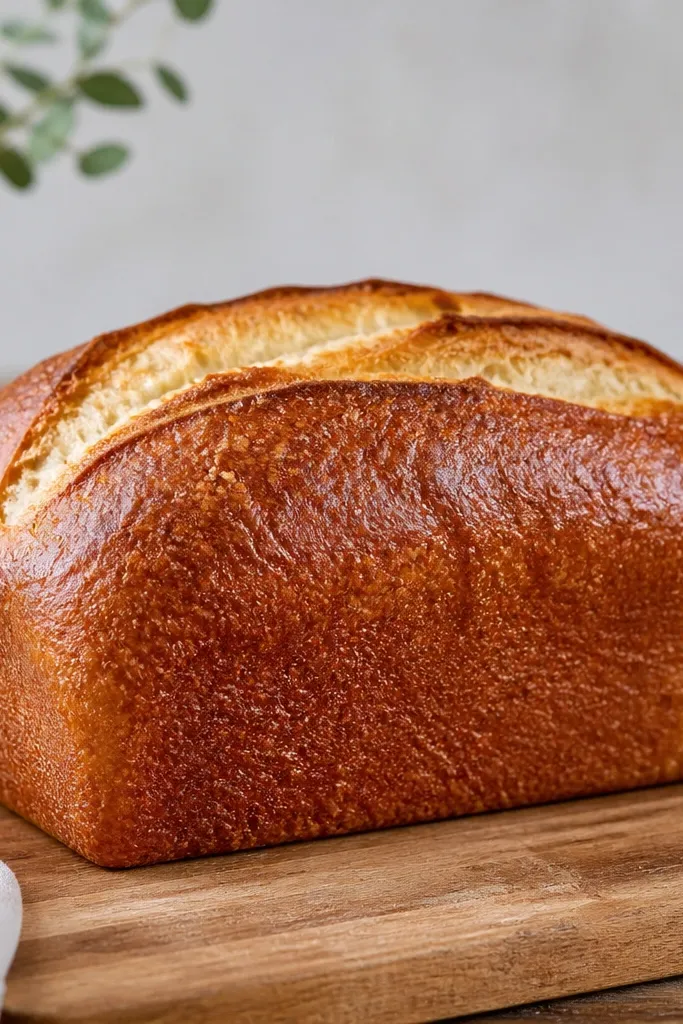
Even browning is a sign your loaf is baking evenly, not steaming in one spot. I use a metal pan and keep the pan centered on the middle rack. The batter's fat and sugar help the sides brown without drying.
Grease the pan lightly, then line with parchment. If you only grease without parchment, the loaf can stick and pull away, leaving pale spots.
Try thisRotate the pan once at the 35-minute mark for consistent browning.
One warningOverfilling the pan causes batter to climb the sides and set unevenly.
6. Dark Cinnamon Ribbon with a Soft Top
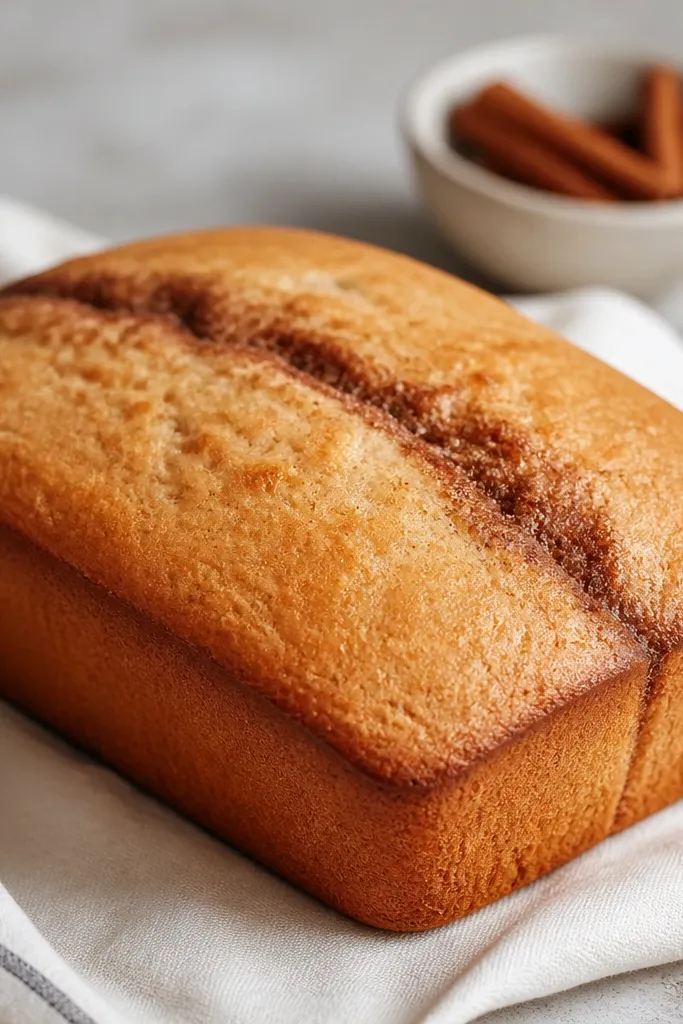
A cinnamon ribbon makes the loaf look dressed up even when the ingredients are basic. I swirl a thin cinnamon-sugar mixture into the top layer, then spread it with a spoon so it doesn't sink. The result is a visible stripe and a warm aroma.
After pouring batter, sprinkle 1 tablespoon cinnamon-sugar over the surface and swirl once with a knife - just 3-4 passes. Bake right away so the swirl stays near the top.
Try thisMix cinnamon-sugar with 1 teaspoon melted butter so it clings instead of falling off.
One warningOver-swirling mixes cinnamon through the whole loaf and looks muddy.
7. Thick Slice Stack for Brunch Tables
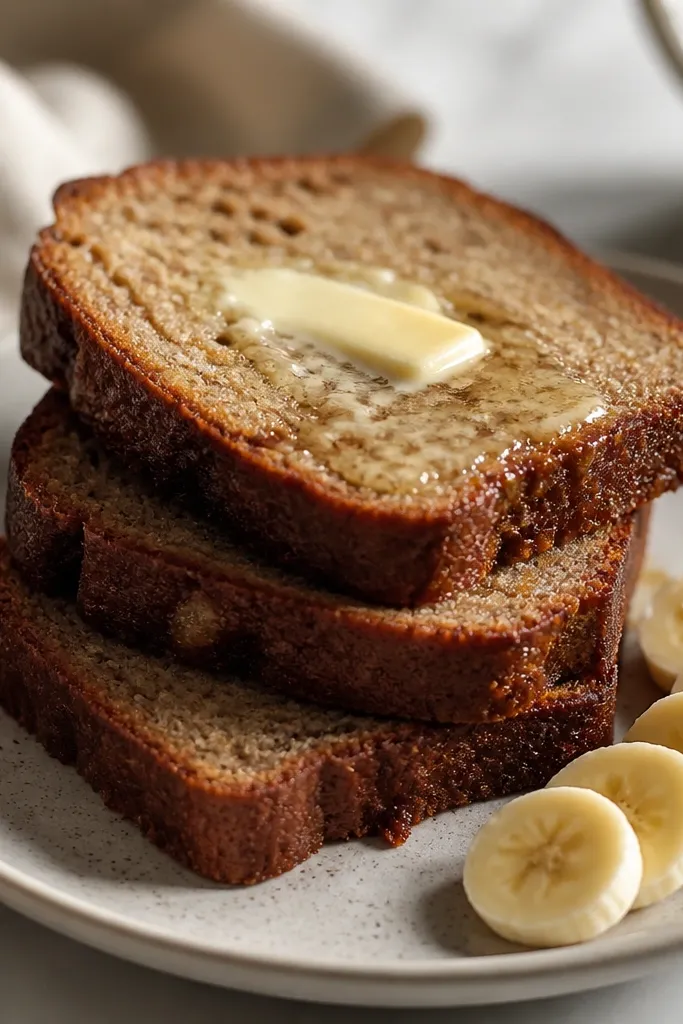
Banana bread looks best when slices are thick and slightly warm. I cut 3/4-inch slices and let them cool until just barely warm, then stack for height. The crumb shows moisture without crumbling.
Use a serrated knife and wipe it between cuts for clean edges. If you butter slices, do it right before serving so the crust stays crisp.
Try thisServe with salted butter and a drizzle of honey so the top tastes like caramel.
One warningCutting straight from the oven makes slices tear and look dry.
8. Mini Loaf for Perfect Edges
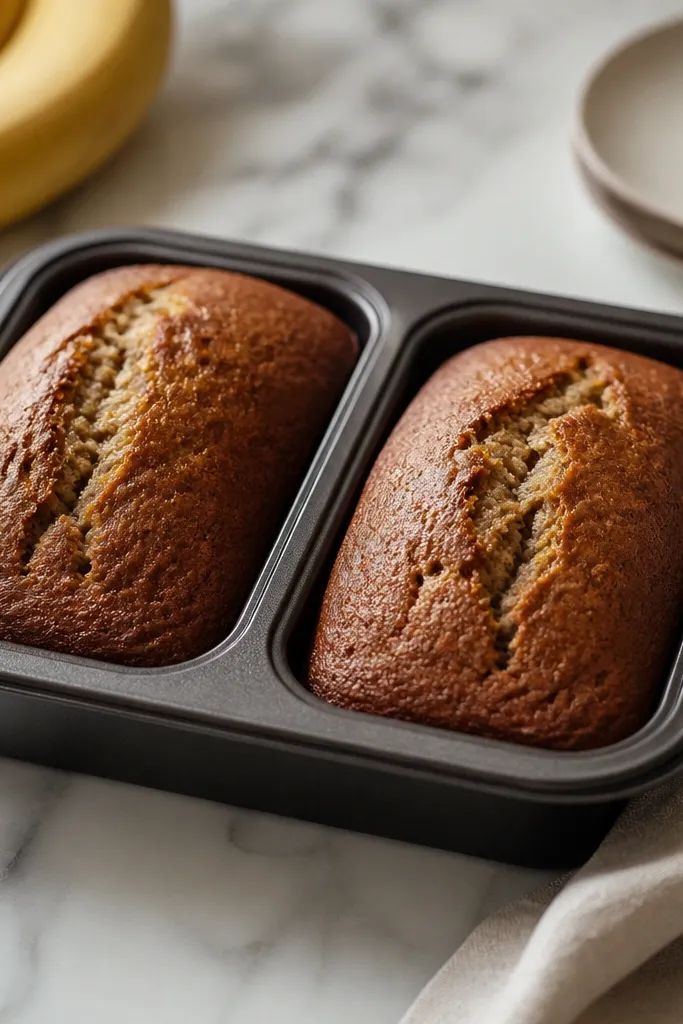
Mini loaves bake faster and give you tighter edges. The domed top looks cute on a brunch table, and the shorter bake time helps keep the center moist. You also get more crust per bite.
Use a standard muffin tin or mini loaf pan. Fill about 3/4 full and bake at 325°F for 24-30 minutes. Check with a toothpick around 24 minutes.
Try thisLet mini loaves cool 10 minutes in the pan, then lift out immediately so edges stay crisp.
One warningOverfilling to the brim - it spills and makes the top look messy.
9. Glazed Top with a Thin Vanilla Drip
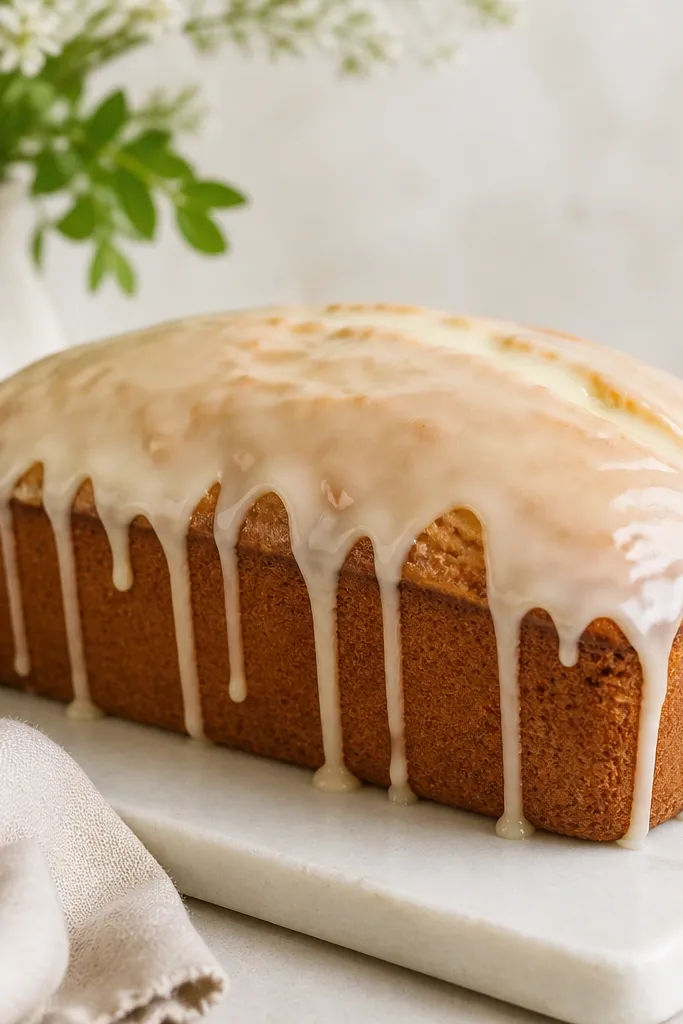
A thin glaze makes the loaf look intentional, not plain. I use powdered sugar plus a splash of milk and a little vanilla, then drizzle when the loaf is warm but not hot. It soaks slightly and creates a sheen that highlights the crack.
Whisk 1/2 cup powdered sugar with 1-2 tablespoons milk and 1/4 teaspoon vanilla. Drizzle with a spoon in a slow back-and-forth motion so it forms thin lines.
Try thisGlaze only after the loaf cools 15-20 minutes so the glaze doesn't melt into the crust.
One warningGlazing right away - it disappears and makes the top sticky.
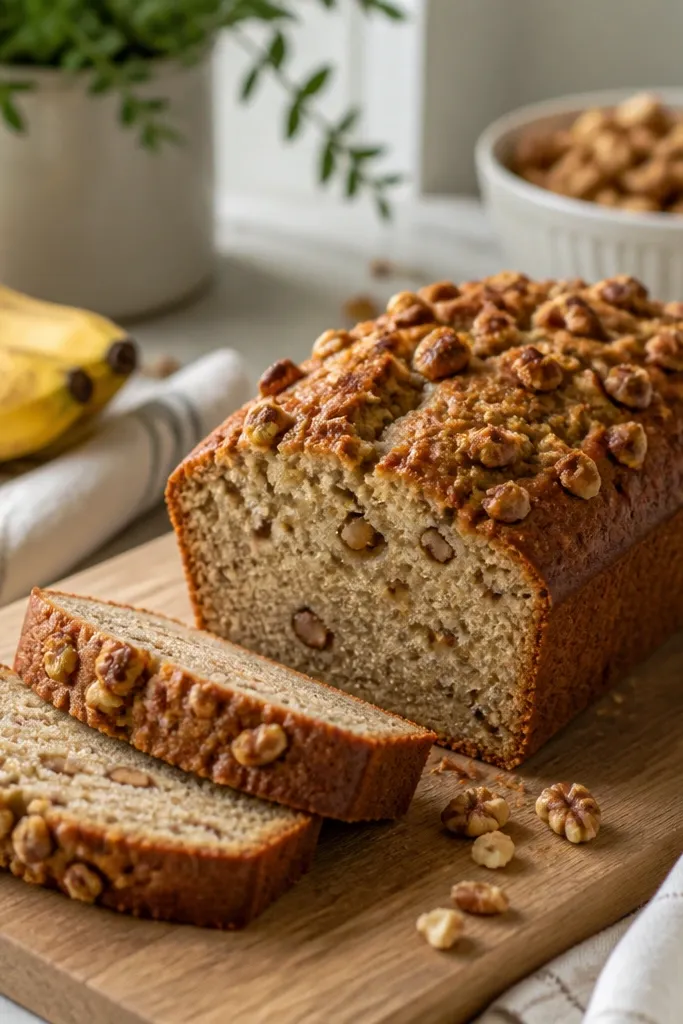
10. Toasted Walnut or Pecan Specks (Optional)
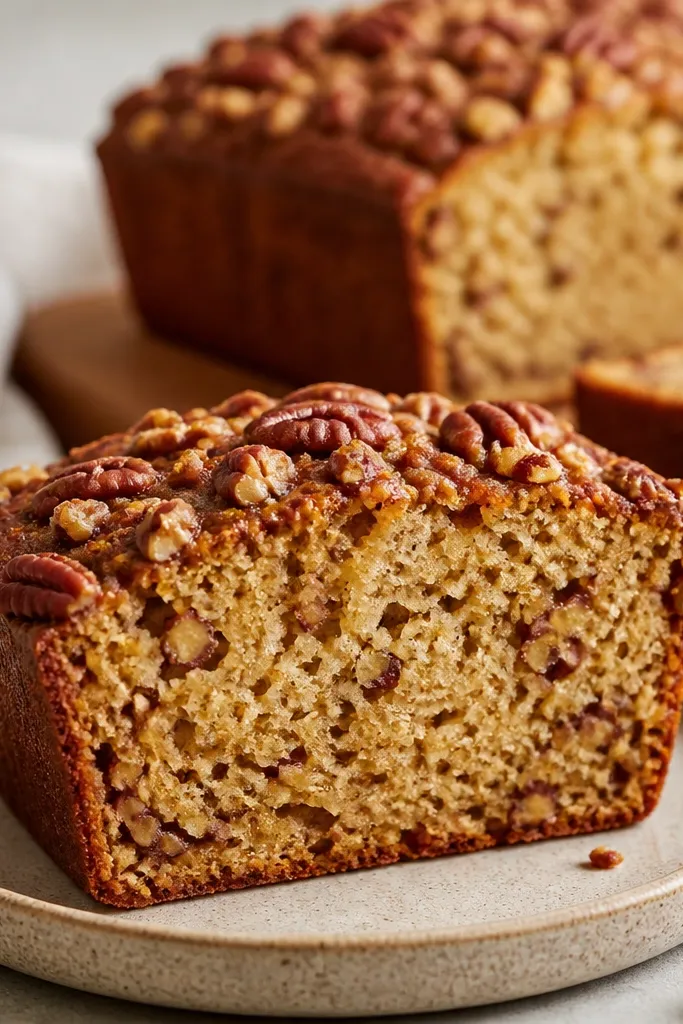
Toasted nuts add color contrast and crunch without fighting the banana moisture. I toast chopped pecans or walnuts for 6-8 minutes until they smell nutty, then fold them in lightly. They look deliberate when you can see small bits on top.
Toast on a dry pan at medium-low heat, then cool completely. Fold in 1/2 cup chopped nuts at the end and reserve 1 tablespoon to sprinkle on top.
Try thisIf you hate nuts, skip them and add 1 teaspoon cinnamon instead so the loaf still looks interesting.
One warningAdding raw nuts - they taste flat and can stay chewy.