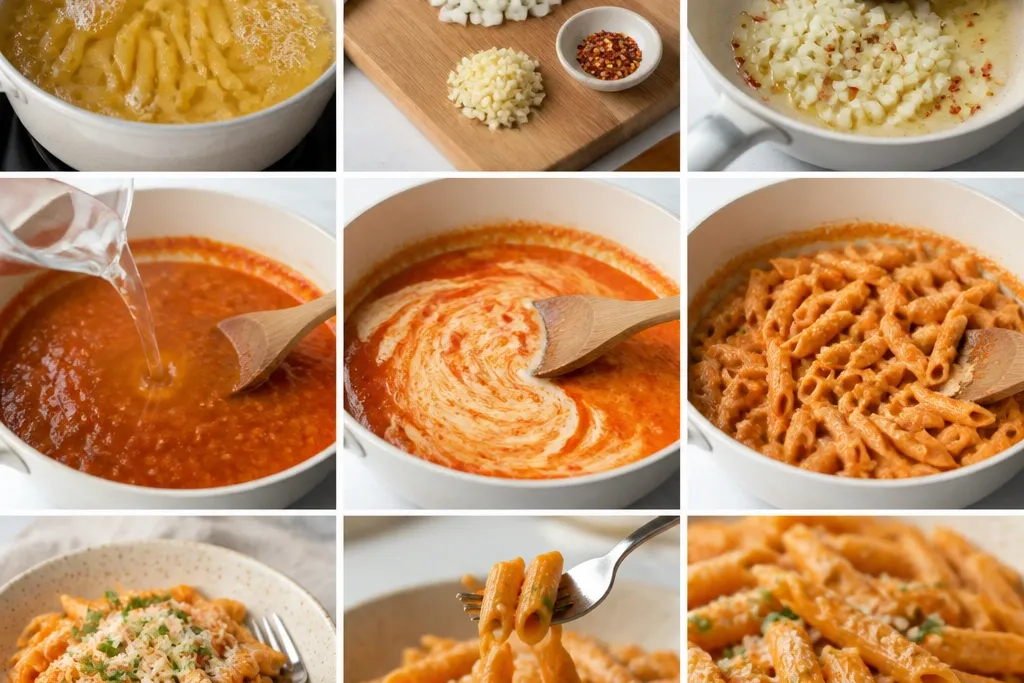
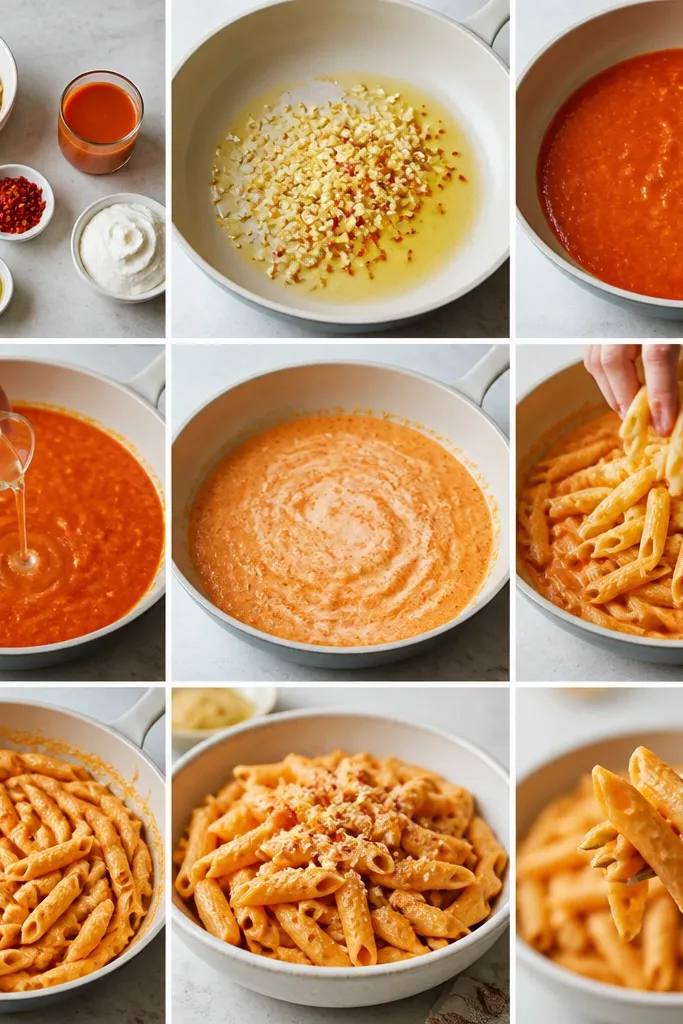
1. Blush Pink Vodka Sauce With Chili Specks
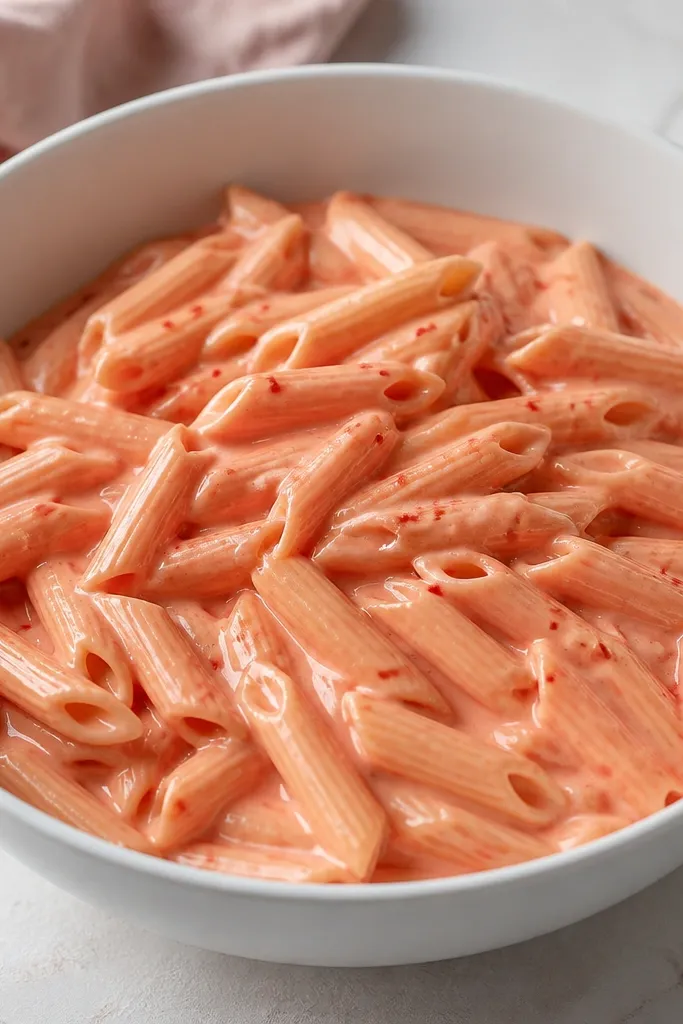
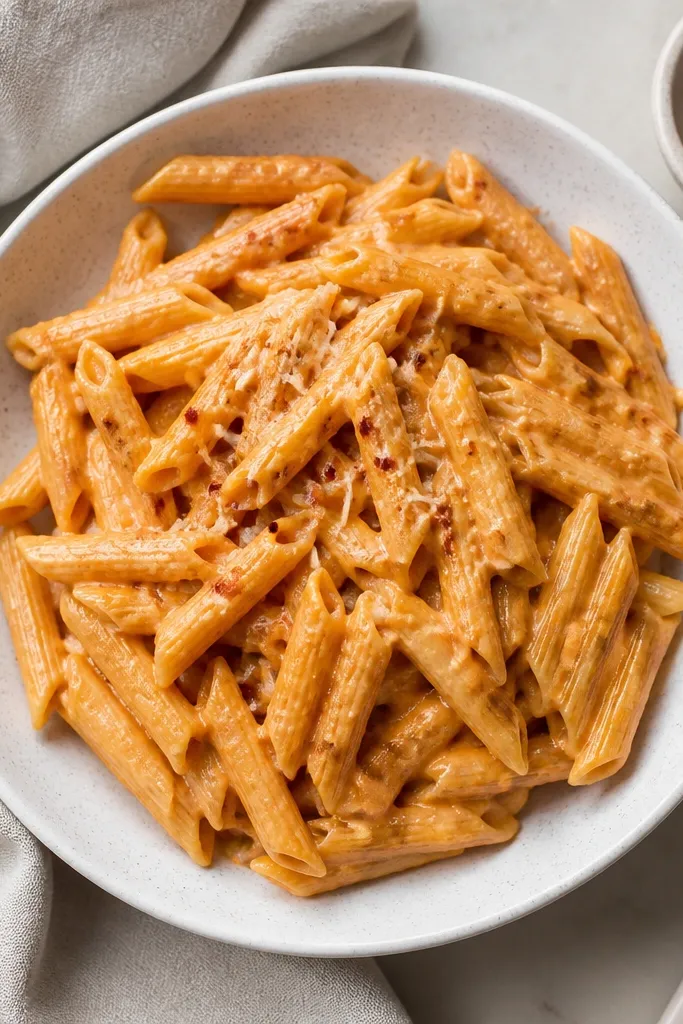
This look tells you the sauce is thick enough to cling. The blush pink comes from tomato paste and cream combining into a smooth color, and the chili specks show you you actually built heat in the sauce instead of sprinkling powder at the end. Glossy surfaces usually mean you reduced the vodka and simmered until the sauce coats pasta.
Use a pale pink target by adding cream gradually and keeping heat steady while it simmers. If the sauce starts looking orange, lower the tomato paste amount next time and simmer longer to mellow it. Serve in a white bowl so the pink pops against it.
Try thisAfter tossing, let the pasta sit in the pot for 30 seconds - it tightens the sauce before plating.
One warningAvoid watery pink sauce - it looks grayish and the heat tastes flat.
2. Red Pepper Flake Rim on the Bowl
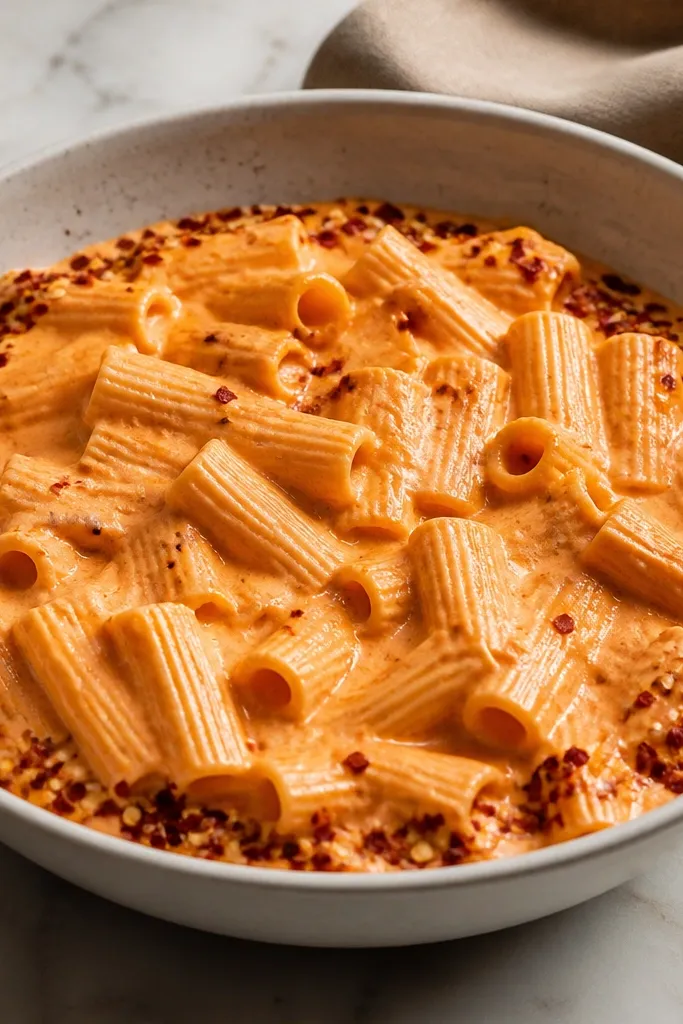
The rim effect makes the dish look intentionally spicy. It gives a visual cue for heat without drowning the whole bowl in flakes. I like this when serving to a mixed group because the heat is visible and you can steer it with extra flakes at the table.
Sprinkle crushed red pepper as you plate, not while cooking. Use a pinch held close to the bowl so flakes land as a light ring. Finish with a small grating of Parmesan so the flakes don't look dry.
Try thisCrush store-bought flakes between your fingers first for a more even size and better stick.
One warningSkip the heavy spooning of flakes - it looks like garnish dust and tastes bitter.
3. Cream Swirl That Hides Heat Under the Surface
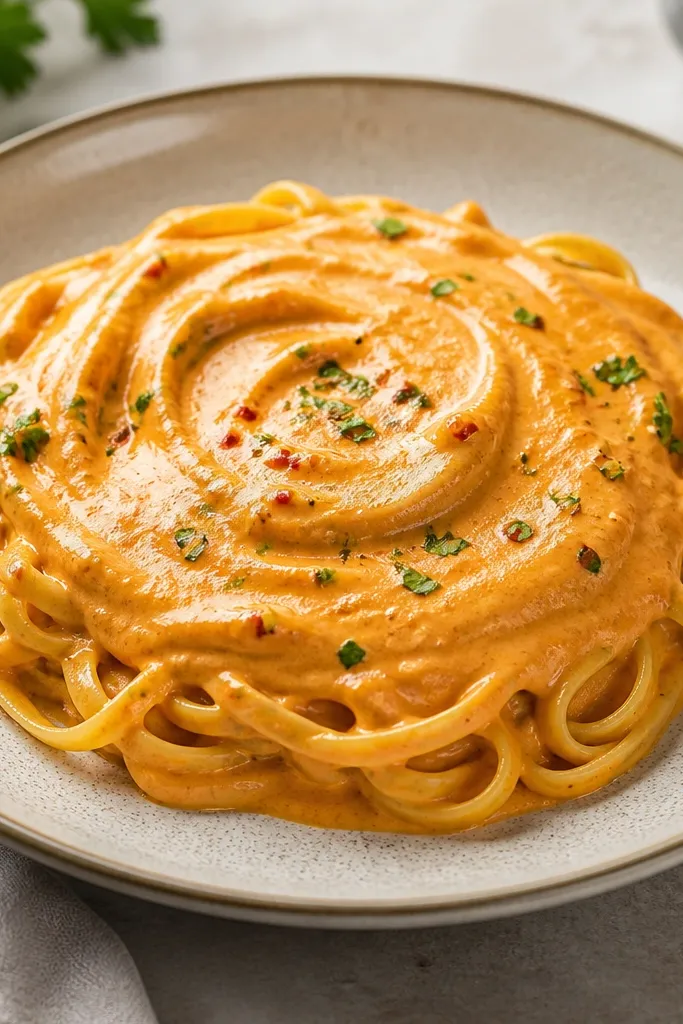
This is the "looks mild until you taste it" style. The swirl makes the top layer slightly creamier, while the chili heat is still inside the sauce. It's a great look for beginners because the first bite feels smooth, then the warmth builds.
After tossing, spoon pasta into a bowl and use the back of a spoon to draw a shallow spiral. Keep the swirl gentle so it doesn't tear the pasta. Pair with a bright topping like lemon zest or chopped parsley so the cream doesn't look heavy.
Try thisAdd hot sauce only after the sauce simmers thick; that keeps the swirl consistent.
One warningDon't stir in hot sauce early - it can break the color and looks streaky.
4. Shaved Parmesan Snow Over Pink Sauce
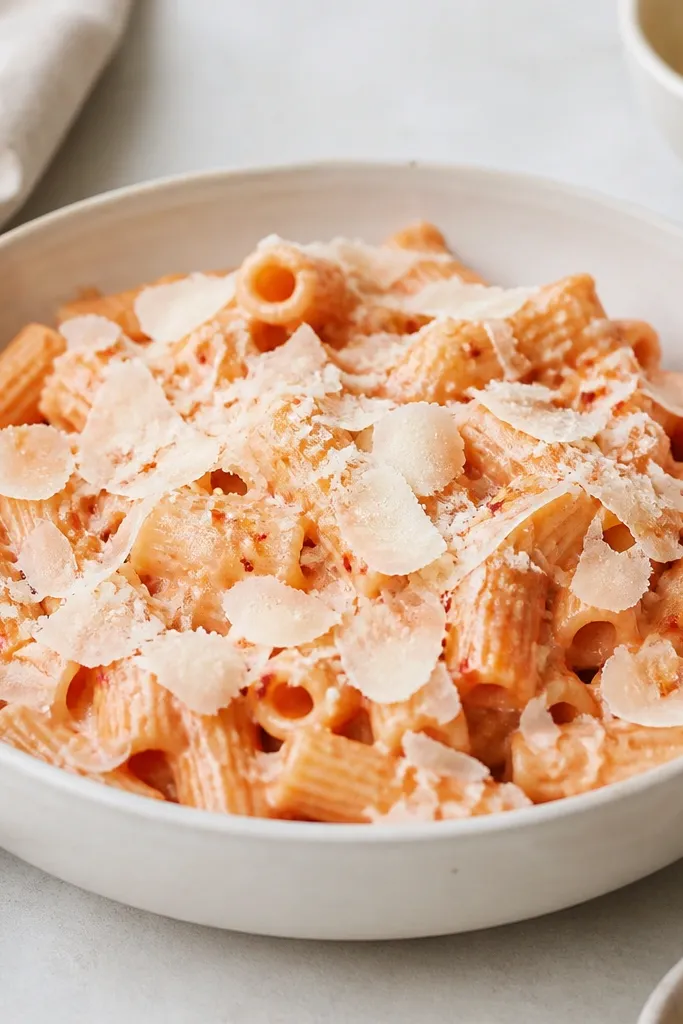
Parmesan shavings melt into tiny salty pockets, which cool the heat and make the sauce taste rounder. The contrast between white cheese and blush sauce looks clean and intentional. When cheese sits on top, it also adds a little texture instead of disappearing into the sauce.
Use a microplane or vegetable peeler for shavings, not powder. Add cheese right before serving so it stays light. If you're serving right away, you can add it while the pasta is hot enough to melt lightly but not so long that it turns clumpy.
Try thisGrate from a block that's at room temp - it makes longer shavings.
One warningAvoid pre-grated Parmesan - it melts gritty and dulls the look.
5. Lemon-Yogurt Side Dipper
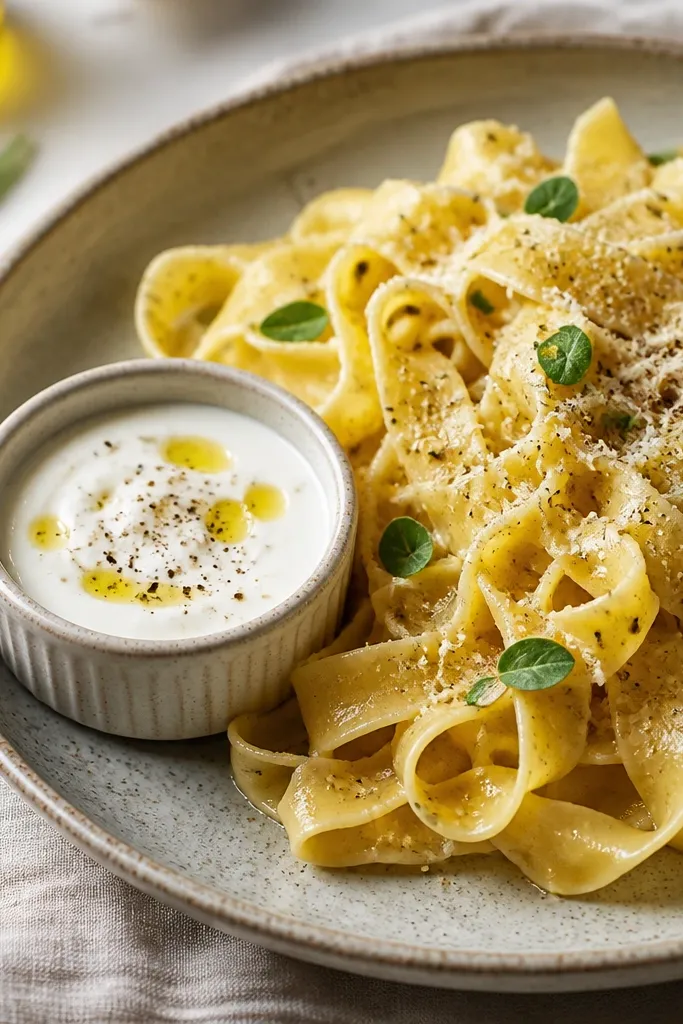
A cool dip changes how spicy beginner vodka pasta feels. The tang from lemon plus the creamy yogurt knocks down the chili spike without muting the vodka-tomato flavor. It also makes the meal look more "designed" instead of just pasta on a plate.
Mix plain Greek yogurt with lemon zest and a few drops of lemon juice, then add a pinch of salt. Put it in a ramekin next to the bowl, not mixed into the pasta. Finish with a thin drizzle of olive oil and cracked black pepper.
Try thisServe the dip with a spoon, not as a topping - people control how much cooling they want.
One warningDon't use sweetened yogurt - it tastes wrong against tomato and vodka.
6. Parsley + Basil Confetti for Heat Balance
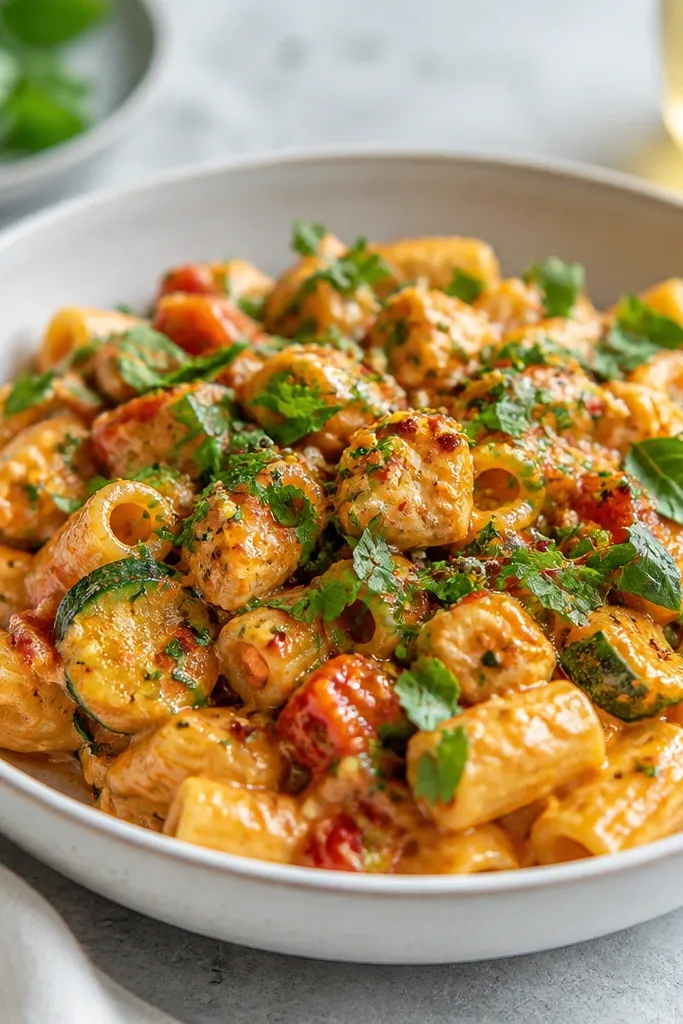
Herbs cut through the cream and tomato so the heat tastes cleaner. The green confetti also makes the dish look fresher and more colorful without adding extra spice. I like using parsley for a sharper green and basil for sweetness.
Chop parsley fine and tear basil leaves so you get uneven edges that catch light. Add herbs right at the end and keep them on top. If your sauce is very thick, herbs sit better and look brighter.
Try thisDry herbs well after washing - wet herbs turn dark and look tired.
One warningSkip dried herbs - they look dull against glossy sauce.
7. Toasted Garlic Breadcrumb Dust
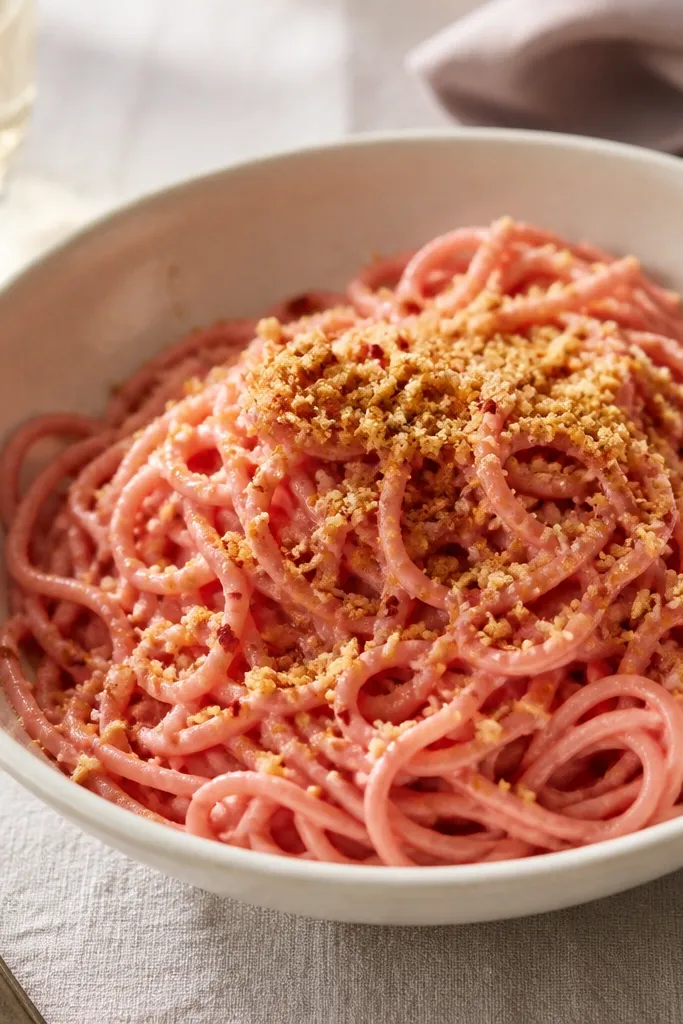
Breadcrumb dust adds crunch to balance creamy vodka pasta. The garlic flavor comes through without adding more heat, and the golden color makes the dish look more plated than homemade. It also helps the chili flakes feel intentional instead of scattered.
Toast breadcrumbs in olive oil with a pinch of salt and minced garlic until golden. Cool them for a minute so they don't absorb moisture immediately. Sprinkle a thin layer over each bowl right before serving.
Try thisUse panko for crunch - it stays crisp longer than fine breadcrumbs.
One warningDon't dump in a thick layer - it turns soggy and looks messy.
8. Spice-Lacquered Cherry Tomato Topping
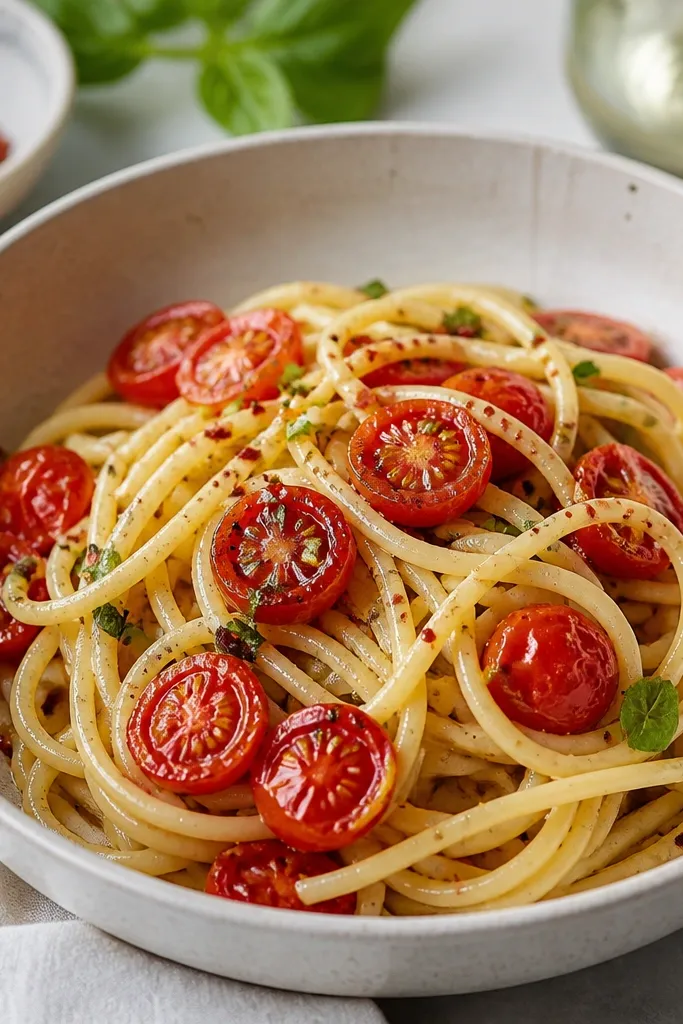
Cherry tomatoes add sweetness and acidity that smooth out the vodka-tomato sauce. If you blister them briefly with chili and salt, they look lacquered and juicy. This works when you want spicy beginner vodka pasta to taste bright, not just hot.
Halve cherry tomatoes, sauté in olive oil until the cut sides blister, then add a pinch of chili flakes. Spoon a few spoonfuls on top so they stay visible. Keep the tomatoes separate from the main pot so the sauce doesn't go watery.
Try thisDon't cook them too long - stop when skins wrinkle and juices get syrupy.
One warningAvoid watery tomato chunks - they make the pink sauce look thin.
9. Charred Lemon Wedges on the Side
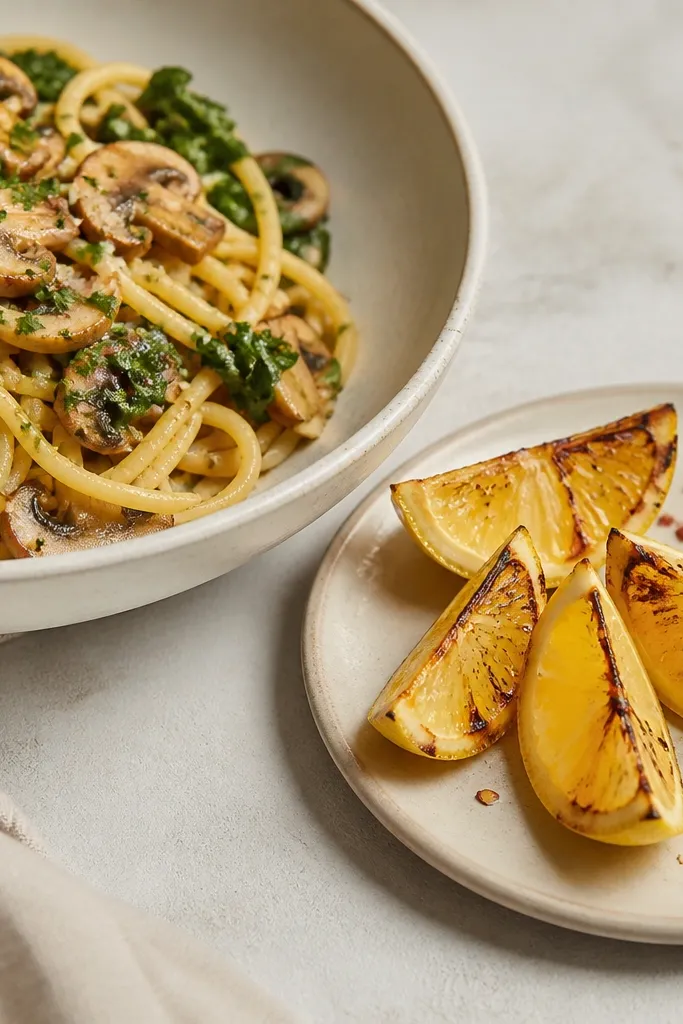
Charred lemon adds smoky brightness that makes the heat taste sharper in a good way. It also looks chef-y without extra work. The browned edges contrast against the pale pink sauce and keep the whole plate from looking too soft.
Quickly sear lemon wedges cut side down in a dry pan or on a hot skillet for 1-2 minutes. Serve wedges on the side so people squeeze at the table. Sprinkle a tiny pinch of salt on the lemons before serving.
Try thisSqueeze lemon in small amounts - too much makes vodka sauce taste metallic.
One warningDon't char them until they're bitter - bitter lemon makes the heat taste worse.
10. Penne Texture Shot With Sauce Clinging
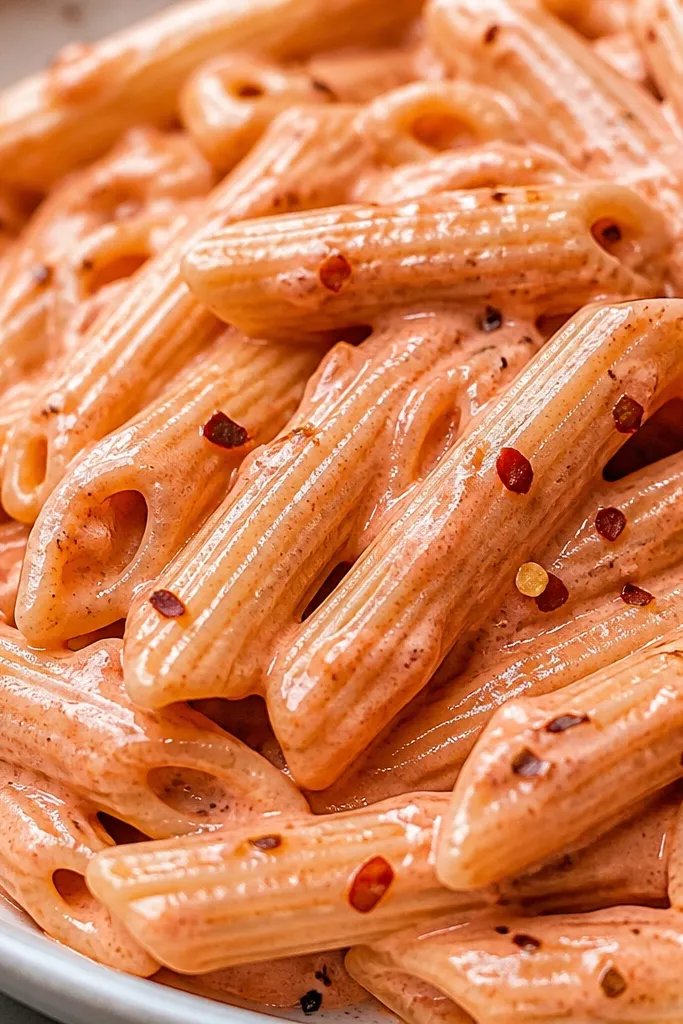
This is the "proof" look. If the sauce clings to penne ridges, you're not fighting a thin sauce and you're more likely to get balanced heat per bite. The visible coating also tells you the pasta water reduction worked.
Use penne rigate if you can - the ridges grab sauce and show texture. Toss with pasta water off heat, then return to heat for 20-30 seconds to set. Plate immediately so the sauce doesn't settle into a watery layer.
Try thisLift one penne with a fork - if it stretches and coats, you're ready to serve.
One warningAvoid rinsing pasta - it kills sauce grip and makes the clinging look weak.