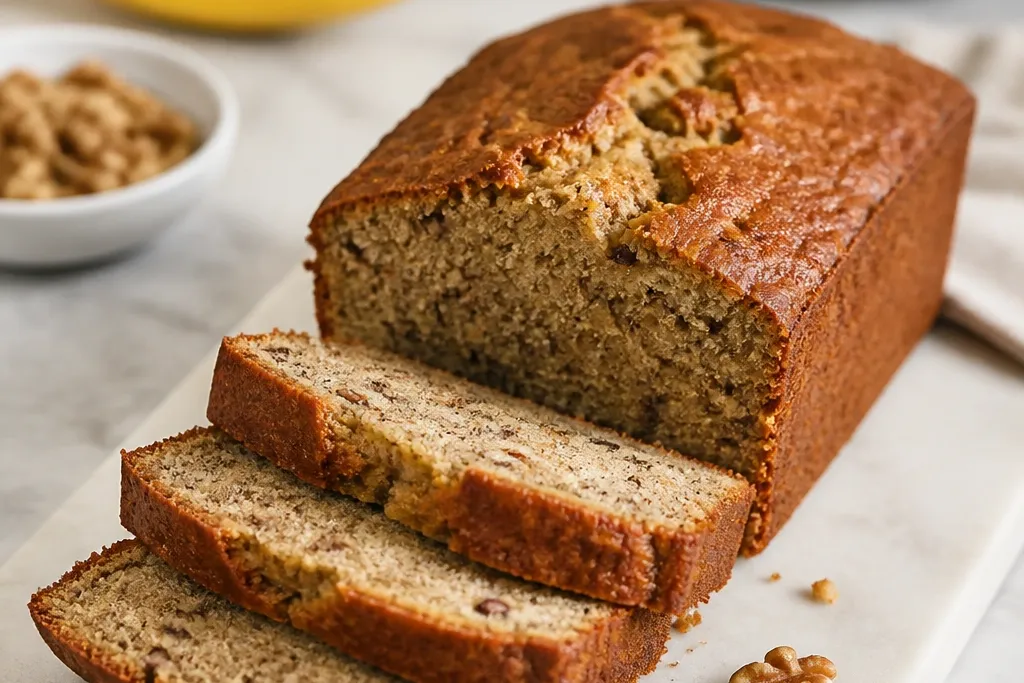
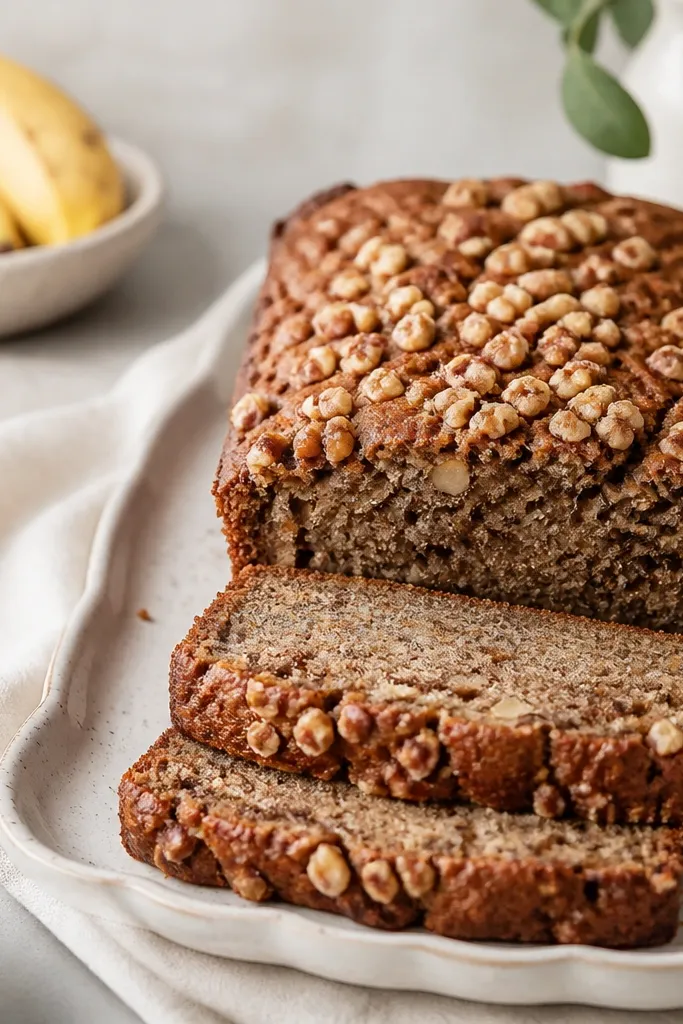
1. Golden top with a matte, crackly crust
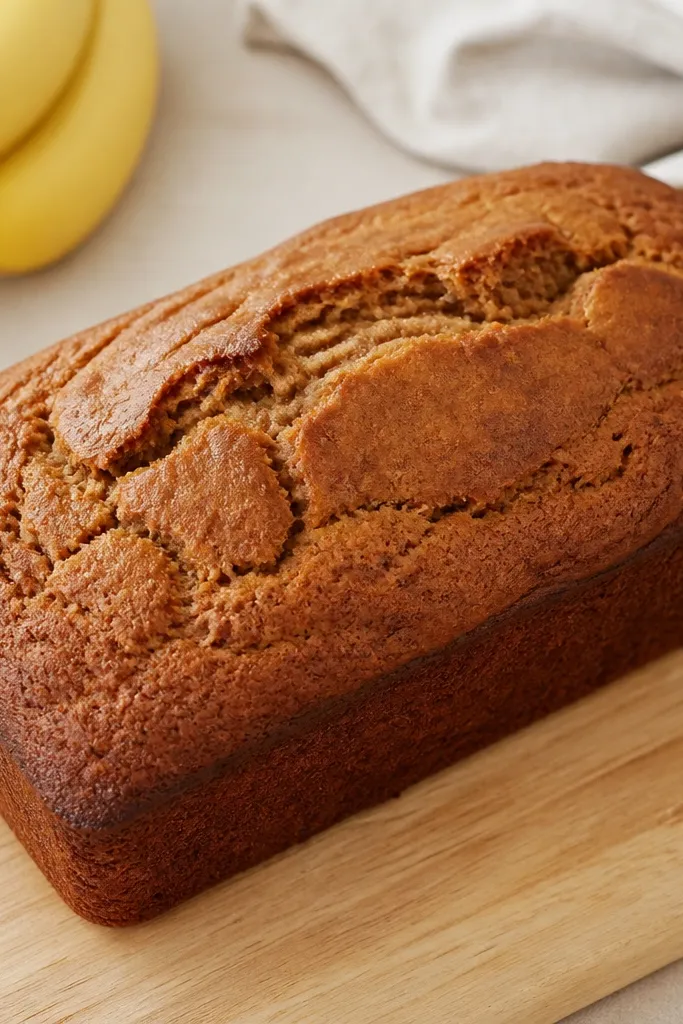
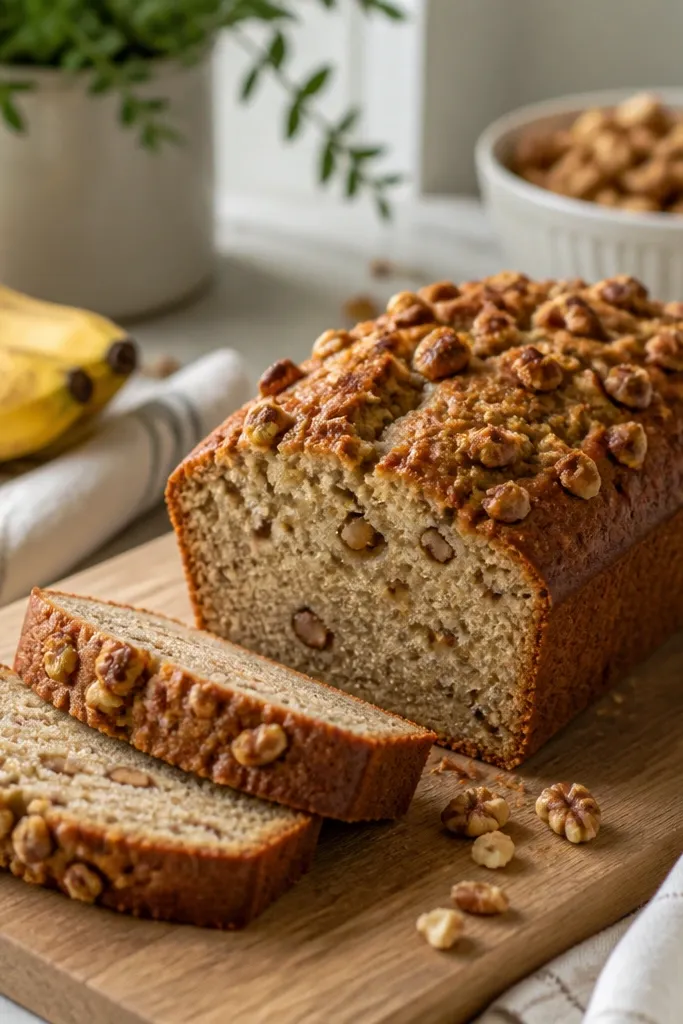
This look comes from baking at a steady temperature long enough for the surface to dry while the inside finishes setting. Almond flour tops go from pale to golden quickly, so you want a controlled oven heat instead of blasting high. The matte finish happens when you skip sugary glazes and rely on banana sweetness plus browning from the eggs and fat.
Bake in an 8.5 x 4.5 inch loaf pan lined with parchment that sits above the rim by about 1 inch. I let it cool in the pan for 20 minutes, then lift it out and cool another 60 minutes before slicing so the cracks stay crisp instead of collapsing.
Try thisIf the top browns early but the center is still soft, tent with foil after 25-30 minutes.
2. Slice with tight crumb and clean edges
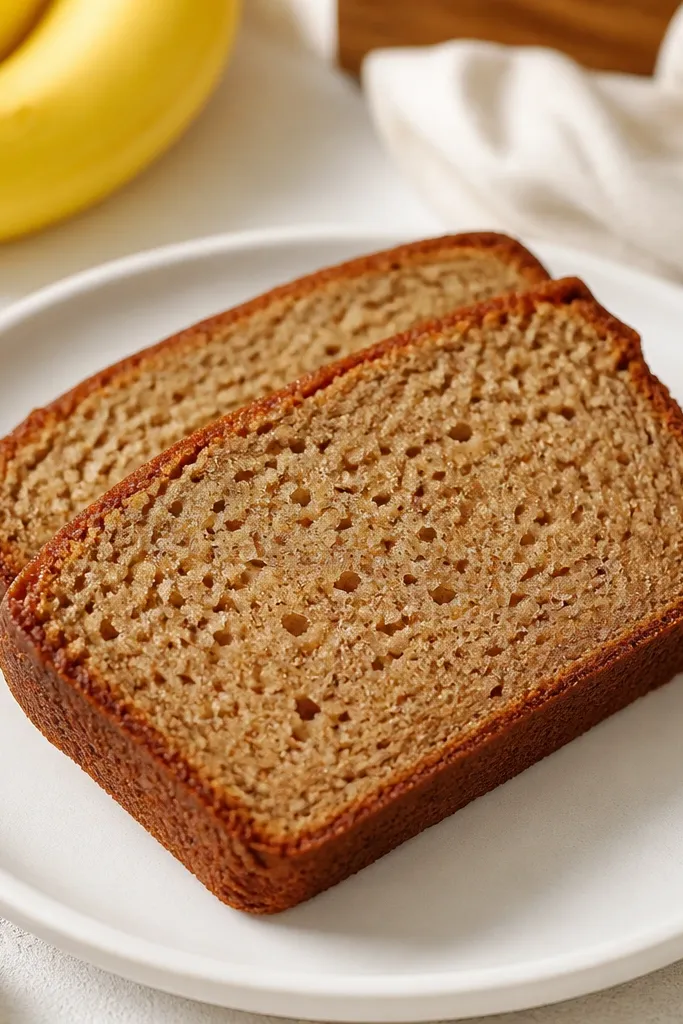
Tight crumb is what you get when the batter is thick and the loaf cools long enough for starches and proteins to firm up. Almond flour won't "stretch" like wheat flour, so the slice structure is mostly egg set plus moisture balance. When it's right, you get small, consistent air pockets instead of a smear.
Use a fine mesh to dust powdered sweetener if you want a light finish, but keep it minimal. Slice with a serrated knife after the loaf has cooled fully; warm bread tears and makes the crumb look underbaked even when it's not.
Try thisAim for a slice that holds its shape after you lift it with a spatula - that's your visual doneness check.
3. Moist center that still looks set
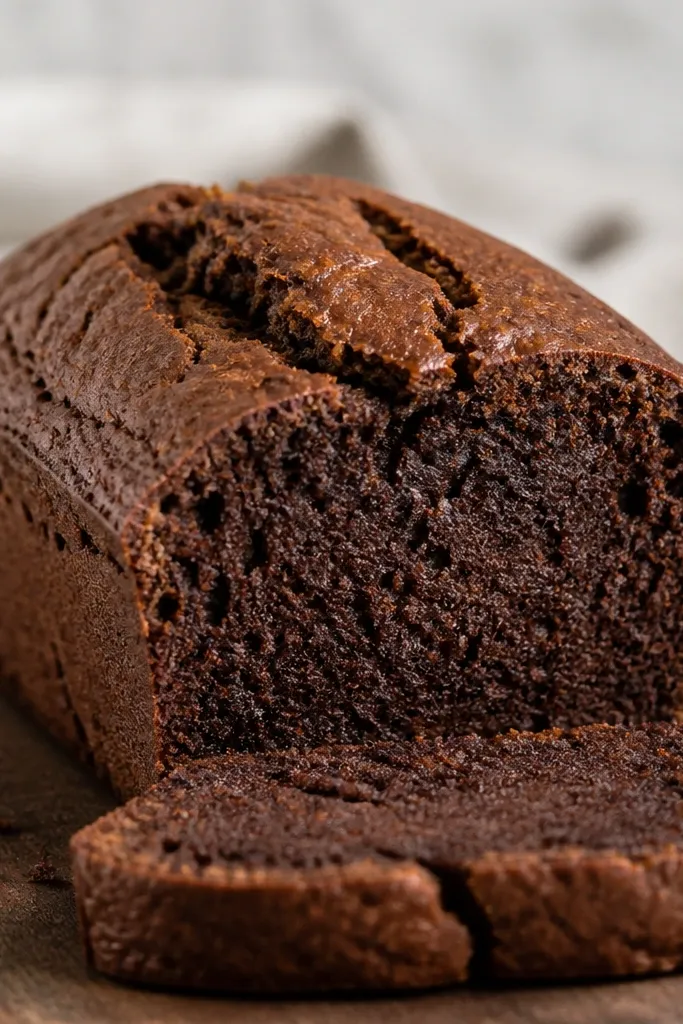
A set center looks like "dense tender," not "wet batter." The almond flour absorbs banana moisture differently than wheat flour, so you need enough egg to bind and enough bake time for the center to steam off. When it's underbaked, the interior looks glossy and collapses when you press it.
I bake until the middle reads 205°F on an instant-read thermometer. If you don't have one, press the center lightly - it should spring back instead of leaving an imprint.
Try thisDon't cover the loaf with plastic while it's hot; trapped steam makes the center look shiny.
4. Swirled banana speckles throughout
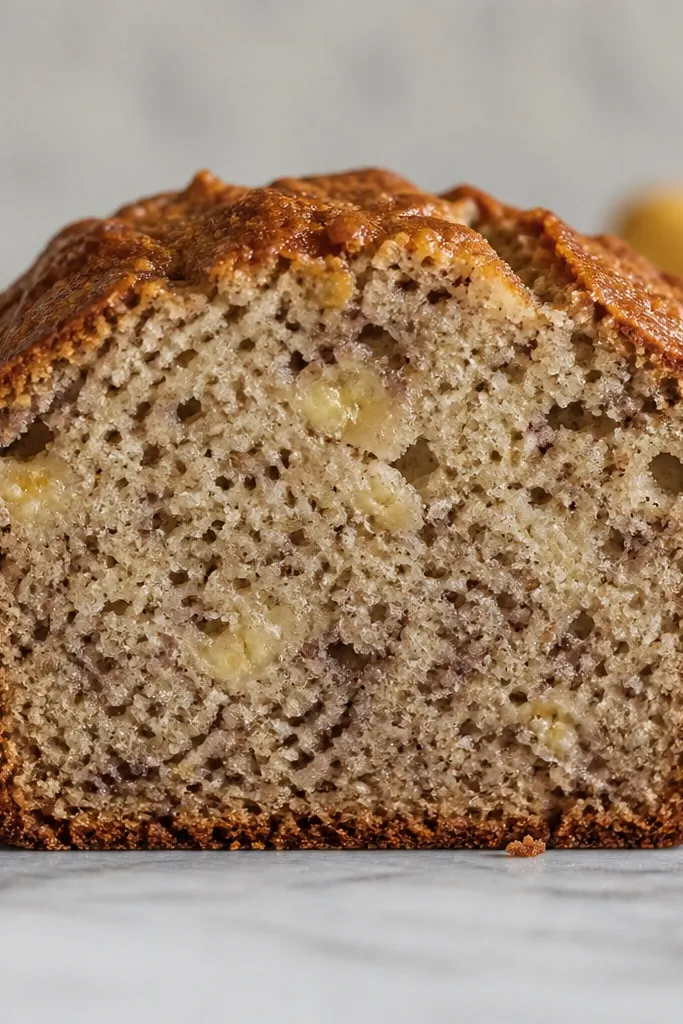
Those speckles are from mashing bananas with a fork and leaving a few small lumps. They create pockets of sweetness and moisture that brighten the slice. If you puree bananas until smooth, the batter can look uniform but the flavor can flatten and the texture can get gummy if the moisture load is high.
Mash until you still see a few soft chunks about the size of cooked rice. Fold gently so the chunks stay dispersed instead of sinking to the bottom.
Try thisIf your bananas look watery, blot them on a paper towel for 30 seconds before weighing and mashing.
5. Almond flour crumb that's pale beige, not gray
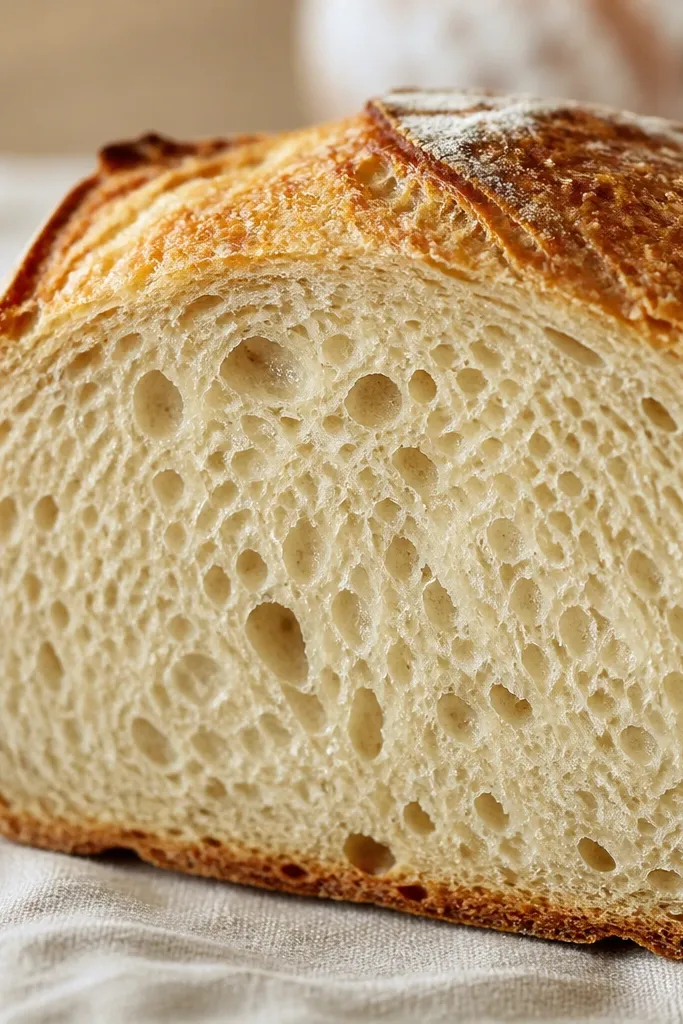
Beige crumb is what you get when the loaf browns just enough without drying out. Almond flour can look gray when it's underbaked or when the oven runs cool. Browning comes from egg proteins and fat, so a correct bake temp gives you that warm color.
Use an oven thermometer if yours runs hot or cold. If the loaf is pale after the recommended time, bake 5-8 minutes more rather than increasing the temp - higher temp dries the outside while the center stays soft.
Try thisRotate the pan halfway through for even browning on the sides.
6. Lightly domed loaf with no collapsed top
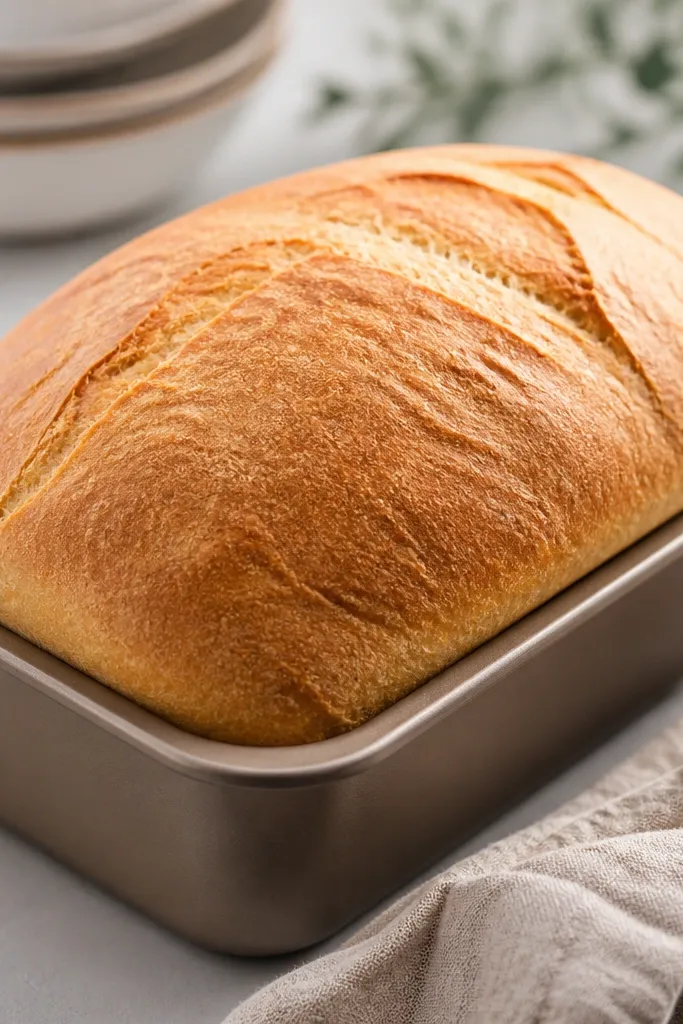
A dome means the batter had enough structure to rise and didn't get over-wet. Almond flour batter needs balance: banana moisture plus eggs plus a little baking powder. If you skip baking powder or use too much banana, you get a flat top or a collapsed center.
Use baking powder (not soda unless you add an acid). Fill the pan about 3/4 full so the dome has room without spilling.
Try thisTap the pan once on the counter after filling to pop big air pockets.
7. Toasty edge color with parchment lines
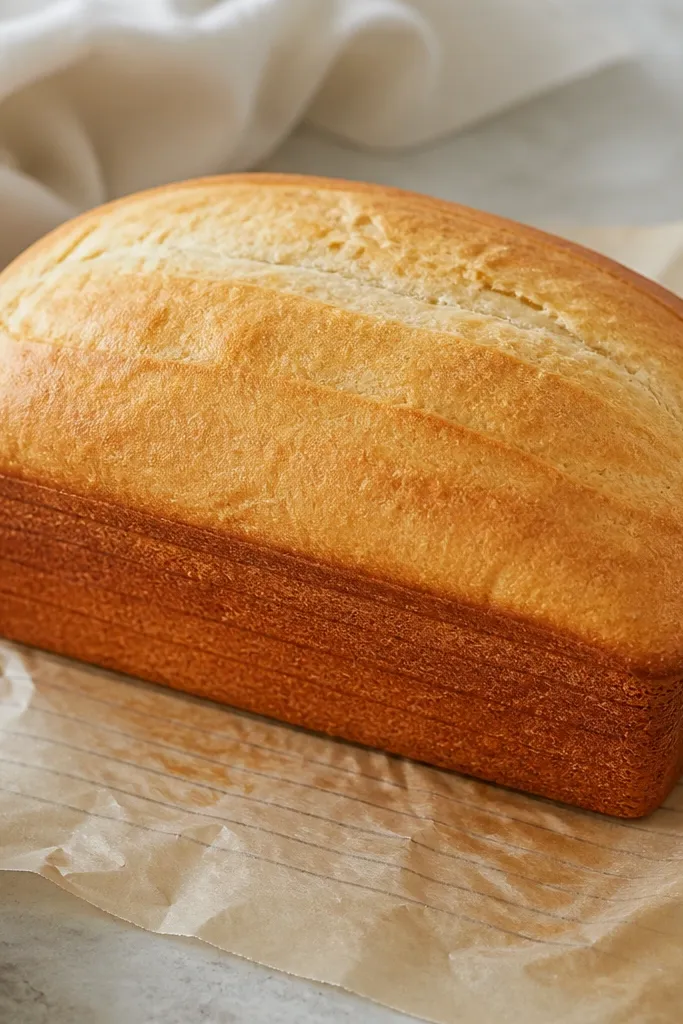
That edge color happens when the sides bake while the center finishes setting. Parchment prevents sticking but still lets the sides brown. The goal is contrast: slightly darker edges, a golden top, and a tender interior.
Line the pan with parchment that covers the bottom and two long sides; leave the short ends uncovered if you want a cleaner edge. Spray parchment lightly with oil for a smoother release.
Try thisIf your loaf sticks, chill it in the pan 10 minutes longer before lifting.
8. Crust that stays tender, not hard
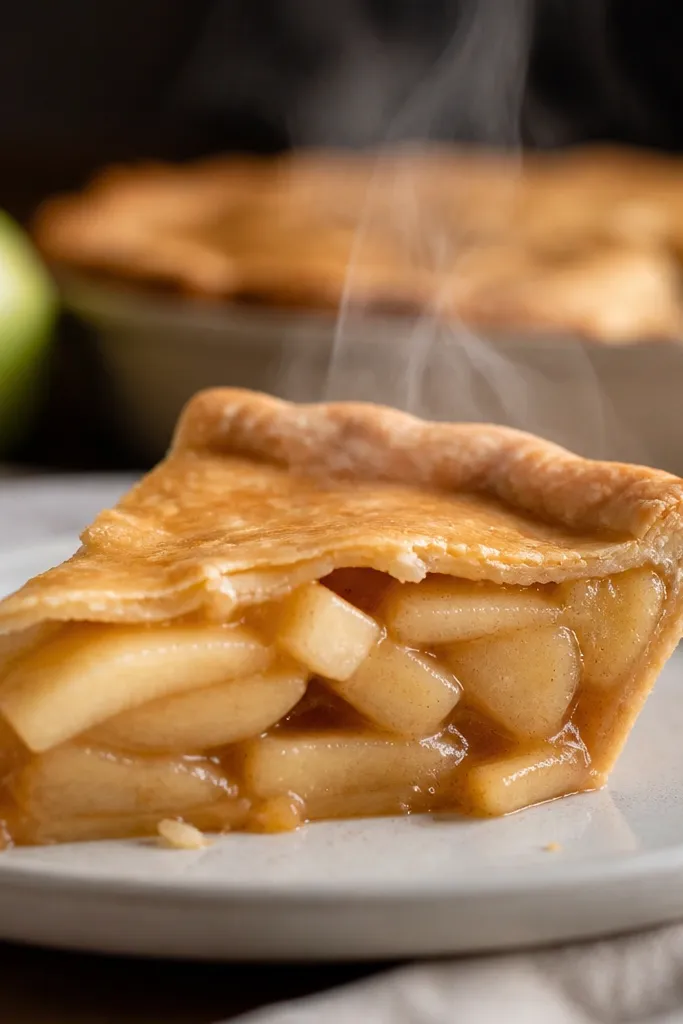
Tender crust is what you get when you cool the loaf uncovered on a rack so steam escapes, then wrap after it's fully cool. If you wrap too soon, crust softens in a humid way. If you leave it uncovered too long, the surface dries and turns tough.
Cool on a wire rack for at least 90 minutes. Wrap with foil or a lid once the loaf is cool to the touch.
Try thisStore at room temperature for 2 days, then refrigerate if your kitchen runs warm.
9. Almond flour banana bread with a simple dusting
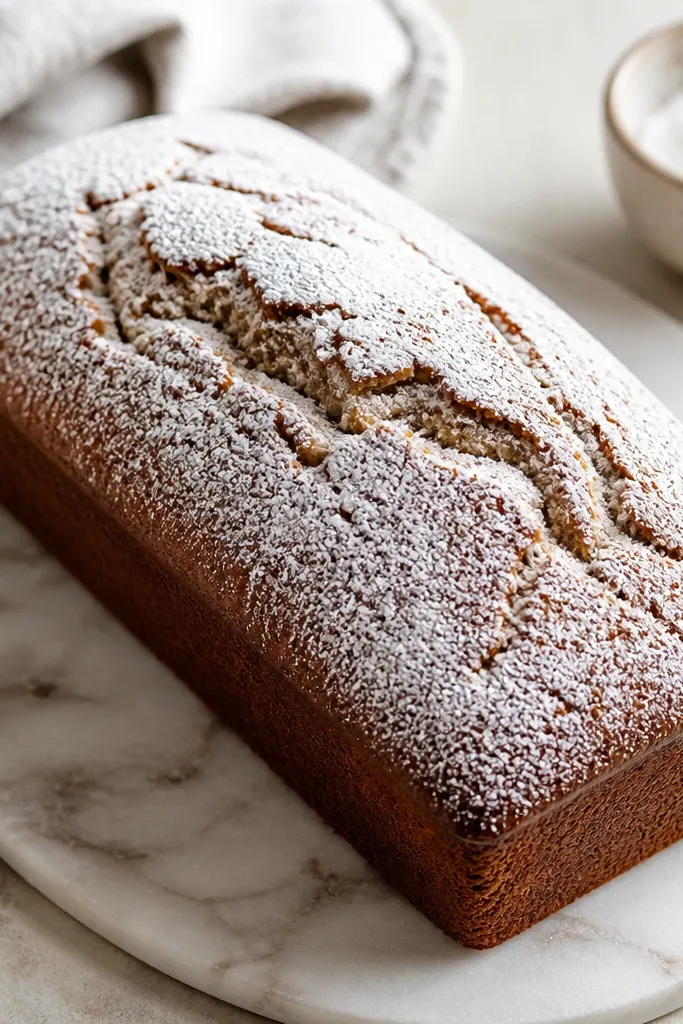
A dusting makes the loaf look bakery-finished without changing the bake. It also hides any uneven browning from hot spots. Keep it light so you don't create a sticky sugary crust.
Use powdered erythritol or powdered sugar. Dust only after the loaf is fully cool so the powder doesn't melt into the cracks.
Try thisShake the dust on from a height of 8-10 inches for an even layer.
10. Center texture that holds when photographed
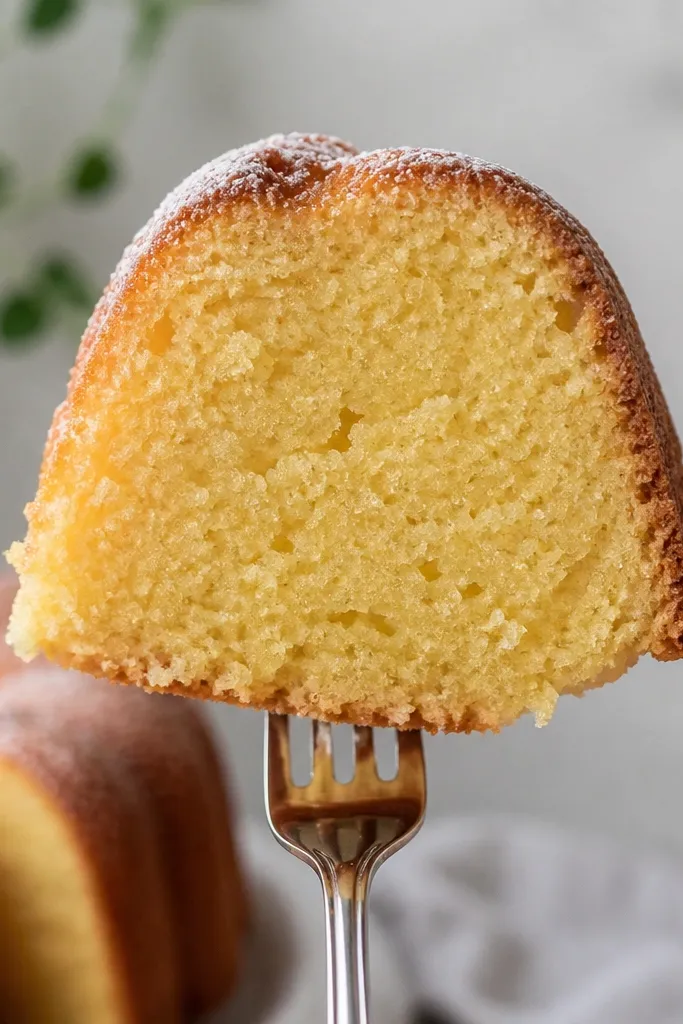
This is the "camera test" I use because it reveals gummy underbakes. If the crumb smears on the fork, it's still too wet from banana moisture or underbaked center. Proper egg set and cooling time make the crumb stay intact when you lift it.
Slice after full cooling. If you want to photograph, cut the slice, wait 2 minutes for steam to settle, then lift with a wide spatula.
Try thisIf your slice smears, bake 5 minutes more next time and cool longer before slicing.