1. Cloudy Cannellini Base with Bean Mash Swirls
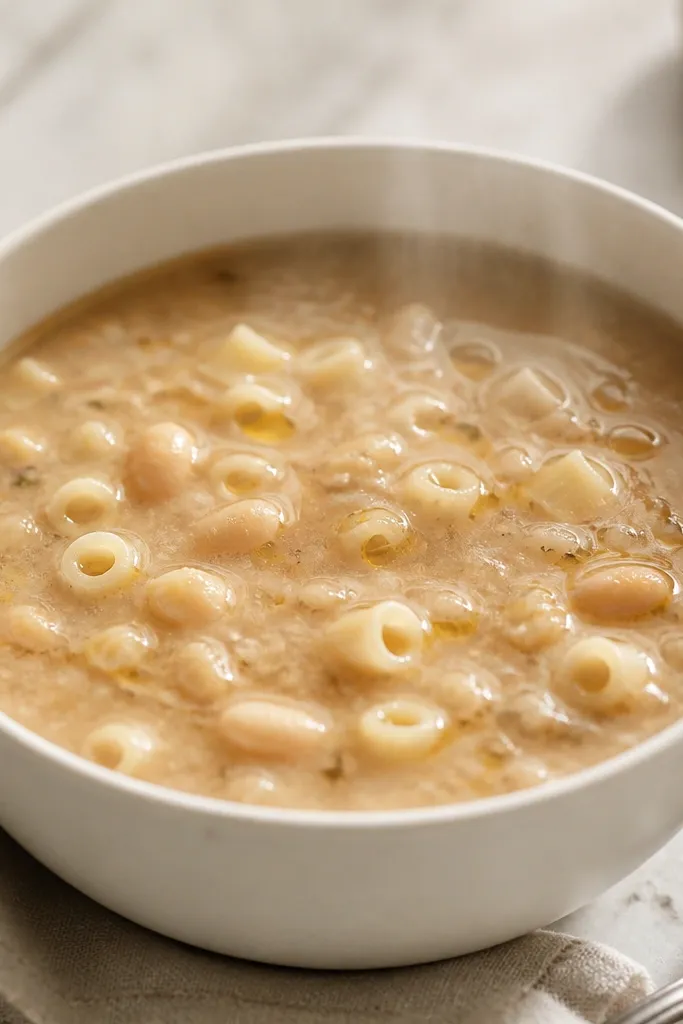
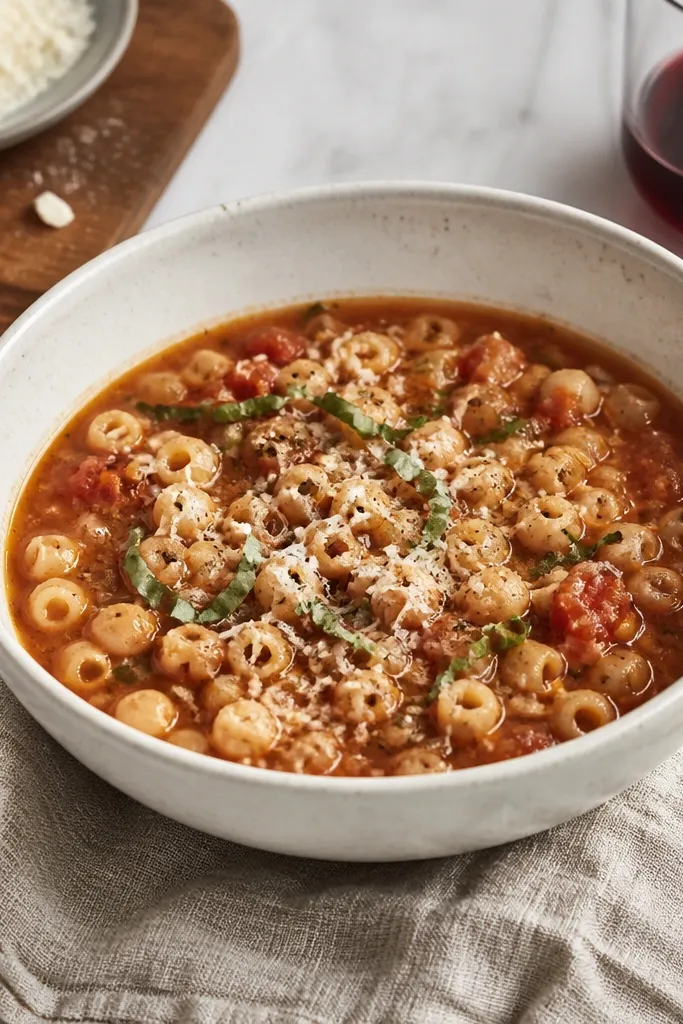
This look is what "thick" means in my kitchen: cloudy, creamy, and opaque enough that you can't see the bottom of the bowl. The pale beige color comes from cannellini beans breaking down during simmering, and the mashed flecks show you used the technique instead of thickening with flour. A few whole beans keep it interesting, so the texture doesn't feel like plain puree.
Mash 1 to 1 1/2 cups beans with a potato masher or the back of a spoon right in the pot. Aim for a mix of smooth and chunky, so the soup looks naturally thick, not paste-like. Keep the soup at a gentle simmer, not a rolling boil, so it stays creamy.
Try thisIf the soup looks too thin, simmer 5 more minutes and stir while it reduces instead of adding flour.
One warningAvoid thickening with flour first - it dulls the flavor and makes the soup look gray.
2. Olive Oil Sheen and Fresh Black Pepper Speckles
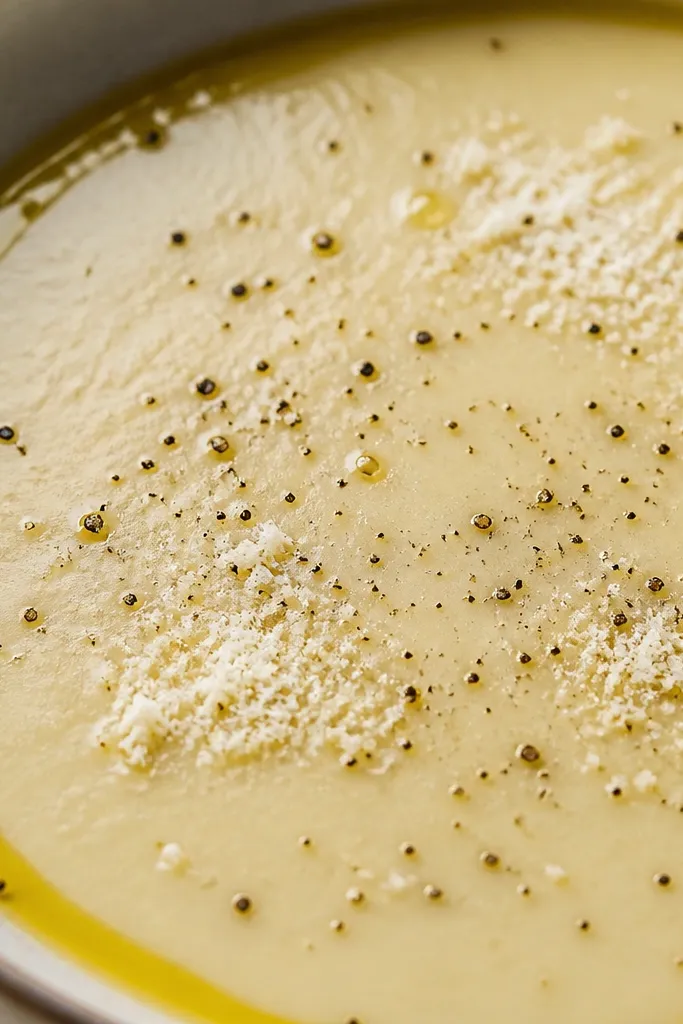
That shiny top is a visual cue that the soup has body and fat. Olive oil added at the end catches light and makes the bowl look restaurant-finished. Black pepper speckles add contrast against the pale soup, and Parmesan gives a soft off-white mound that melts slightly.
Finish each bowl with 1 teaspoon extra-virgin olive oil and a few grinds of black pepper. Add Parmesan right before serving so it looks snowy instead of sinking like wet sand. If you want it extra pretty, grate Parmesan with a microplane.
Try thisCrush pepper in a mortar for a few seconds - the aroma is stronger and the specks look finer.
One warningDon't add oil while it's boiling hard - it disperses and the sheen disappears.
3. Tomato Paste Depth, Not Red Sauce
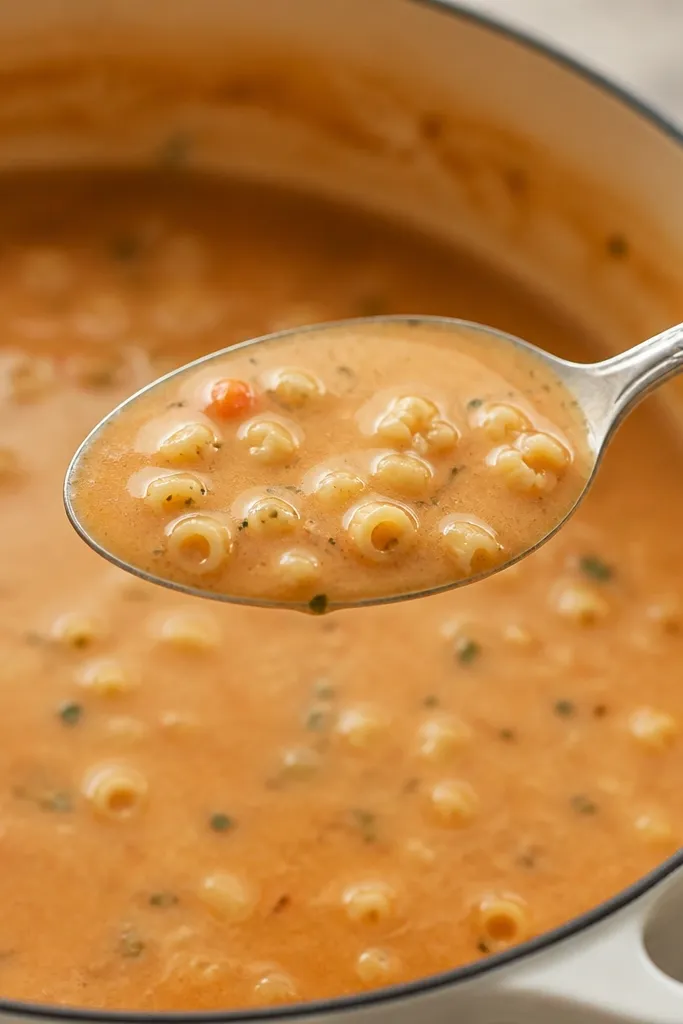
Tomato paste gives the soup a warmer undertone without turning it red. In the bowl, you'll see a subtle orange-brown cast rather than a bright red sauce. That's the difference between "pasta fagioli" and "bean pasta in tomato broth."
Stir tomato paste into the sautéed vegetables for 1 to 2 minutes until it looks darker and slightly sticky. Then add broth and beans. If you're using canned tomatoes instead of paste, choose crushed and keep the amount modest so the soup stays creamy.
Try thisTaste after the simmer - if it's flat, add another 1 teaspoon tomato paste rather than more water.
One warningAvoid dumping in a whole can of crushed tomatoes - you'll lose the creamy bean look.
4. Separate Pasta for Springy Bites
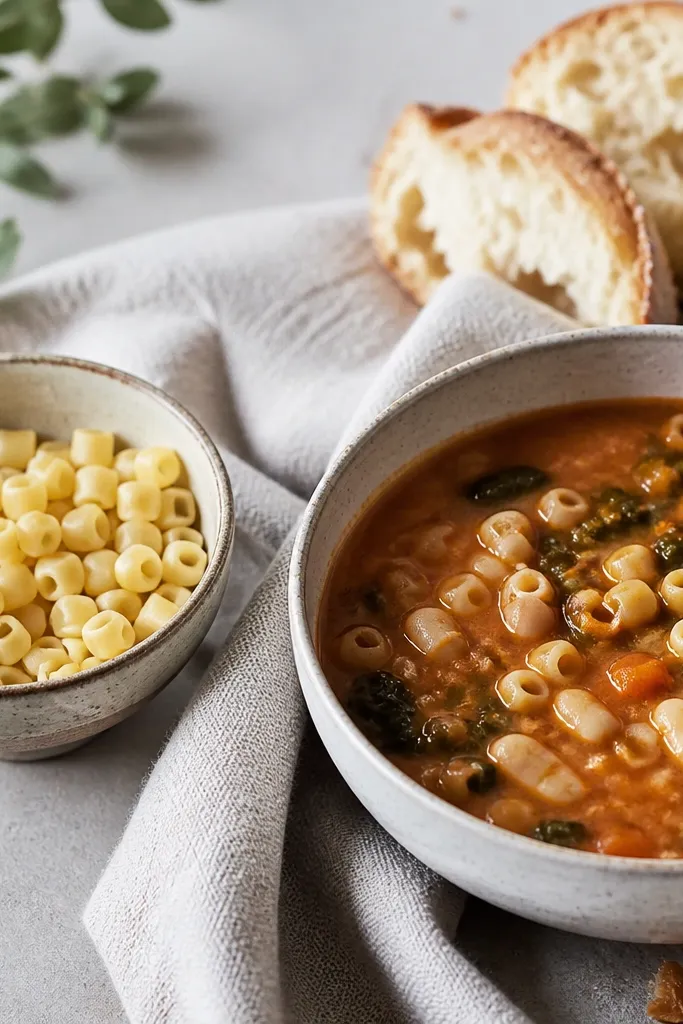
This is the cleanest aesthetic for pasta fagioli because each bite stays distinct. When pasta cooks in the soup for hours, it swells and the whole bowl looks thick but heavy, like porridge. Keeping pasta separate gives you a spoonful with clear pasta pieces and a creamy base.
Cook ditalini in salted water until just al dente, then drain and rinse quickly under warm water. Store pasta and soup separately, then combine in the bowl right before eating. Add pasta to each serving, not the whole pot, for the prettiest texture.
Try thisUse 1/2 to 2/3 cup dry ditalini per 6 cups soup if you want it hearty but not thick-stew heavy.
One warningAvoid reheating the pot with pasta already in it - it keeps absorbing broth and goes mushy.
5. Garlic-Scallion Aroma Base with Golden Onion Edges
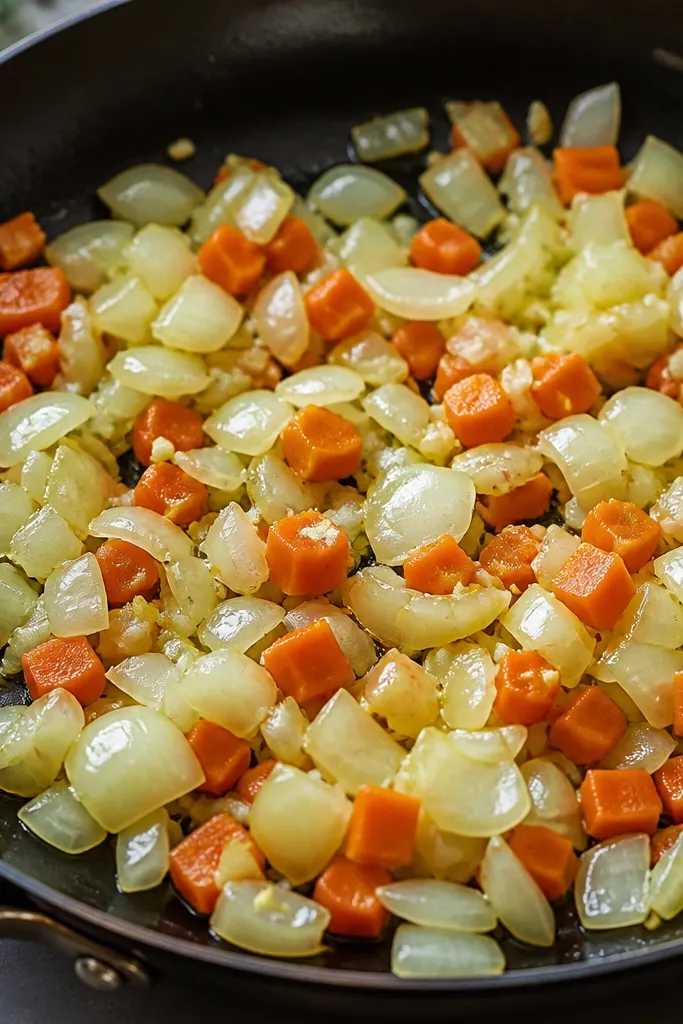
You're looking for sweetness, not deep caramel. The golden onion edges tell you the sugars are developed and the soup will taste rounded. Carrot adds a soft orange tint that blends into the pale bean base, making the bowl look warmer.
Sauté diced onion and grated carrot in olive oil over medium heat for 6 to 8 minutes. Add minced garlic for 30 to 60 seconds - it should smell sharp and fragrant, not brown. Stir in tomato paste after the garlic so the paste fries briefly.
Try thisGrate carrot instead of chopping it - the soup looks smoother and you get more sweetness per spoon.
One warningAvoid burning garlic - it turns the whole pot bitter even if the soup tastes "fine."
6. Bay Leaf and Parm Rind Simmering Look
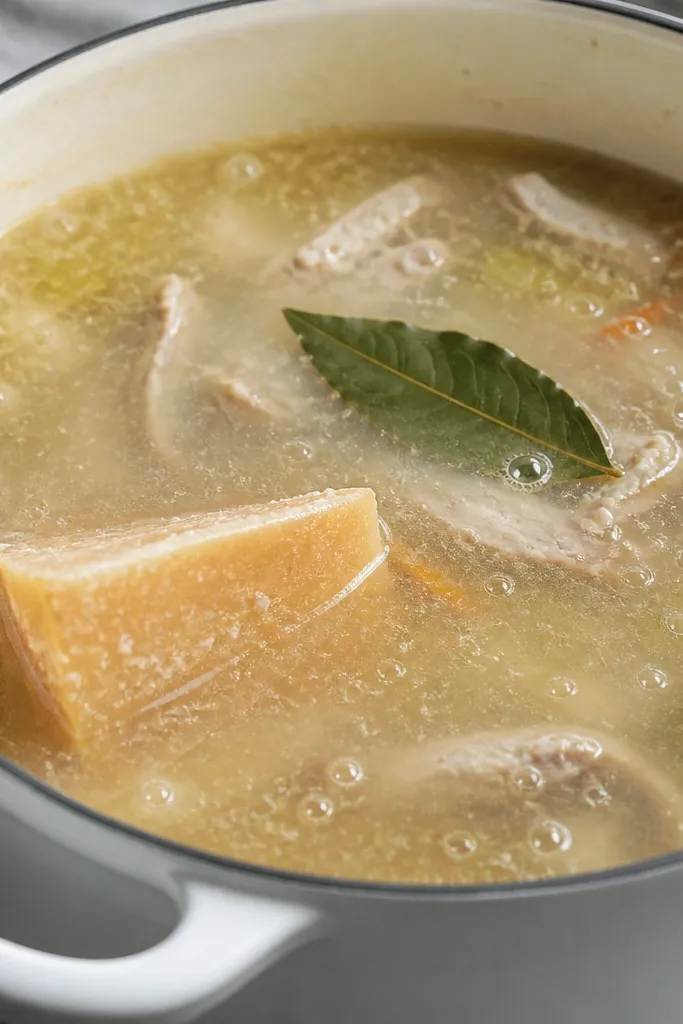
Bay leaf adds a subtle herbal note that smells like a long simmer. Parmesan rind melts into the broth and gives it body, making the soup look thicker even before you mash beans. The surface stays calm - that gentle simmer helps everything blend instead of boiling apart.
Add 1 bay leaf and a 2 to 3 inch Parmesan rind (or 1/2 cup grated Parmesan later if you don't have rind). Simmer 30 to 45 minutes. Remove bay leaf and rind before serving. If using canned beans, reduce simmer time but keep the rind step.
Try thisIf your rind is salty, taste before adding extra salt at the end.
One warningAvoid adding bay leaf to the bowl - it looks dry and can be unpleasant to bite.
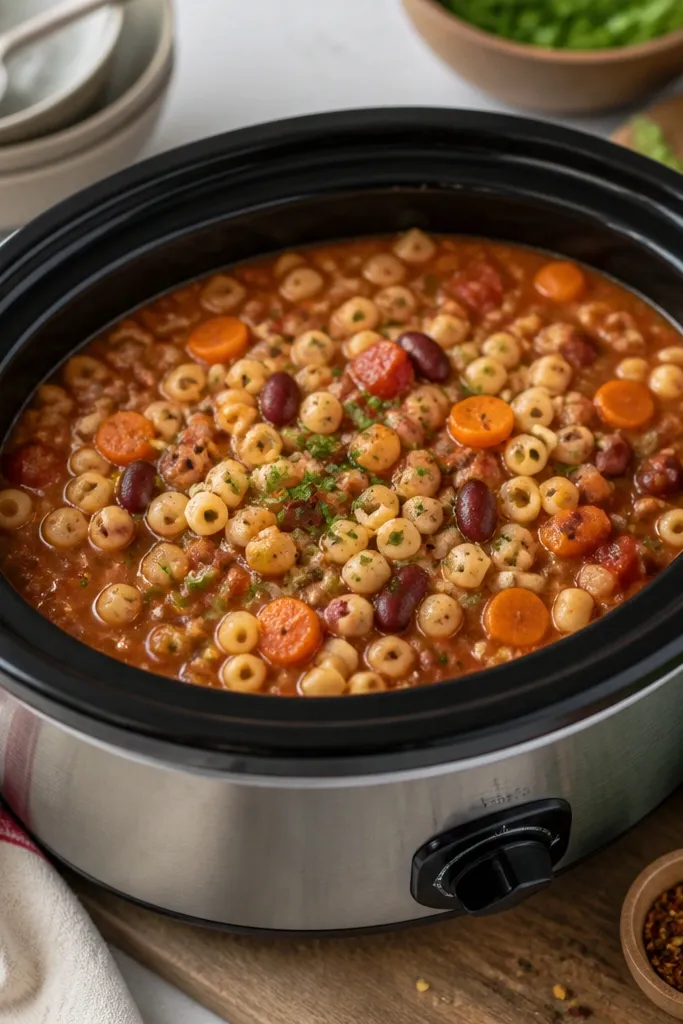
7. Ladle-Full Thick Texture with Visible Bean Chunks
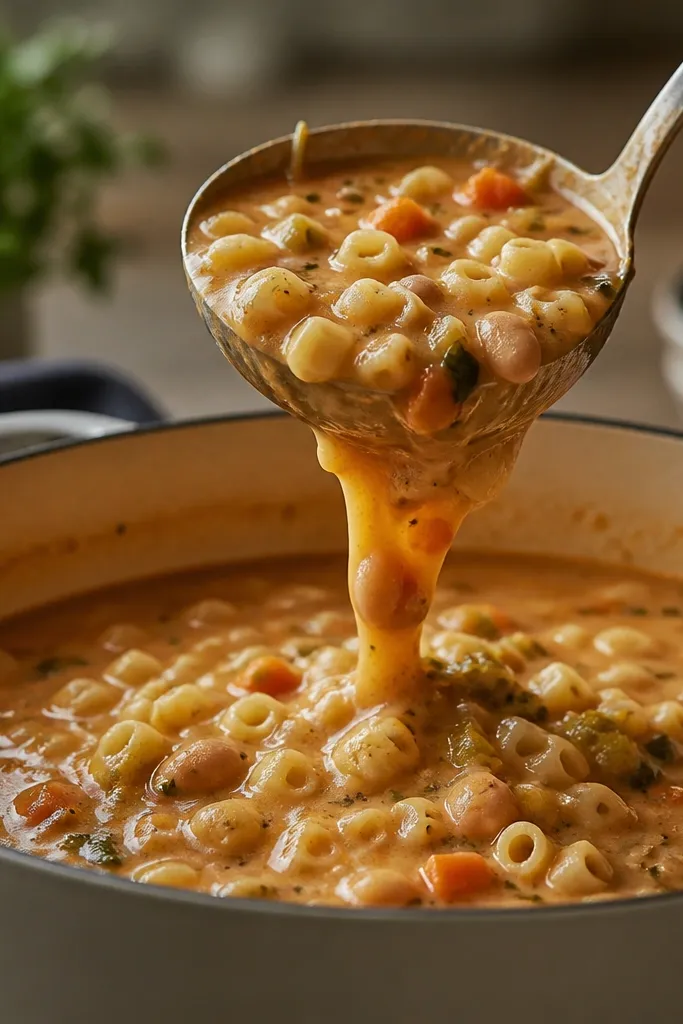
This is how you know the soup is done. The slow flow means the starch and mashed beans are thickening the broth. It also means your pasta-to-broth ratio is right, so the bowl looks hearty instead of diluted.
After mashing, stir and simmer 5 minutes. Drag a spoon through the pot - it should leave a brief trail that fills back in slowly. If it runs like water, simmer longer; if it's too thick, add broth 1/4 cup at a time.
Try thisUse a timer for pasta - texture is the difference between "hearty" and "gummy."
One warningAvoid stirring constantly on a hard boil - it breaks pasta apart and makes the soup look cloudy in a bad way.
8. Parmesan and Parsley Finish for Color Contrast
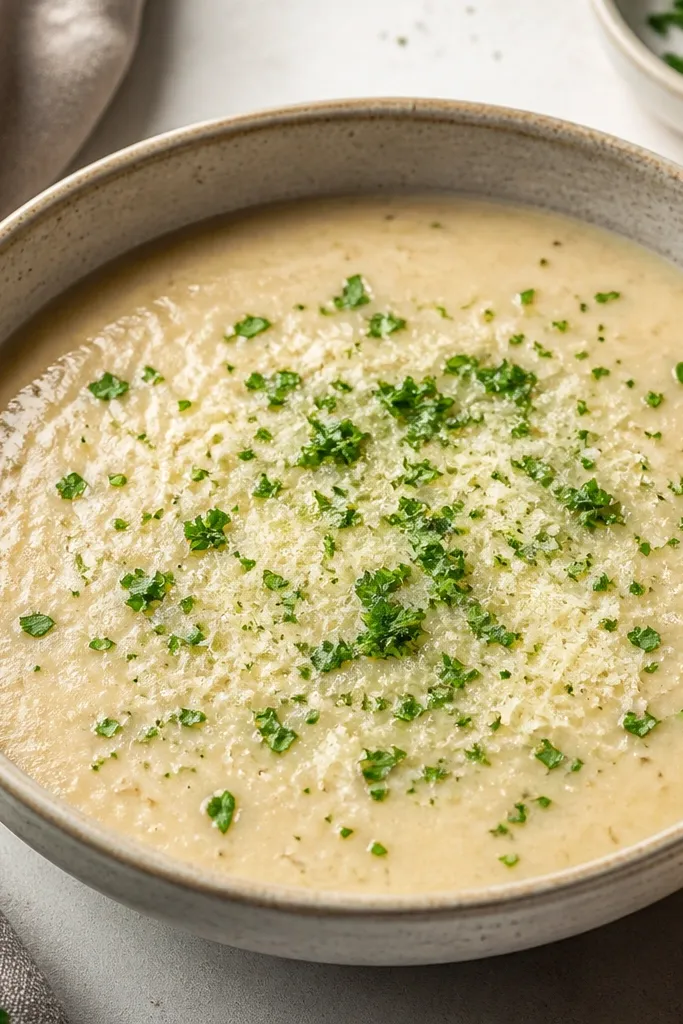
Color matters for this soup because the base is pale. Parsley gives a clean green hit that makes the bowl look fresh even if the soup is thick and hearty. Parmesan adds a soft white contrast and a salty, nutty aroma that reads as "Italian dinner."
Chop parsley very fine and sprinkle right before serving, about 1 tablespoon per bowl. Add Parmesan at the same time so it clings to the oil sheen. If you hate parsley, use chopped basil, but keep it light so it doesn't turn the soup sweet.
Try thisPat parsley dry after washing so it doesn't water down the surface.
One warningAvoid big parsley leaves - they look like garnish from a freezer tub.
9. Toasty Breadcrumb Option for Crunchy Texture
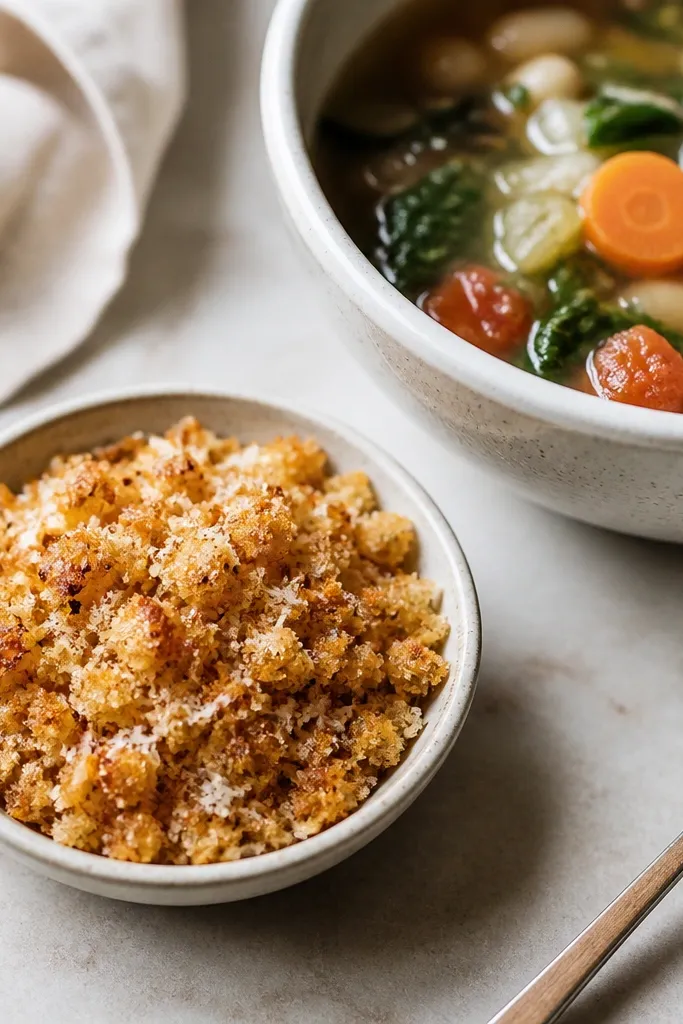
This is the texture contrast I love when I want pasta fagioli to feel more like a full meal. Toasted breadcrumbs add crunch against the creamy beans, and the golden color makes the pale soup look more styled. Keep it optional - the soup should still taste right without it.
Toast breadcrumbs in olive oil with a pinch of salt until golden, 3 to 5 minutes. Stir in a small amount of grated Parmesan if you like. Serve 1 to 2 tablespoons on top only at serving time so it stays crisp.
Try thisUse panko for the crunch - regular breadcrumbs turn into a soft clump.
One warningAvoid wetting breadcrumbs with extra oil - it makes them greasy and dark.