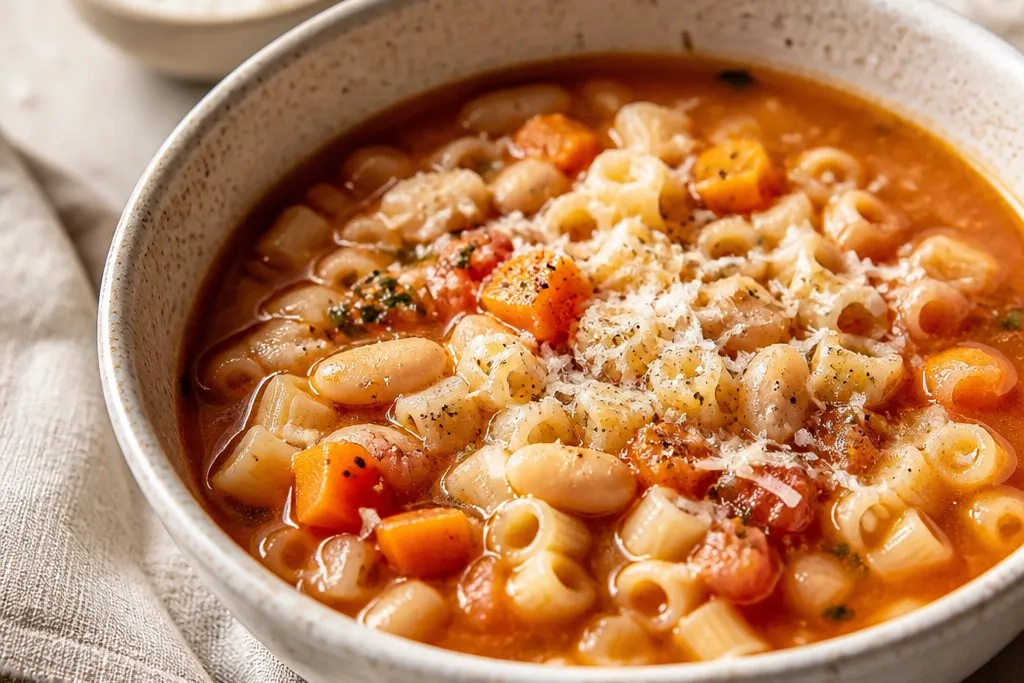
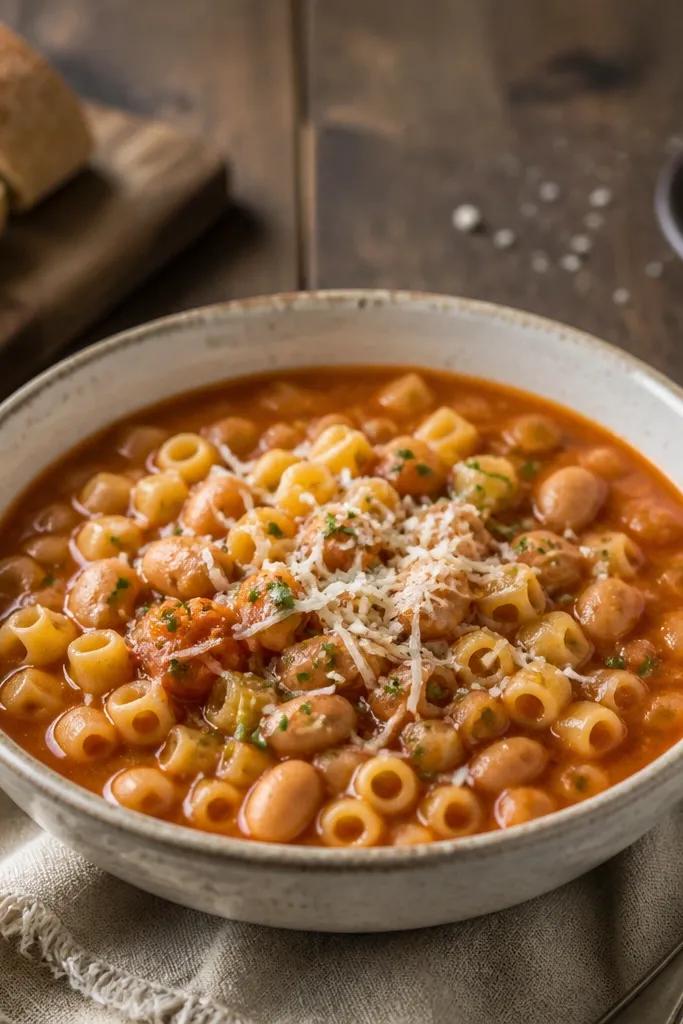
1. Creamy bowl with visible bean texture
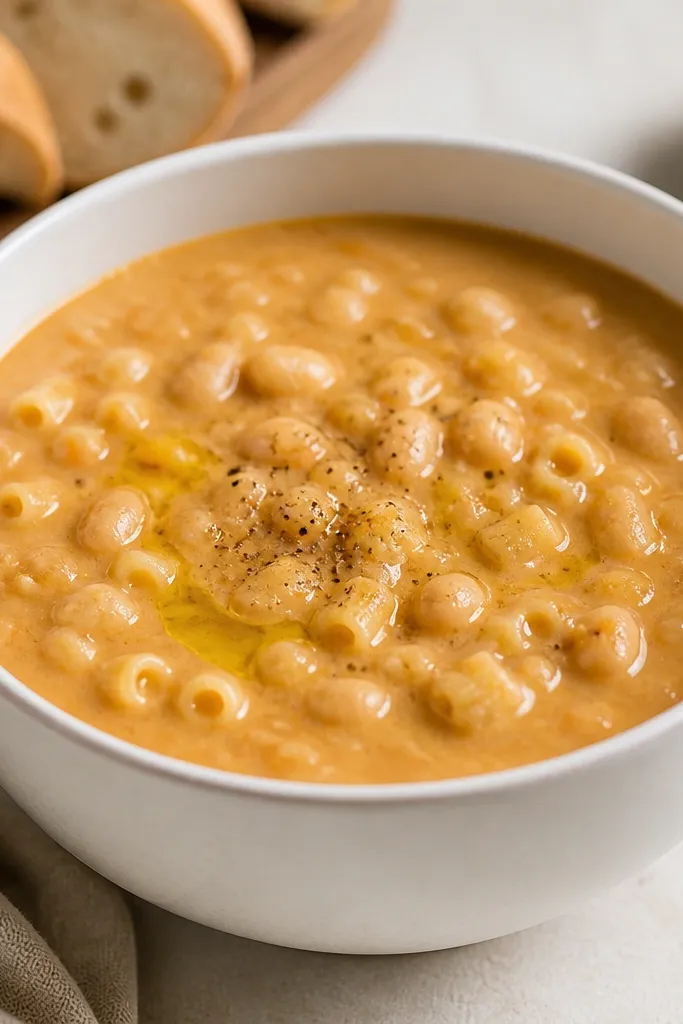
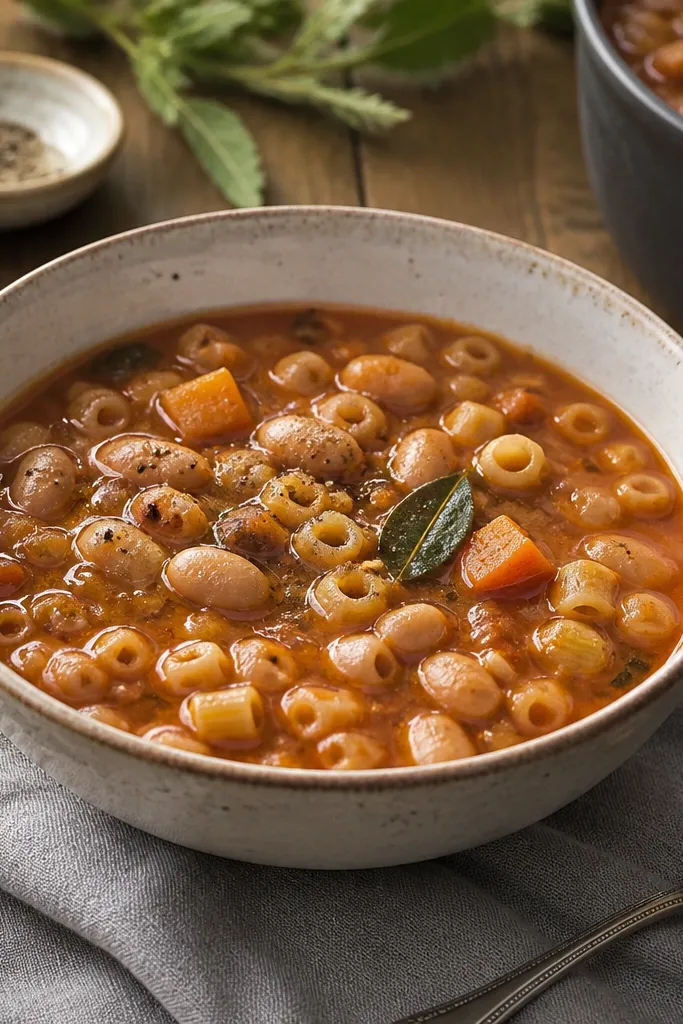
A thick bowl is the whole point of pasta e fagioli. I like it when the surface looks slightly glossy from olive oil, not watery. You want to see bean texture - not a perfectly smooth puree - because that's the peasant feel. The pale cream color comes from mashing some beans, while the pasta adds tiny off-white dots.
Spoon the soup into a wide bowl so light hits the surface. Keep the broth thick enough that a spoon drag leaves a short trail that fills back in slowly. Top with 1 teaspoon olive oil and a pinch of black pepper right before serving.
Try thisReserve 1/2 cup of bean liquid and add it a tablespoon at a time until the soup coats the spoon.
One warningSkipping the bean mashing makes the soup taste flat and look thin.
2. Golden soffritto in the pot (the real flavor start)
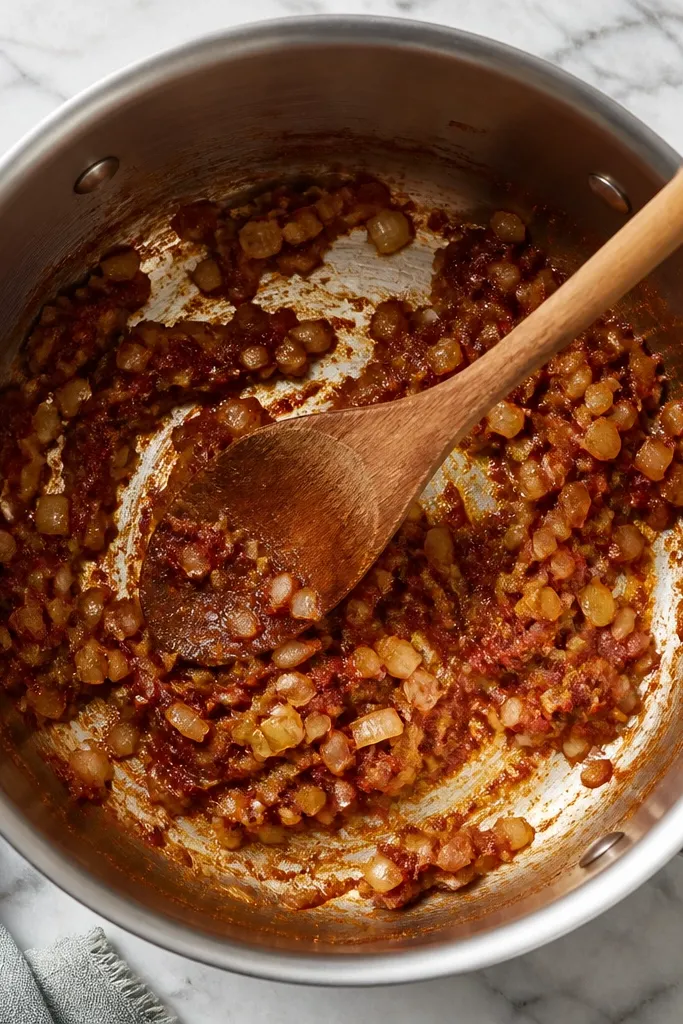
This is where the flavor sticks. Golden onion and celery smell sweet and savory, and the tomato paste darkens into a deeper red that tastes like you cooked longer than you did. When you see that change in color, you know the base is ready. The final soup ends up tasting "slow" even when your timeline is not.
Cut onion and celery into small dice, about 1/4 inch. Cook in olive oil over medium heat until you see browned edges, then stir in tomato paste and cook 60 seconds to deepen the color. Add garlic briefly - 30 seconds - so it doesn't go bitter.
Try thisIf the pot looks dry, add a splash of water to deglaze and scrape the browned bits clean.
One warningAdding garlic at the same time as the onion makes it taste harsh.
3. Bean mashing moment for thick soup
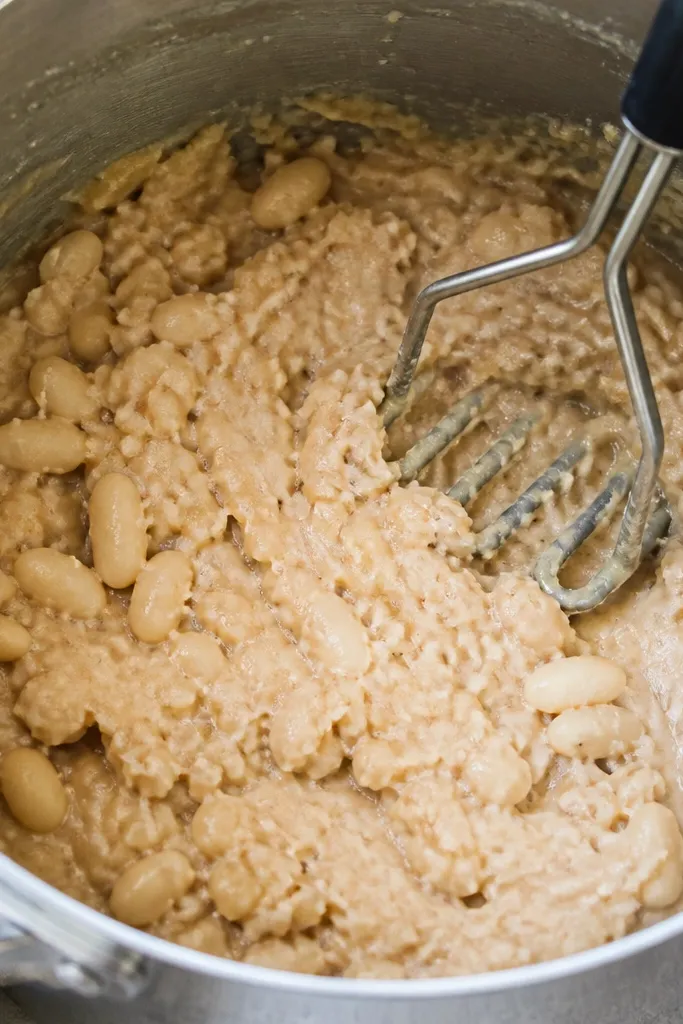
You don't need cream or flour. Mashing some beans thickens the broth naturally, and it keeps a rustic texture. The creamy part comes from broken beans, while whole beans keep the bite. This makes the soup look hearty, not pale and thin.
After simmering the beans in broth, ladle out about 1 cup of beans and mash them with a splash of broth. Stir the mash back in, then simmer 5 minutes. Keep the rest of the beans whole so you get contrast.
Try thisMash with a few tablespoons of broth so it blends fast - dry mash turns lumpy.
One warningPureeing everything makes it taste like bean soup with pasta added, not pasta e fagioli.
4. Pasta timed perfectly, still springy
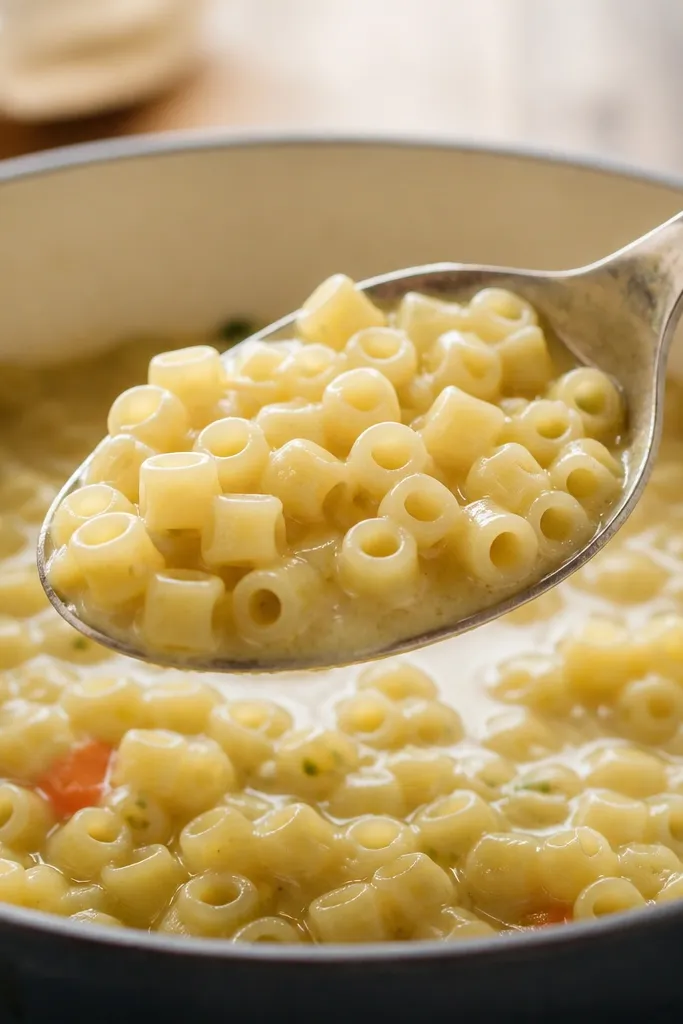
Timing is the whole texture job. When pasta is cooked just until tender and then held briefly in the soup, it stays springy and doesn't shed starch into glue. That's how you avoid a thick, gummy pot even when you're using low-effort canned beans. The broth should look lightly thick, not starchy and opaque.
Start pasta after the soup has simmered with beans for at least 15 minutes. Cook pasta 1-2 minutes less than the package says if you'll serve right after. Stir the first few minutes so it doesn't clump.
Try thisTaste one piece at the 2-minute mark before you commit - pasta goes from firm to overcooked fast.
One warningCooking pasta too long makes it absorb broth and thicken into something you have to thin.
5. Low-maintenance topping: olive oil + Parmigiano
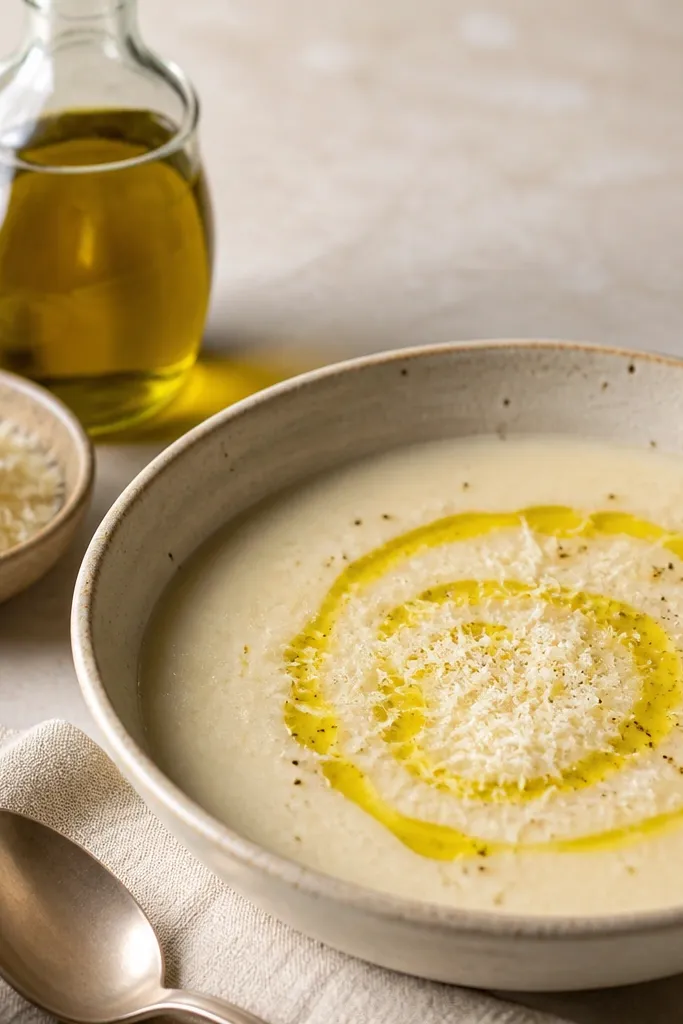
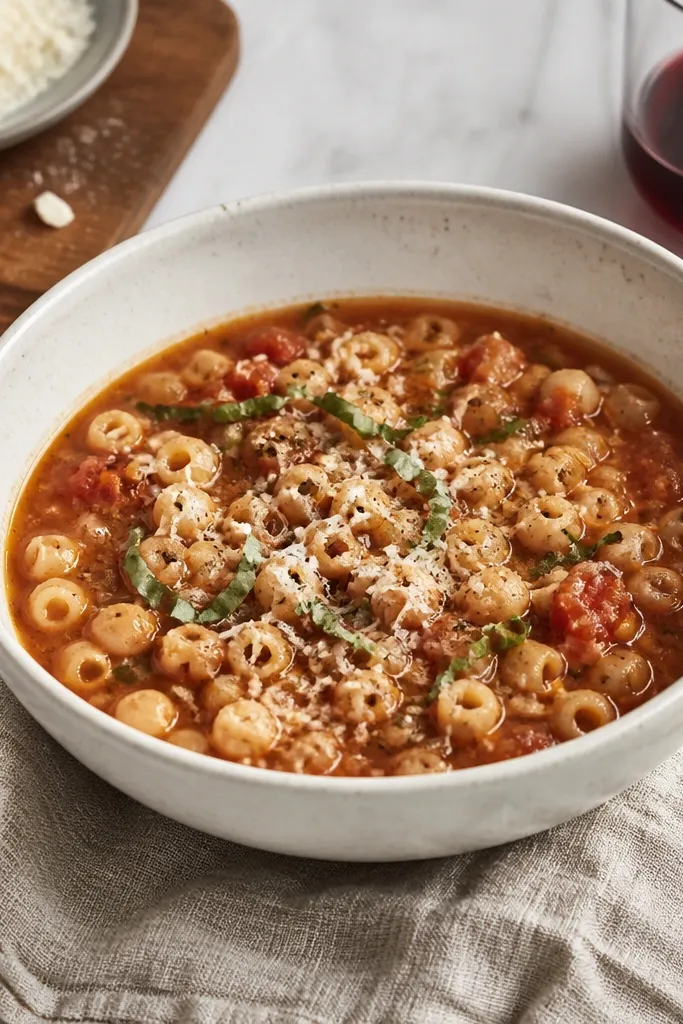
This topping is simple and it matters. Olive oil adds a fresh, peppery smell and makes the surface look smooth. Parmigiano adds salty umami and a slightly nutty aroma that makes the beans feel less "canned." You're building that Italian peasant flavor without extra steps.
Use fresh-grated Parmigiano, not pre-shredded. Add cheese at the table so it melts into the hot broth. Keep the olive oil drizzle small, about 1 teaspoon per bowl.
Try thisIf you like heat, add a pinch of chili flakes with the cheese - it spreads better than mixing it in the pot.
One warningUsing dry, clumpy cheese ruins the look and doesn't melt evenly.
6. Side-by-side photo: same soup, two pasta methods
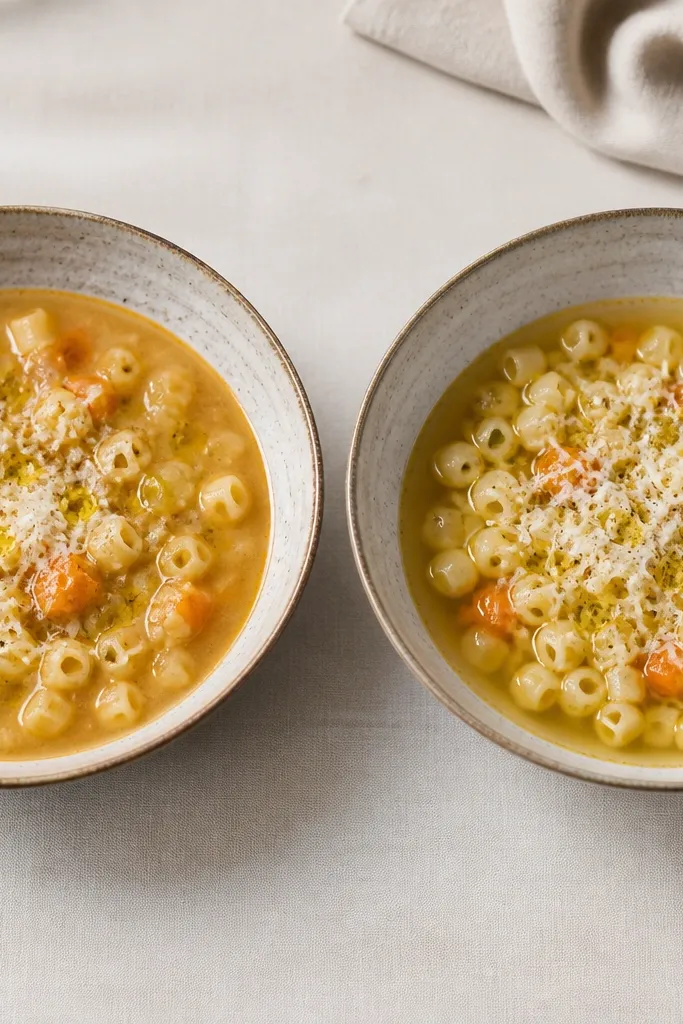
This is the practical choice you need. Cooking pasta in the soup is fastest, but leftovers thicken and pasta softens. Cooking pasta separately keeps texture consistent and makes reheating easy. Once you see the difference, you can pick the method that matches your schedule.
For separate cooking, boil pasta in salted water until 1 minute underdone, then drain and stir into each bowl. Reheat soup base to simmering, then add pasta. For in-pot method, cook pasta last and serve immediately.
Try thisIf you meal prep, cook pasta separately - it's the simplest texture win I've found.
One warningReheating pasta that sat overnight in the soup turns it into a paste.
7. Rustic garnish: parsley and pepper without overdoing it
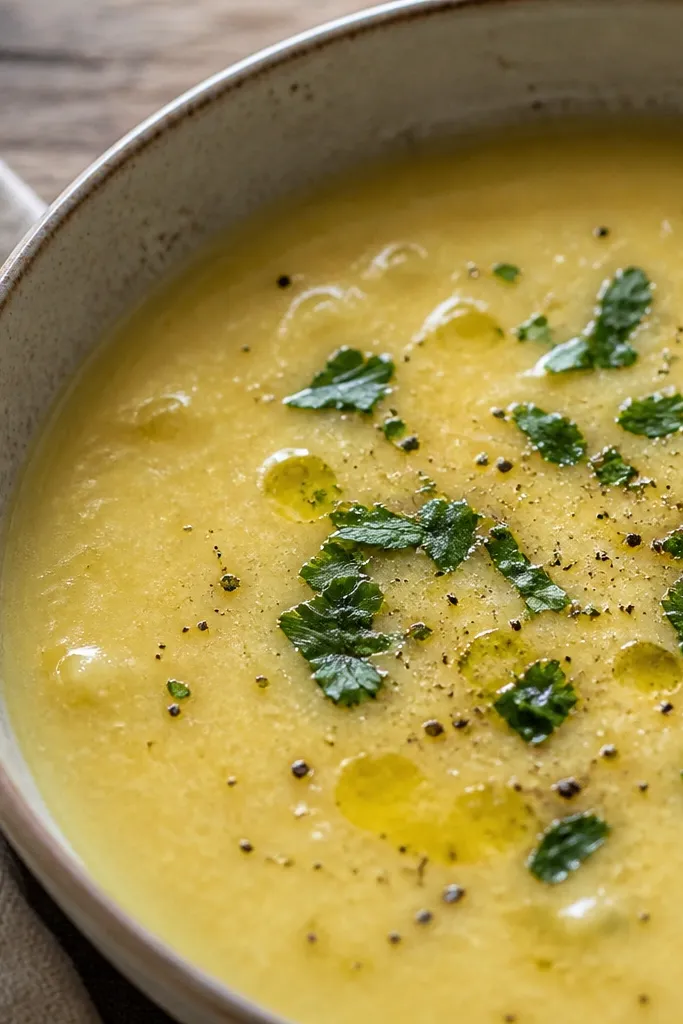
Parsley adds a clean green note that makes the creamy soup feel lighter. Black pepper adds sharpness that cuts through the bean sweetness. I keep the garnish small because too much green looks like a salad on top of soup, not an Italian finish.
Chop parsley finely so it looks delicate, not chunky. Add it right before serving so it stays bright. Use a light hand with pepper - you want aroma, not a harsh bite.
Try thisStir a tiny pinch of pepper into the soup while simmering, then add a second pinch on top for aroma.
One warningAdding parsley early makes it dull and makes the soup look gray.
8. Broth color check: creamy beige, not orange-red
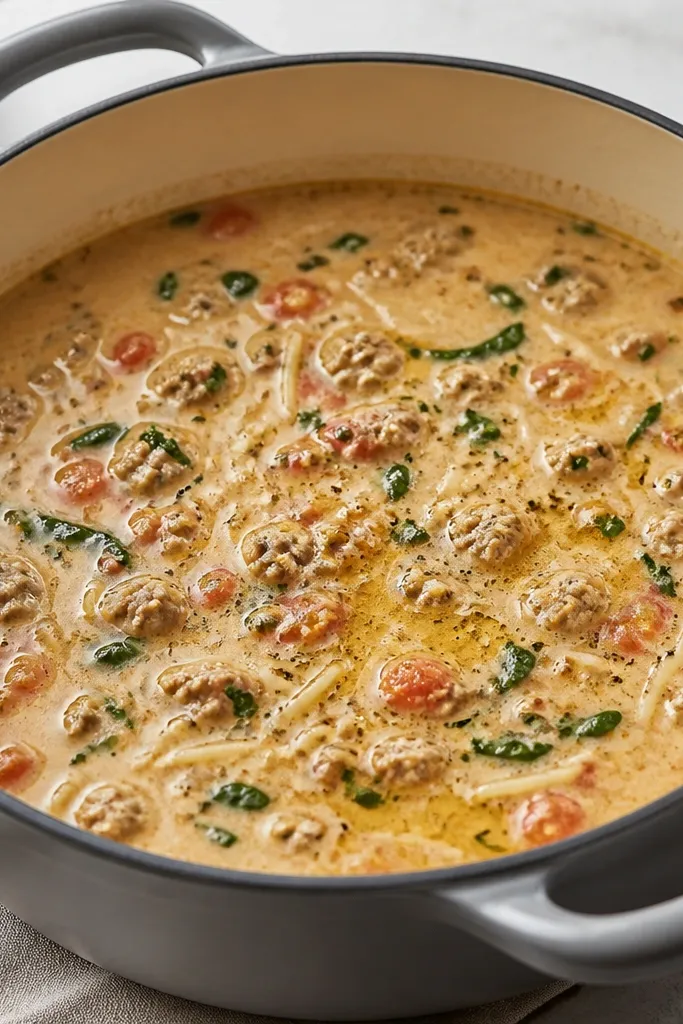
The color tells you if you used the right amount of tomato paste and simmered long enough. Too much tomato makes it orange and sharp; too little makes it pale and flat. Beige with small red flecks looks like you built flavor but didn't drown the beans. That's the visual cue I use when adjusting the pot.
Use tomato paste, 2 tablespoons for a standard batch, and cook it until darker red. Add broth and beans, then simmer so the tomato mellows. If it looks too red after 15 minutes, add a ladle of bean liquid to soften the color.
Try thisTaste early at the 15-minute mark. If it's too tomato-forward, extend simmer time and add bean liquid.
One warningDumping in canned diced tomatoes changes the whole style and makes it taste like pasta and beans.
9. Garlic-celery-onion ratio you can repeat
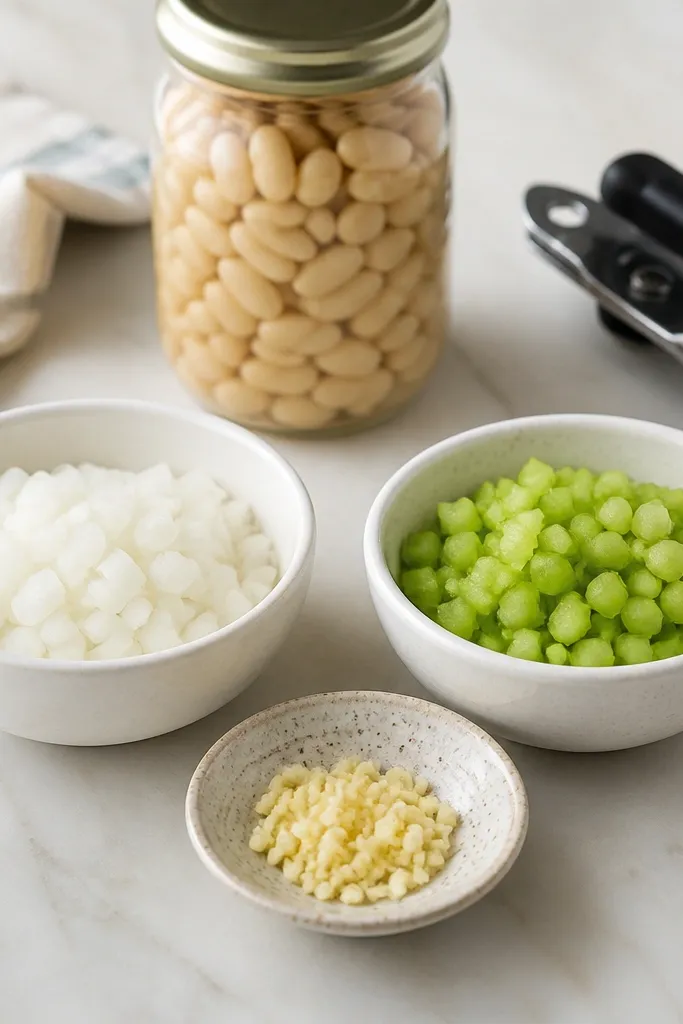
Uniform dice cooks evenly, so you get sweetness without crunchy bits. I keep the ratio simple so the soup tastes consistent every time. Onion brings sweetness, celery adds a clean savory edge, garlic gives aroma without taking over. When the dice size is right, the broth ends up smooth with visible bean texture.
For one pot, use 1 medium onion (about 1 cup diced), 1 stalk celery (about 1/2 cup diced), and 3 cloves garlic (minced). Cut everything small so it softens during browning. Stir often so the edges brown without burning.
Try thisIf your onion is watery, cook 2 extra minutes until the pot looks glossy and dry.
One warningLarge chunks of onion make the soup taste uneven and look messy.
10. Serving on a warm plate so it stays creamy
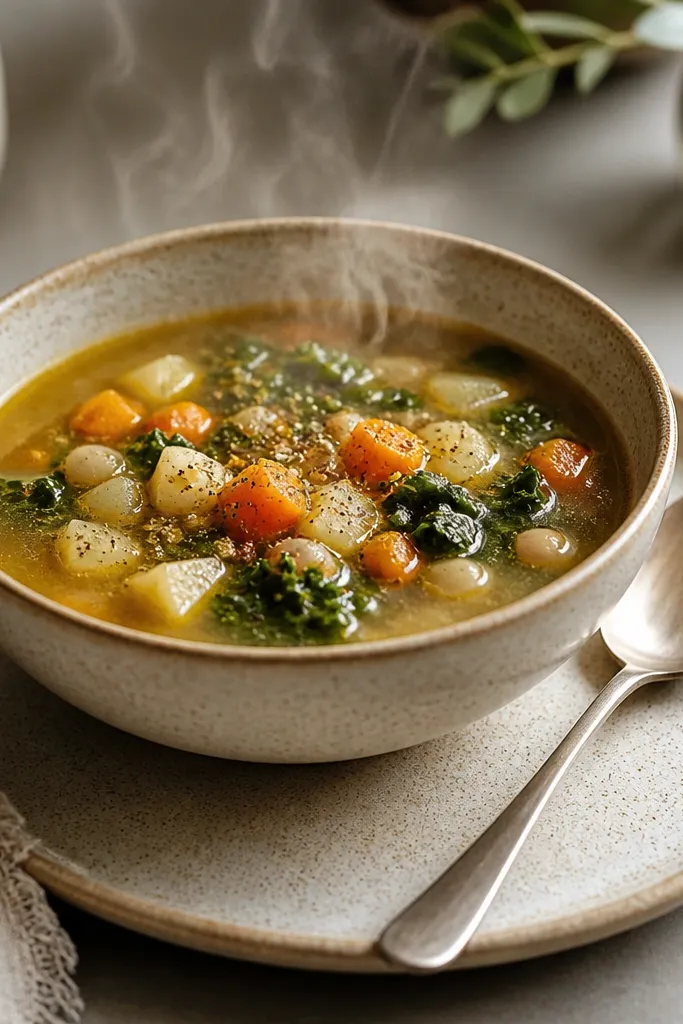
Temperature changes the texture. When the bowl is cold, the olive oil sheen dulls and the soup thickens too fast. Warm plates keep the surface glossy and make the cheese melt better. The result looks like something you cooked slower than you did.
Warm bowls in the oven at 200°F for 5 minutes while the soup finishes. Pour hot soup, add cheese, then drizzle olive oil. Serve immediately so the pasta stays springy.
Try thisIf you don't have time to warm bowls, rinse them with hot water and dry quickly.
One warningLetting the soup sit uncovered for 20 minutes makes the surface skin and dulls the look.