1. Cream Bowl + Terracotta Rim Roman Table
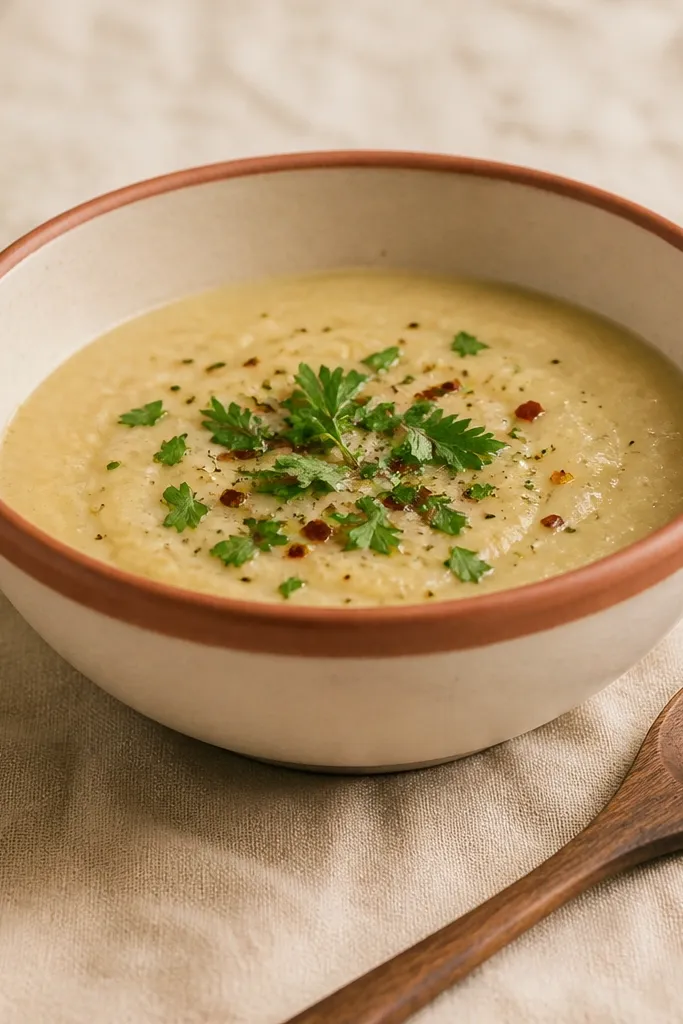
This look works because the off-white bowl makes the bean color pop without turning the dish into a brown blob. Terracotta on the rim adds that Rome street-cafe warmth, and matte ceramics photograph better than glossy ones - the soup surface still looks glossy, but the bowl doesn't glare. The wooden spoon adds a real, lived-in texture that makes the whole table feel like someone ate here, not like a set was built for a photo.
Use a soup bowl in cream or ivory that has a slightly thick base. Pick a terracotta napkin or a terracotta placemat so the rim color echoes around the bowl. Garnish with chopped parsley (about 1 tablespoon per bowl) in the center, then add red pepper flakes right before serving.
Try thisWarm your bowl by filling it with hot tap water for 30 seconds, then dump it and ladle the pasta fagioli in. The sheen stays smoother on the surface.
One warningAvoid shiny gold-trim bowls - they reflect kitchen light and make the soup look dull.
2. Deep Green Bowl with Olive Oil Sheen
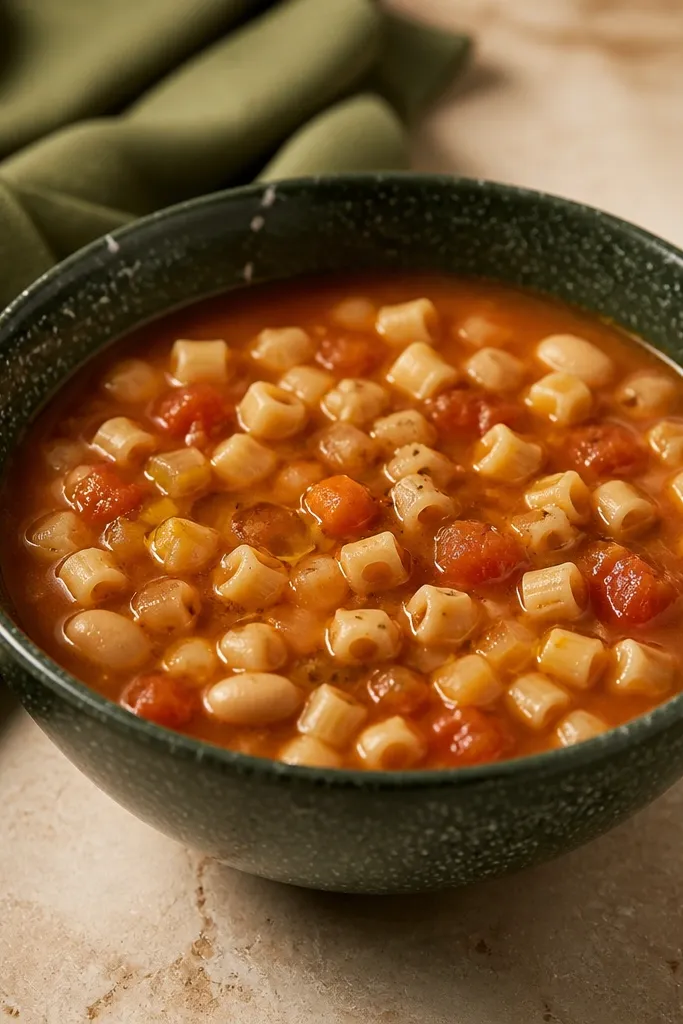
Deep green gives you instant contrast with the pale pasta and the creamy beans. When you finish the pot with olive oil, you get a light gloss that catches the side lighting - that's the difference between "pretty soup" and "authentic Italian bowl." The speckle pattern keeps it from looking too uniform, which feels more like hand-finished ceramics you'd see in Rome.
Choose a bowl that's at least 6 inches wide and holds about 16 ounces. Olive napkins look best when they're linen or cotton with a slightly rough texture. Add a teaspoon of olive oil to each bowl after ladling, then garnish with parsley near the center.
Try thisUse side lighting from a lamp placed 18-24 inches to the left or right. Don't shoot straight overhead - the oil sheen disappears.
3. White Enamel Look with Blue Stripe Napkin
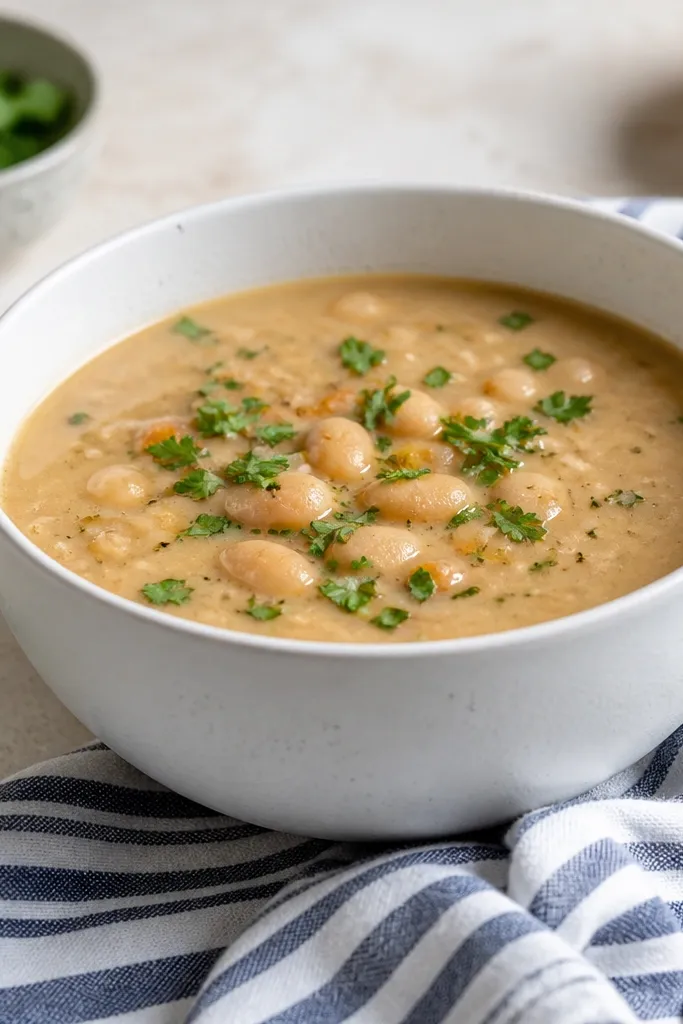
White enamel-style dishes make the soup look clean and comforting, like a kitchen bowl you'd use every day. The blue stripe adds a Mediterranean cue without competing with the warm bean color. This is the aesthetic when you want the meal to look practical and homey, not fancy.
Pick a bowl that looks like enamel - slightly speckled, not glossy. Use a blue stripe napkin and keep the rest of the table neutral (cream placemat or plain wood). For garnish, leave a few pasta pieces visible on top so the plate reads "pasta fagioli," not "bean stew."
Try thisStir the pot, then ladle without over-mixing the final minute. You want some visible pasta shapes on the top layer.
One warningDon't use bright neon napkins. The soup looks washed out against them.
4. Terracotta Tile Charger + Rustic Clay Bowl
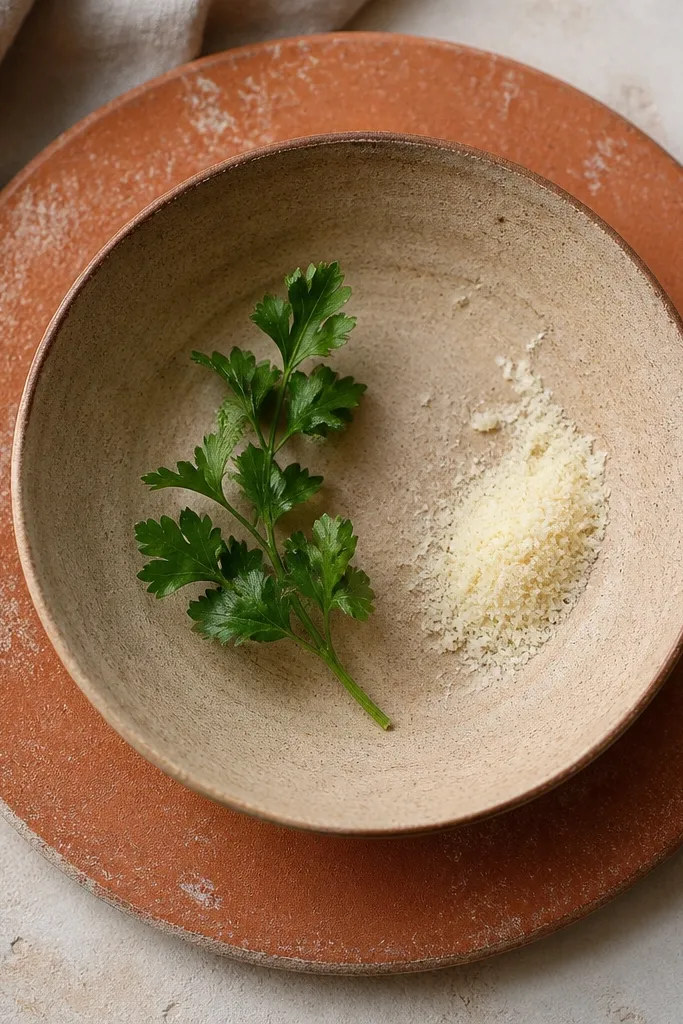
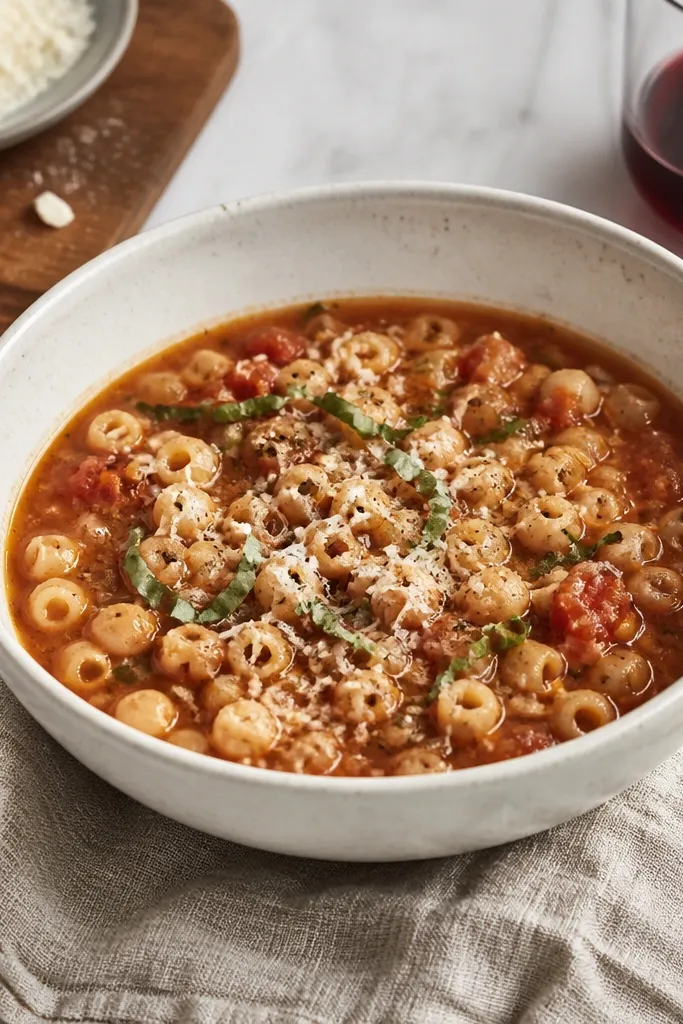
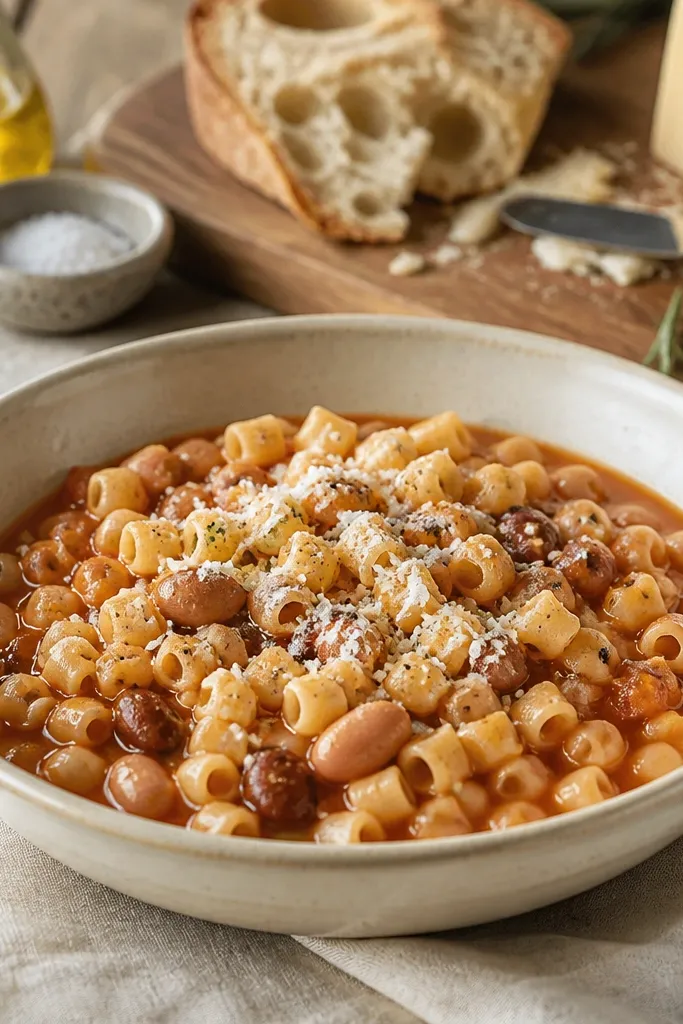
The tile charger adds a floor-like texture that instantly reads "Italy" to my eye. Rustic clay bowls have tiny color variations that make the soup look more dimensional. If you put a small mound of cheese beside the bowl, it signals how people actually eat pasta fagioli in Italy - add it if you want, not as a mandatory topping.
Use a charger in terracotta or a clay-toned plate, then set a rustic bowl on top. Let the charger show around 1-2 inches on all sides. Serve with a small dish of grated Parmigiano-Reggiano (or Pecorino Romano if you like it sharper).
Try thisGrate cheese fresh on a box grater right before plating. Pre-grated cheese looks dry and changes the whole visual.
5. Brown Paper Table Runner + White Bowl Contrast
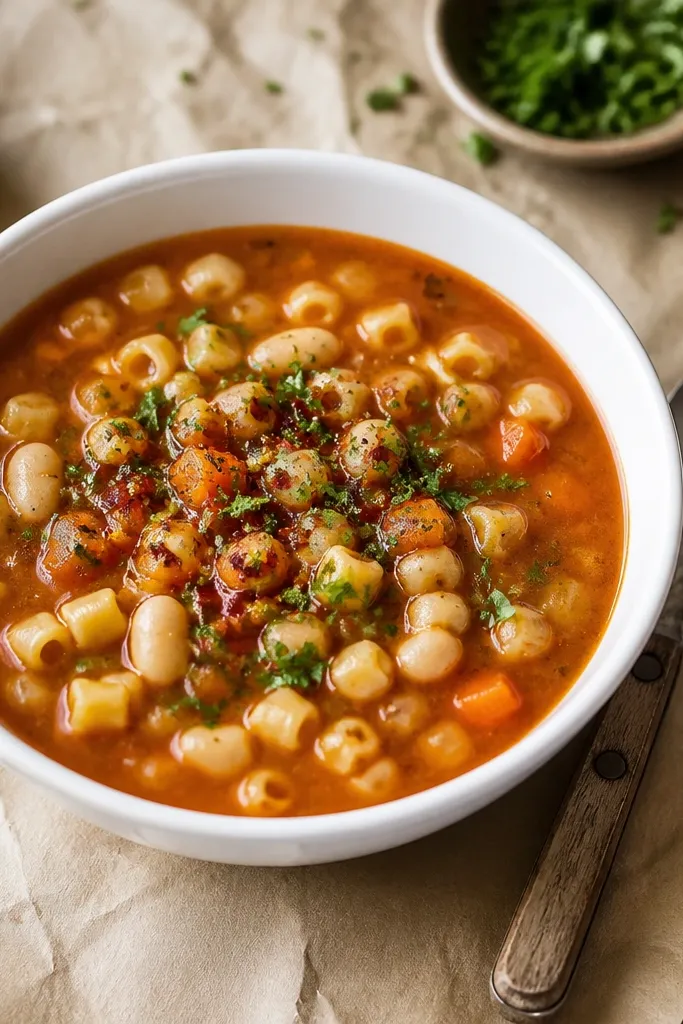
Kraft paper is a cheat code for warmth. It makes warm food tones look richer and it photographs like a trattoria table surface. Pair it with a white bowl so the dish stays the hero. This aesthetic is also forgiving - if you're serving imperfectly, kraft paper hides it better than a pristine tablecloth.
Cut kraft paper so it sits under the bowl and extends 2-3 inches past the edges. Use a napkin in off-white or a muted beige so you don't fight the paper. Garnish with parsley and a small pinch of red pepper flakes that you place from a height of about 6 inches.
Try thisWipe the bowl rim with a damp cloth before you plate. One clean rim makes the whole rustic look feel intentional.
One warningAvoid heavy patterned runners. The table gets busy and your soup details disappear.
6. Linen Napkin Folded Like a Trattoria Place Setting
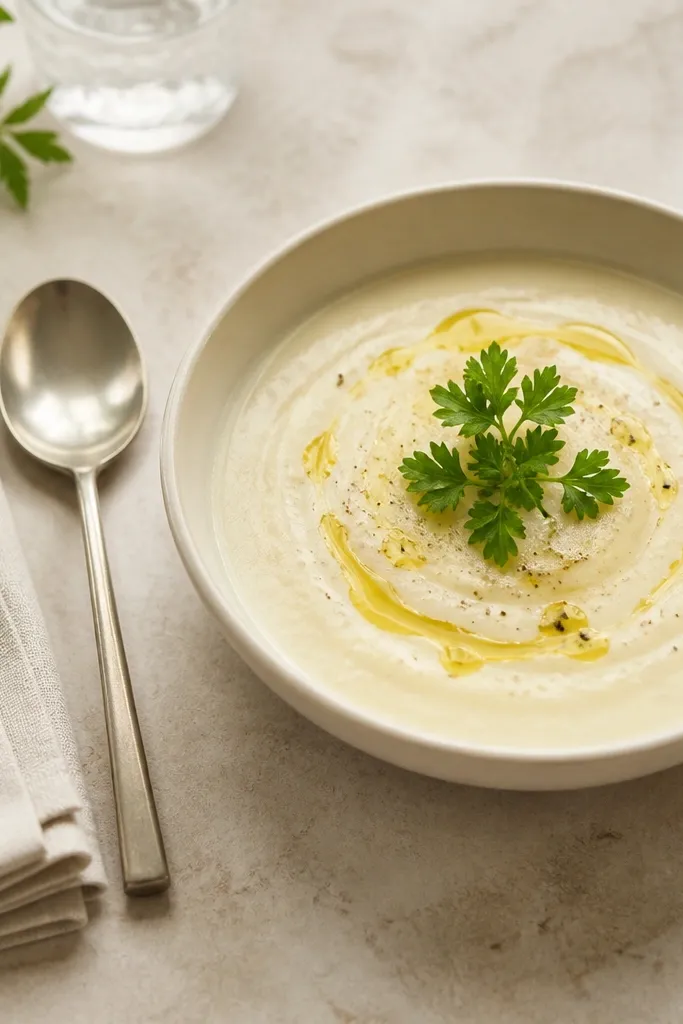
This one is about the frame. A simple linen napkin fold makes the whole setting look handled by real people. When the napkin is off-white, it doesn't steal attention from the soup, and the texture hides small stains you might get from cooking. The spoon placement adds a calm, intentional rhythm.
Fold a linen napkin into a rectangle about 8x5 inches, then place it beside the bowl so the bottom edge lines up with the bowl's base. Use a spoon with a warm metal tone or wood handle. Finish the soup with olive oil and parsley in the center so the top looks lush.
Try thisPress the napkin with your hands, not an iron. Slight wrinkles read more natural in photos.
One warningSkip paper towels. They flatten the aesthetic fast.
7. Warm Wood Table + Black Pepper Speckle
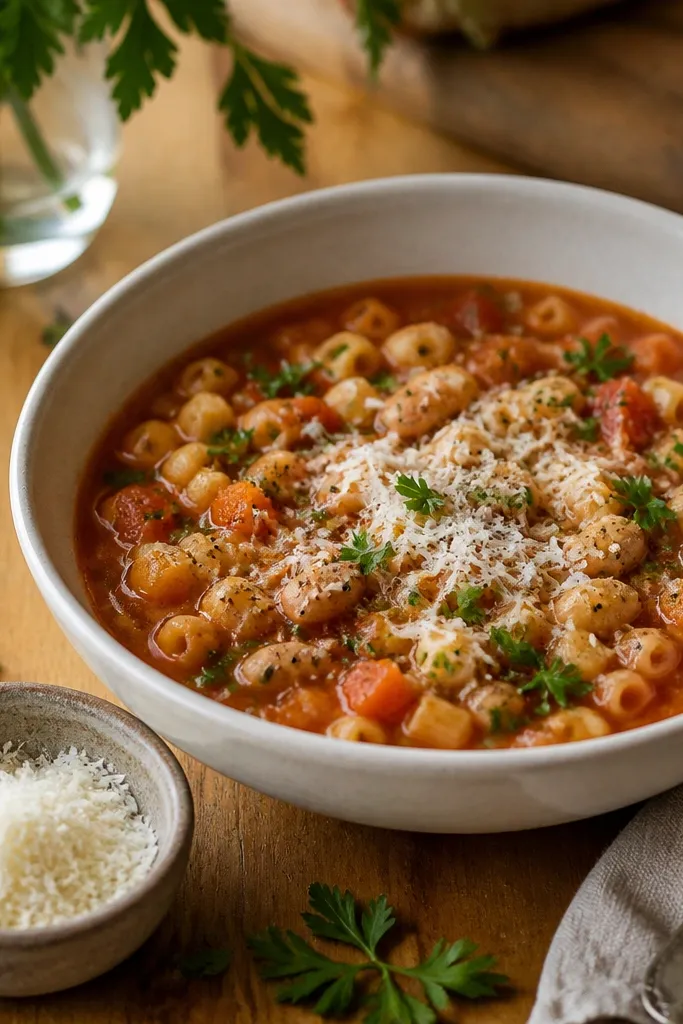
Warm wood makes the bean color feel cozy instead of heavy. Black pepper specks add micro-contrast - you see them when the light hits, especially if you grind pepper right before serving. Pair with a neutral ceramic bowl and a small side dish so the table feels like an actual meal, not a single plate moment.
Use a wooden table or a wood-look board. The bowl should be plain - cream, ivory, or light beige. Add freshly ground black pepper at the last second, then garnish with parsley. Keep the side cheese dish small, like 3 inches wide.
Try thisGrind pepper over the bowl with the grinder 8-10 inches above the surface so you get an even dusting.
One warningDon't use pre-ground pepper. It looks gray and dull on top.
8. Small Side Dish for Cheese + Lemon Zest Sprinkle
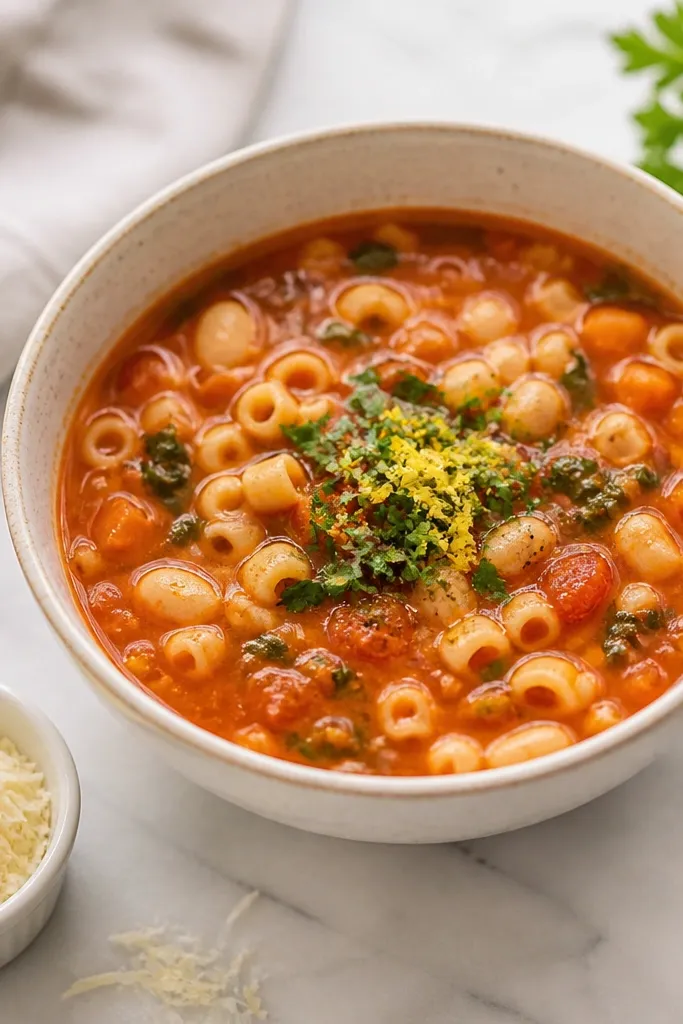
A side dish makes the meal feel interactive. Cheese in a ramekin tells you the eater can choose their level of salty depth, which matches how I've seen pasta fagioli served when someone wants it extra. Lemon zest is subtle in flavor but obvious in color - it lifts the bowl visually without turning it into a citrus soup.
Use a tiny ramekin for cheese and place it slightly forward of the main bowl. Zest a lemon over the soup in one quick pass, then add parsley. Keep the zest amount small - you want a faint speckling, not a bright yellow layer.
Try thisUse a microplane for zest so the pieces stay tiny and look like seasoning, not garnish.
One warningDon't add lemon juice. It changes the soup color and can dull the bean sweetness.
9. White Bowl with Red Table Accents
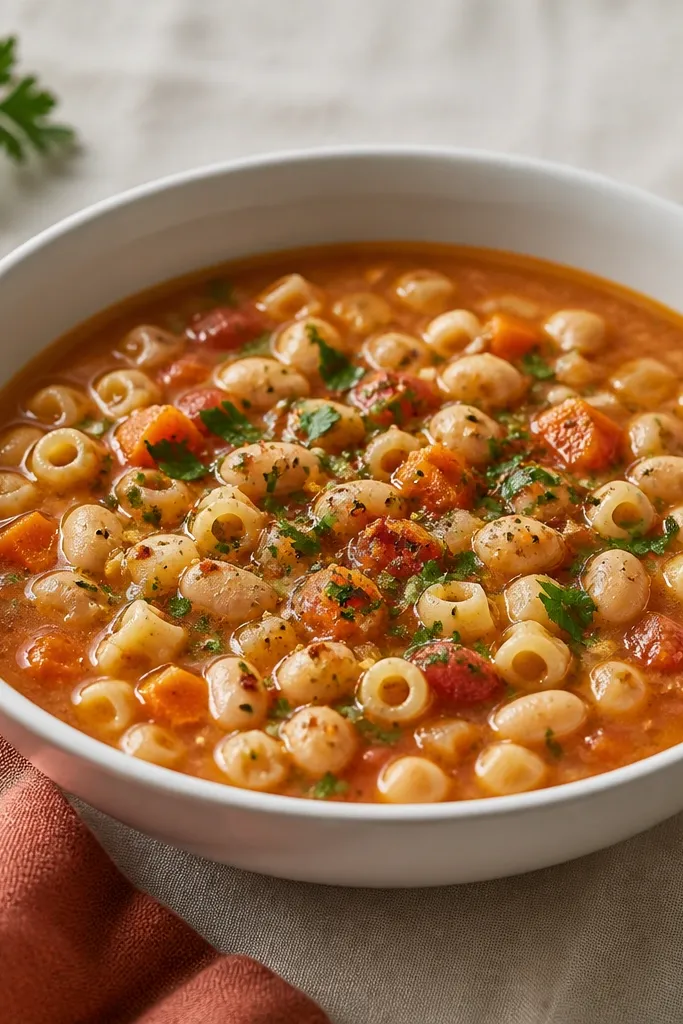
Red accents make the red pepper flakes look planned instead of accidental. White bowl keeps it clean so you can see the pasta shapes and bean texture. This aesthetic is great for colder nights because it makes the table feel warmer even in indoor lighting.
Pick a muted red napkin or a small red placemat, not a bright cherry tone. Garnish with red pepper flakes last so they stay red and not dark. Keep parsley centered and use a ladle that doesn't overfill - about 3/4 full looks best.
Try thisIf your flakes look too sparse, add a pinch, then tap the bowl gently. It spreads without messing up the parsley mound.
One warningAvoid mixing red with too many other colors. Two accents are enough.