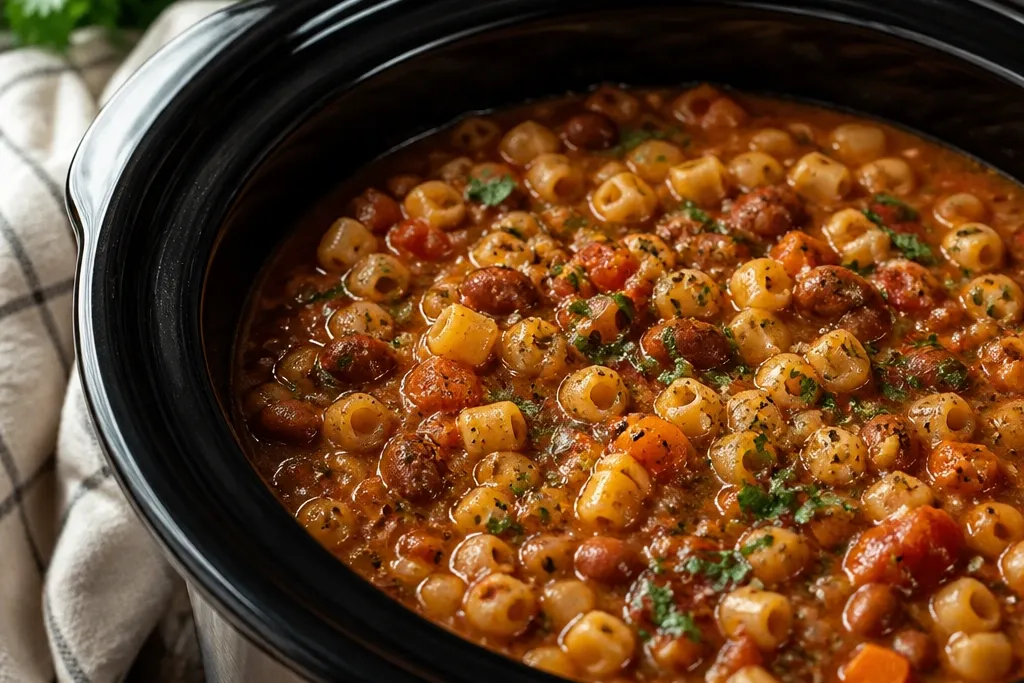
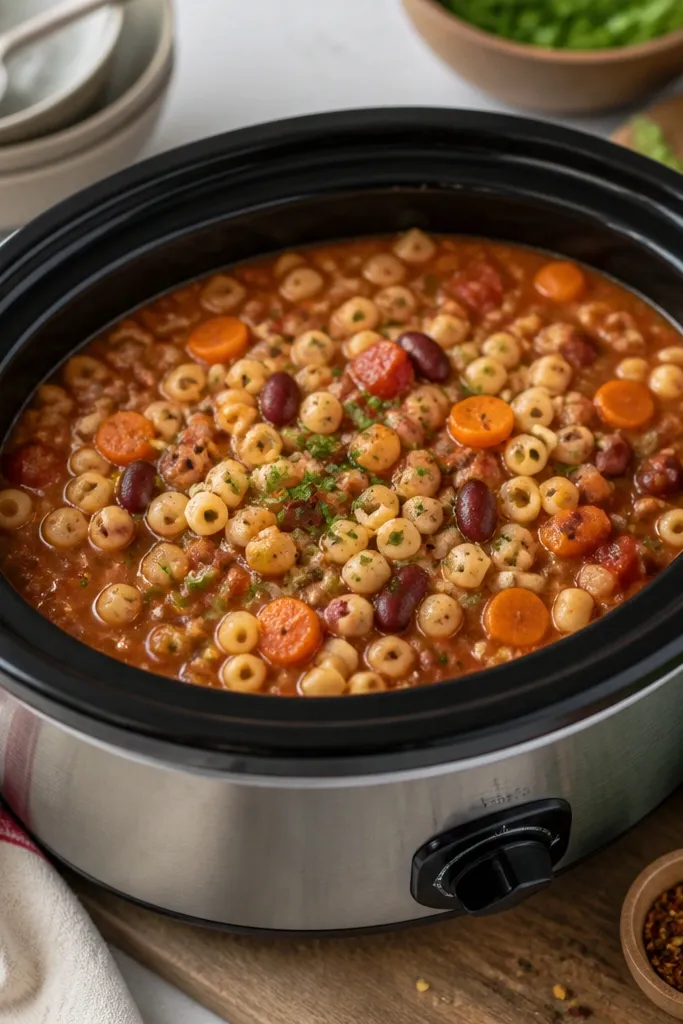
1. Brick-Red Tomato Base with Glossy Oil Swirl
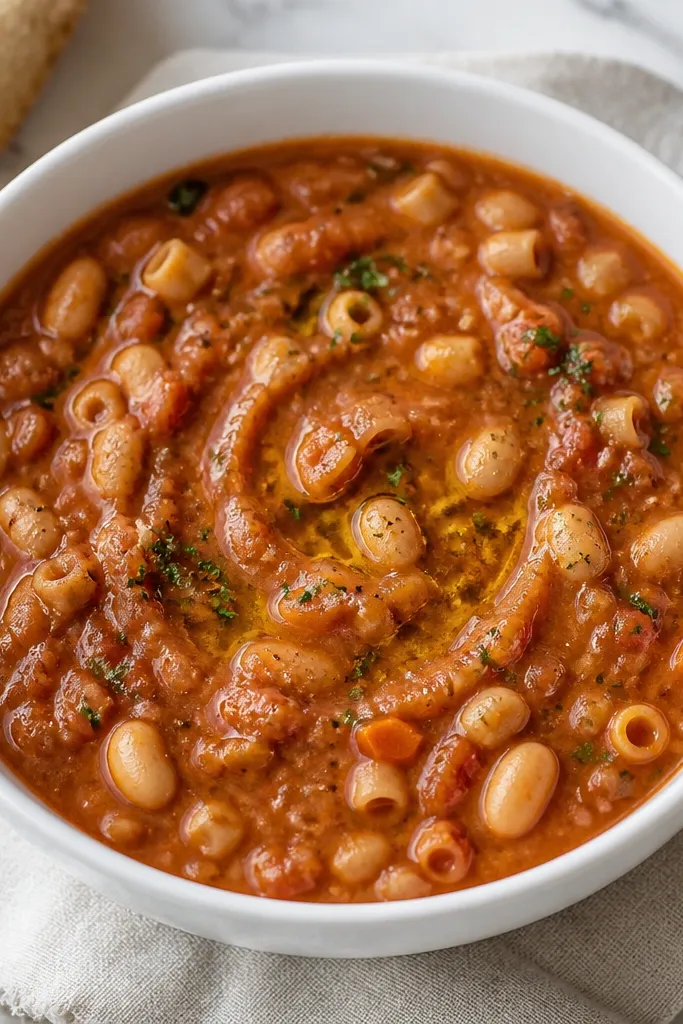
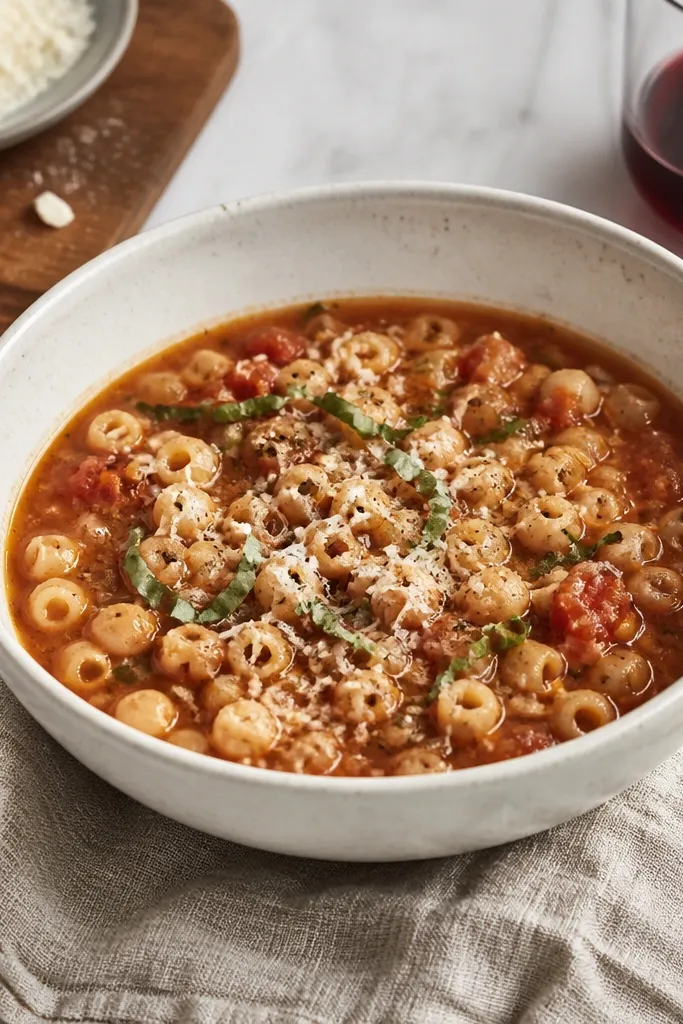
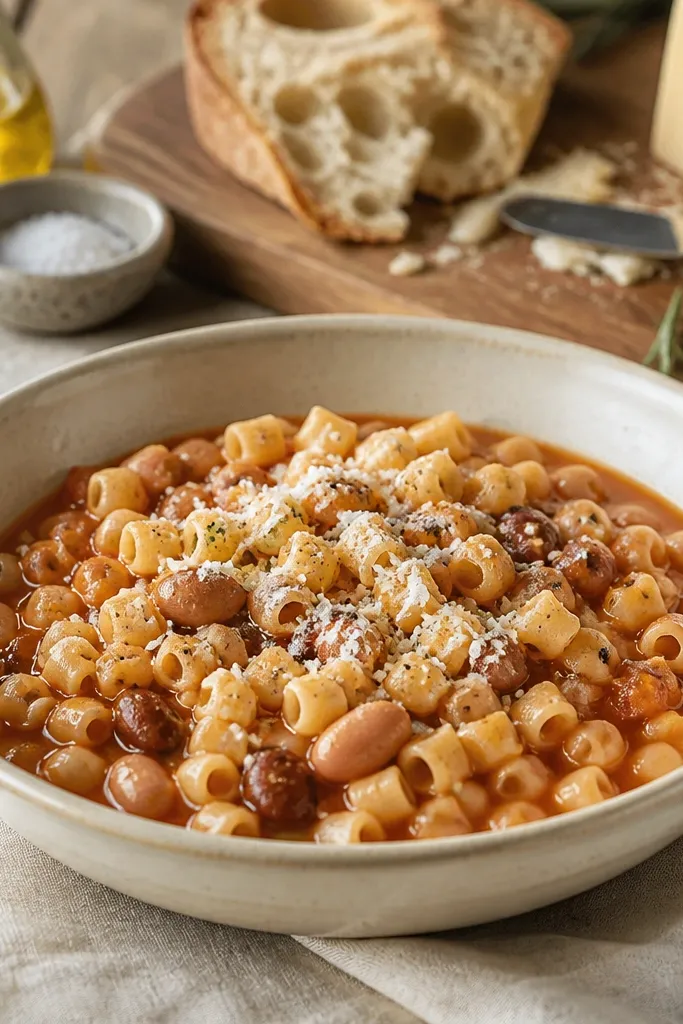
You get that "I cooked all day" look when the sauce is thick enough to hold shape. Brick-red crushed tomatoes create the color, then the bean mash gives it body so the surface doesn't look watery. Olive oil on top reflects light and makes the whole bowl look fresh even if it's been sitting hot in the crockpot.
Use crushed tomatoes that look deep red, not watery. Stir the sauce after mashing beans so it turns uniformly thick, then ladle into a wide bowl. Finish with a teaspoon of olive oil drizzled in a tight circle so it forms a visible swirl.
Try thisAdd the olive oil at the last minute, right before serving, instead of mixing it in - it keeps the sheen.
One warningDon't serve a thin soup - if it runs like broth, it will look cheap even if it tastes okay.
2. Parmesan Cloud Crown
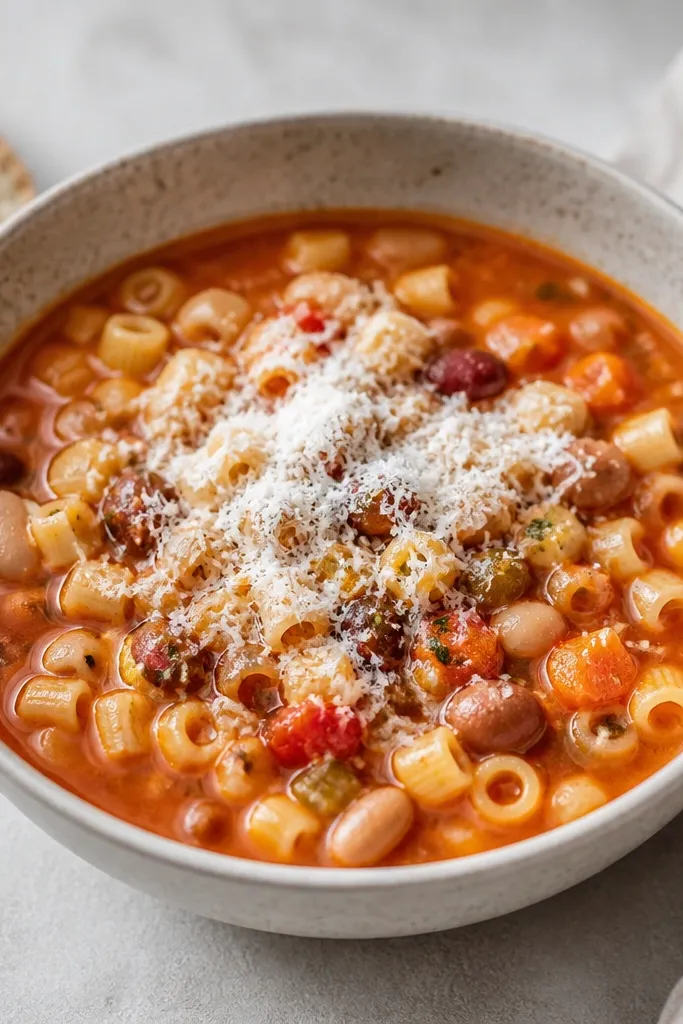
Parmesan looks like a soft crown when it's finely grated and applied in a light layer. It also helps the surface steam up just a bit, which makes the bowl look freshly plated. The flavor lands too - the salt hits first, then the tomato and beans follow.
Use a microplane or the small holes on a box grater for a fluffy, powdery texture. Grate about 2-3 tablespoons per bowl. Add it right as the bowl hits the table so it doesn't melt into a wet film.
Try thisGrate parmesan cold from the fridge - it stays dry and fluffy instead of clumping.
One warningAvoid pre-grated parmesan dust - it melts flat and looks dull.
3. Pepper Speckle with Dark Green Herb Flecks
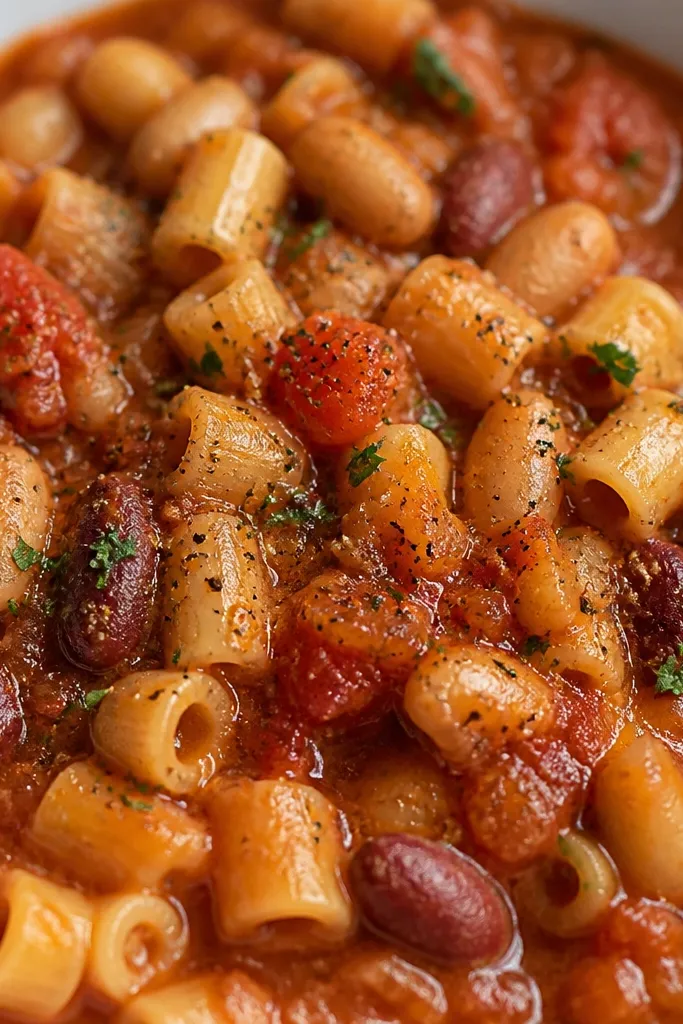
Black pepper specks add contrast that makes the bowl look more appetizing. The green flecks read like freshness - even if the sauce cooked for hours, the top garnish tells your eye "this is just finished." I use dried oregano or chopped parsley depending on what I have, but I keep the garnish light so it doesn't look like a salad dump.
Use a pepper grinder for uneven specks instead of pre-ground. For herbs, sprinkle 1-2 teaspoons chopped parsley or a pinch of dried oregano over the top. Keep it concentrated in the center so it draws the eye to the spoon.
Try thisToast dried oregano for 30 seconds in a dry pan, then crush - it smells stronger and looks brighter after sprinkling.
One warningDon't drown the surface - heavy herb piles look messy and hide the sauce color.
4. Bean-Mash Swirl for Thick Spoon Lines
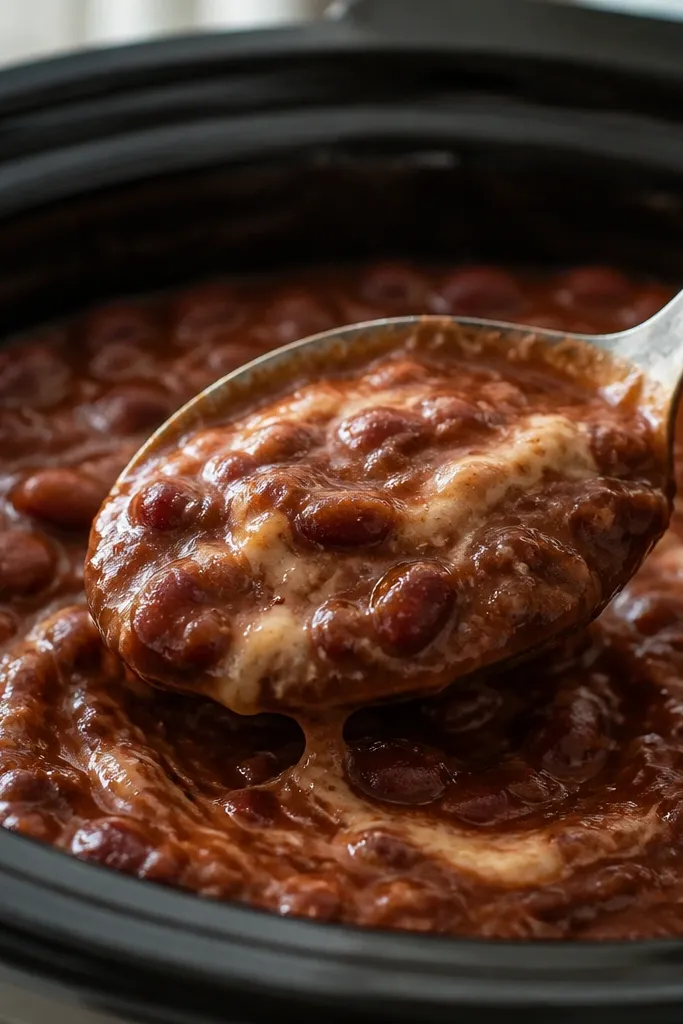
The visual cue of thick pasta fagioli is slow-moving sauce. Bean mash creates lighter streaks that show thickness without needing cream or flour. When you stir and ladle, those streaks break up the red into a more textured, homemade look.
At about 2 hours on Low, scoop out 1/2 cup beans (and a little sauce) and mash with the back of a spoon. Stir it back in until it disappears into the pot. You're aiming for a sauce that coats the spoon and leaves a line for a second.
Try thisIf it looks thin after mashing, keep cooking with the lid on for 30 minutes before adding anything else.
One warningDon't add pasta too early - it thickens first, then breaks down and makes the pot look cloudy.
5. Carrot-Edge Softening for Golden Spots
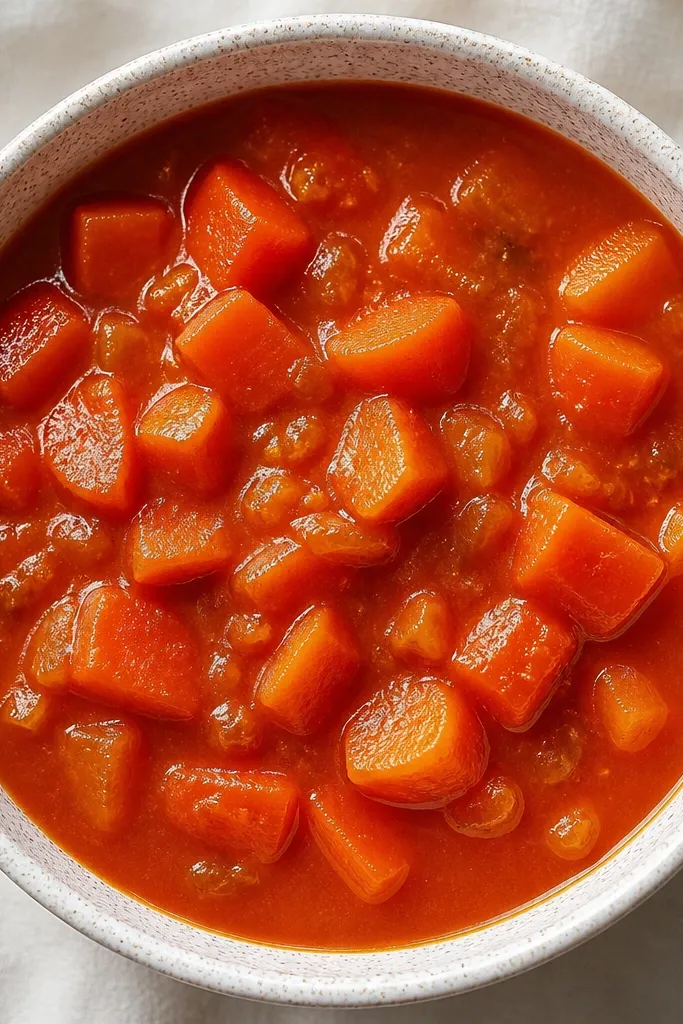
Carrots add tiny golden spots that make the bowl look layered instead of one-note red. When they soften in the crockpot, their edges round off and blend into the sauce, which makes everything feel slow-cooked. You're not trying to make carrot chunks stand out; you want them to disappear into tenderness.
Slice carrots into 1/4-inch coins so they cook down. Add them with the onion and garlic at the start so they spend the early hours getting sweet. Stir once halfway through so they don't cling to the sides.
Try thisIf your carrots are already soft, cut them a bit thicker so they don't vanish completely.
One warningAvoid big carrot pieces - they stay firm and make the dish look uneven.
6. Pasta Shape Choice that Holds Its Bite
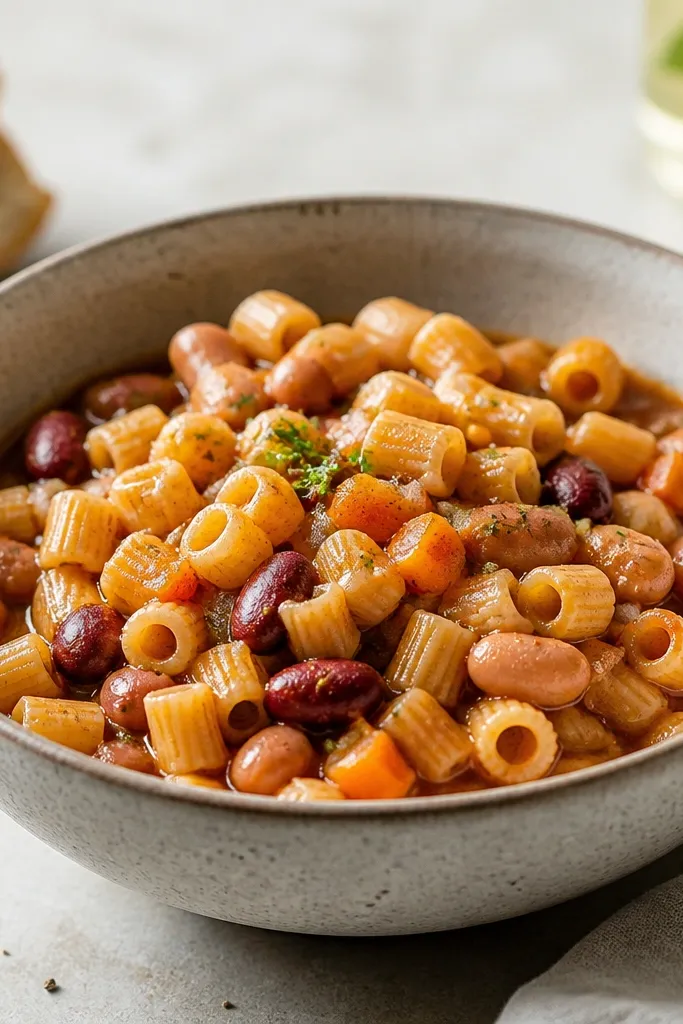
Short pasta looks best because it sits neatly in the bowl and keeps shape as it cooks. I like ditalini or small shells because they catch sauce on the ridges. When the pasta holds its bite, you see defined pieces instead of a mushy layer.
Add pasta in the last 60-90 minutes on Low so it cooks without over-softening. If you're using a smaller crockpot and cooking faster, start checking at 60 minutes. Stir once halfway so pasta doesn't stick to the bottom.
Try thisCook the pasta until it's just under tender, then let it finish in the sauce with the heat off for 10 minutes.
One warningDon't use long spaghetti - it tangles and looks chaotic in a thick bowl.
7. Parmesan Rind Threaded Through the Pot
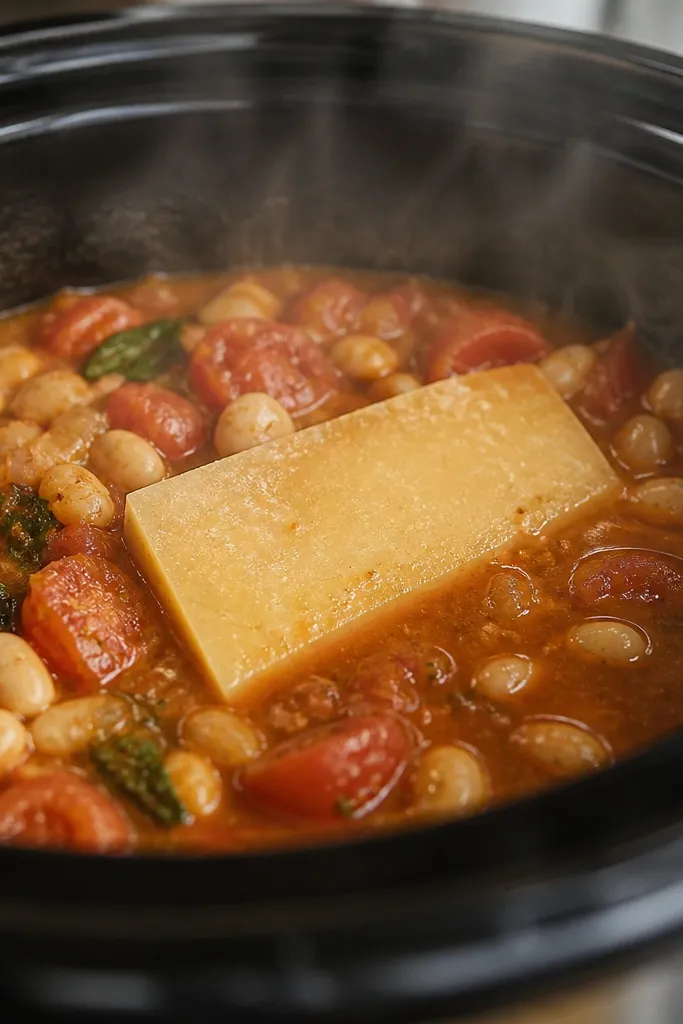
A parmesan rind changes the smell and the depth. Visually, it looks like a pale strip tucked into the sauce, and it disappears later when you remove it. You get that long-cooked savory flavor without grinding extra cheese into the pot early.
Drop a rind into the crockpot during the first half of cooking on Low. Give it one stir so it doesn't stick to the bottom. Remove it before adding pasta so it doesn't get chopped up and make the dish gritty.
Try thisIf you don't have a rind, buy a wedge of parmesan and save the rind in the freezer for next time.
One warningDon't leave the rind in after pasta is done - it can turn the texture unpleasant.
8. Small-Space Portioning in a 4-Quart Crockpot
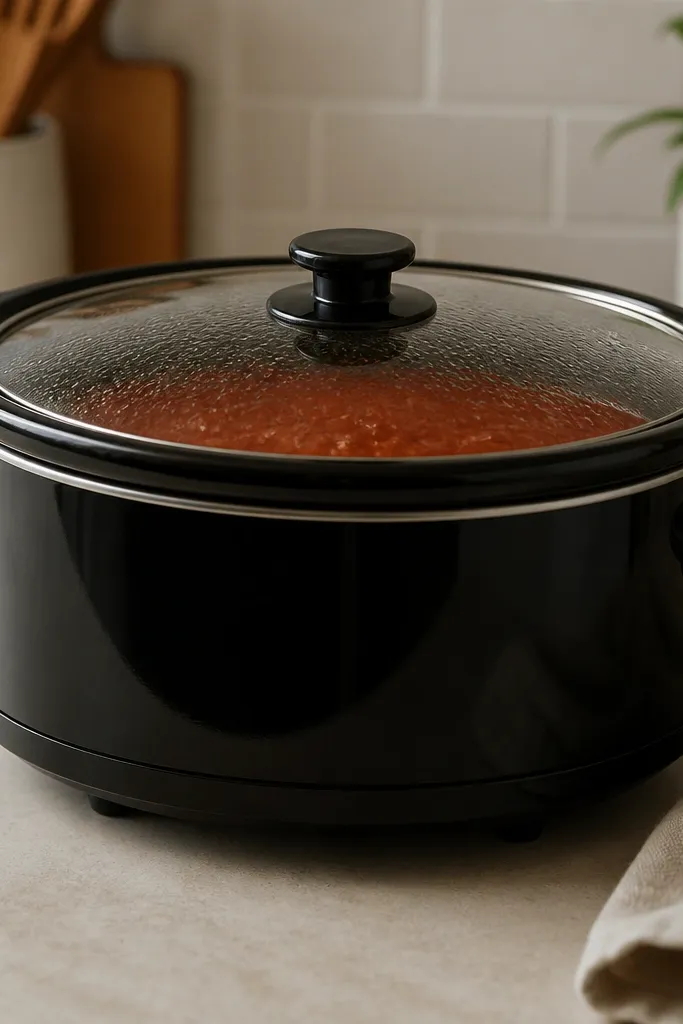
In small kitchens, the look matters because you're likely using a smaller crockpot. Two-thirds full is the sweet spot for even heat and a sauce that thickens properly. When the pot isn't stuffed, steam stays controlled and the top doesn't boil over.
For a 4-quart crockpot, plan on about 1 pound of cooked beans total (canned drained or cooked from dried) and 8 ounces dried pasta added late. Keep the liquid level so it comes about 1 inch below the rim. Stir gently once mid-cook.
Try thisIf your crockpot runs hot, reduce pasta by 1-2 ounces and add it later by 15 minutes.
One warningDon't fill past three-quarters - it makes the top watery and risks boil-over.
9. Serving Plate with White Background Contrast
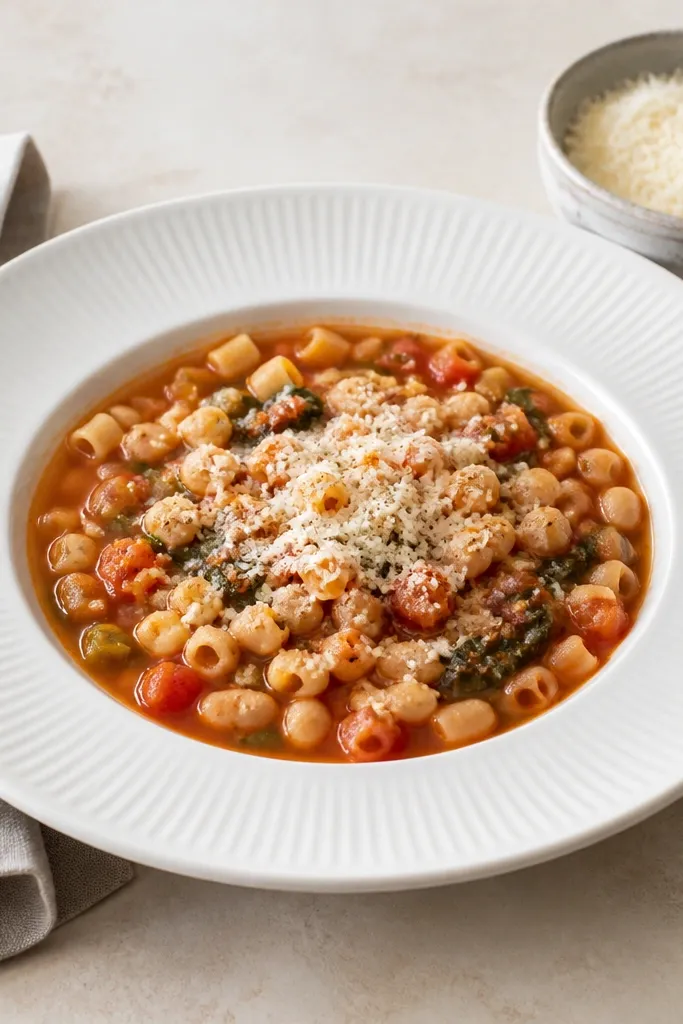
White plates make the red sauce look richer and cleaner. When you pair a thick spoonful with a small side of parmesan, the dish looks intentional instead of like a random crockpot meal. This is the easiest aesthetic upgrade that doesn't change taste.
Use a bowl or shallow plate with a wide rim so the sauce spreads slightly. Put extra parmesan in a small ramekin so people can add more at the table. Keep the garnish simple: pepper and olive oil on the main bowl.
Try thisWarm your plates for 2 minutes in the oven at 200F so the sauce stays glossy longer.
One warningAvoid dark bowls - the red can look muddy and flat.