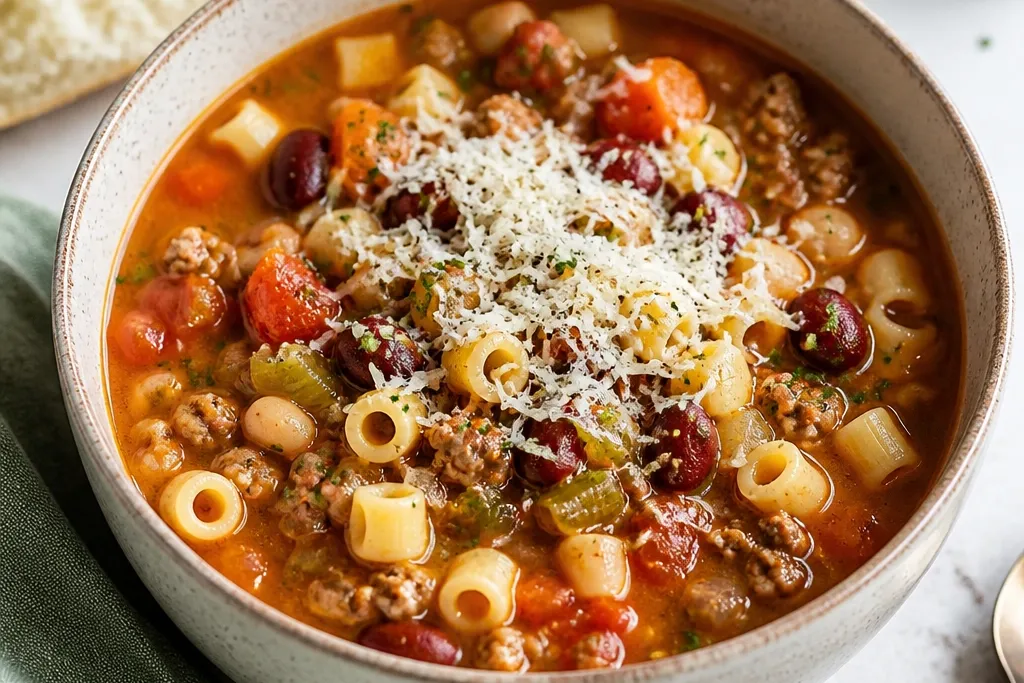
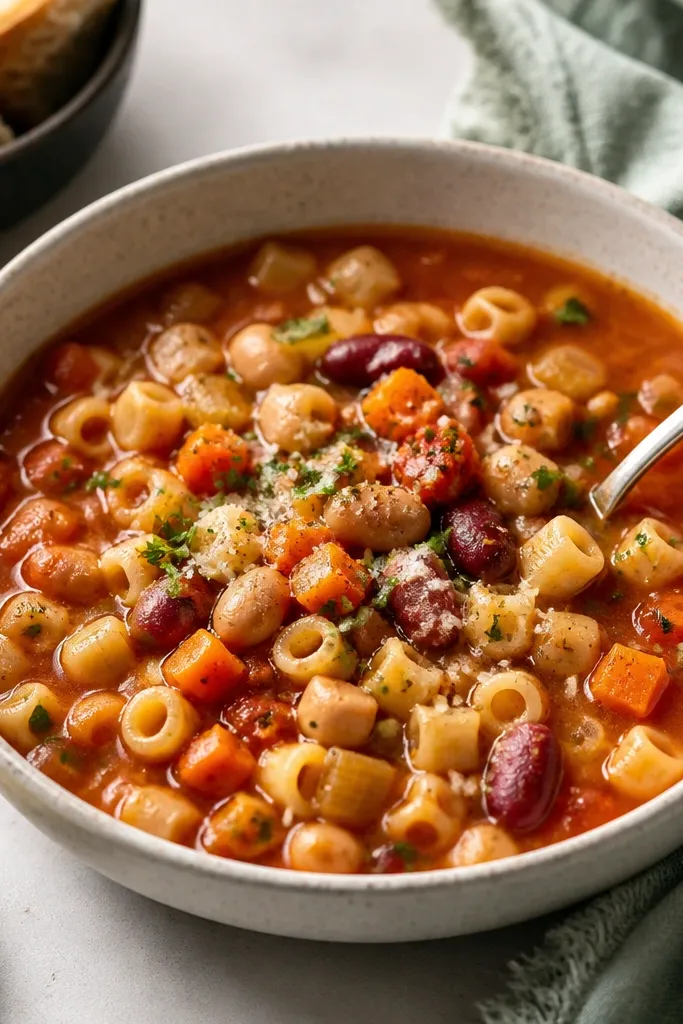
1. Bean-Simmer Base That Looks Creamy, Not Cloudy
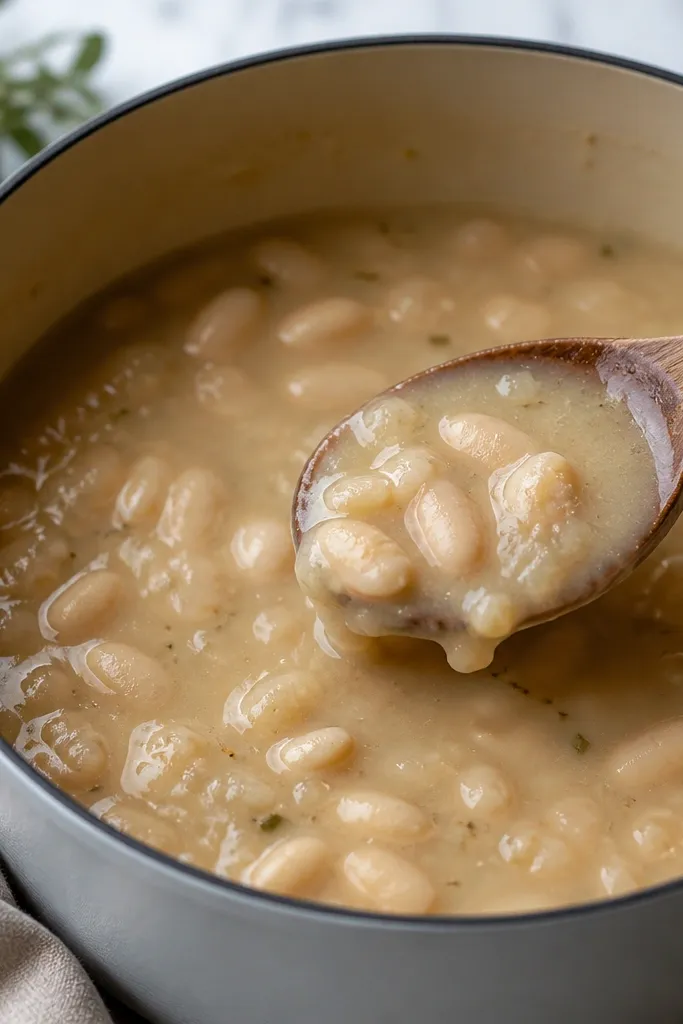
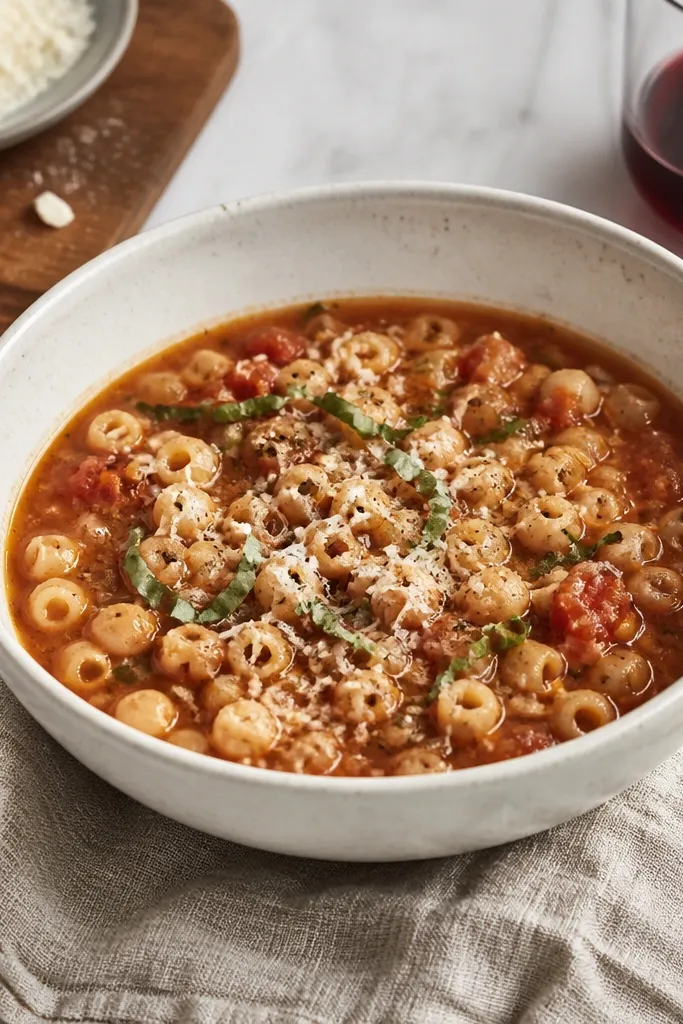
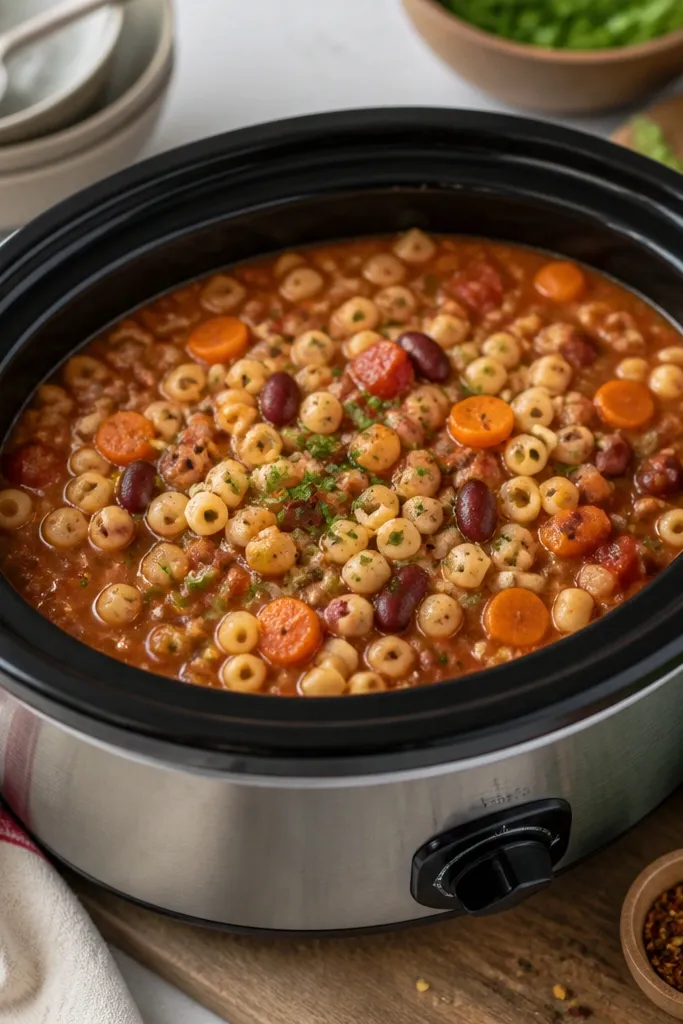
This is the look you want: beige, glossy, and slightly thick so it clings to the spoon. The color comes from cannellini beans plus the onion/garlic base, not from cream or flour. When you mash a handful of beans right in the pot, you get that velvety texture without turning the soup gray or opaque.
Use a heavy pot or Dutch oven so the heat stays even. Simmer the beans at a steady gentle bubble for long enough that skins soften, then mash 1/3 to 1/2 cup with the back of a spoon or a potato masher. Keep the broth consistency like loose gravy before you add pasta.
Try thisIf it looks thin, add 1/4 cup reserved pasta water and stir for 60 seconds - it thickens quickly.
One warningAvoid adding flour or blending everything smooth; it makes the soup look paste-like.
2. Sautéed Onion and Garlic That Gives Off That Warm Aroma
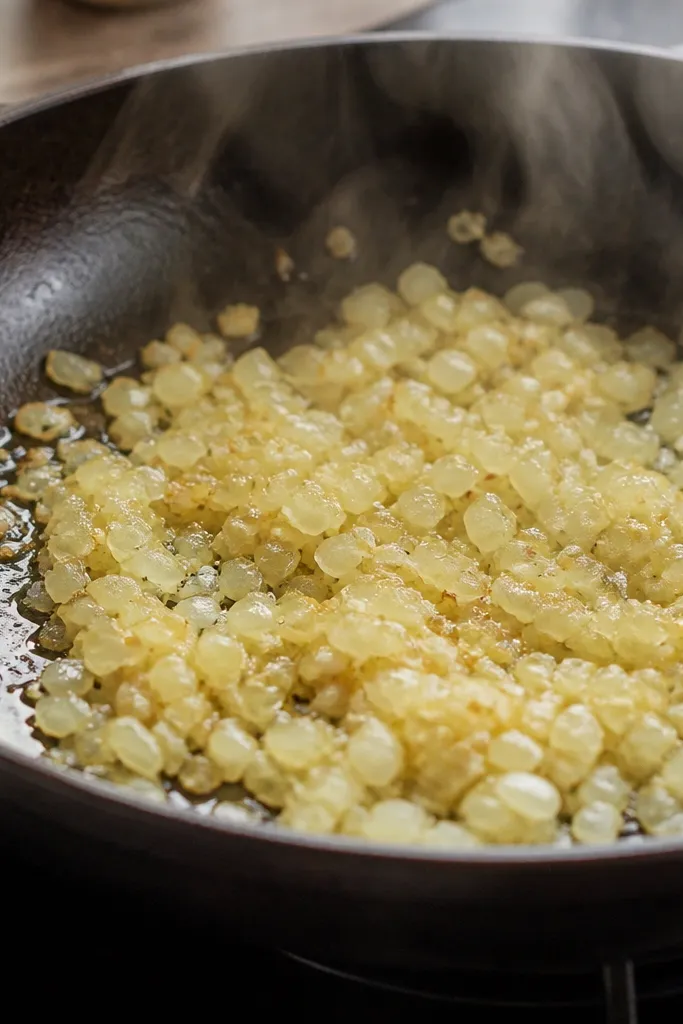
This step creates the deep savory base that makes copycat taste work. Onion should go translucent, not browned - you want sweet, not bitter. Garlic should be fragrant and just starting to turn golden at the edges, which keeps it from tasting harsh in the final bowl.
Dice one small yellow onion (about 1 cup). Cook it in olive oil over medium until soft and glassy, then add 3 to 4 minced garlic cloves for 30 to 60 seconds. Stir constantly so garlic doesn't scorch.
Try thisAdd a pinch of salt while the onion cooks; it pulls moisture out and speeds up the softening.
One warningSkip high heat. Burnt garlic makes the whole pot taste off even if the rest is perfect.
3. Parmesan Rind Finish for That Restaurant-Soup Smell
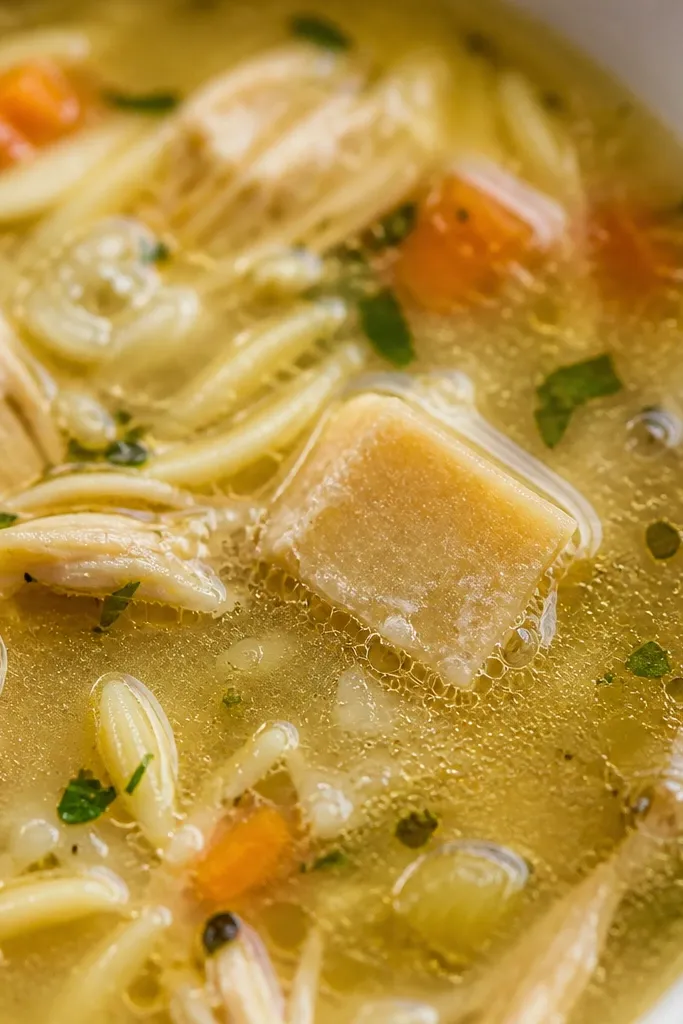
A parmesan rind adds salty-sweet depth and that unmistakable Italian "stockpot" aroma. You're not adding cream; you're dissolving flavor. As it simmers, it melts into the broth and helps the soup taste round instead of just bean-and-onion.
Drop in a cleaned parmesan rind (about 2 to 3 inches) during the bean simmer. Let it cook for at least 20 minutes so it softens. Fish it out before pasta goes in, then grate extra parmesan at the end if you want.
Try thisIf you can't find rinds, use a chunk of hard aged cheese and remove it the same way.
One warningDon't add pre-shredded "parmesan-style" flakes early; they clump and don't melt the same.
4. Greens Stir-In for the 'Plants' Moment
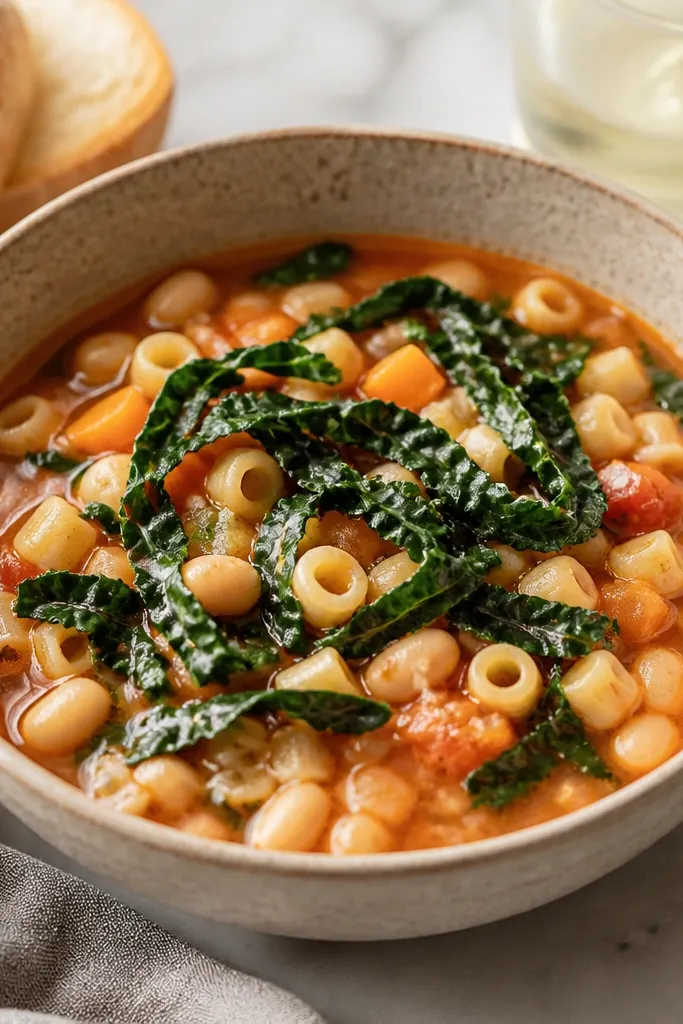
Greens give you the visual pop and the fresh taste that makes the bowl feel alive. Spinach turns silky and dark green fast; kale stays more textured. Either way, adding them at the end keeps color deep and flavor clean.
Use 2 to 3 packed cups chopped spinach or kale. Stir it in during the last 3 minutes after the pasta finishes cooking in the pot. If using kale, slice it thin so it softens quickly.
Try thisAdd greens off heat for 30 to 60 seconds if you want them extra tender.
One warningAvoid boiling greens for 15 minutes. They go dull and the soup looks tired.
5. Paprika and Black Pepper Dust on Top
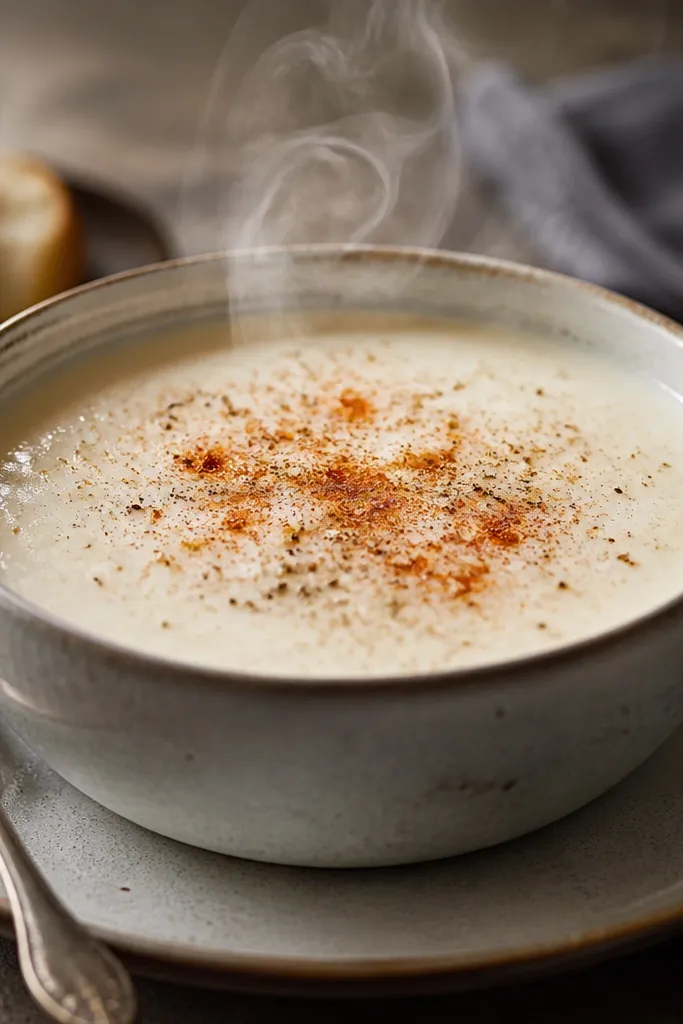
A light dust of paprika and pepper makes the bowl look finished and tastes more aromatic. The paprika adds warm red notes that match the savory broth. Pepper brings bite so it doesn't taste one-note after a few spoonfuls.
Use sweet paprika for a gentle color. Sprinkle just before serving so it stays bright, not soaked. Grate a little fresh parmesan over the top at the same time.
Try thisWarm your bowls slightly so the spice smell hits immediately when the soup hits the air.
One warningSkip heavy chili powder. It changes the flavor direction and makes it look too red.
6. Lemon or Vinegar Brightening at the End
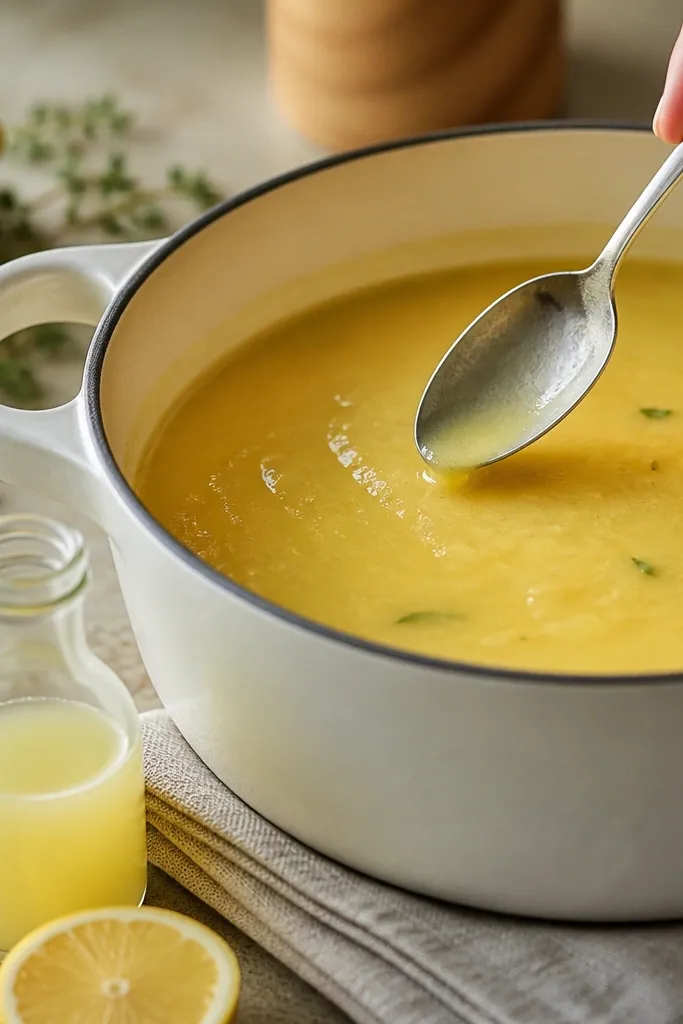
That restaurant-style lift is usually a small amount of acidity added at the end. It sharpens the bean flavor and makes the broth taste less heavy. You also get a cleaner finish in the mouth, which keeps people coming back for another bite.
Add 1 to 2 teaspoons lemon juice or red wine vinegar right after you taste. Stir and let it sit 2 minutes before serving so the acidity blends in. Don't add it early or it can flatten the simmer flavors.
Try thisTaste with a spoon. If it feels flat, add 1/2 teaspoon more - stop when it tastes lively, not sour.
One warningAvoid adding vinegar in the first simmer hour. The soup can end up tasting muted instead of bright.
7. Starchy Pasta Water Gloss That Clings to Ditalini
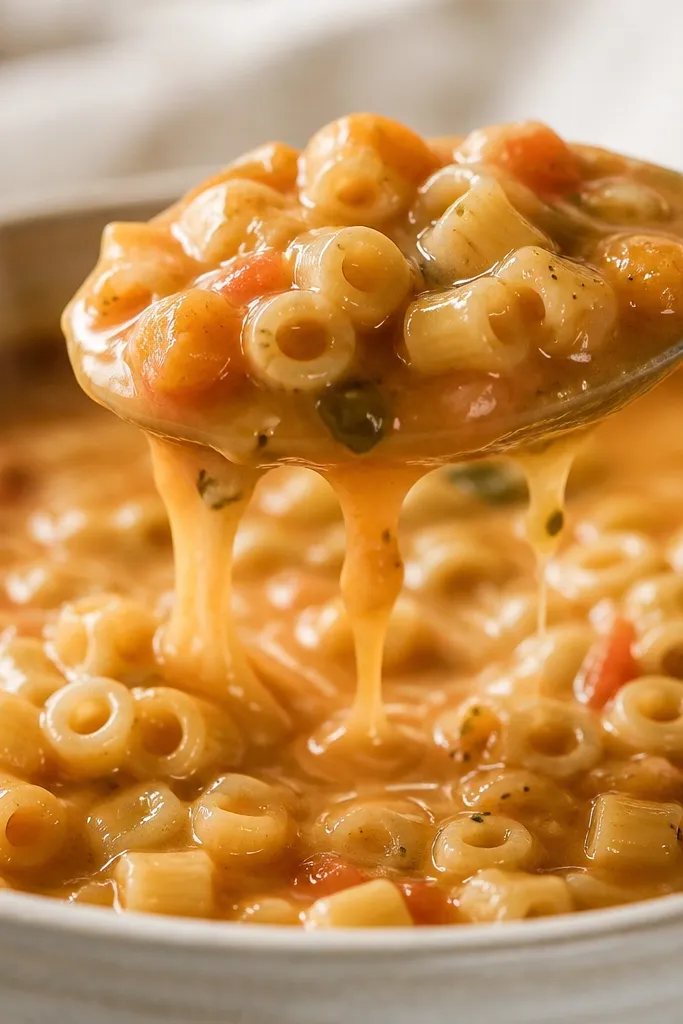
This is the texture cheat code. Pasta water is starchy, so it thickens the soup without turning it gummy. When the pasta finishes in the pot, it releases starch and absorbs flavor, so every bite tastes like soup.
Reserve at least 1 cup pasta water before draining. Add a splash (start with 1/4 cup) when the pasta goes back into the pot. Simmer 2 to 3 minutes and stir so the pasta gets coated.
Try thisIf it thickens too much, loosen with more pasta water by tablespoonfuls.
One warningDon't drain and walk away. If the pasta cools, it releases less starch and the soup tastes thin.
8. Plating With a Side of Extra Parmesan
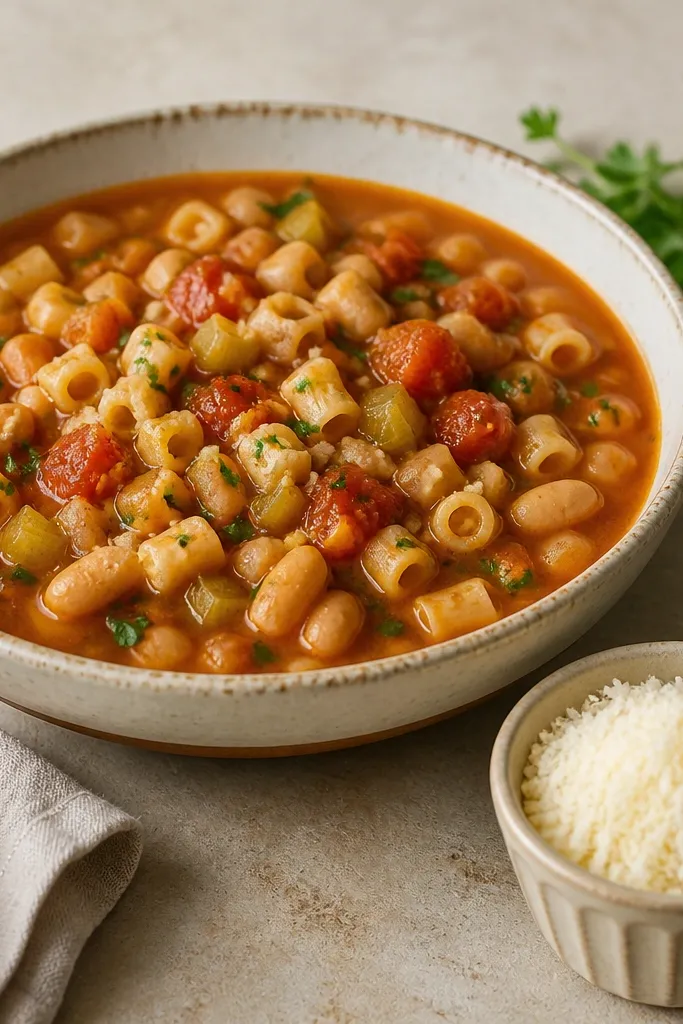
The bowl looks richer when people can add parmesan exactly how they want it. The soup itself should taste complete, but the optional cheese gives that salty snowfall effect. It also keeps the top from getting too heavy while it sits.
Use a shallow bowl so steam rises and the greens and beans are visible. Put parmesan in a small ramekin next to the bowl. Stir a little parmesan into the soup for the first serving if you want it thicker.
Try thisGrate parmesan fresh from a wedge. Pre-grated cheese melts less smoothly.
One warningAvoid adding all parmesan to the pot and then reheating. It can get grainy.
9. Olive Oil Swirl for a Glossy Finish
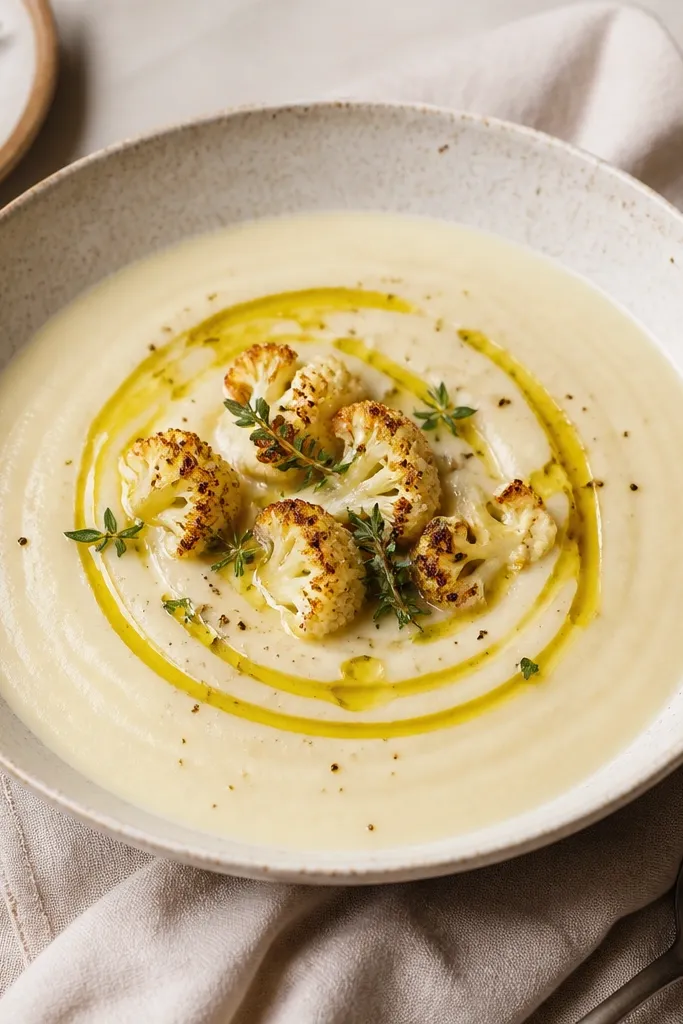
A quick olive oil swirl makes the surface look glossy and appetizing. It also helps carry aroma - you smell the olive oil when the bowl hits the table. The trick is using a small amount so it doesn't separate.
Right before serving, drizzle 1 teaspoon good olive oil into the bowl and swirl gently with the back of a spoon. If you added a lot of greens, keep the oil light so it doesn't taste greasy.
Try thisUse extra-virgin olive oil with a peppery finish. It matches the pepper dust on top.
One warningSkip a big pour of oil. That looks oily and can taste heavy fast.
10. Garlic Toast Crouton Corner
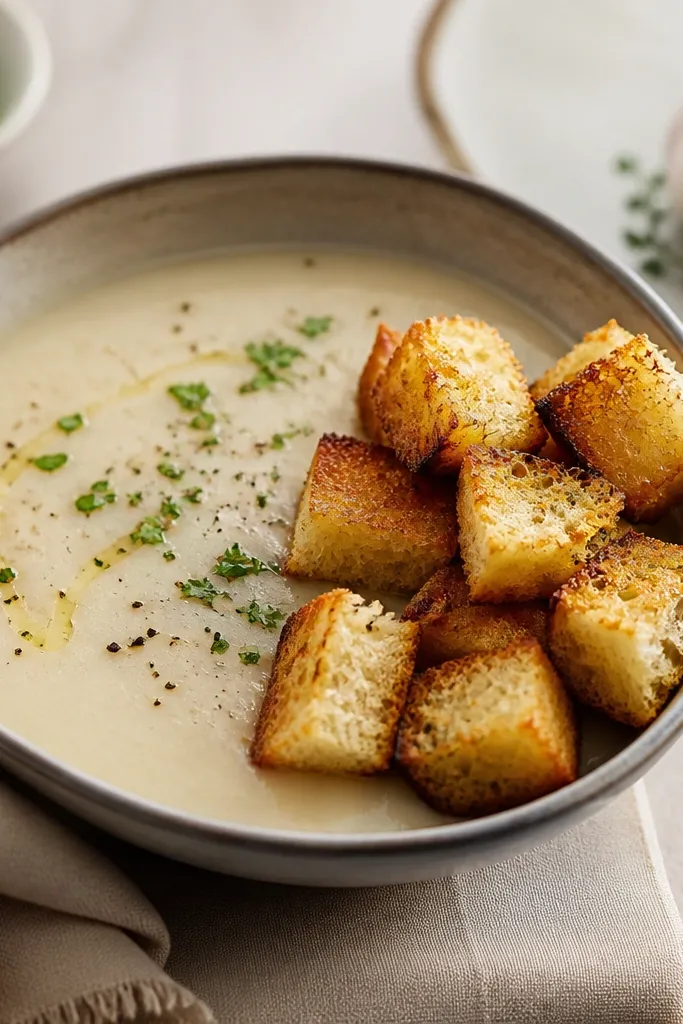
A crunchy side changes the whole eating experience. The soup stays creamy while the toast gives texture and holds the flavors when you scoop. It also makes the plate look like a full meal instead of a single bowl.
Toast bread cubes in olive oil until crisp, then rub lightly with a cut garlic clove. Sprinkle with a pinch of salt while warm. Serve on the side so they don't go soggy.
Try thisIf you're plating for guests, prep the croutons 10 minutes ahead and keep them uncovered.
One warningDon't add croutons to the pot. They get chewy and the soup looks cloudy.