1. Glossy Spoon-Coating Bowl
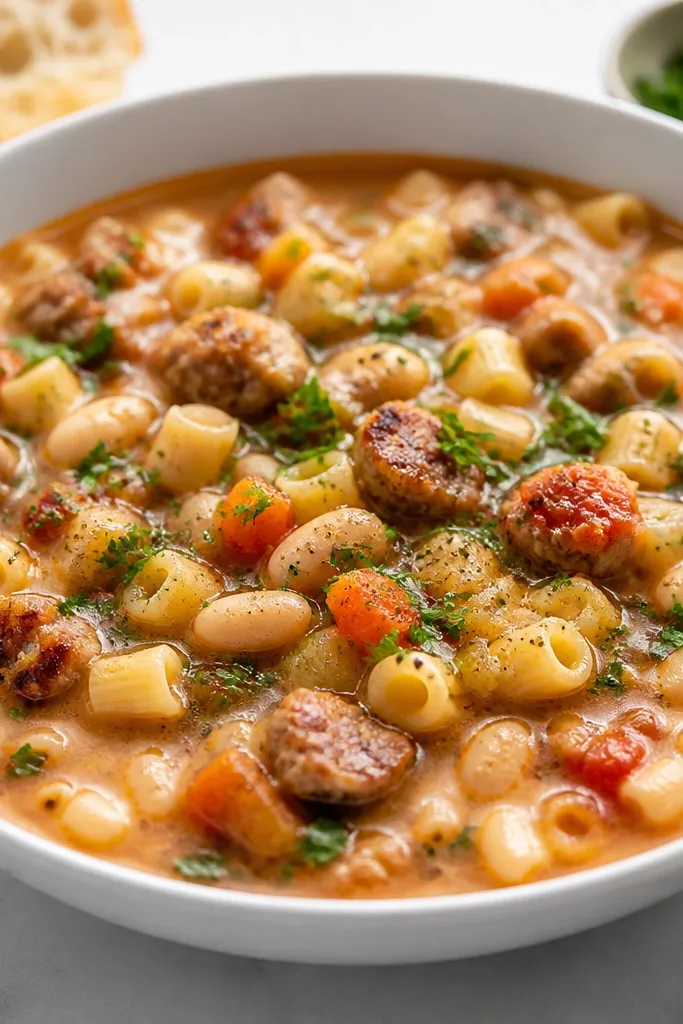
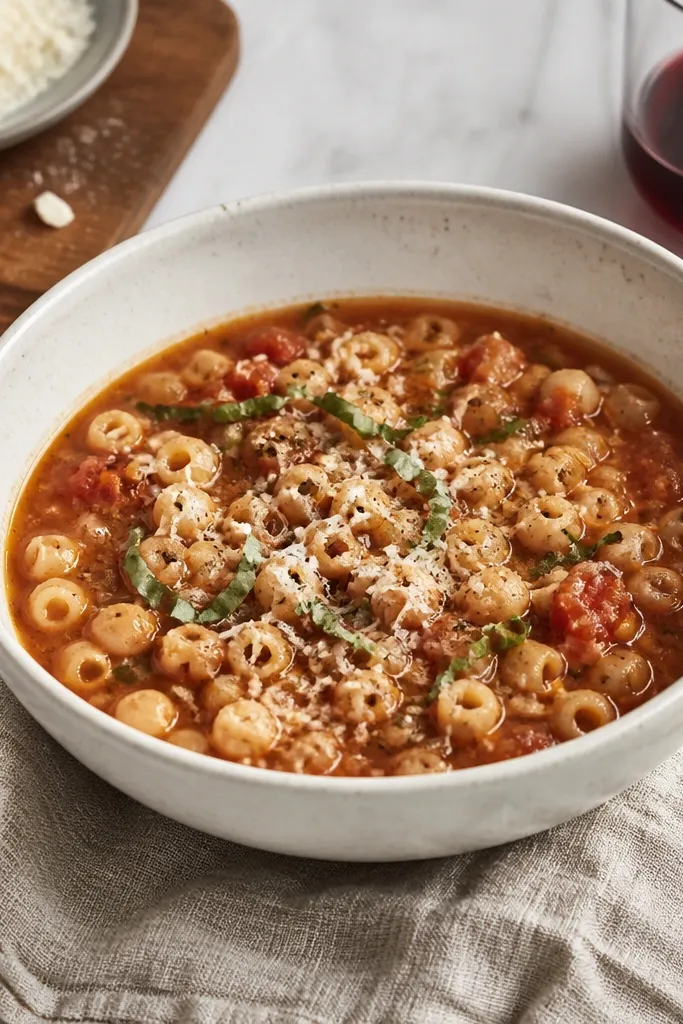
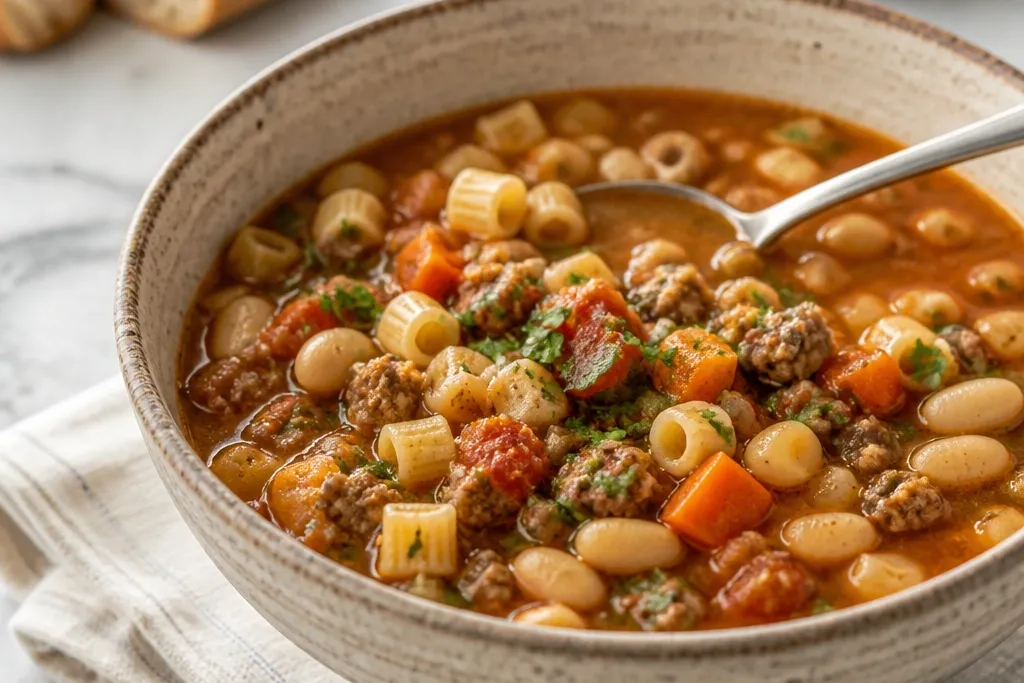
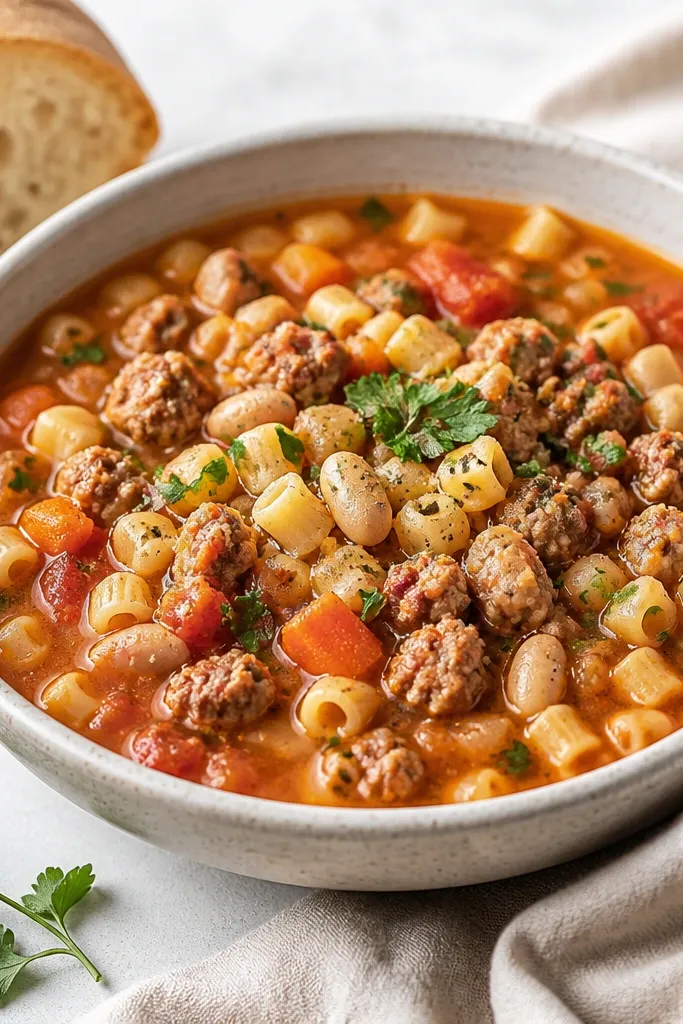
This look is what happens when you mash a portion of the beans right in the pot and then reduce the broth until it coats a spoon. The sausage fat adds shine, while the mashed beans add body. You'll notice the broth clings instead of pooling, and the pasta sits in a thick layer rather than floating in watery liquid. The parsley keeps the top bright so the bowl doesn't look heavy.
Brown Italian sausage in a heavy pot until you see deep brown edges. Add onion and cook until translucent, then stir in garlic and 1 to 2 tablespoons tomato paste. Simmer beans and broth until thick, mash about 1 cup of beans, then stir back. Add pasta for the last 8 to 12 minutes, then finish with parsley.
Try thisTo check thickness, drag a spoon across the pot bottom - it should leave a clear trail that closes slowly, not instantly.
One warningDon't add pasta at the start if you want that glossy, saucy look - it absorbs broth and turns the bowl dull.
2. Deep Brown Fond Base
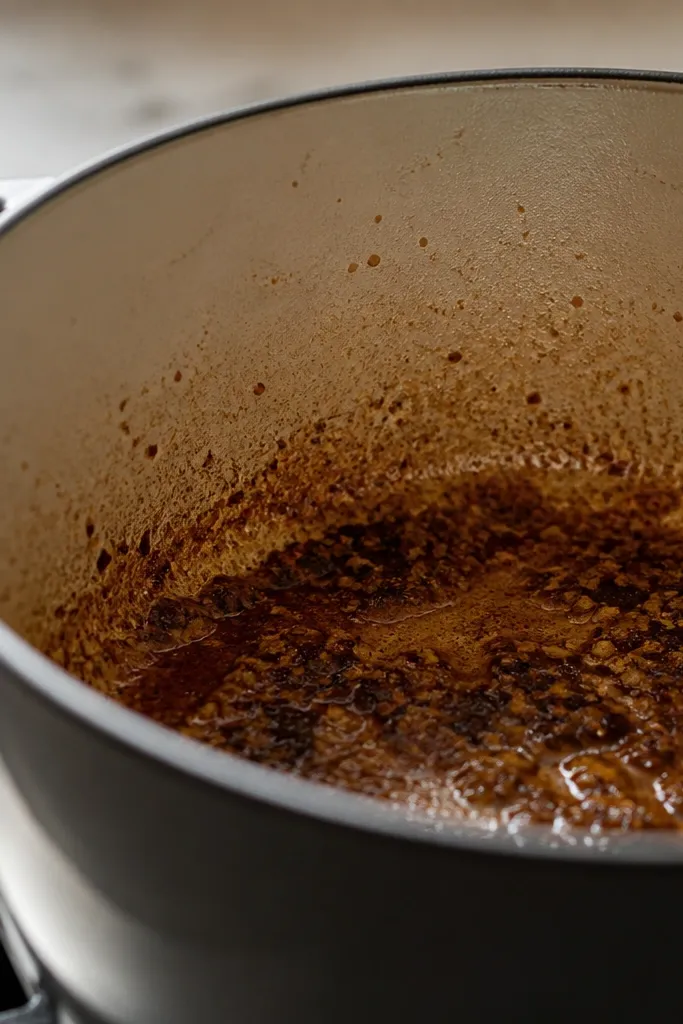
Those browned bits are flavor you want, and they also create a darker, more appetizing color in the final broth. When you deglaze with a splash of broth, the fond dissolves into the sauce and gives that "restaurant" depth. The color shift is visible: pale broth turns tan-brown instead of grayish. It also helps the sausage flavor show up in every bite.
After sausage browns, pour off excess fat until you have about 1 to 2 tablespoons left. Add diced onion and scrape the fond while it cooks. When you add tomato paste, stir for 60 seconds to darken it, then deglaze with 1/2 cup broth and scrape again.
Try thisUse a wooden spoon and scrape in slow passes - the fond should come up in small streaks, not stay stuck.
One warningDon't skip deglazing; if you just dump in liquid, the fond stays trapped and the color comes out flat.
3. Parmesan Cloud Swirl
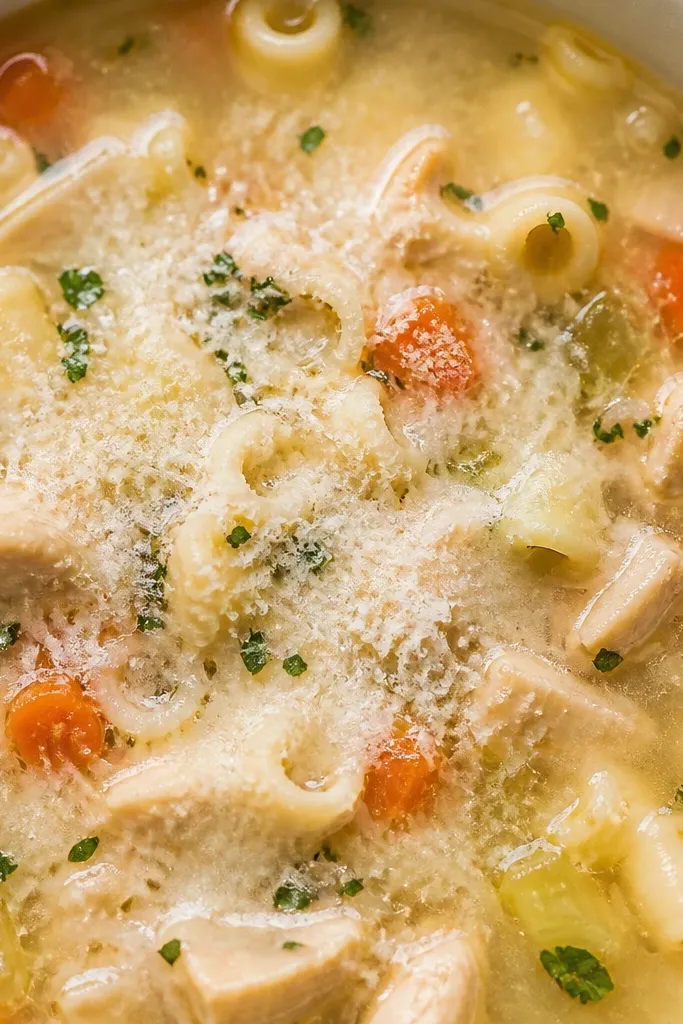
Parmesan gives a creamy look without cream when you stir it in at the right moment. The cheese melts into the hot broth and creates a pale, cloudy swirl that makes the whole bowl look thicker. It also rounds out the sausage seasoning so the flavor feels cohesive. The bright saltiness from Parmesan makes the beans taste more pronounced.
Turn off the heat after the pasta finishes. Stir in 1/2 cup freshly grated Parmesan a handful at a time, then let it sit 2 minutes so it melts. If you want extra visual swirl, stir in a slow spiral with a spoon before topping with parsley.
Try thisUse finely grated Parmesan, not the chunky wedge kind - it melts faster and looks smoother.
One warningDon't add Parmesan while the pot is aggressively boiling - it can clump and the bowl looks grainy.
4. Bright Parsley Finish
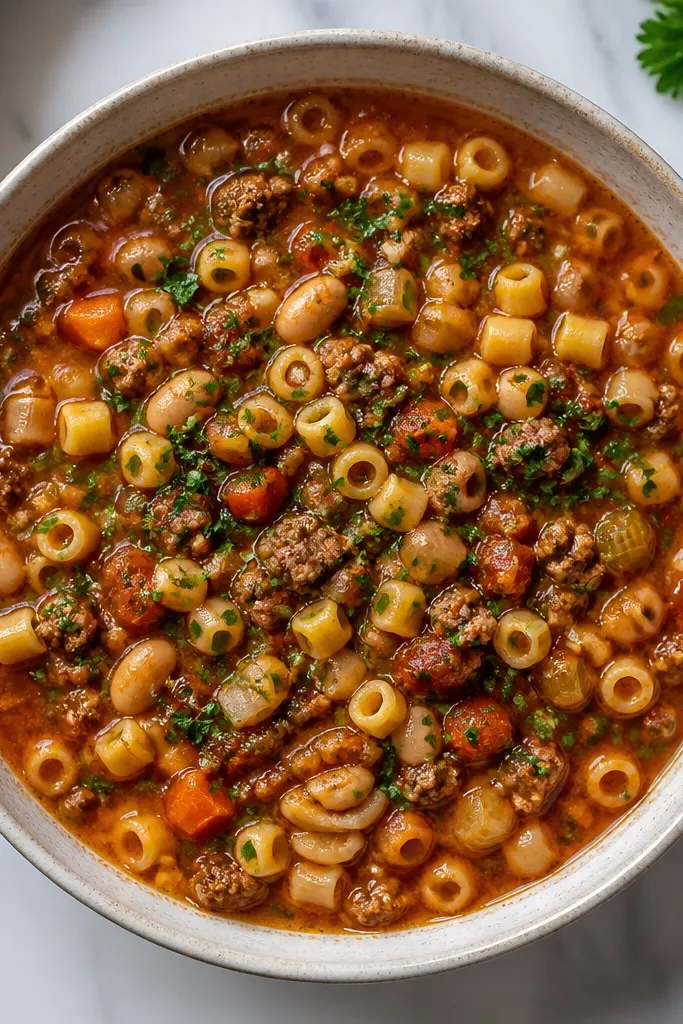
Parsley changes the look more than people think. It cuts through the browns and tans with a fresh green that makes the bowl look lighter. Fine chop sticks to the broth surface, so you get an even speckle instead of scattered leaves. It also signals "fresh herbs" so the dish feels more intentional.
Chop parsley very fine with a chef's knife. Add it off-heat and stir once, then sprinkle a little on top so it catches the light. If you're using dried parsley, it won't stick the same way and the color stays dull.
Try thisUse stems too - chop them fine and mix. They cook down and still look green.
One warningDon't add a big handful at the start; it darkens and the top goes muddy.
5. Sausage Coin Texture
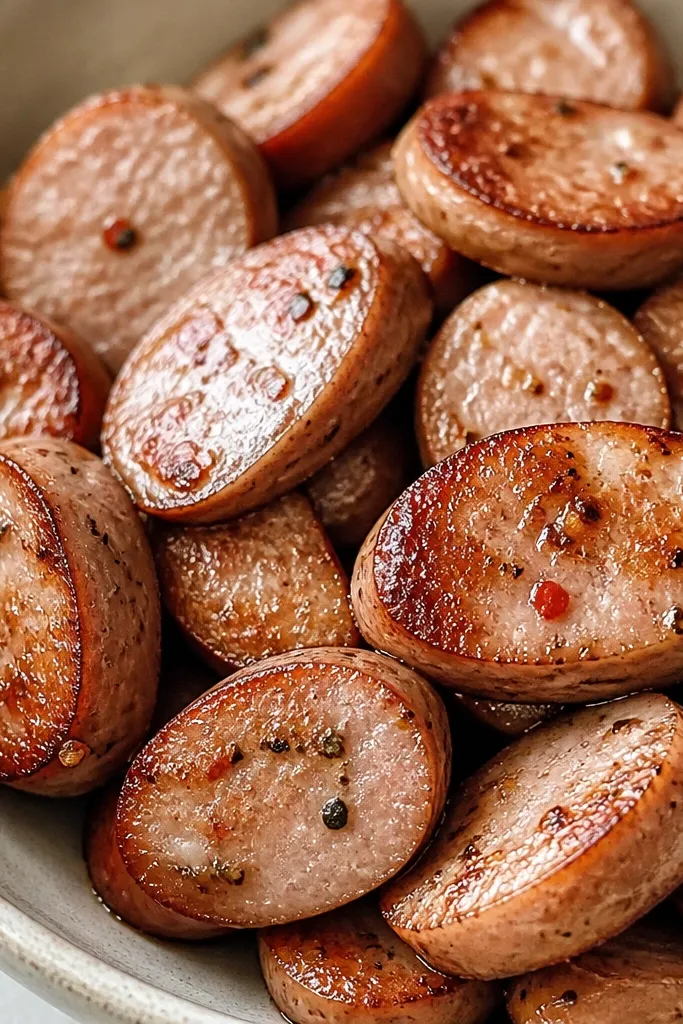
Cutting sausage into coin shapes gives you browning on the curved edges, so each bite has a little crisp. That crisp edge changes the visual texture - you see little caramelized rims instead of soft chunks. It also keeps sausage pieces from disappearing into the broth. The result looks hearty and chunky, not blended.
Slice sausage into 1/2-inch coins. Brown in a hot pan without crowding; if the pan steams, wait and brown in batches. After browning, cut any larger pieces with a spoon so they fit the spoonful.
Try thisPress one coin gently with a spatula - if it sizzles back, the pan is ready.
One warningDon't crumble sausage too finely; it turns into a uniform ground-meat look and the bowl loses texture.
6. Tomato Paste Color Depth
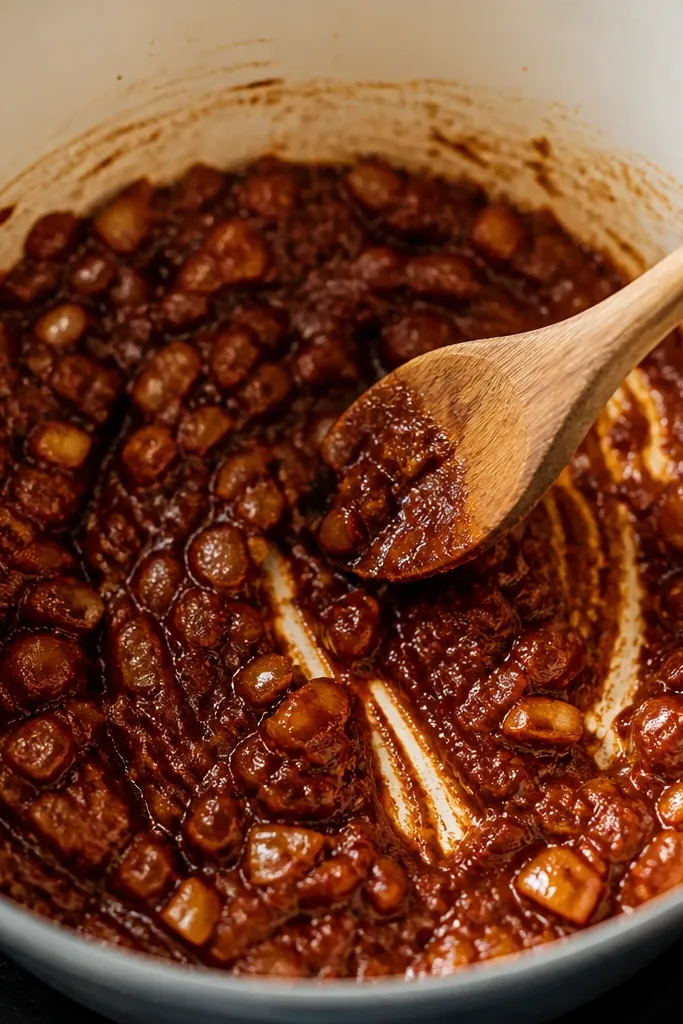
A small amount of tomato paste adds color and a gentle sweetness that balances the sausage. When you cook it 60 seconds before adding liquid, it turns brick-red and deeper, so the final broth looks warm rather than gray-brown. It also helps the broth look thicker because tomato paste binds with the bean starch as it simmers.
Cook onion until soft, add garlic for 30 seconds, then stir in tomato paste. Let it darken for about a minute, then deglaze with broth. If your broth looks too red, add more broth and simmer longer for the color to mellow.
Try thisTaste after the deglaze - tomato paste should taste cooked, not raw.
One warningDon't dump in crushed tomatoes and call it a day; the look shifts to marinara and you lose the classic bean-forward vibe.
7. Bean Mash Thickening Noodles
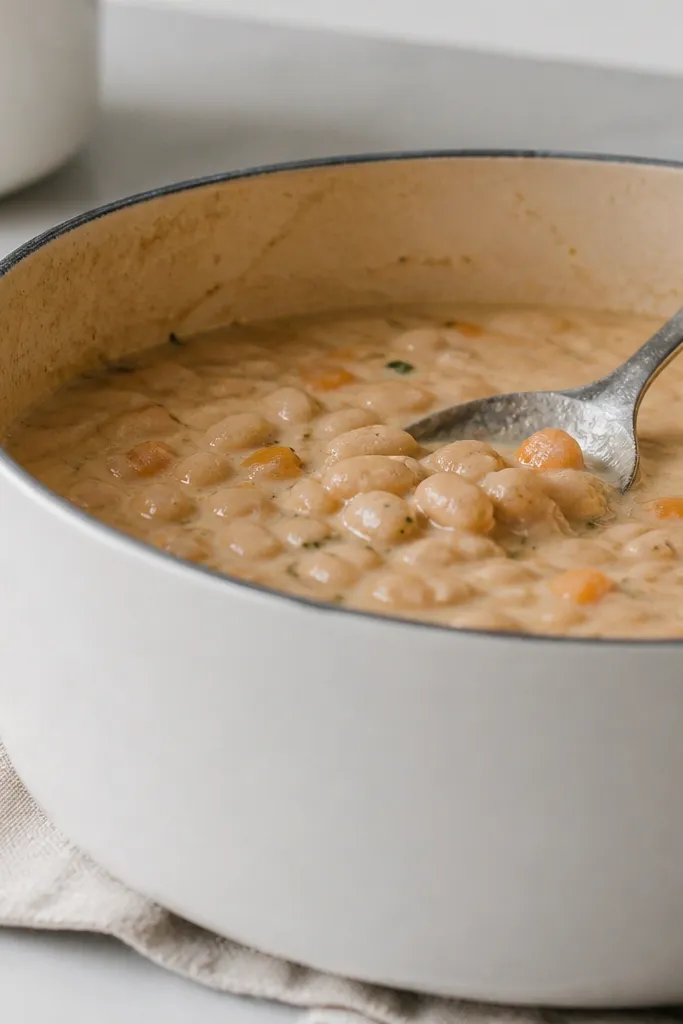
This is the texture trick I rely on every time: mash some beans so the broth thickens from starch, not flour. Once you stir it back in, the pasta looks suspended in a velvety sauce. The color turns creamy tan instead of thin beige. It's also forgiving - even if you overcook pasta slightly, the mash helps the bowl still feel substantial.
Simmer beans with broth until tender, then mash 1 cup in the pot. Stir and simmer 3 to 5 minutes more so the texture sets. Add pasta during the last cooking window and keep the pot at a steady simmer, not a rolling boil.
Try thisMash with a potato masher right against the pot - you want small chunks, not total puree.
One warningDon't blend the whole pot; it looks like bean soup with pasta instead of pasta fagioli.
8. Even Pasta Timing for After-Reheat
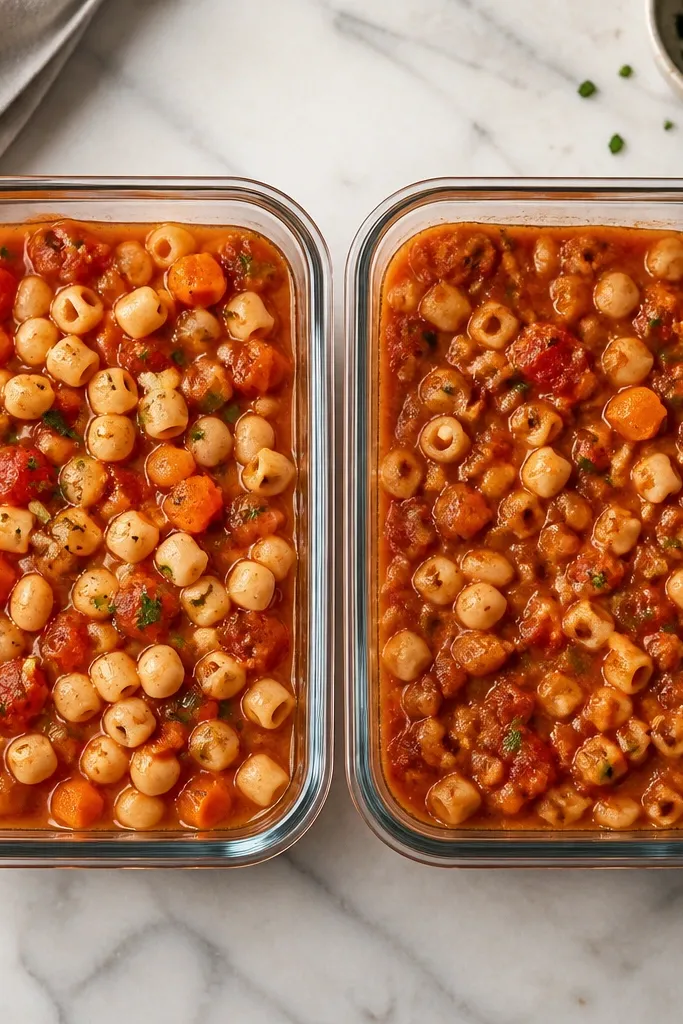
This is the "before_after" effect you want for meal prep. Pasta cooked too long absorbs the broth and looks swollen; pasta cooked separately stays springy and keeps the sauce glossy. When you reheat, you get the same spoon-coating texture without watery pooling. The bowl looks intentional even the next day.
Cook pasta in salted water until just shy of al dente, then drain and toss with a splash of olive oil. Store beans and sausage mixture separately. Reheat the bean sauce, then add pasta for 2 to 3 minutes so it warms through.
Try thisUnder-cook pasta by 1 minute - it finishes in the sauce and keeps its shape.
One warningDon't store everything together if you want the after-photo to look as thick as the first bowl.
9. Bowl Garnish Layout
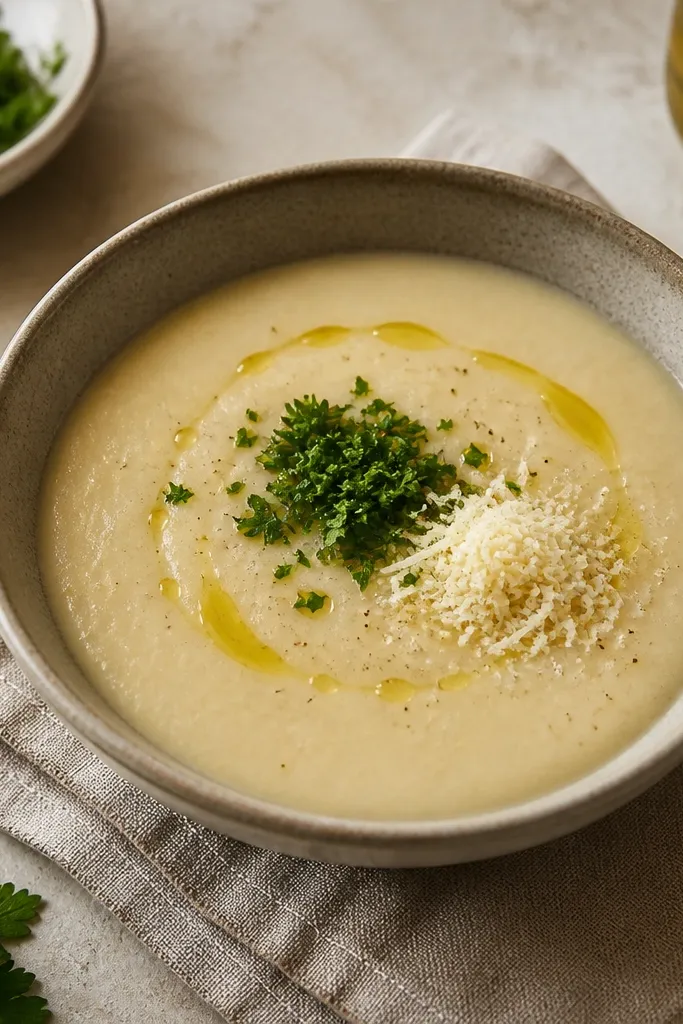
A little oil sheen makes the broth look richer and more photogenic. Parmesan on one side gives you a focal point instead of a uniform dusting. The parsley keeps it green and fresh. This layout makes the bowl look like someone plated it, not like leftovers dumped into a bowl.
Spoon pasta fagioli into the bowl and shake slightly to level it. Add parsley last, then grate Parmesan in a small mound on one side. Finish with 1 teaspoon olive oil drizzled around the edges so it reflects light.
Try thisUse extra-virgin olive oil and drizzle right before serving - it stays glossy instead of sinking in.
One warningDon't drown the bowl in oil; it turns glossy in the wrong way and can look greasy.