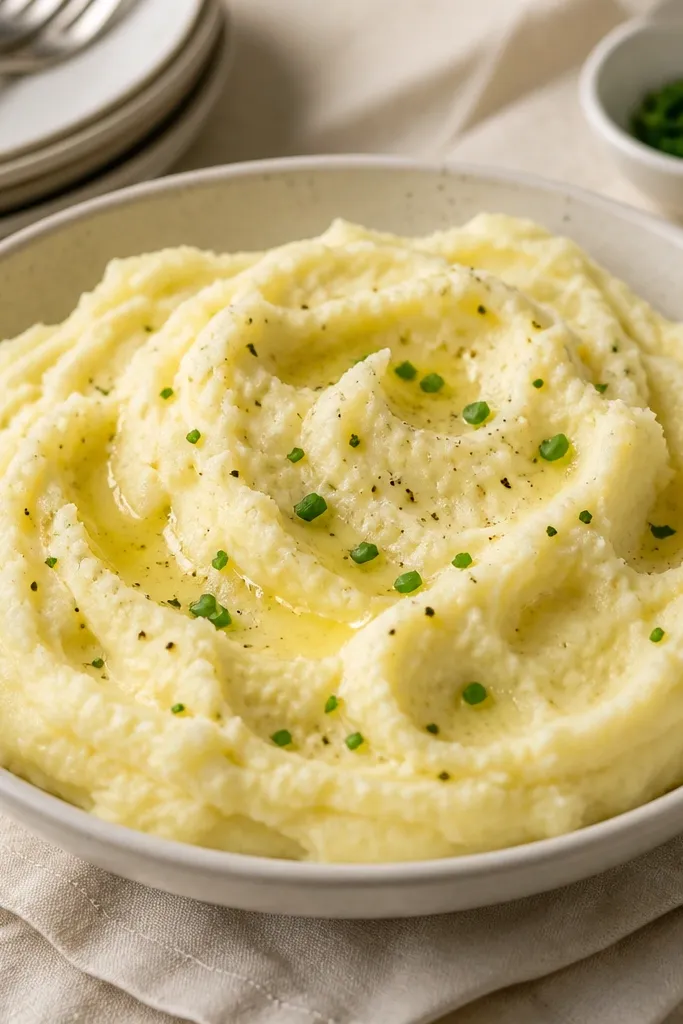
1. Cloud-White Riced Mash
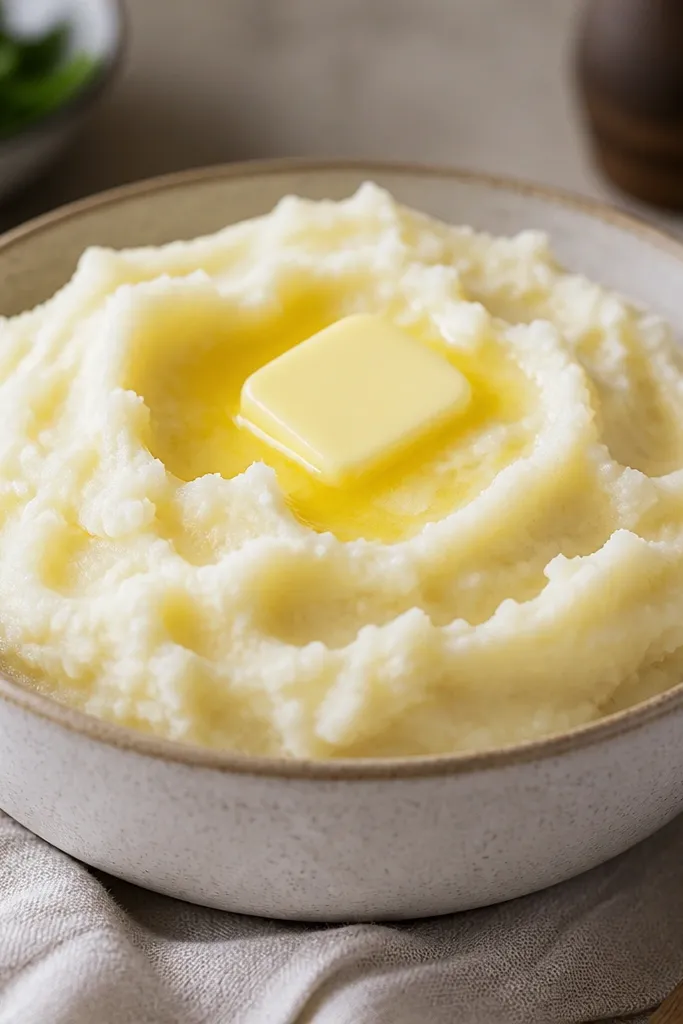
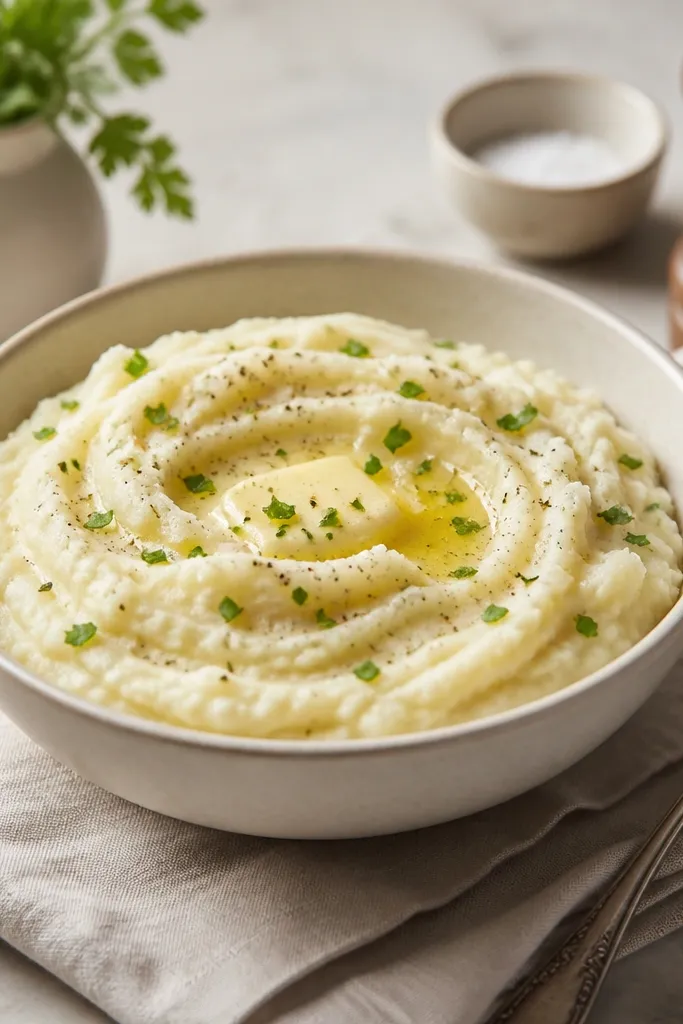
This look happens when you force hot potato through a ricer or food mill. The mash turns into short, fluffy strands that trap steam, so it looks taller and lighter than mashed with a fork. Sour cream keeps the color bright white and gives a satin finish instead of a matte, starchy surface.
Use Yukon Gold or Russet, then rice while the potatoes are hot enough to steam lightly. Add sour cream off the heat, then mix just until the strands turn glossy. Finish with a swirl of butter on top so it melts into the ridges.
Try thisRice in batches - if you dump all potatoes at once, the pile cools and the mash clumps.
One warningAvoid mashing hard after adding sour cream; overmixing makes it look dense.
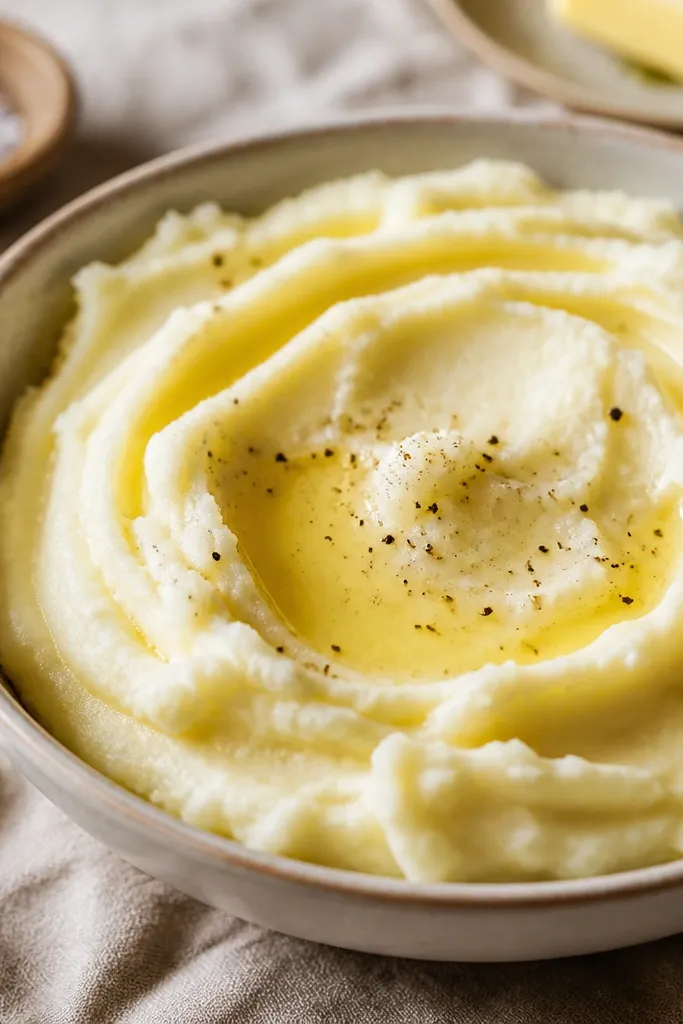
2. Glossy Bowl with Butter-Swirl Center
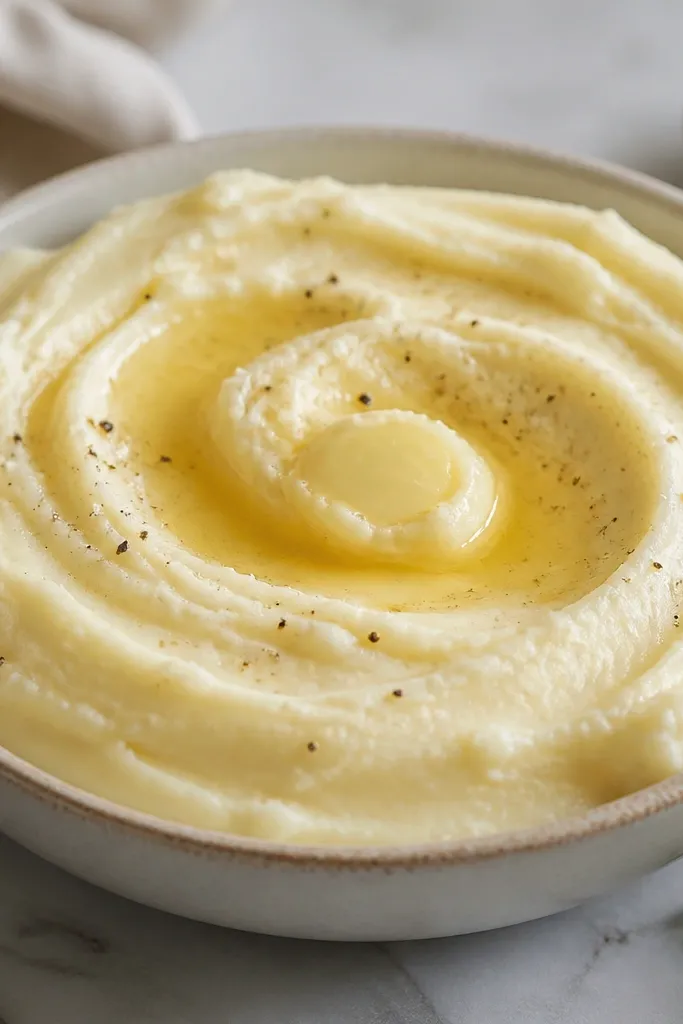
This is the "restaurant side" look - smooth, shiny, and spoonable. The shine comes from mixing warm dairy into hot potatoes and not letting them sit exposed to air. Sour cream adds tang while butter adds that reflective gloss.
Mash with a handheld masher for a few passes, then switch to a wooden spoon to stir in sour cream and warm milk. Keep the mixture thick at first, then loosen with 1-2 tablespoons of warm milk until it spreads slowly. Finish with black pepper and a soft butter swirl.
Try thisWarm the milk in the microwave for 30-45 seconds so it blends instantly.
One warningDon't add cold sour cream straight from the fridge; the temperature shock causes dull texture.
3. Rustic Spoon-Mounds with Tangy Specks
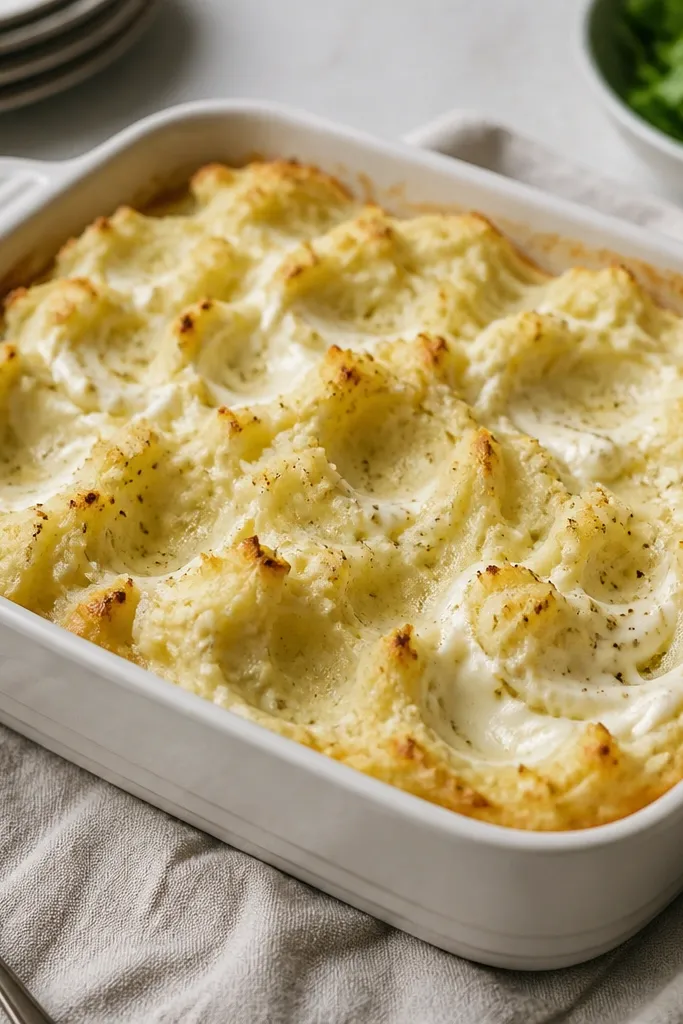
If you like "rustic but intentional," this look is for you. The mounds keep texture when baked or broiled, and the sour cream swirls create little pockets that taste extra creamy. Browning on the edges adds a nutty flavor that balances the tang.
Mash with a masher, then spoon into a buttered baking dish. Smooth the tops lightly but leave ridges. Bake at 425°F for 15-20 minutes, then broil 1-2 minutes for golden spots.
Try thisBefore baking, brush the surface with melted butter so you get even browning.
One warningSkip parchment-thick frosting layers; they turn into gummy crust.
4. Extra-White with Garlic-Tinted Butter
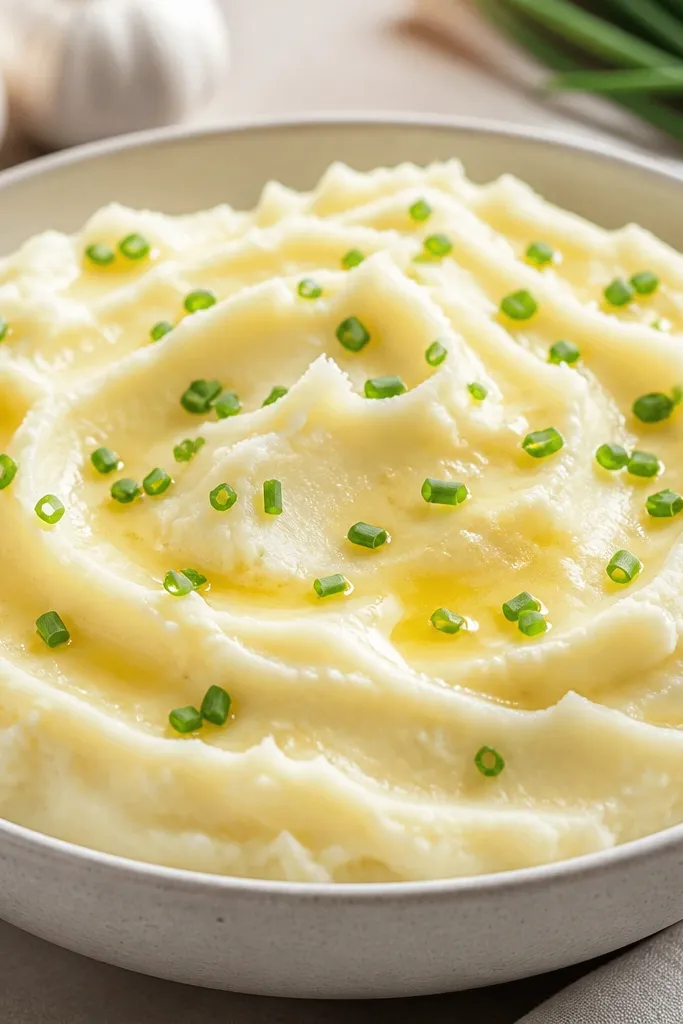
This look keeps the potatoes bright while flavor rides on the top. Sour cream handles the tang and light color; garlic butter adds aroma without turning the mash yellow or heavy. The thin butter layer spreads into the surface ridges for a glossy finish.
Use 2 pounds of Yukon Gold for naturally creamy color. Mix sour cream in first, then stir in butter last. For the topping, sauté minced garlic in butter for 30-45 seconds until fragrant (not browned), then cool 5 minutes before spooning.
Try thisIf the garlic butter is too hot, it melts through and loosens the mash. Let it cool slightly.
One warningDon't use roasted garlic paste throughout; it can dull the bright white texture.
5. Herb-Flecked Green Contrast
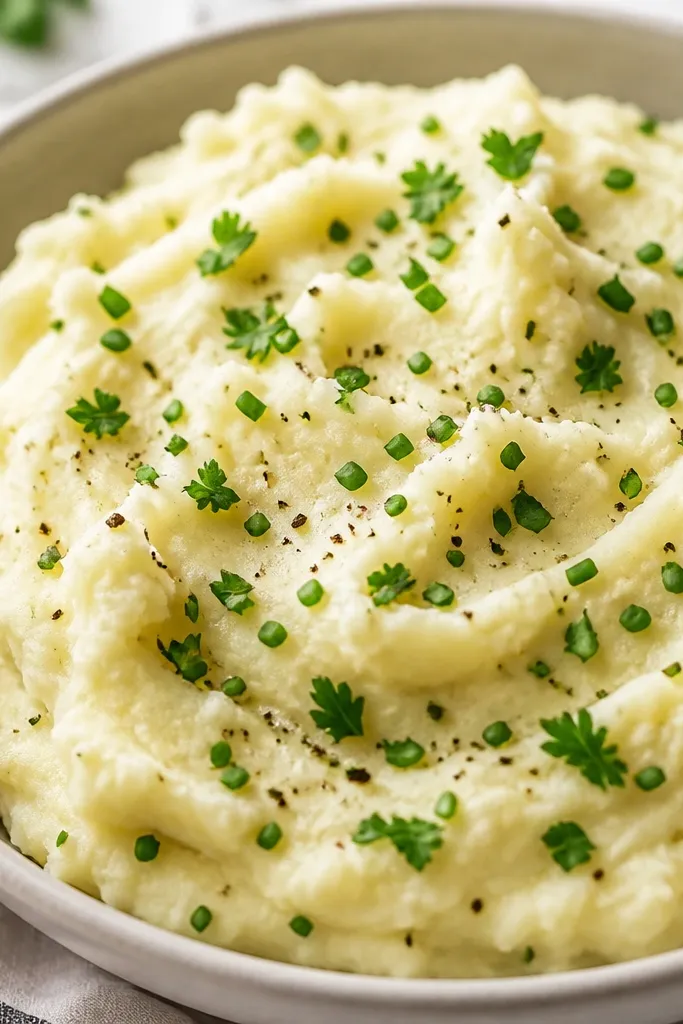
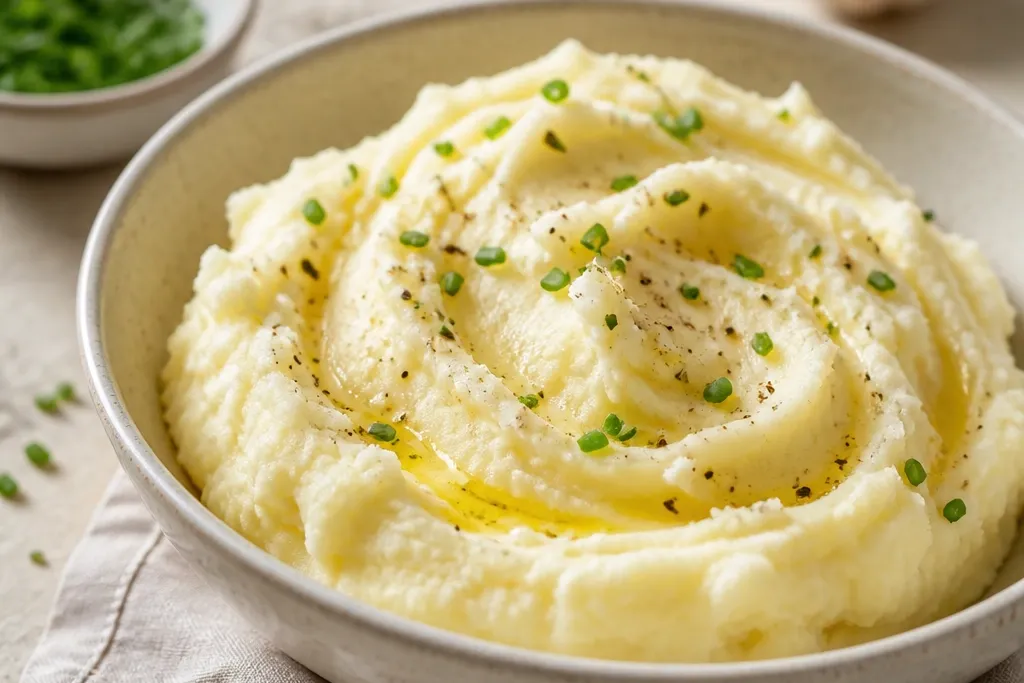
Green flecks make the sour cream tang feel brighter on the palate. Chives give a mild onion note that doesn't overpower, while parsley adds a fresh, clean look. The mash stays creamy and pale because the herbs sit on top instead of being mixed into the whole bowl.
Mix sour cream and warm milk into the mash, then transfer to a serving bowl. Sprinkle chives and parsley right before serving. Keep the herbs dry - moisture makes the surface look watery.
Try thisPat herbs dry with a paper towel after chopping.
One warningAvoid mixing wet herbs into the mash; it turns the surface slick.
6. Peppery White with Paprika Dust
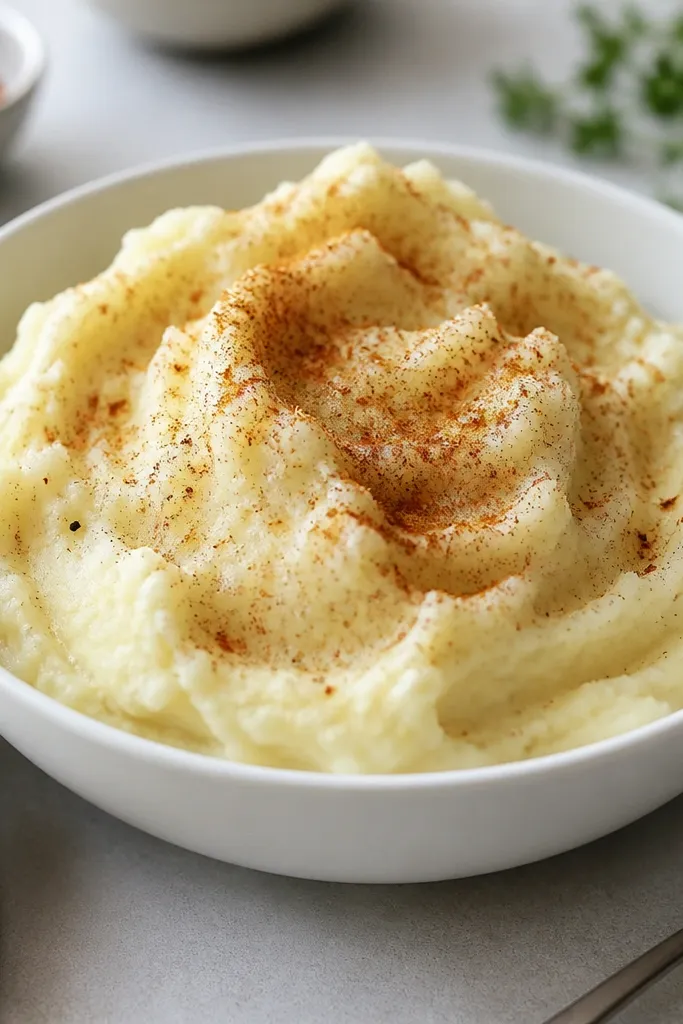
Paprika dust makes sour cream mashed potatoes look bolder without adding heavy sauce. Smoked paprika creates a warm reddish tint that contrasts with the cream-white color. Black pepper adds tiny flecks that look appetizing and keep the tang from tasting flat.
Use plain sour cream so the tang stays clean. After mixing, spoon into a bowl and level the surface with the back of a spoon. Dust with smoked paprika using your fingers, then hit with a few turns of pepper.
Try thisUse a fine paprika - chunky flakes look messy on smooth mash.
One warningSkip sweet paprika; it can taste like dessert next to savory mains.
7. Brown-Butter Edges, No Dry Top
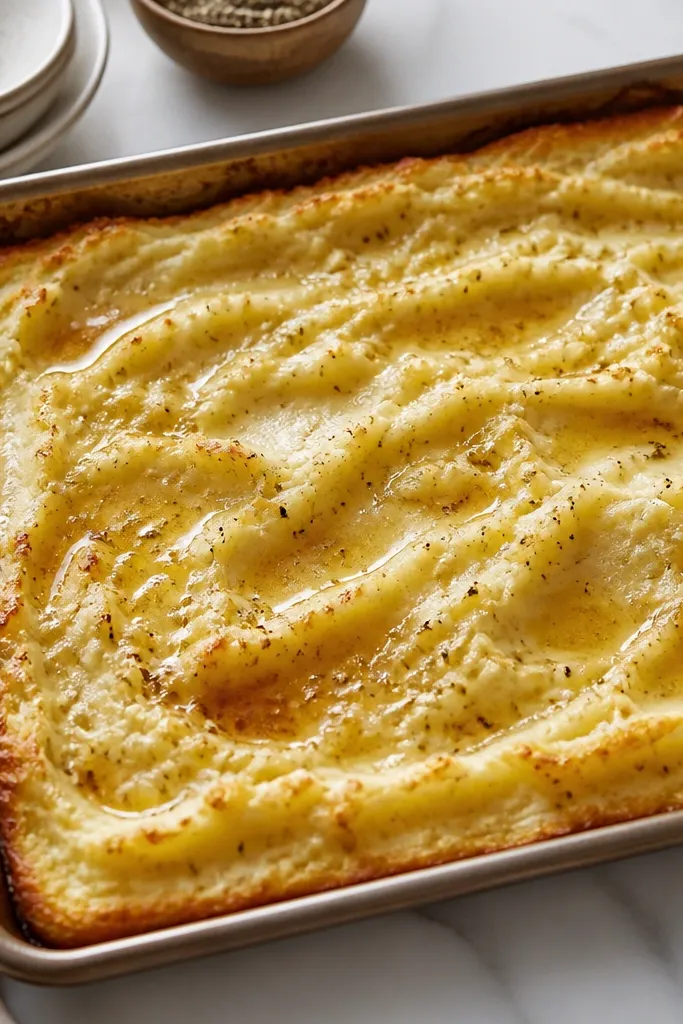
Brown butter gives that nutty, toasted flavor that pairs perfectly with sour cream tang. The reason this look works is heat only hits the edges where the mash is thinner. The center stays creamy because you control the thickness and cover briefly if needed.
Spread mash into a thin layer in a baking dish so edges brown fast. Bake at 400°F for 12-16 minutes, then cover with foil for 5 minutes to keep the center from drying. Drizzle brown butter right before serving.
Try thisKeep the layer around 3/4 inch thick so it reheats evenly.
One warningDon't bake uncovered too long; the surface dries and looks dull.
8. Sour Cream Gloss for Make-Ahead Dinners
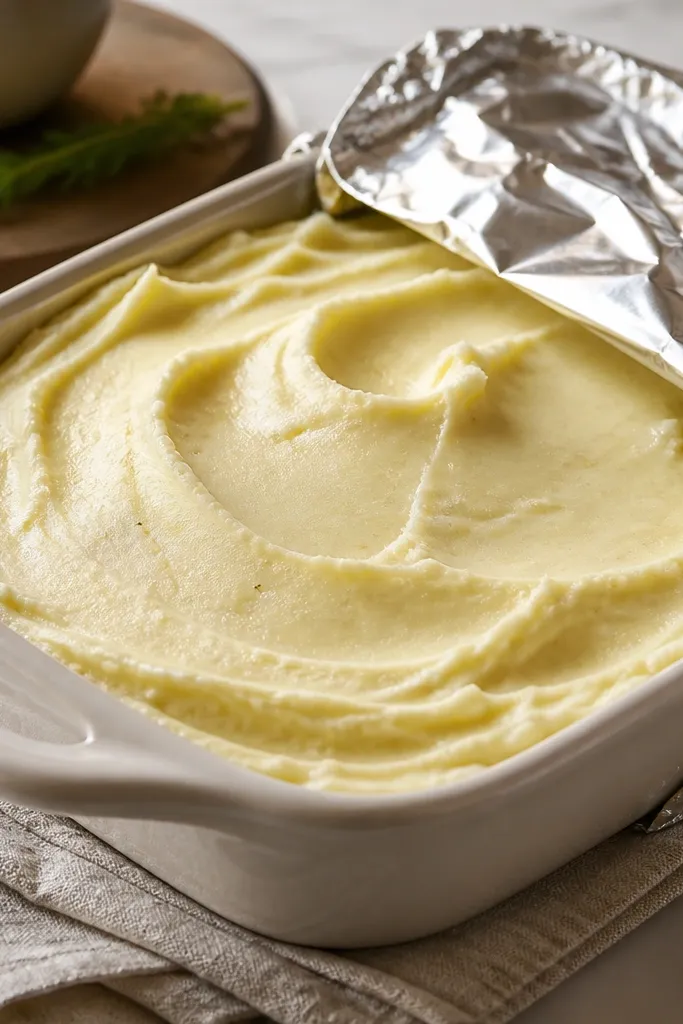
This is the "I made it earlier and it still looks good" finish. Sour cream can separate if you reheat aggressively, so the glossy look comes from gentle reheating and adding warm milk in small amounts. You also keep the mash covered to prevent a dry skin from forming.
Make the mash 1 day ahead, slightly thicker than your final target. Cool quickly, cover tightly, and refrigerate. Reheat at 325°F with foil for 20-30 minutes, then stir and loosen with 2-4 tablespoons warm milk.
Try thisStir at least once during reheating so the sour cream redistributes.
One warningAvoid microwave blasts; hot spots make the texture grainy.
9. Extra-Tang Bowl with Horseradish Swirl
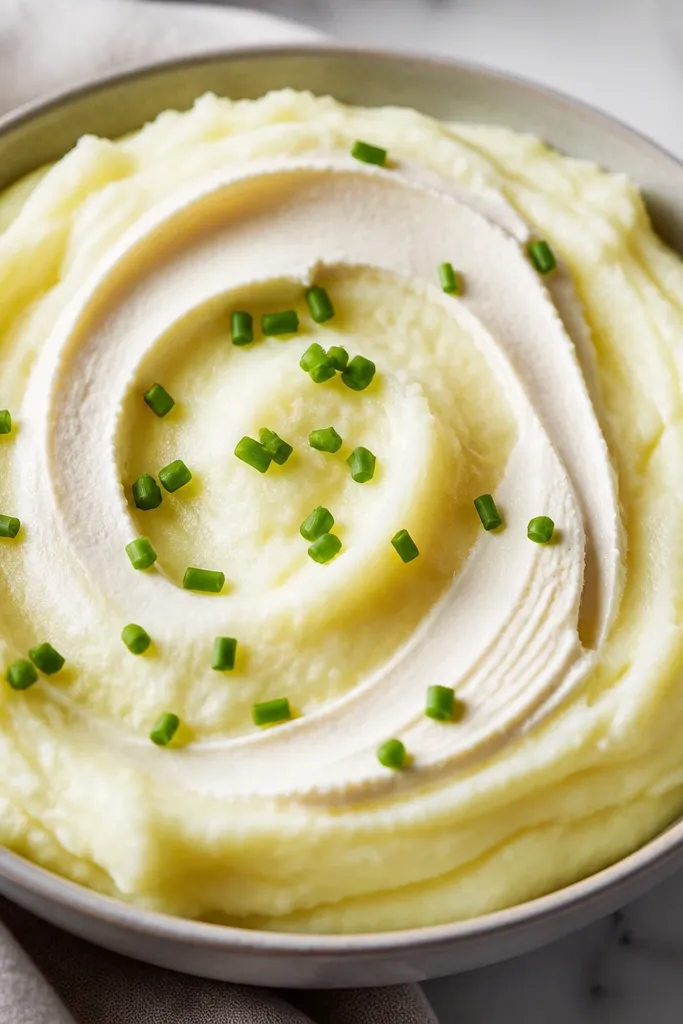
Horseradish makes the sour cream tang feel sharper and more "clean" instead of sour. The swirl stays pale and bright because you keep it on top and mix it in at the table. This look is bold, and it also holds up well next to ham, roast beef, or saucy gravies.
Mix sour cream into potatoes, then reserve a spoonful of mash to thin horseradish with a teaspoon of sour cream. Spoon the horseradish mix onto the surface and swirl with a butter knife. Finish with chopped chives.
Try thisTaste the horseradish-sour cream before adding - start with 1 teaspoon per bowl.
One warningDon't mix horseradish throughout; it can turn the whole bowl too sharp.
10. Piped Rosettes for Holiday Plates
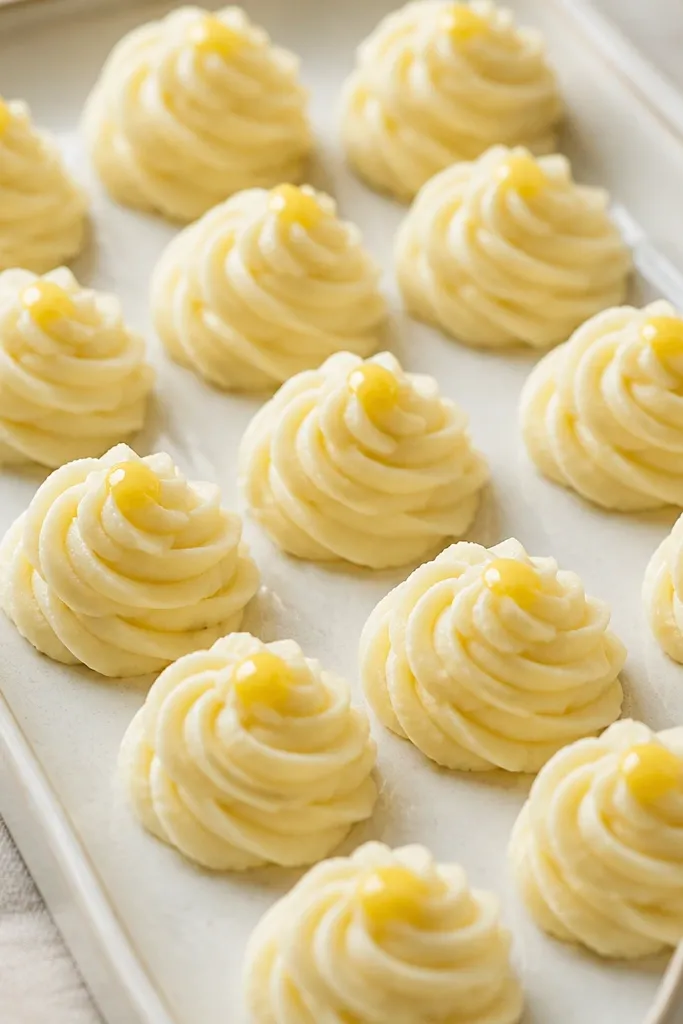
Piping turns mashed potatoes into something that looks planned, not scooped. Sour cream helps the dough-like mash hold shape, especially if you keep it thick and warm. The rosettes also reheat better because each portion has a thicker center.
Make mash slightly stiffer than usual. Fit a piping bag with a star tip, then pipe rosettes onto a buttered tray. Bake at 375°F for 10-12 minutes to set, then top with a tiny butter dot.
Try thisIf the mash feels loose, fold in 1-2 tablespoons extra butter or reduce milk next time.
One warningDon't pipe cold mash; it tears and looks grainy.