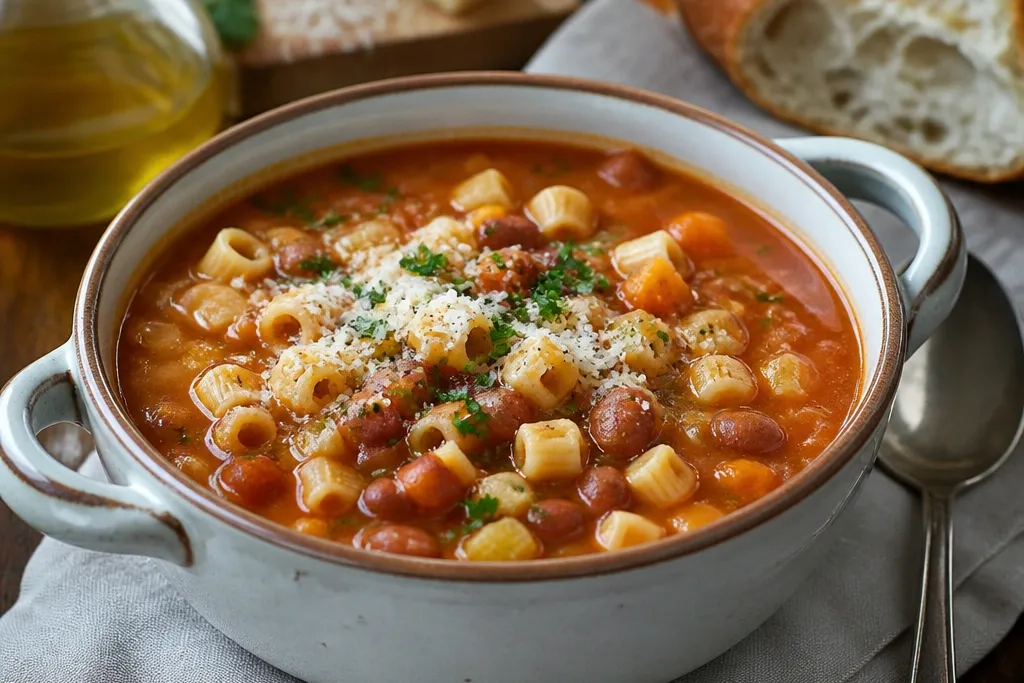
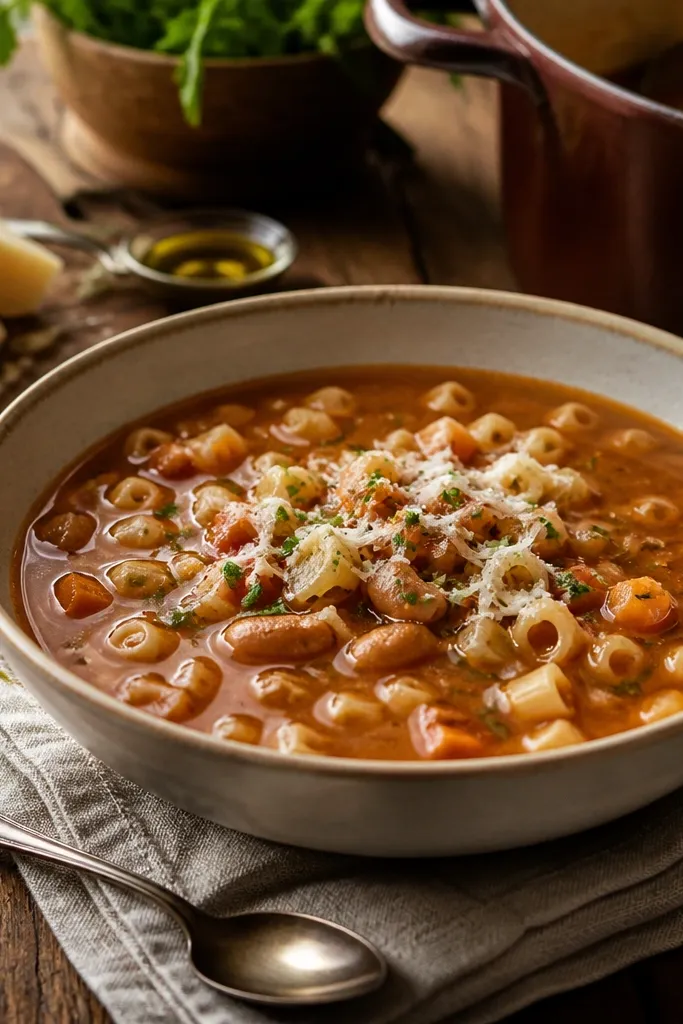
1. Red-brown broth with a slow spoon trail
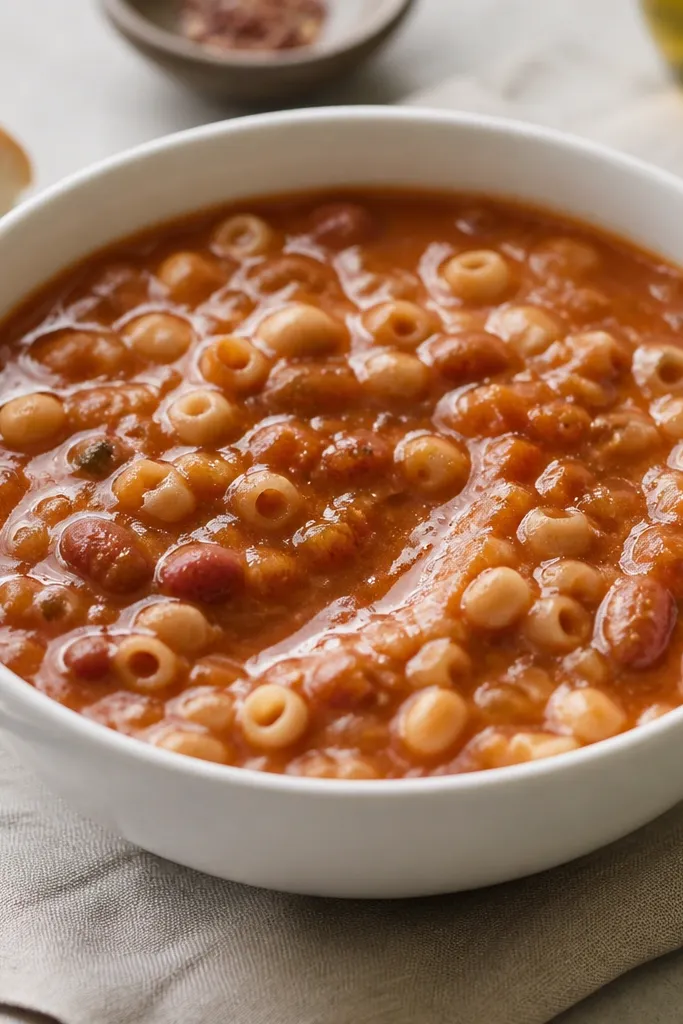
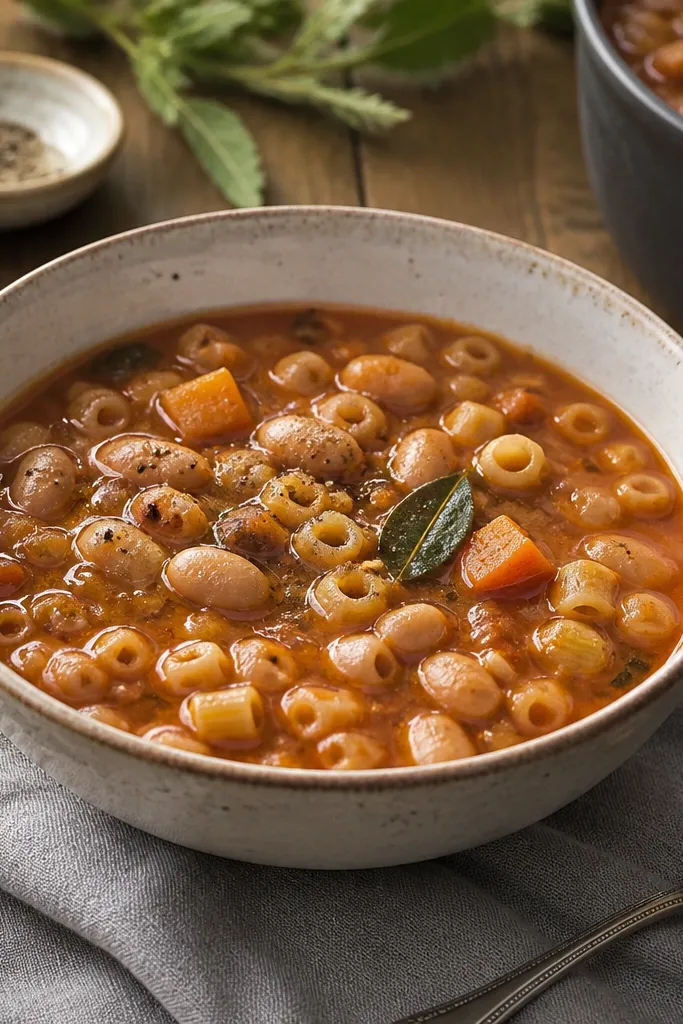
That color comes from cooked soffritto plus tomato added at the right moment. You want the sauce to darken and cling to the pot walls before you add liquid, not sit pale and watery. The gloss is from emulsified fat and starch - it looks like the soup has body, not like it's just colored water.
Use a tomato component like crushed tomatoes or passata and cook it down 6-8 minutes after it hits the pot. Keep the heat at a steady simmer so the broth reduces without turning cloudy. For the thickness, mash about 1/3 of the beans directly in the pot.
Try thisIf your broth looks thin, simmer uncovered and stir every 2-3 minutes for 10 minutes before you add anything else.
One warningAvoid adding pasta early and then waiting - it makes the broth starchy and cloudy instead of thick and glossy.
2. Bean-forward bowl with visible whole beans
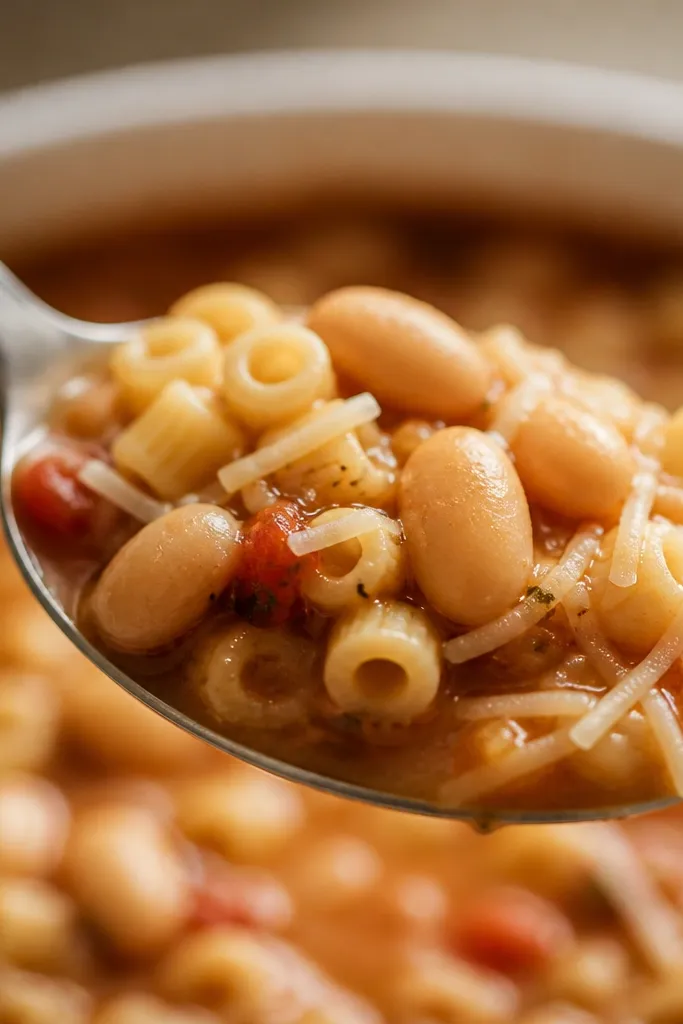
Old-school pasta fagioli looks like beans matter. You need some beans to stay whole and some to break down for thickness. That mix creates a bowl that feels hearty rather than uniform.
When the beans are tender, scoop out a ladle and mash it with a fork or potato masher, then stir it back. Keep 8-12 whole beans per bowl visible so the texture reads "homemade."
Try thisIf beans are still firm, don't rush it - simmer until tender before adding pasta.
One warningAvoid letting the beans go too long after they're tender - they collapse and make the soup look like bean paste.
3. Soffritto base with glossy onion bits
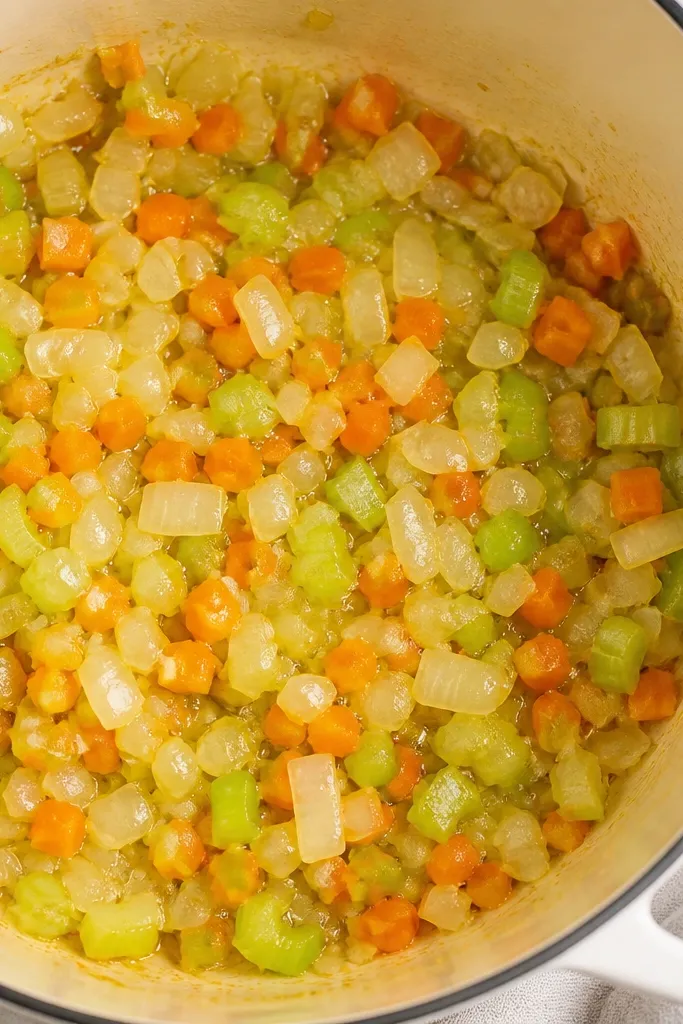
This is the part that makes the soup taste like it came from a family kitchen. Translucent onion means sweetness instead of sharpness. When the veg is glossy, it means fat and moisture are balanced for a smooth sauce.
Dice onion, carrot, and celery small - about 1/4 inch pieces. Cook in olive oil over medium heat until the onion looks see-through at the edges. Add garlic for about 30 seconds right before tomato.
Try thisUse a wooden spoon and scrape the pot bottom every minute during soffritto so nothing sticks and turns bitter.
One warningAvoid dark-browning the onion - it turns the broth muddy and makes the final bowl taste burnt.
4. Tomato cooked down before liquid
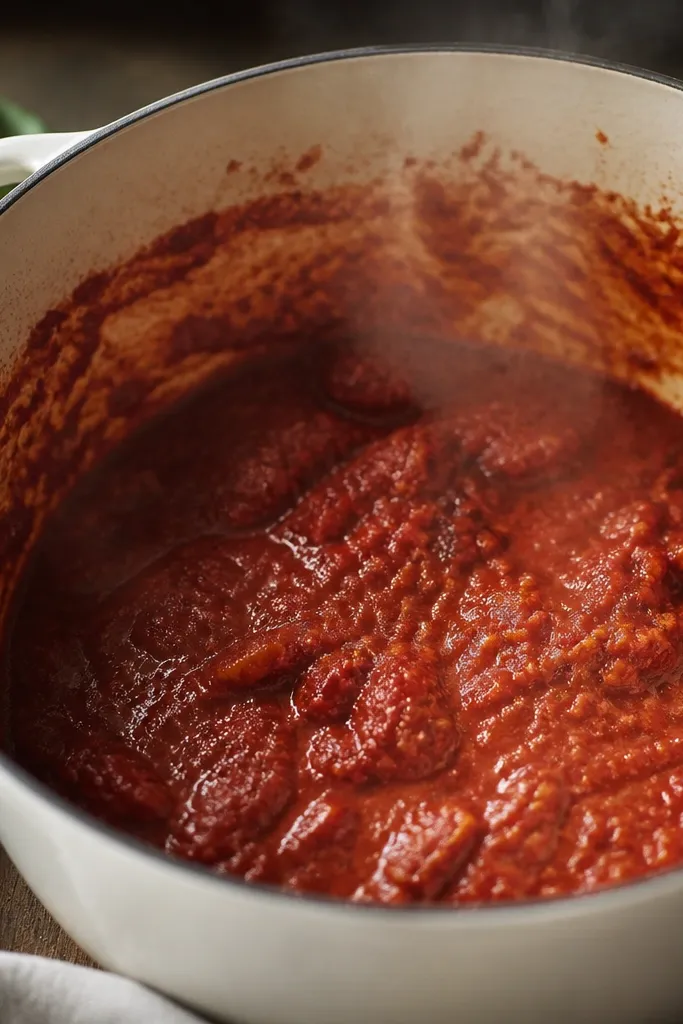
When tomato cooks down first, you get deeper color and a rounded flavor. Raw tomato tastes sharp and the broth stays thin. Cooked-down tomato also helps the broth emulsify and thicken with the beans.
Stir crushed tomatoes into the soffritto and cook 6-8 minutes at a gentle simmer. Add broth or bean liquid gradually so you don't shock the pot into a boil that separates the sauce.
Try thisIf the tomato looks too dry, add 1/4 cup liquid and keep cooking until it thickens again.
One warningAvoid dumping in all the liquid at once - it keeps the tomato from reducing and you get pale, watery broth.
5. Pancetta ribbons with no greasy pooling
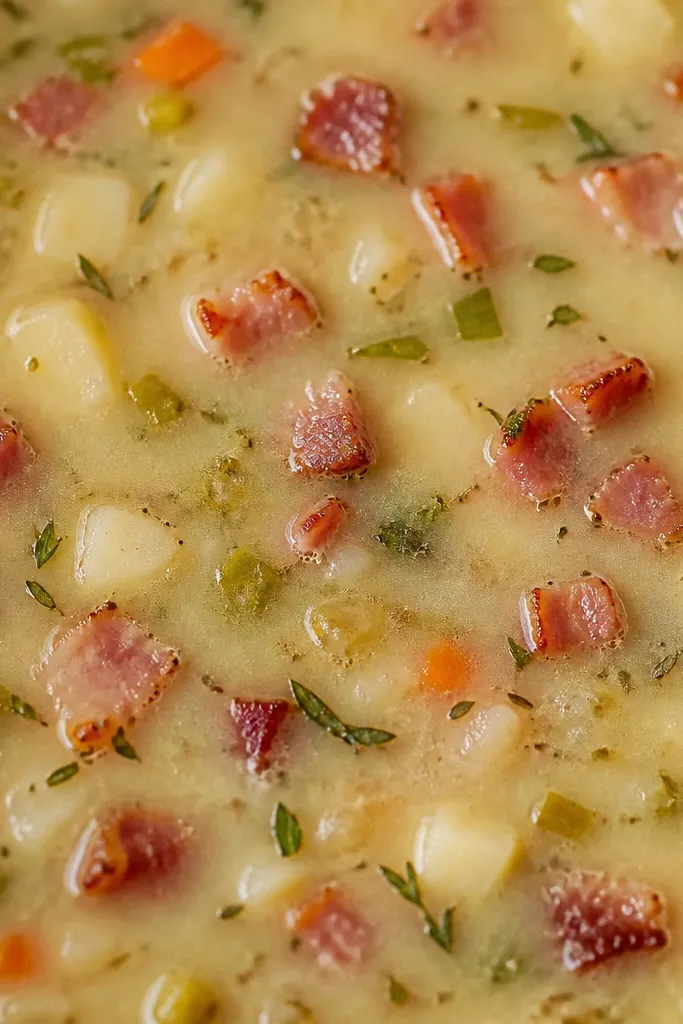
Pancetta adds a smoky-salty edge, but the goal is flavor, not grease. When it's cooked until lightly crisp, it releases fat that blends into the broth. That keeps the surface from looking oily while still giving you that old-school depth.
Cut pancetta into small strips and cook in olive oil until edges turn golden, then stir in soffritto. Don't crowd the pan - use a wide pot so it browns instead of steams.
Try thisSkim any excess fat with a spoon if you see a thick oil layer before adding beans.
One warningAvoid using smoked sausage as a shortcut - the flavor jumps too hard and overpowers the beans.
6. Pasta that sits tender, not mushy
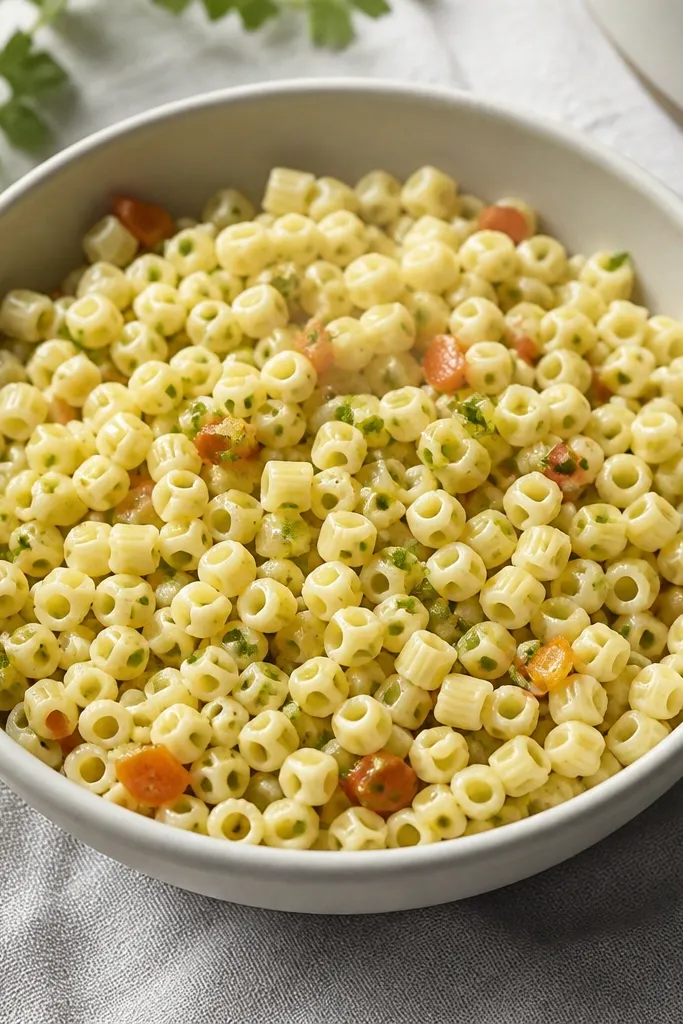
Traditional pasta fagioli has pasta that's cooked through but not collapsing. The broth thickens as starch dissolves, so pasta keeps softening after the pot is off. That's why timing matters more than brand.
Add pasta during the last 10 minutes of cooking. Start checking 2 minutes before the box time. If you want leftovers, cook pasta 1-2 minutes under, then reheat gently and finish in the broth.
Try thisStir the pot right after adding pasta so pieces don't clump on the bottom.
One warningAvoid reheating aggressively - high heat breaks the pasta texture and makes the soup look dull.
7. Herb finish with flat-leaf parsley
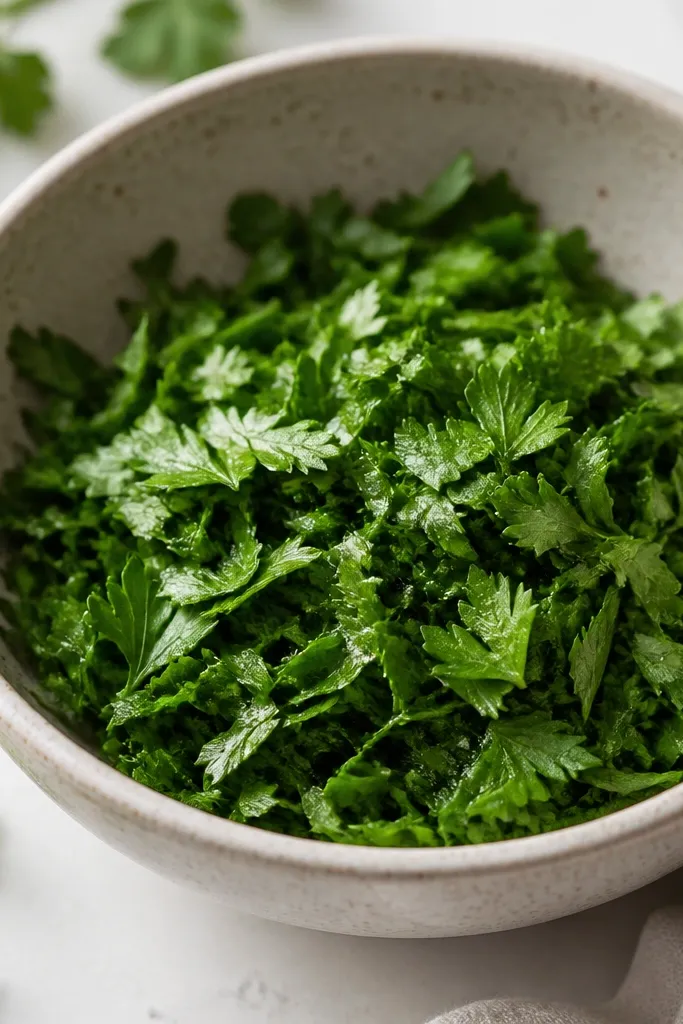
Parsley adds color contrast against the red-brown broth. Flat-leaf parsley also tastes cleaner than curly when you sprinkle at the end. You get that fresh finish without turning the soup herbal or bitter.
Chop parsley fine and add right before serving. If serving later, keep parsley separate and sprinkle at the last second. Use about 1 tablespoon chopped per 4 cups soup.
Try thisAdd black pepper right before serving; it blooms better than pepper added hours earlier.
One warningAvoid adding dried herbs early - they dull the broth and disappear into the bean flavor.
8. Cheese dusting with Pecorino Romano
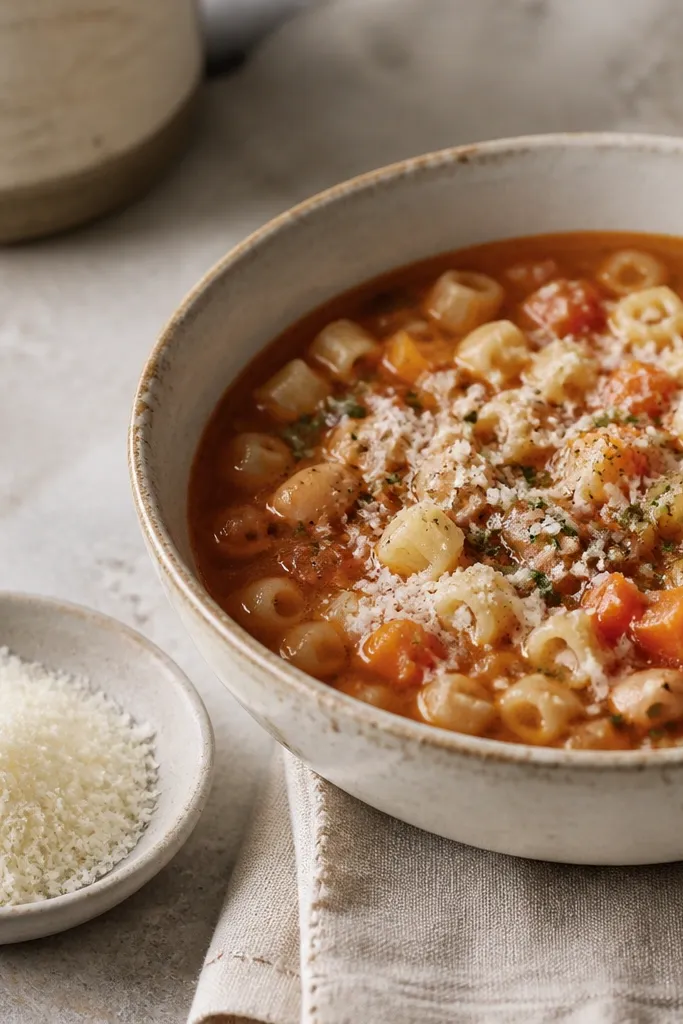
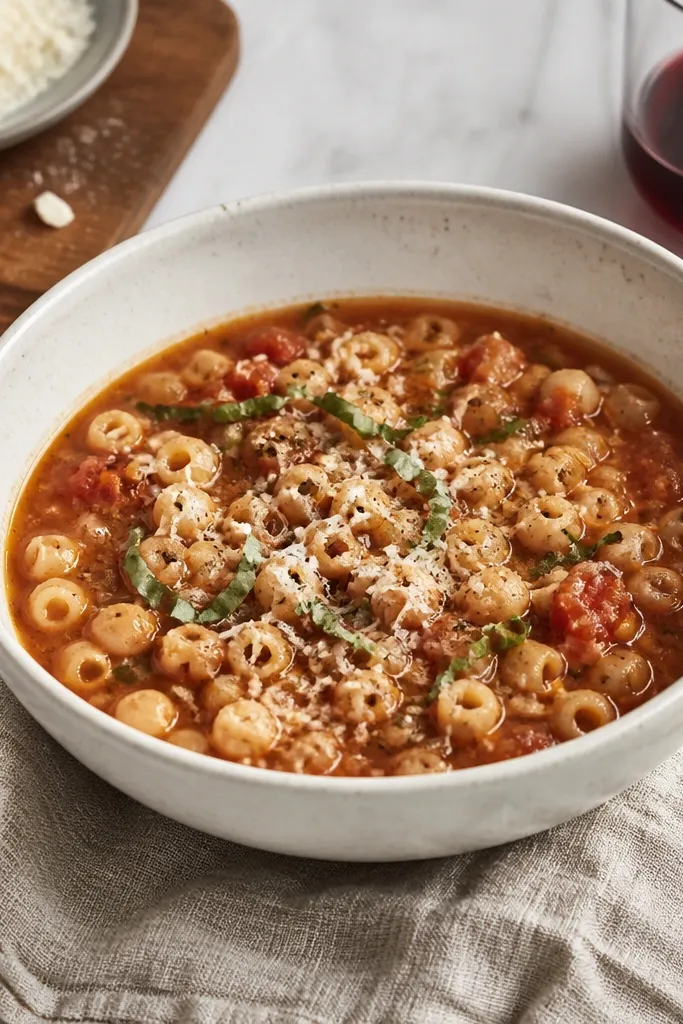
Pecorino Romano gives a sharp, salty bite that old-school tables love. It also thickens the surface slightly when it hits hot broth, which makes the bowl look more cohesive. The key is to keep it as a dust, not a thick layer.
Grate Pecorino Romano on the fine side. Serve it at the table so people add what they want. If you mix cheese into the whole pot, the soup can turn grainy when reheated.
Try thisGrate fresh - pre-grated cheese melts unevenly and tastes flatter.
One warningAvoid mozzarella or soft cheeses - they make the soup look like it's gone off course.
9. Garlic aroma from gentle infusing
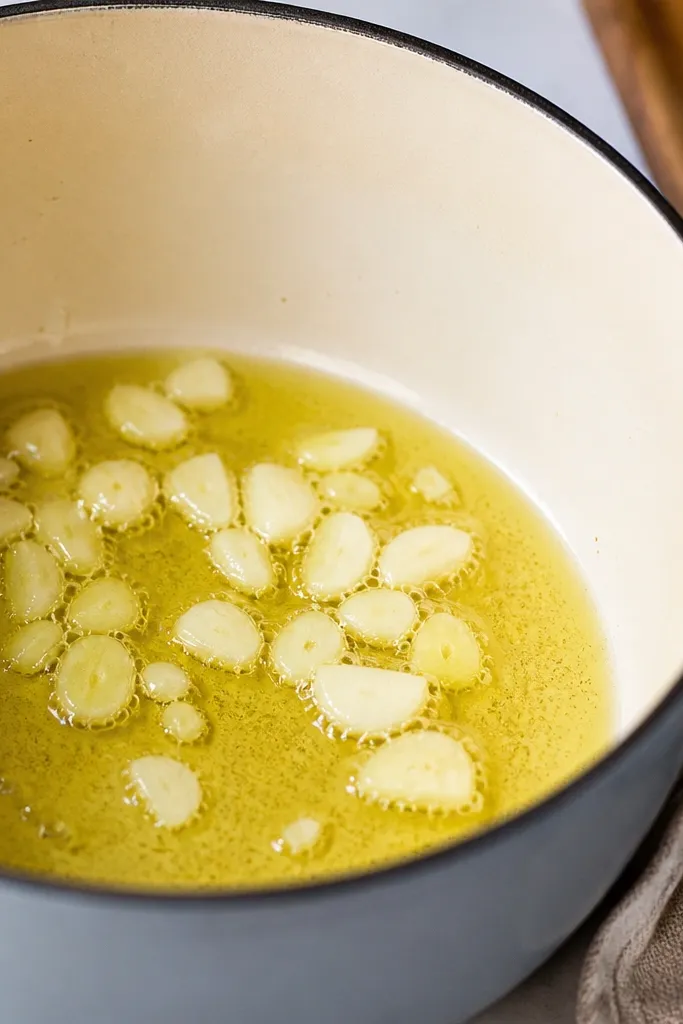
Old-school pasta fagioli has garlic that smells sweet, not harsh. Lightly golden garlic adds warmth that sits under the tomato and beans. If garlic browns, it tastes bitter and drags the whole bowl down.
Either mince garlic fine or use sliced cloves. Cook for 30 seconds after soffritto, then add tomato immediately. Keep heat at medium so it perfumes without scorching.
Try thisIf you accidentally brown the garlic, add the tomato right away and stir hard for 30-60 seconds to reduce bitterness.
One warningAvoid adding garlic at the same time as long-simmering ingredients - it turns dull and can taste raw.
10. Bean liquid swap for maximum flavor
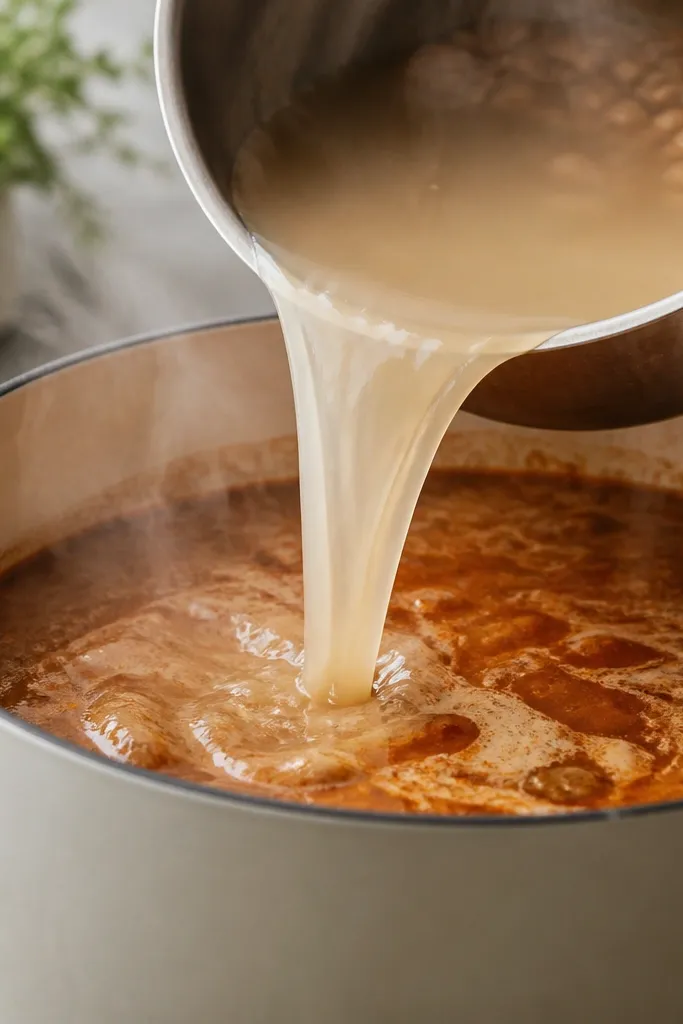
Using bean liquid instead of plain water makes the broth taste like you cooked from scratch. It carries starch and bean flavor that helps thicken without extra flour. The soup ends up tasting round instead of "just tomato and salt."
If using dried beans, reserve cooking liquid. If using canned beans, drain and rinse, then use low-sodium broth and add a splash of bean liquid from the can if you want a stronger bean note.
Try thisAdd liquid gradually and stop at the thickness you want, then adjust with a mash.
One warningAvoid water-only cooking if you're going for traditional flavor - it flattens the taste and makes the texture harder to fix.