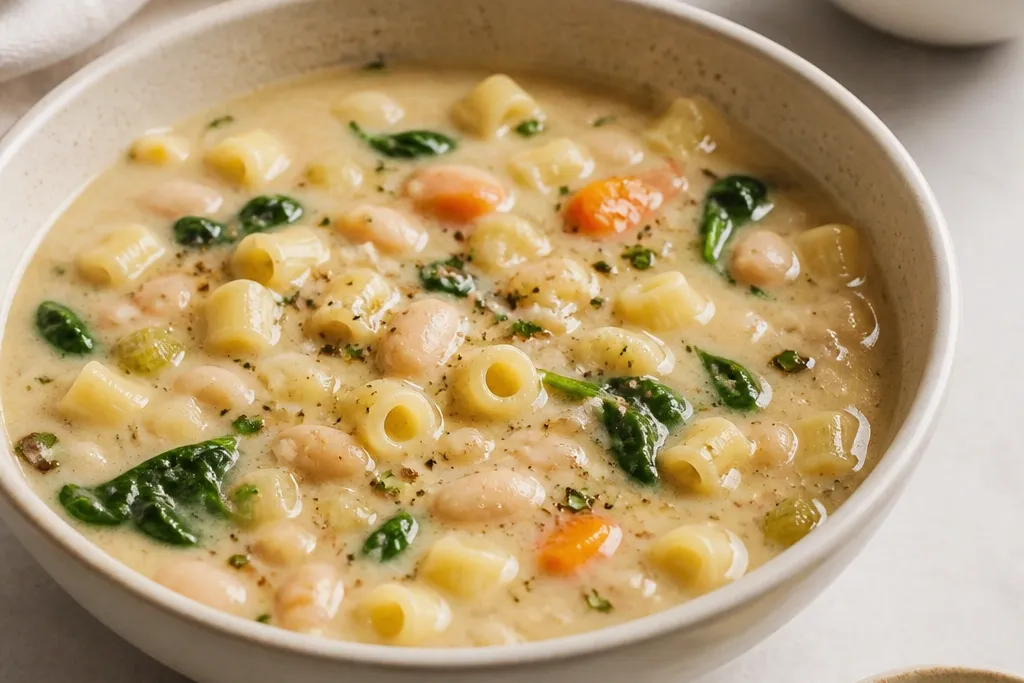
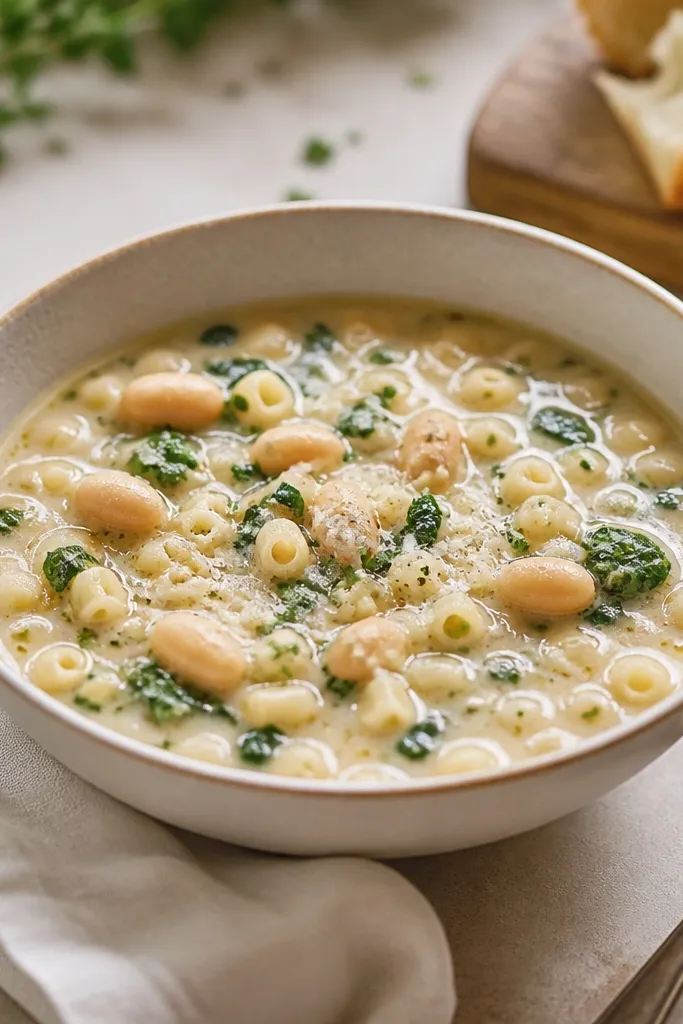
1. Creamy Cloud Bowl with Parm Snow
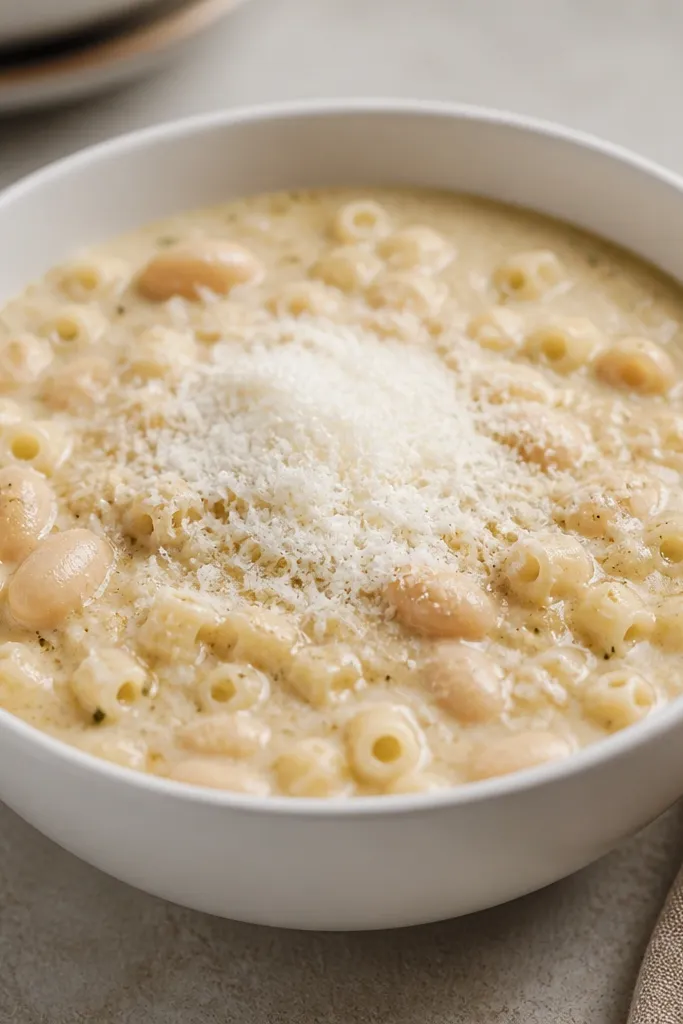
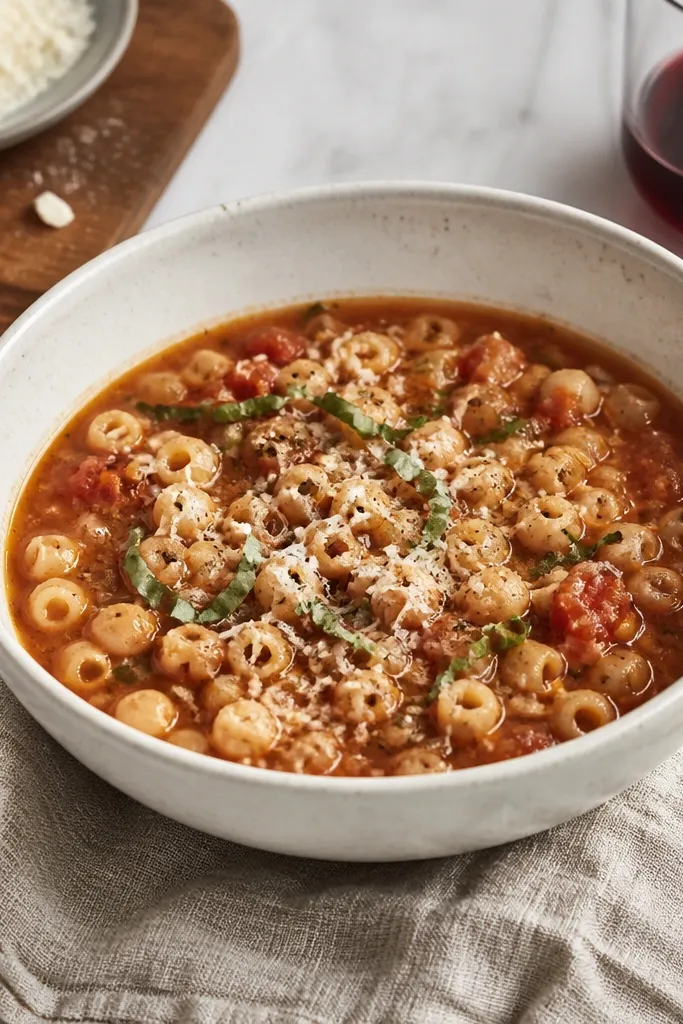
This look is all about contrast: a pale, milky base with visible pasta and beans. Finely grated Parmigiano-Reggiano creates the "snow" effect because it melts in tiny flakes rather than clumping. The sauce should look smooth and glossy, not foamy. I like this most when the pot has thickened naturally and the spoon leaves a slow trail.
Use a wide-rim white bowl so the sauce doesn't look gray. Grate Parm on the smallest holes, then sprinkle right before serving. Aim for a thick ladle - if the sauce pours like soup, it won't hold the snow effect.
Try thisRest the pot 5 minutes after simmering so the surface sheen looks silky when you ladle it.
One warningSkipping the rest time makes the sauce stay loose, and the cheese sinks into a puddle.
2. Olive Oil Sheen with Black Pepper Speckles
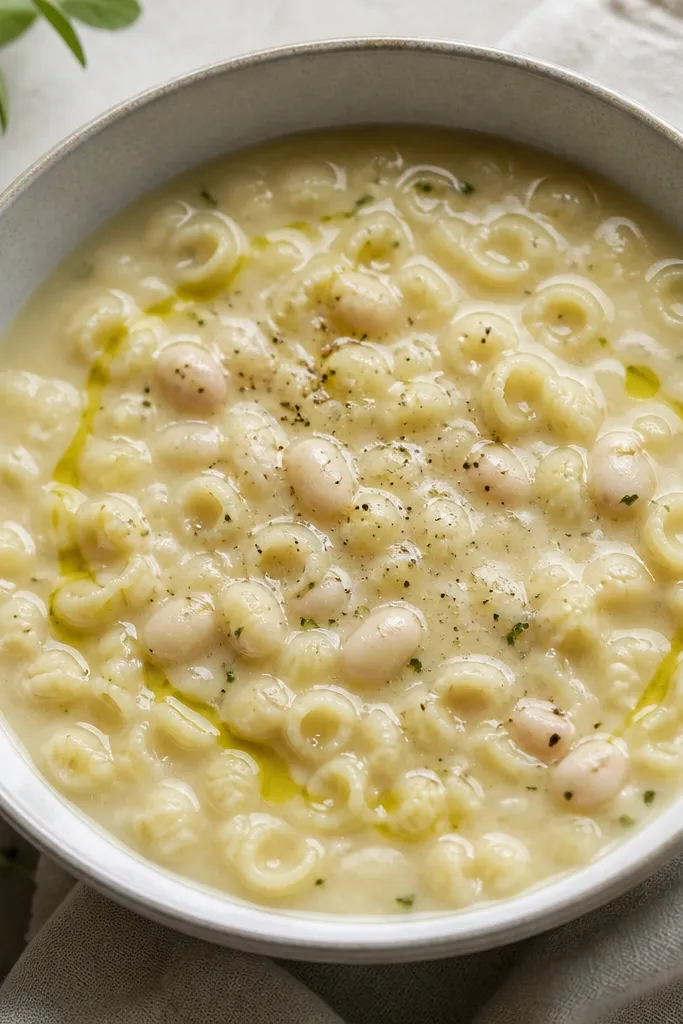
A tiny amount of good olive oil makes the whole dish look richer without changing the flavor profile much. The oil sheen catches light, so the bowl looks appetizing even in low kitchen lighting. Black pepper speckles add visual texture and make the creamy color feel intentional, not bland.
Drizzle 1 to 2 teaspoons olive oil after ladling, then grind pepper over the top. Keep the oil pour slow so it forms a sheen, not a separate oily layer. Use a spoon to swirl once - one turn is enough.
Try thisUse a pepper grinder with a medium grind; the specks should be visible but not gritty.
One warningAdding olive oil to the pot early can muddy the surface and dull that clean sheen.
3. Lemon-Edge Brightening
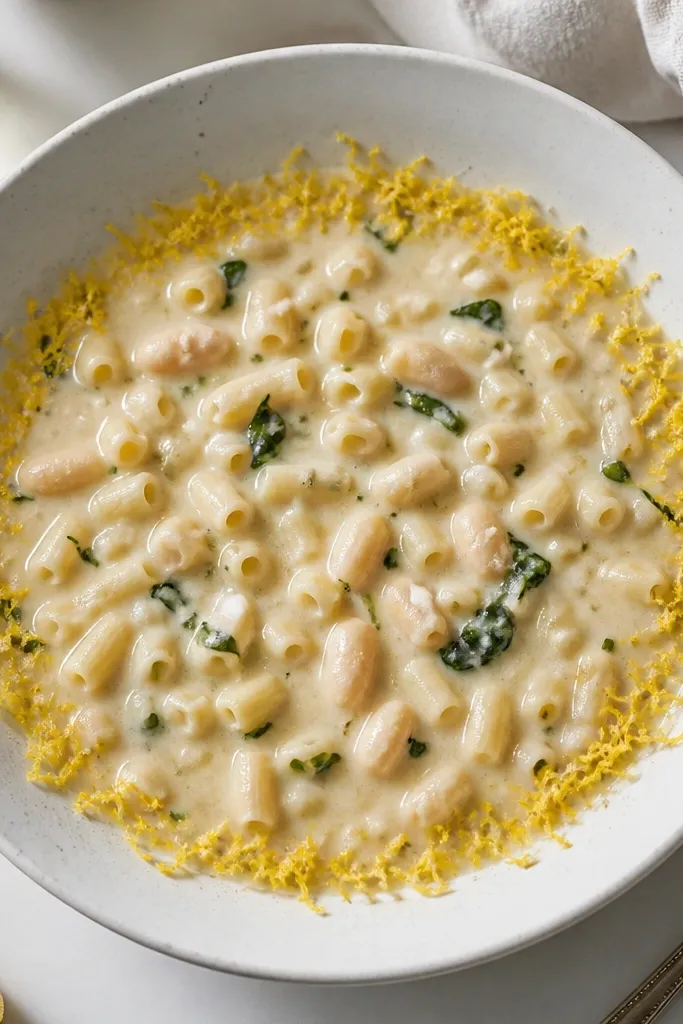
Lemon zest on top makes the creamy color feel brighter. It's a visual cue and a flavor cue at the same time, and it keeps the dish from tasting one-note. I use zest, not juice on top, because zest sits dry and doesn't dissolve into the sauce.
Zest a lemon directly over the bowl using the fine side of a microplane. Sprinkle in a loose ring rather than a full dusting so you can see the bright yellow. Add zest right before serving so it stays fragrant.
Try thisUse a fresh lemon with a firm, smooth skin; it gives better zest color and smell.
One warningSqueezing juice in at the last second can create tiny sour pockets and a slightly curdled look.
4. Herb Pinwheel with Basil Threads
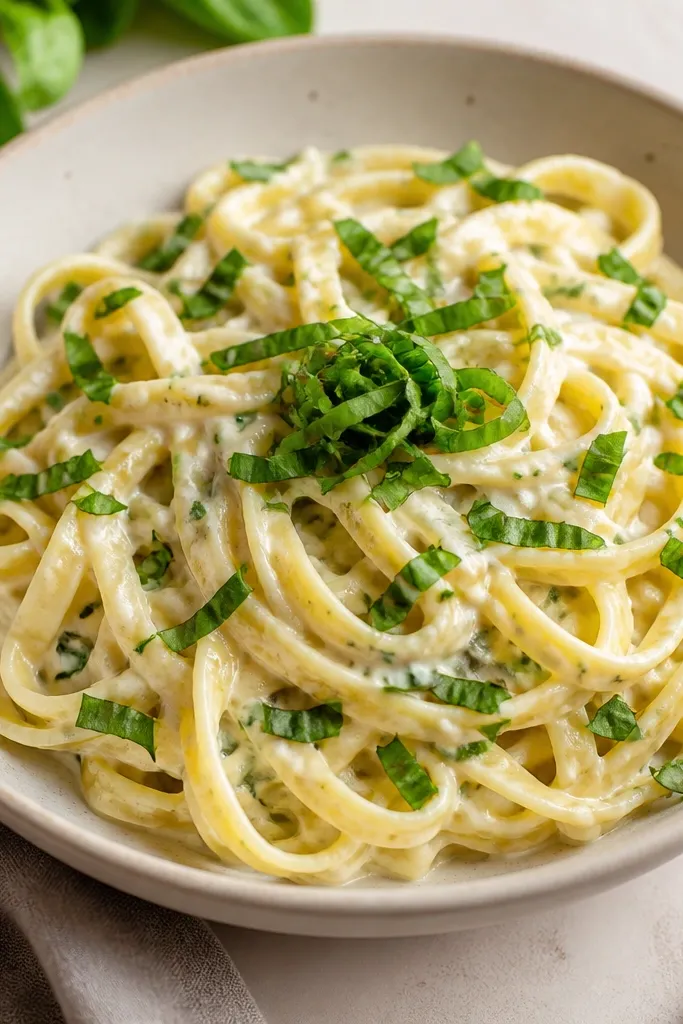
Basil gives you a clean green contrast against pale creaminess. When you chop it fine and sprinkle lightly, it looks fresh without turning the surface dark. It also makes the dish smell like a warm kitchen instead of just "stew."
Use basil leaves, remove the thick stems, then stack and roll-chop into thin ribbons. Sprinkle 1 to 2 tablespoons total over the bowl. Keep the herb away from the rim if you're serving in a wide bowl that shows drips.
Try thisAdd basil at the end and don't stir hard; you want it to sit on top.
One warningBoiling herbs with the sauce turns them olive-brown and kills the fresh look.
5. Garlic Crouton Crunch Contrast
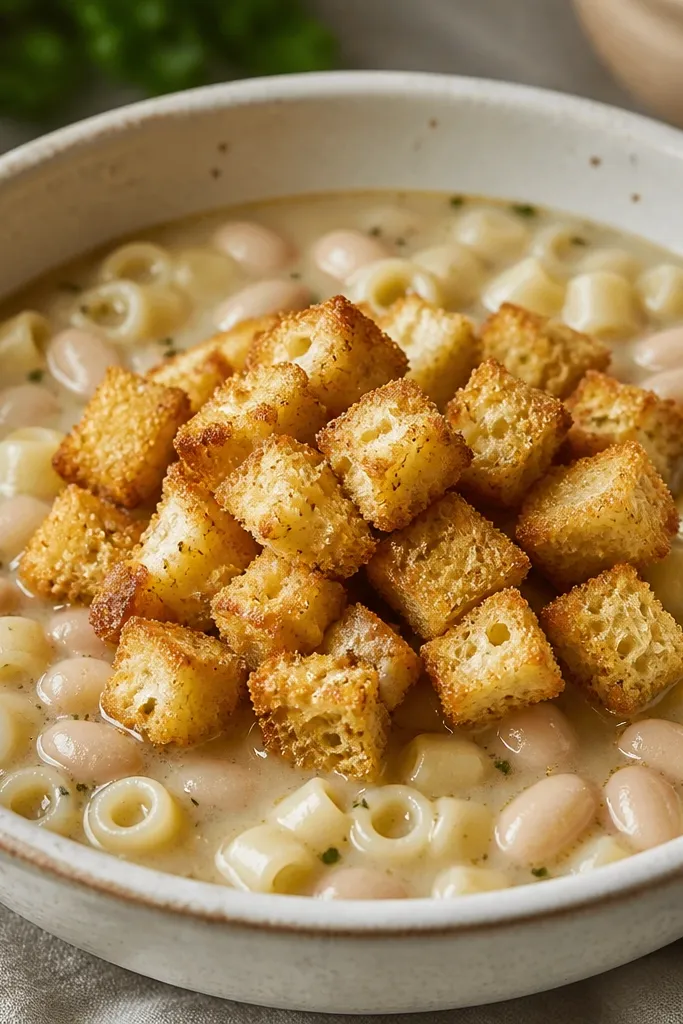
Crunch changes how creamy food feels. Golden croutons look warm and intentional on a pale bowl, and they keep each bite from feeling like a single texture. The garlic smell also makes the mild flavor feel more dimensional.
Cube day-old bread into 1/2-inch pieces. Toss with olive oil, minced garlic, and a pinch of salt, then bake or pan-toast until golden. Add croutons right before serving so they don't soak through in five minutes.
Try thisToast until the edges feel dry to the touch; soft croutons disappear fast.
One warningAdding croutons early makes the bowl look sad and soggy.
6. Parmesan Biscuit-Style Side Swipe
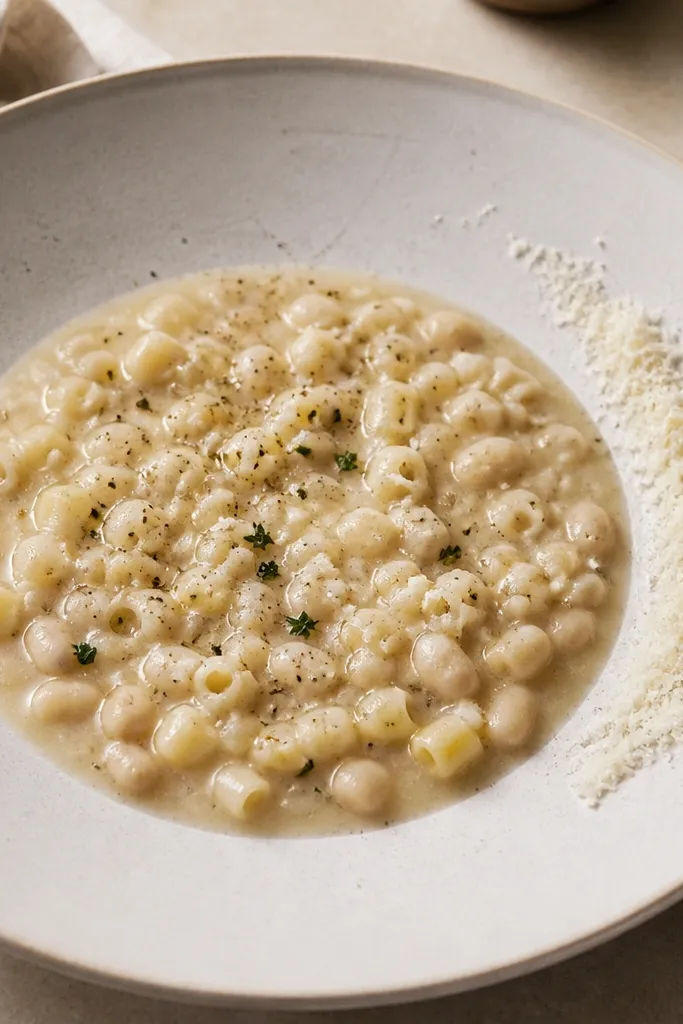
This is a plating trick I learned from serving buffets: you control where the cheese lands. A side swipe keeps the top looking clean and creamy while still giving you that salty punch in every forkful. It also keeps cheese from clumping into a wet patch.
Grate Parm finely. Ladle pasta into a shallow bowl so the surface is visible, then sprinkle a thin line of cheese on the rim-facing side. Don't overload; you want the line to be light enough to fall onto the first scoop.
Try thisUse a spoon to tap the cheese line into a neat edge.
One warningDumping cheese on top creates a thick crust that can look greasy.
7. Swirl Bowl with Spoon Trails
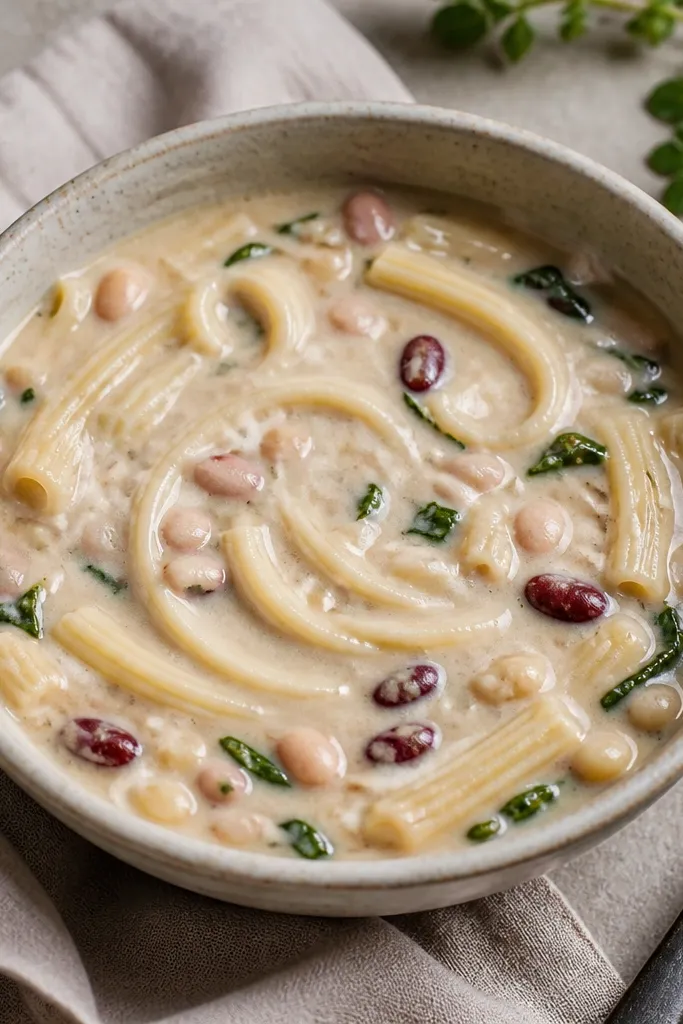
Swirl plating makes the dish look thicker and more "set" even if it's just resting. The spoon trails show you have enough body to move the surface slowly. It also hides small lumps because the motion blends them into the swirl.
Ladle the soup into the center. Use the back of a spoon to draw one or two big circles across the top. Stop once the swirl looks smooth; too many swirls make it look messy.
Try thisIf the surface is too thin, simmer 3 to 5 minutes longer instead of doing extra stirring.
One warningAggressive stirring breaks the texture and can make foam on top.
8. White Bowl + Red Pepper Edge
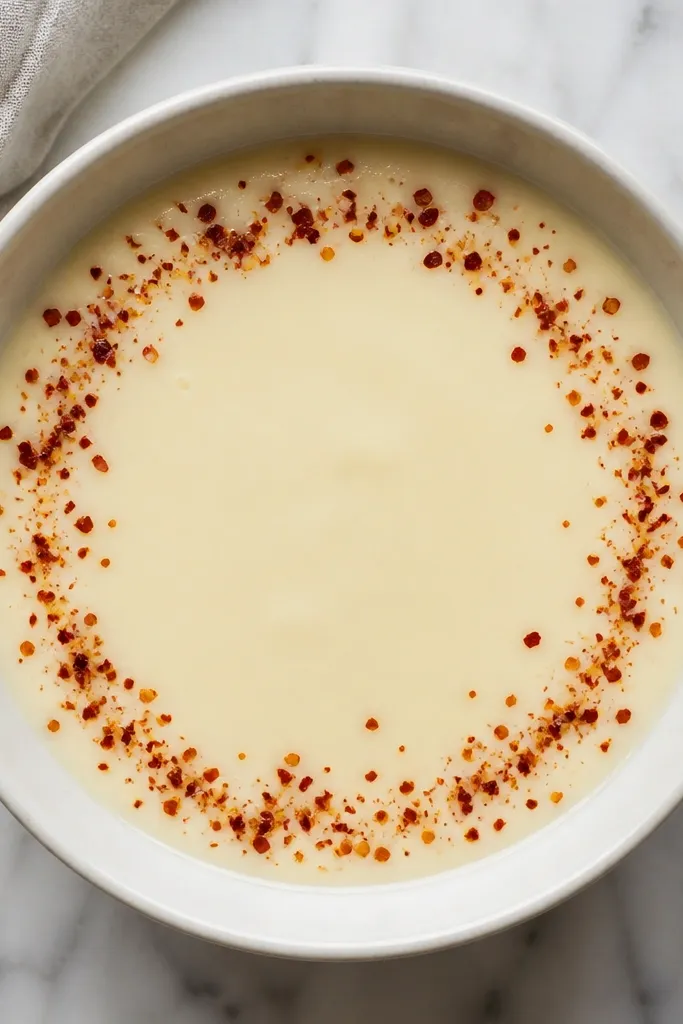
A little red on the edge makes the dish look more "done" without overpowering the mild flavor. It gives a visual cue that there's warmth inside, even if you keep the heat low. I like this when I'm serving guests who worry about spice.
Crush red pepper flakes slightly so the pieces look delicate. Pinch them over the rim and stop. If your flakes are too big, they look harsh against the creamy base.
Try thisKeep crushed red pepper separate from the pot so the color stays bright.
One warningStirring in red pepper early can tint the whole sauce and make it look muddy.
9. Balsamic-Glazed Shallot Accent
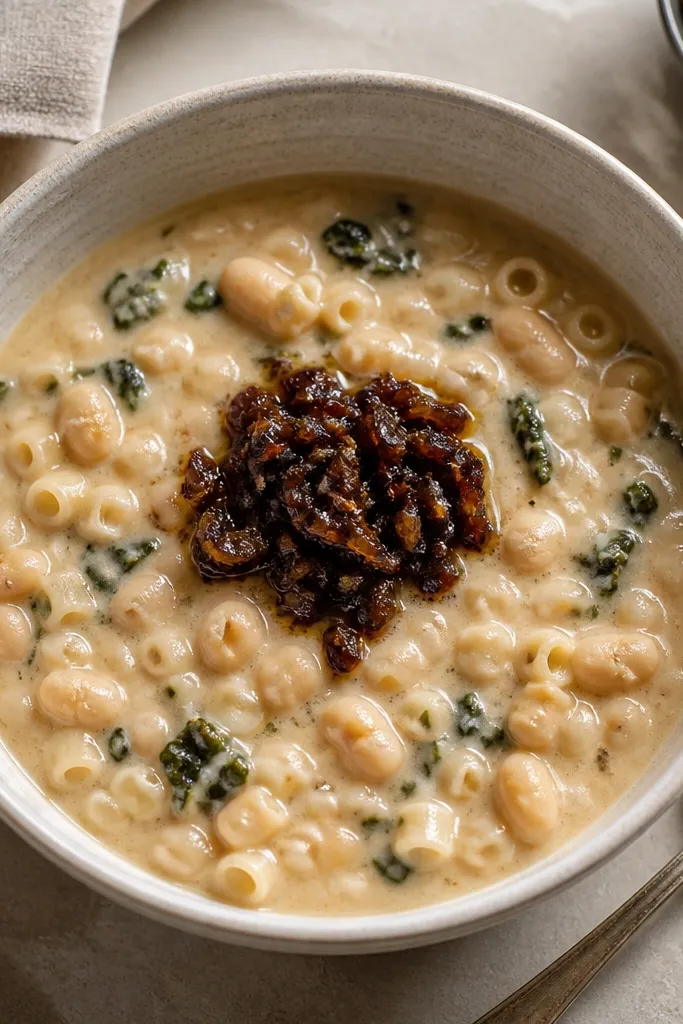
This is a bold visual trick for an otherwise mild dish. The dark glossy shallots look like a restaurant finish, but you only use a teaspoon so the flavor stays gentle. It's not traditional, but it makes the bowl look layered and intentional.
Cook thin-sliced shallots in olive oil until soft, then add a splash of balsamic and cook until syrupy. Spoon a small dot in the center of the bowl. Keep it tight to one spot so it doesn't stain the creamy surface.
Try thisMake the shallots ahead and cool them - warm glaze slides and stains faster.
One warningUsing too much topping turns the dish brown and takes over the flavor.
10. Capers and Lemon Zing Top
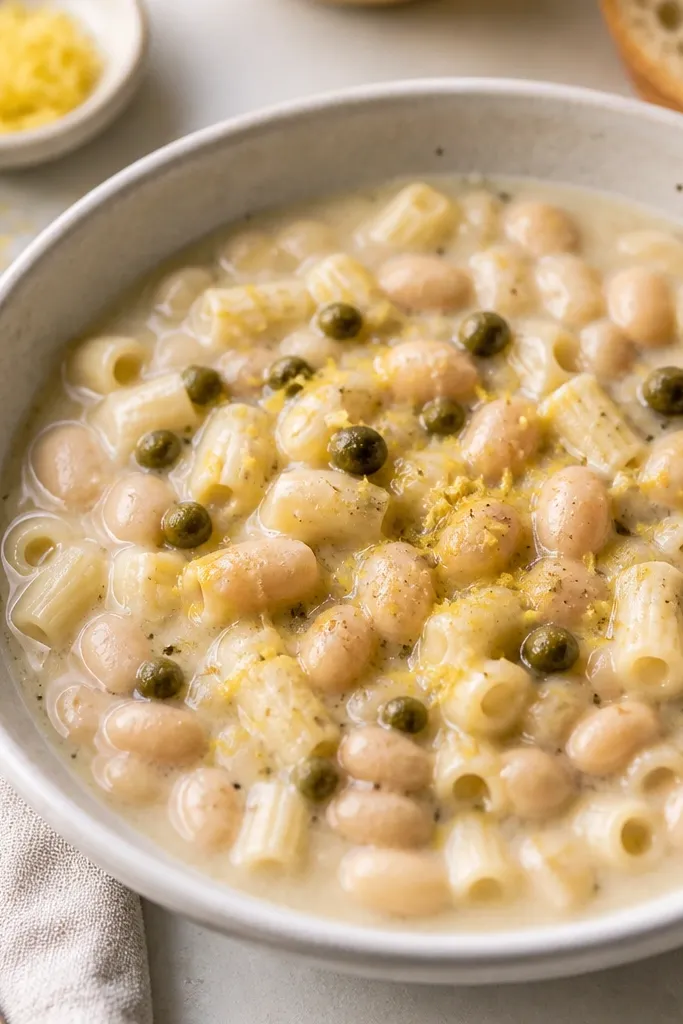
Capers look like little green pearls on a pale bowl. They also add a salty pop that keeps mild creamy food from tasting flat. When you use only a few, the dish stays cozy and light, not briny.
Drain capers well and pat dry. Sprinkle 1 to 2 teaspoons over the top, then add a tiny pinch of zest. Don't stir them in - you want the pearls to sit where they land.
Try thisChoose capers packed in brine, not those with a heavy oil coating, for a cleaner look.
One warningAdding capers directly to the pot can tint the sauce and make it look gray.