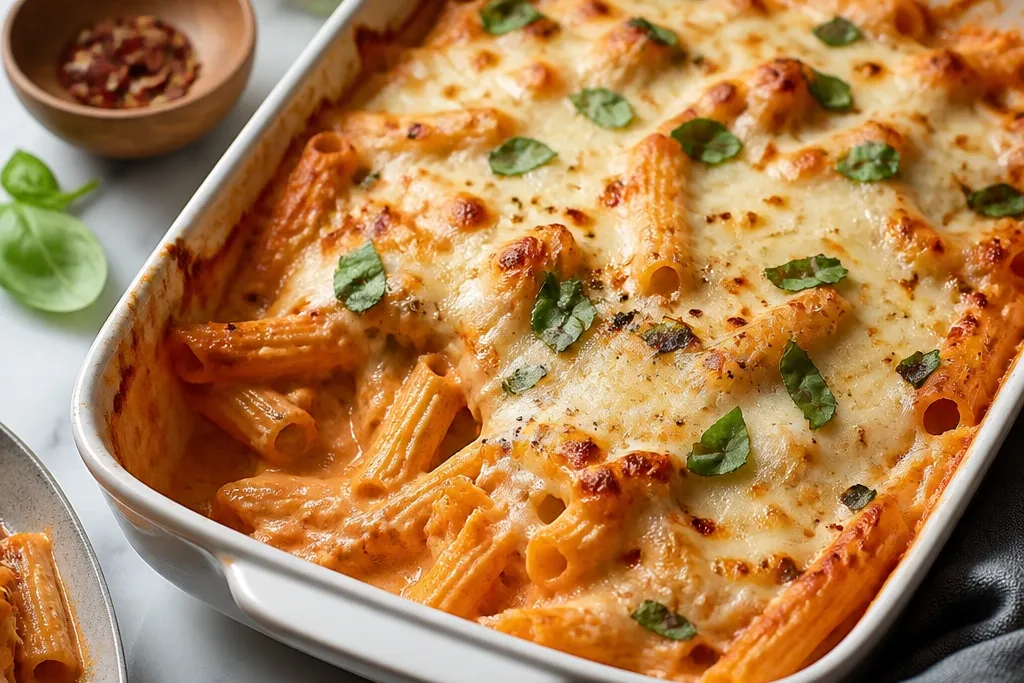
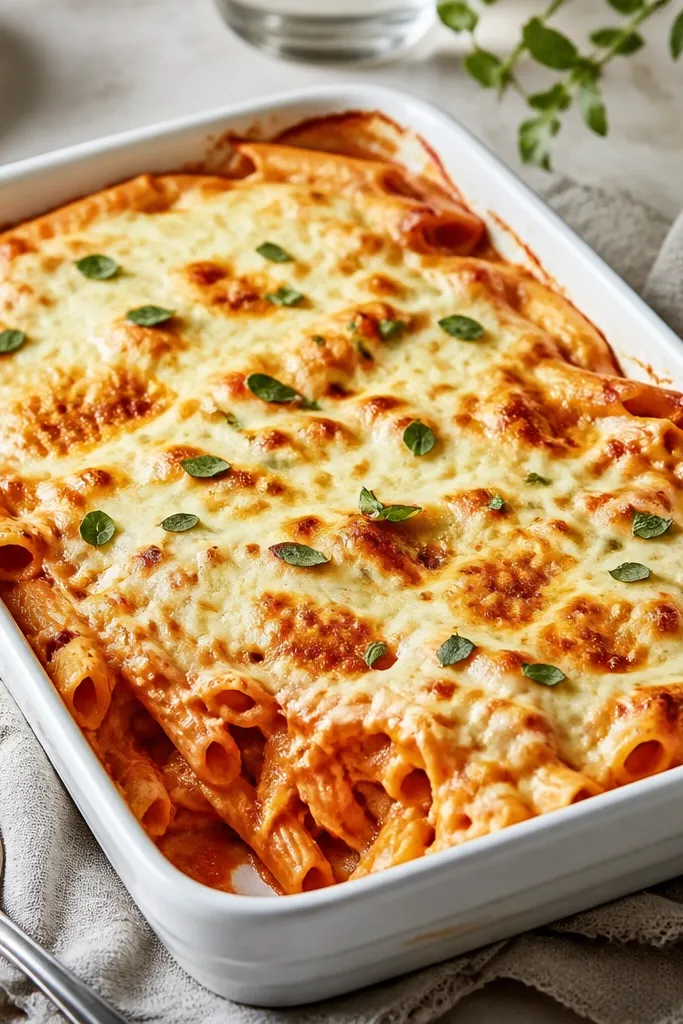
1. Golden Bubble Crown with Mixed Melt Cheeses
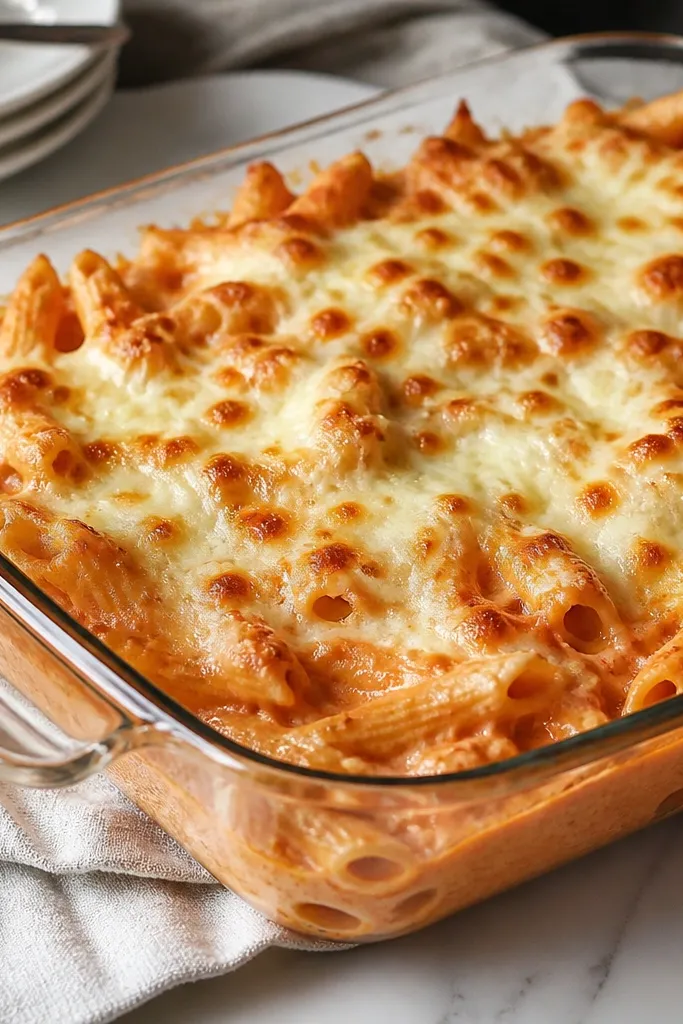
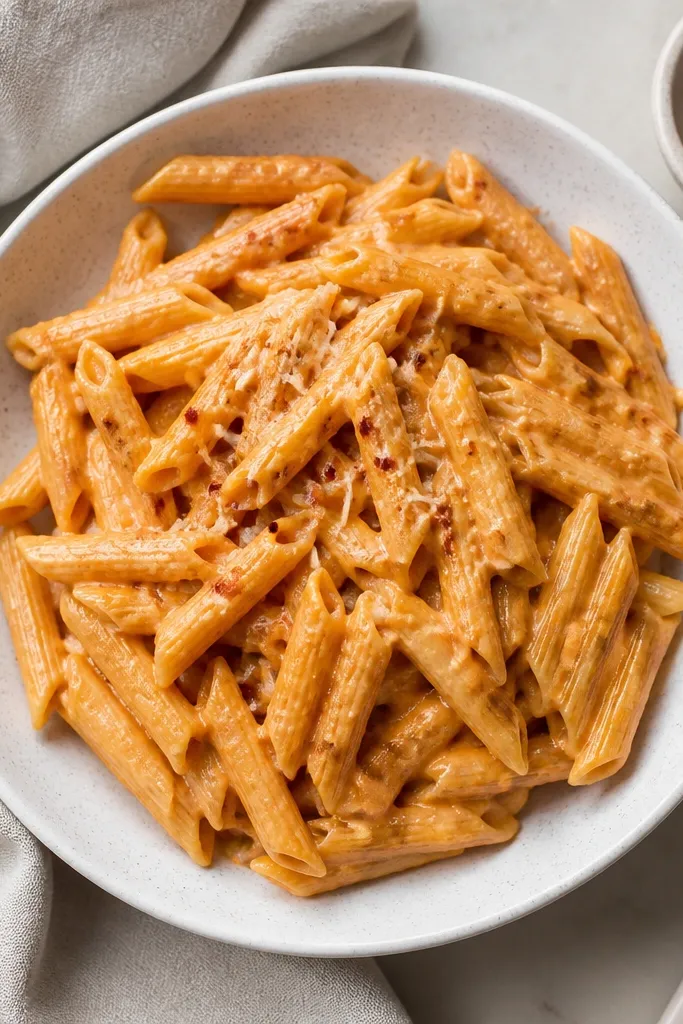
This look comes from mixing mozzarella with a provolone-style cheese. Mozzarella gives you elastic stretch and glossy bubbles; provolone adds a sharper flavor and helps the browned areas look deeper instead of just yellow. I keep the cheese layer thick enough that bubbles form, but I don't pack it flat - it needs little ridges so the cheese puffs.
Use about 2 cups shredded cheese for a 9x13-inch dish. Spread it to cover the entire surface, then gently press with the back of a spoon so it sticks to the sauce. Bake at 425°F for 18 minutes, then broil 2 minutes. The rack should sit around 6 inches from the broiler for fast color.
Try thisRight after broiling, drizzle 1 teaspoon olive oil over the hottest spots - it makes the browned bubbles look lacquered.
One warningDon't use pre-shredded bagged cheese alone; it browns unevenly and can look waxy instead of bubbly.
2. Lacy Parmesan Edge with a Light Hard-Cheese Dust
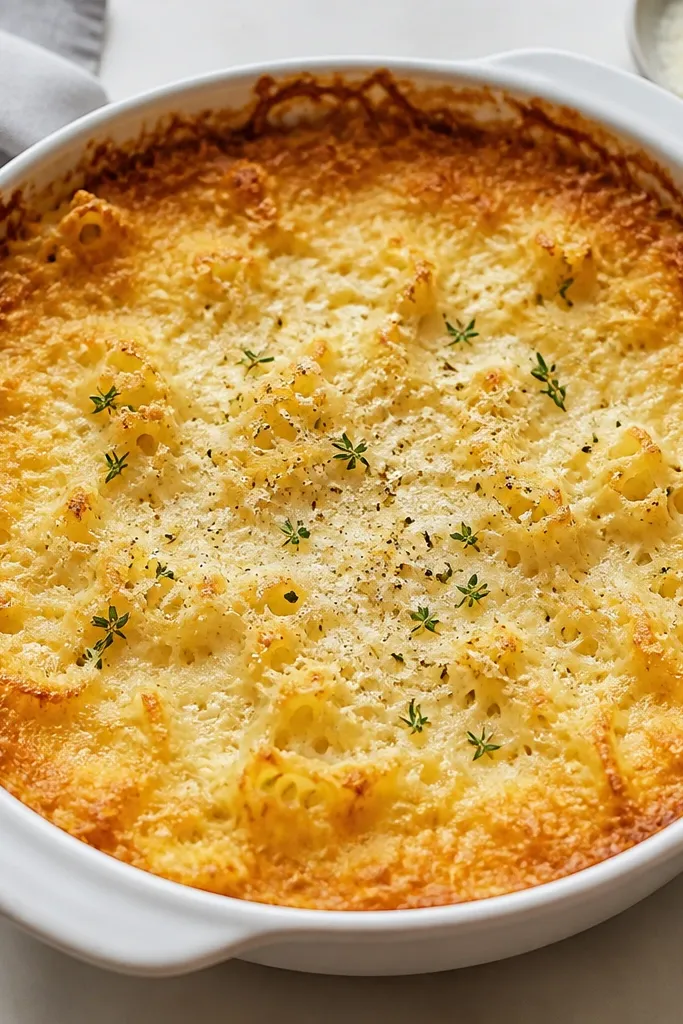
Hard cheese on top creates that lacy edge because it dries slightly and browns in thin layers. I sprinkle a restrained amount of finely grated parmesan or pecorino over the melted cheese so you get crisp speckles instead of a thick crust. The base melt stays creamy, and the edge looks like it has a crunchy halo.
After you spread shredded mozzarella/provolone, sprinkle 1/4 cup finely grated parmesan. Keep the dust light and even - you should still be able to see melted cheese underneath. Bake 425°F for 16 minutes, then broil 1 minute. Let it rest 3 minutes so the lace firms up.
Try thisGrate parmesan on the fine holes of a box grater so it melts into thin, crisp threads.
One warningSkip the thick "snowfall" of hard cheese; big piles turn into a dry sheet that breaks when you scoop.
3. Marbled Cheesy Top with Spoon Swirls
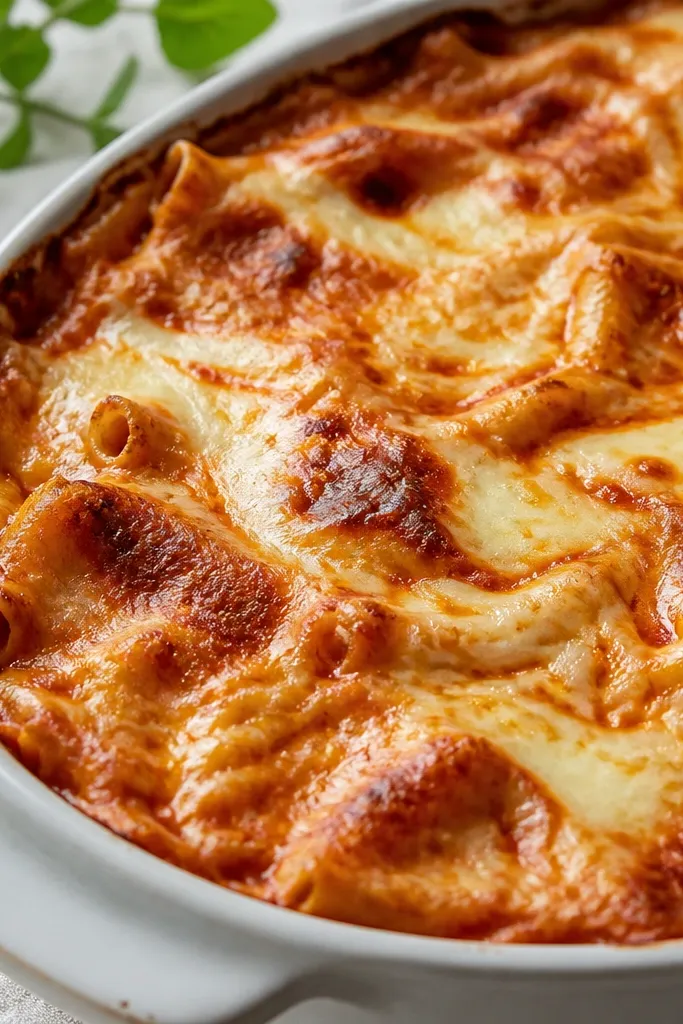
Marbling happens when you swirl cheese into the sauce instead of laying it flat. I do this by dolloping small spoonfuls of cheese mixture across the top, then dragging a spoon through it once or twice. The result is a mix of creamy pockets and browned ridges that look bakery-style.
Mix 1 cup shredded mozzarella with 1/2 cup ricotta or thick sour cream. Drop small dollops over the pasta, then drag a spoon gently through the top in 4-6 slow lines. Bake 425°F for 20 minutes, then broil 2 minutes until you see browned ridges. Rest 5 minutes for clean scoops.
Try thisUse a wide spoon for the swirl - it leaves thicker ridges that brown nicely.
One warningDon't over-swirl; too much mixing makes the top look streaky and underbaked.
4. Crisp-First Broiler Finish with a Dark Spot Pattern
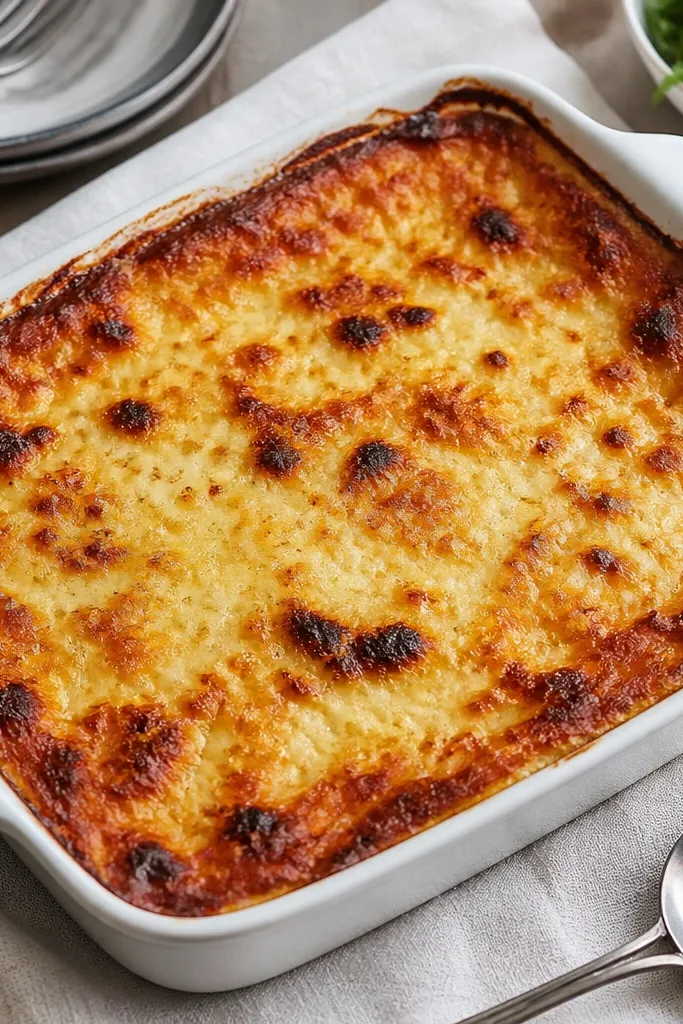
If you want that speckled, restaurant-style pattern, you need a broiler finish that hits the surface hard after the pasta is hot. The top browns where it's slightly drier, so the center stays golden while edges go darker. This look is all about timing and rack height.
Bake covered for 15 minutes at 425°F, then uncover and broil. For the broil, move the rack to about 6 inches from the heat and broil for 60-90 seconds. Keep the door cracked if your oven allows it - you want fast color, not a full burn. Rest 4 minutes before serving.
Try thisIf your broiler runs hot, set a timer for 75 seconds and pull it early - the cheese keeps cooking while it rests.
One warningDon't broil from a high rack; you'll get pale cheese and no speckle pattern.
5. Thick Cheese Cap with No-Slide Set
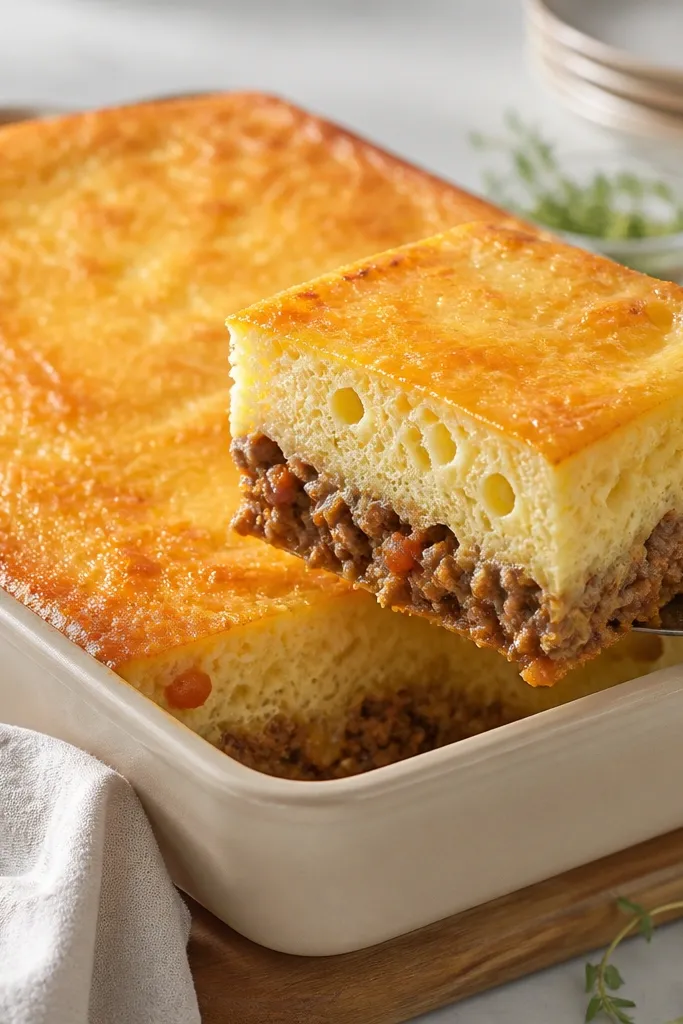
A "cap" look happens when the cheese layer sets into the sauce rather than melting straight down. I get this by using a thicker cheese layer plus a sauce that isn't watery. The top forms a stable crust, so the first scoop lifts cleanly and doesn't slump.
Use 3 cups shredded cheese for a 9x13-inch pan. Spread it thick, then sprinkle 1 tablespoon grated parmesan over the center only so you get a focal crisp spot. Bake 425°F for 22 minutes, then broil 1 minute. Rest 8-10 minutes so the cap firms.
Try thisLet it cool slightly before cutting - the cheese firms fast around the edges first.
One warningDon't skip the sauce simmer; watery vodka sauce makes the cap slide off the pasta.
6. Herb-Flecked Cheesy Top with Green Specks
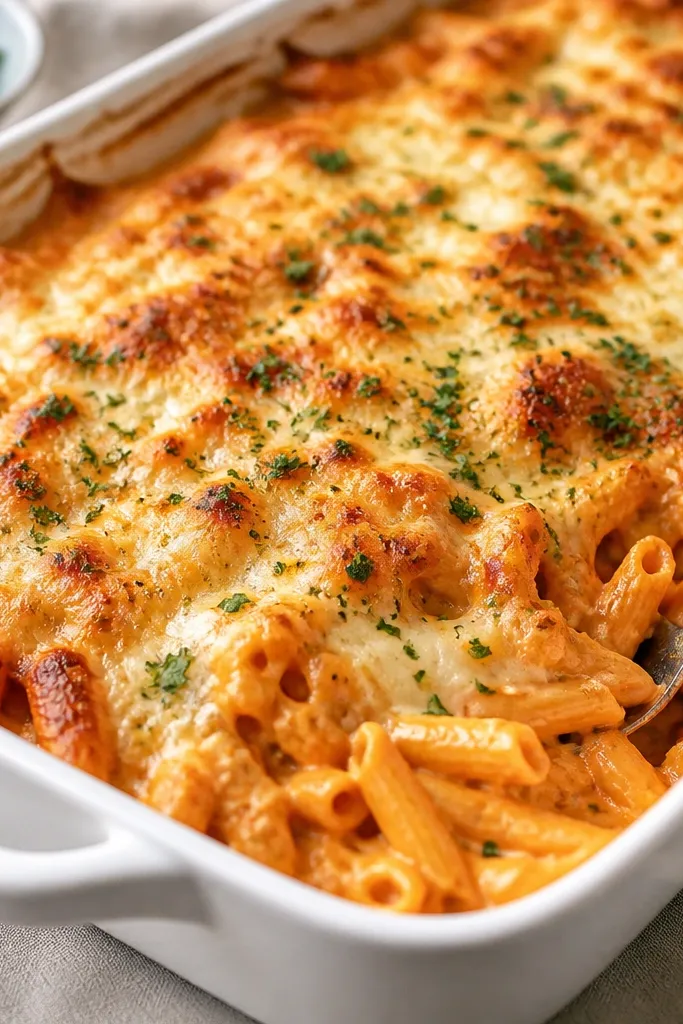
Herb flecks make the cheesy top look intentional, not plain. I use chopped parsley and sometimes a pinch of dried oregano mixed into the cheese before baking. The herbs darken slightly at the edges and add a fresh contrast against browned cheese.
Toss 2 cups shredded mozzarella/provolone with 1 tablespoon chopped parsley and 1/2 teaspoon dried oregano. Spread over pasta and bake 425°F for 18 minutes, then broil 2 minutes. Finish with another pinch of fresh parsley right after broiling.
Try thisPat fresh herbs dry before mixing so they don't steam and dull the surface.
One warningDon't dump wet herbs on top; they turn dark and look sad against the cheese.
7. Red Pepper Flake Heat with Browning Edges
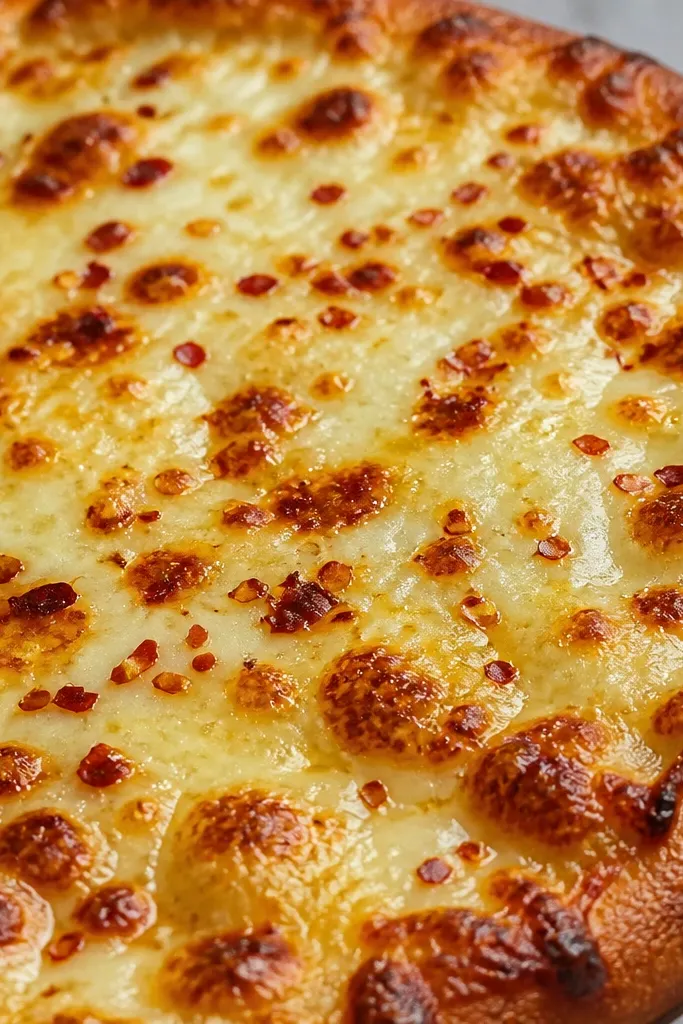
Pepper flakes add a visual pop and a little crunch where they land on the hottest cheese. I scatter them lightly so they toast instead of burn. The heat also makes the browned spots look more dramatic because the flakes catch the light against golden cheese.
After you spread cheese, sprinkle 1-2 teaspoons red pepper flakes over the surface. Bake 425°F for 19 minutes, then broil 1-2 minutes. Keep an eye on the flakes - they go from toasted to bitter fast.
Try thisUse a pinch at first, then add more after serving if you want the heat visible but not aggressive.
One warningDon't overdo flakes before broiling; too many burn into black bits.
8. Creamy Center with Browned Rim in a Shallow Pan
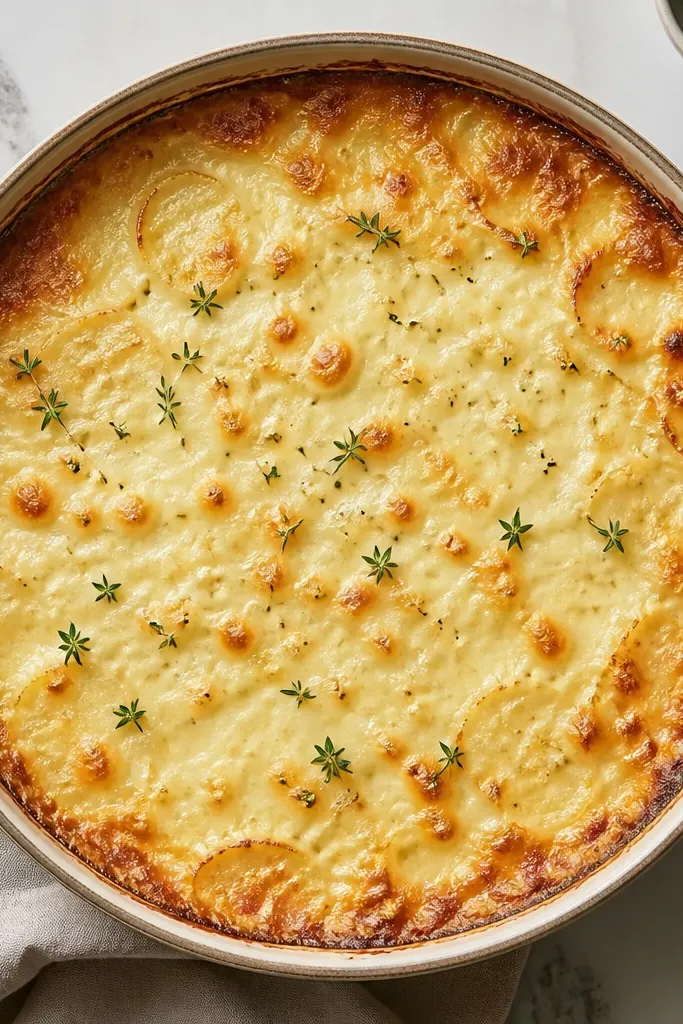
Shallow pans dry the surface faster, so you get a browned rim and a softer center. The cheese bubbles look tighter because there's less depth for steam to expand them. If you like the look of a "creamier center," this is the pan choice.
Use a 9x9-inch or 10-inch shallow baking dish rather than a deep casserole. Spread cheese in an even layer but don't stack it higher than 1/2 inch. Bake 425°F for 16-18 minutes, then broil 2 minutes. Rest 6 minutes.
Try thisIf your rim browns too fast, cover with foil for the first 10 minutes, then uncover for the final bake and broil.
One warningDon't use a deep pan for this look; you'll get pale top and big bubbles that sink.
9. Toasted Garlic Butter Drizzle on the Cheese Surface
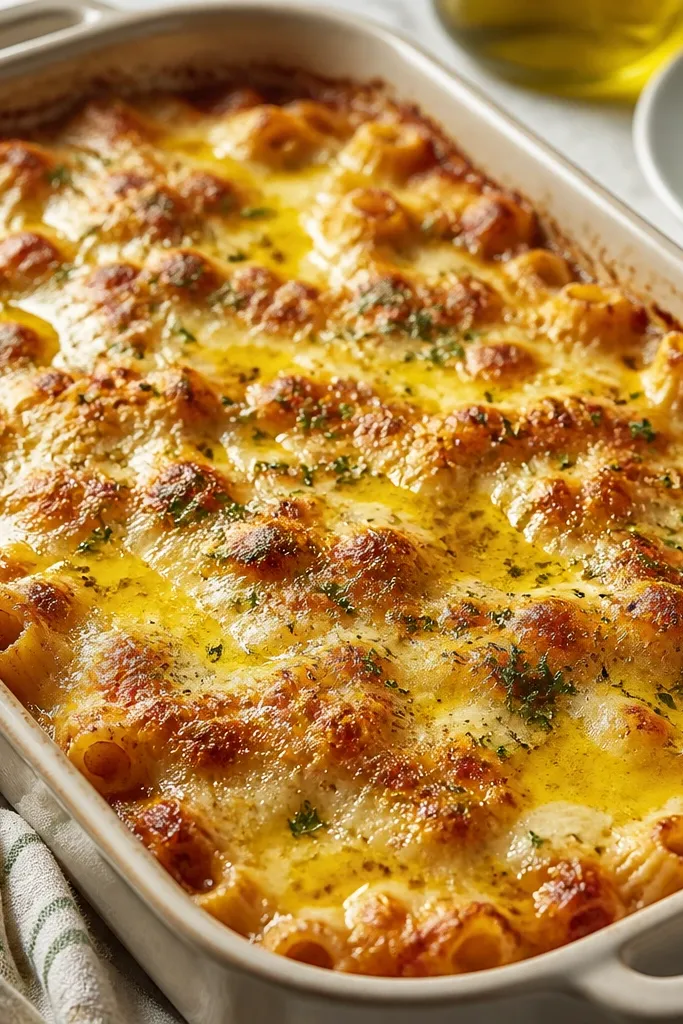
A garlic butter drizzle makes the top look restaurant-finished. It also helps the browned areas look less dry because the fat coats the crisp edges. I keep the drizzle small so it doesn't pool - the cheese should stay bubbly, not greasy.
Mix 2 tablespoons melted butter with 1/2 teaspoon garlic powder (or 1 minced clove cooked briefly in butter). Drizzle about 1 tablespoon over the cheese immediately after broiling. Keep the rest for dipping or another small drizzle at serving.
Try thisUse garlic powder for even flavor and less risk of burned garlic bits.
One warningDon't drizzle before baking; it can melt through and make the top oily.
10. Two-Layer Top with Broil-Ready Mozzarella Blanket
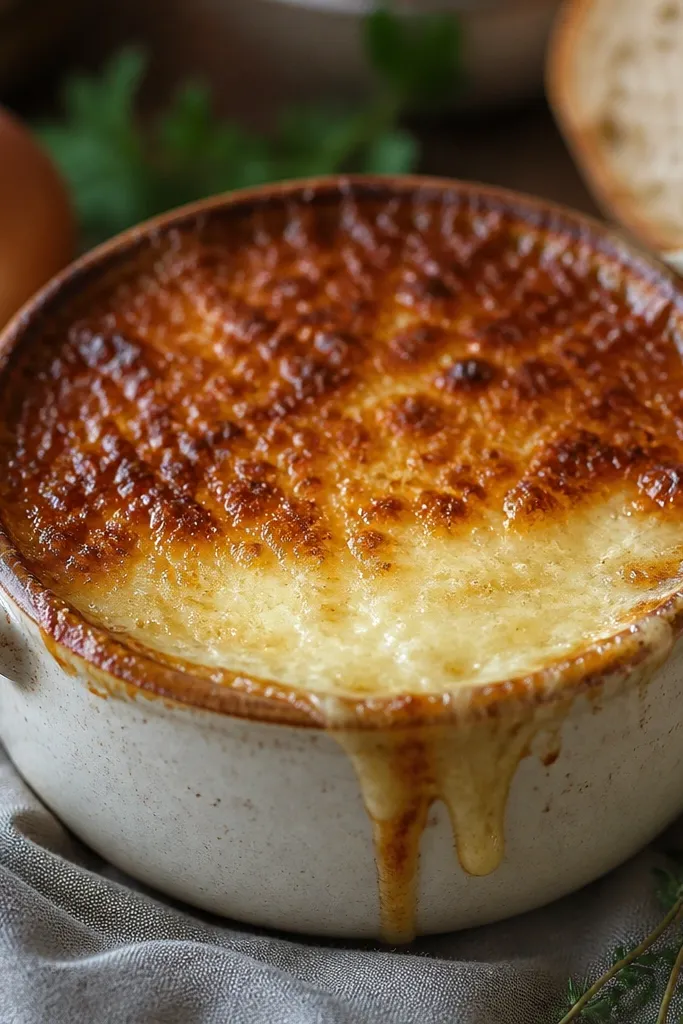
Two-layer tops brown better because the top layer is dry enough to caramelize while the lower layer stays creamy. I do this by adding some cheese mixed into the sauce, then covering with a second, thicker blanket of shredded mozzarella for browning. It gives you that layered depth when you scoop.
Toss 1 cup cheese into the pasta before baking. Then add another 2 cups shredded mozzarella on top after the pasta goes into the dish. Bake 425°F for 20 minutes, broil 2 minutes. Rest 7 minutes for layered slices.
Try thisPress the top blanket lightly - just enough to adhere so it browns as one surface.
One warningDon't mix all the cheese into the sauce; you lose the browned top you're chasing.