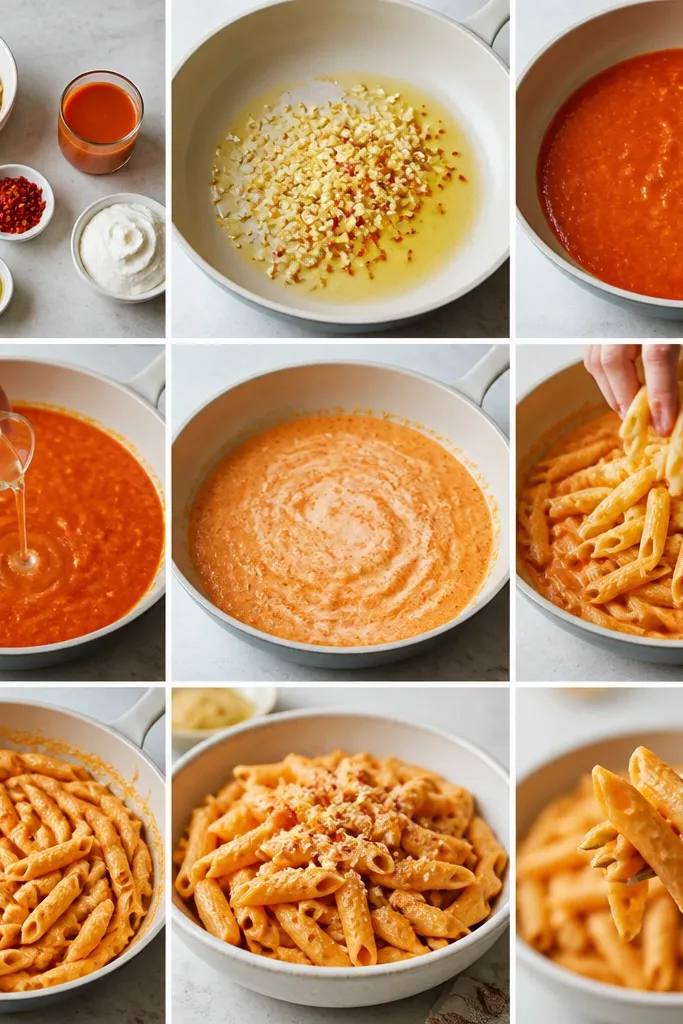
1. Glossy pink-orange sauce in a spoon test
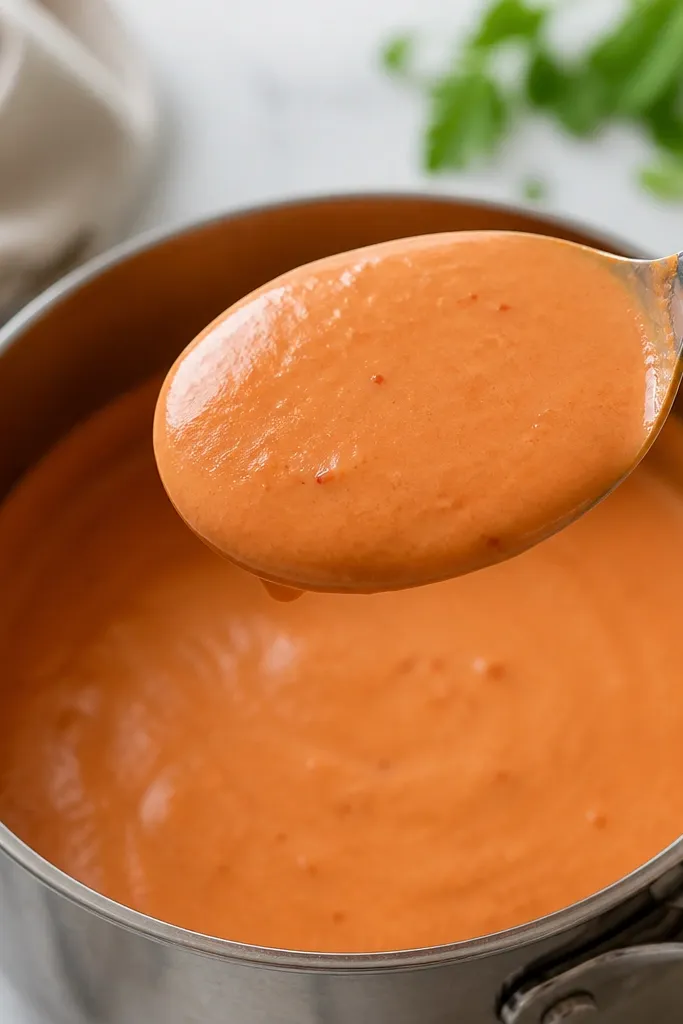
That shiny film is what you're aiming for. Vodka sauce should look like it's lightly emulsified - creamy but still tomato-forward. When it's right, it clings to a spoon instead of dripping in clear streaks.
Cook the sauce until it coats the spoon. If it drips like water, simmer 2 more minutes. The color should be salmon-pink with orange undertones, not bright red.
Try thisDip a spoon, draw a line with your finger on the back of the spoon. If the line holds for a second, you're done.
One warningDon't call it done when it still looks thin and glossy like cream - it needs reduction.
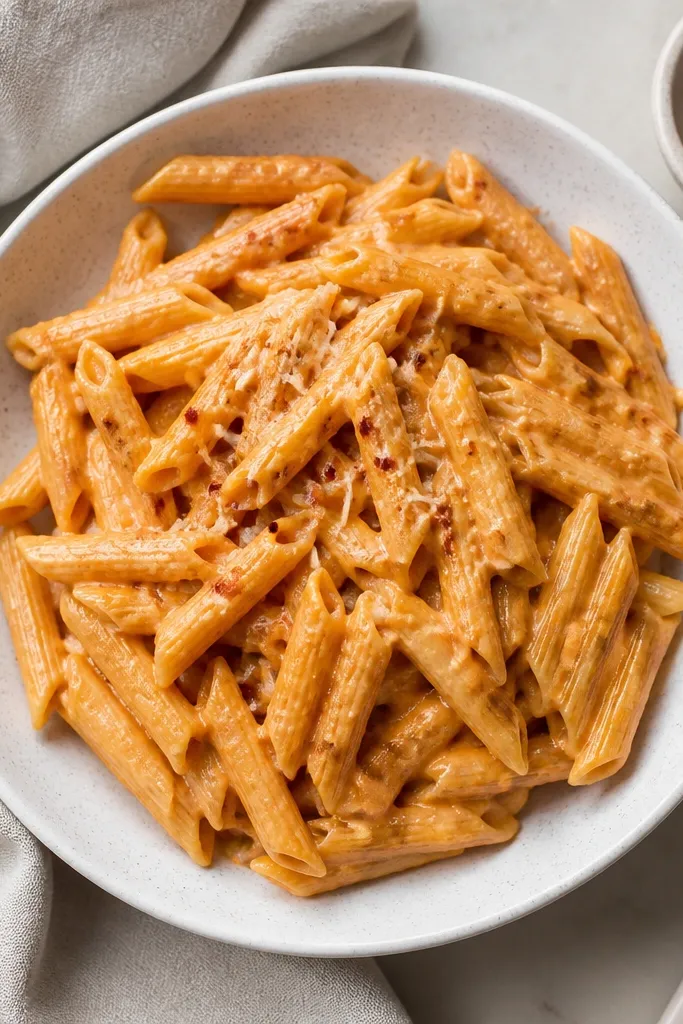
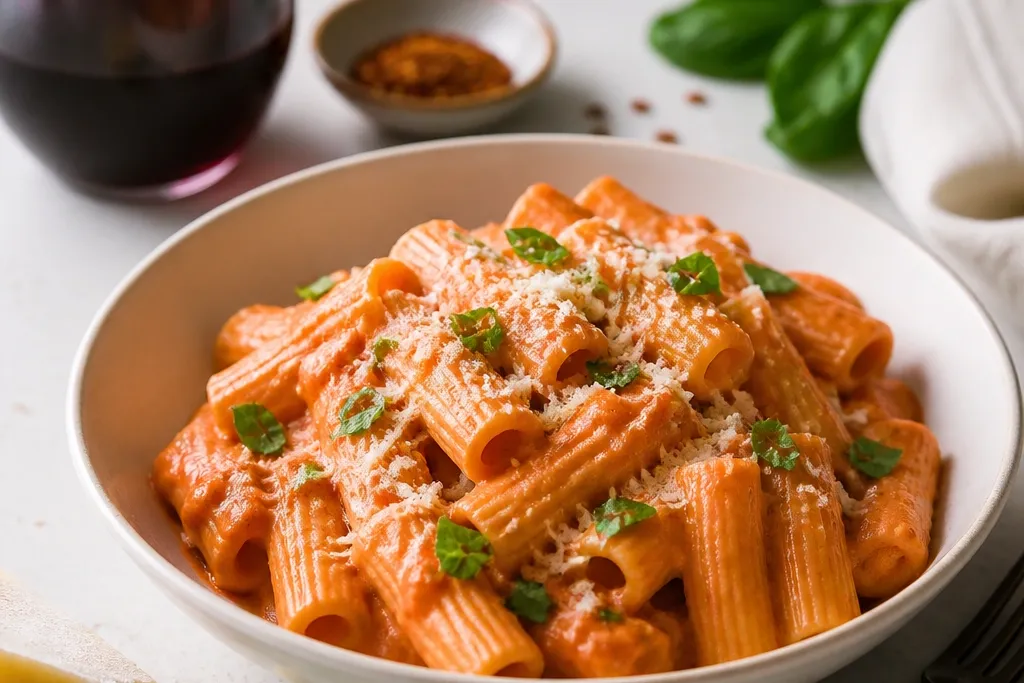
2. Ridge-caught rigatoni and sauce clinging
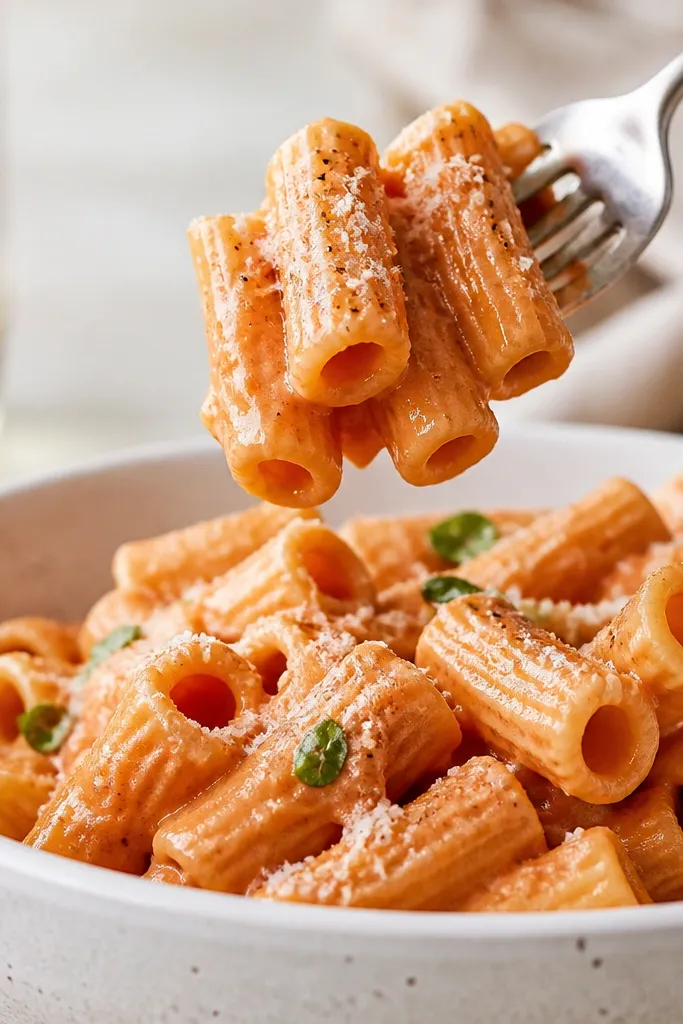
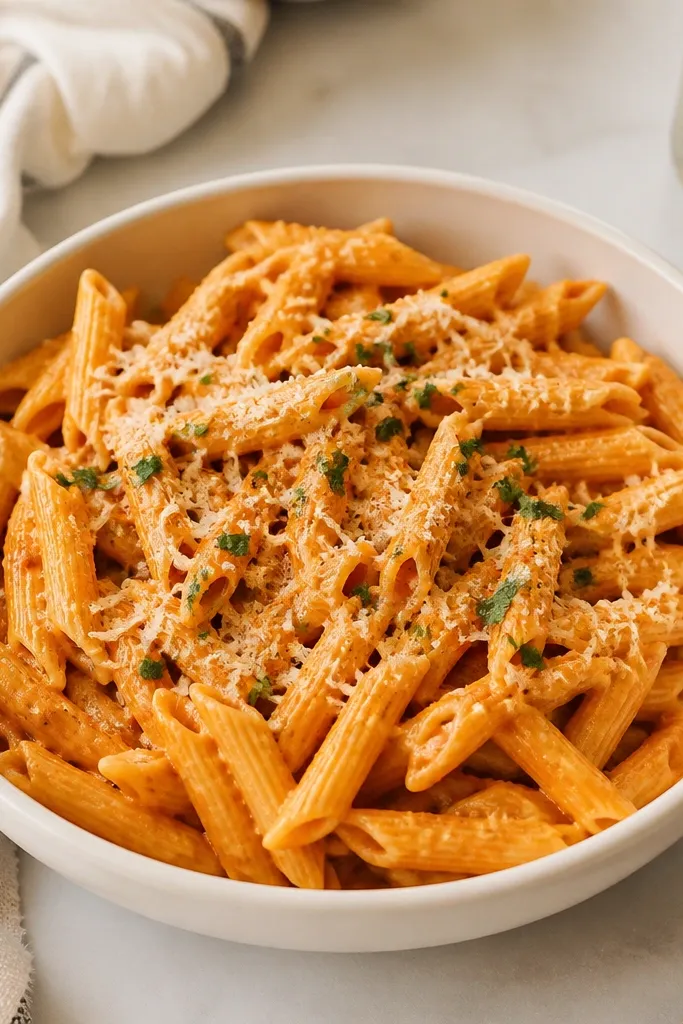
Ridges matter because vodka sauce is a thin emulsion. Penne rigate and rigatoni grab sauce in the grooves, so every bite has creamy tomato flavor, not just a wet bottom.
Toss hot pasta with sauce right after draining. Add 2-4 tablespoons pasta water so the sauce spreads into the ridges instead of sitting on top.
Try thisUse a wide bowl for tossing. It helps you coat faster without overcooking the pasta.
One warningSkip spaghetti if you want the same cling without extra tossing time.
3. Shimmering garlic-olive oil base before tomatoes
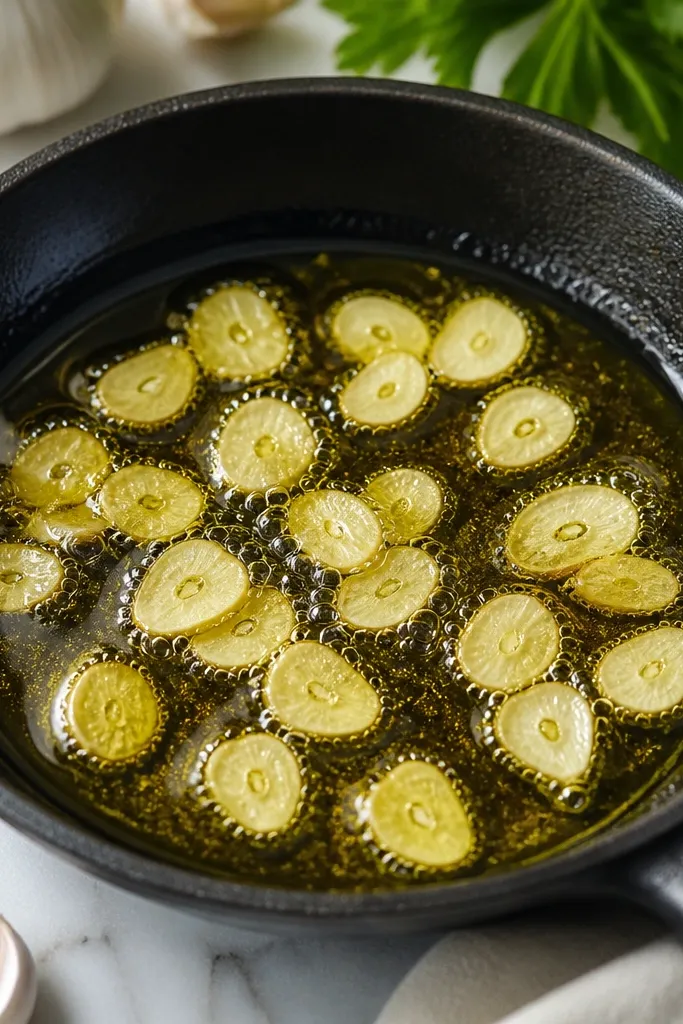
That early garlic bloom is where the sauce starts tasting like a restaurant bowl. You want gentle sizzle, not browning, because browned garlic turns bitter once the tomatoes and cream hit.
Warm olive oil, then cook sliced garlic just until fragrant and lightly golden. Add tomato right after - don't let the garlic sit.
Try thisIf garlic starts to darken, pull the pan off heat for 15 seconds and keep going.
One warningAvoid letting garlic go deep brown - the bitterness shows up even after cream.
4. Vodka added and bubbling at the edges
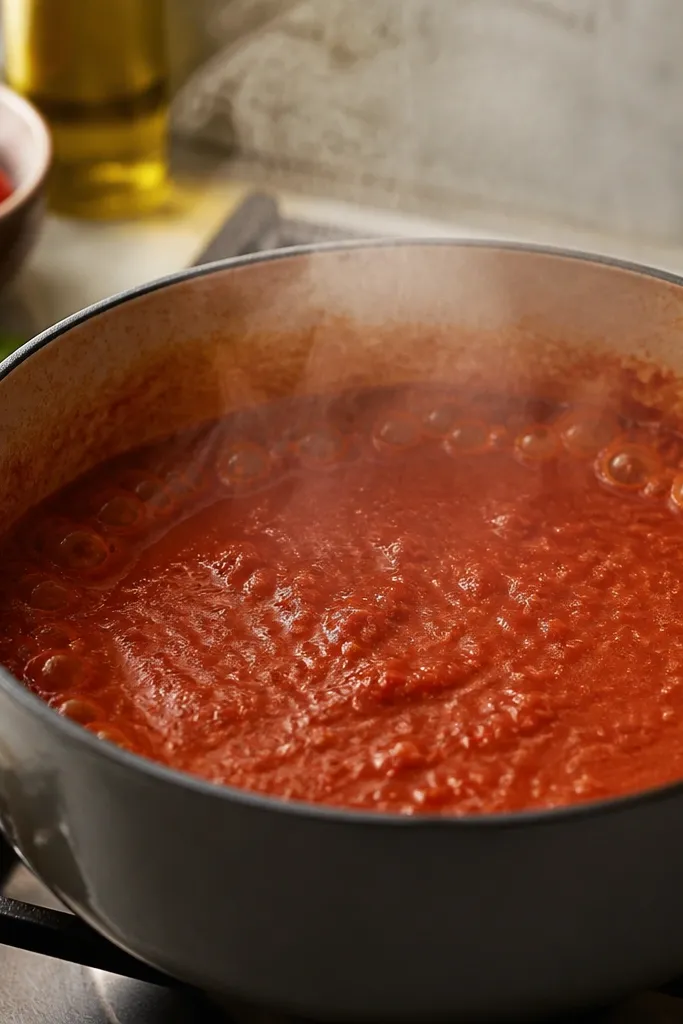
When vodka hits hot tomatoes, it bubbles and lifts the harsh edge. You're looking for a lively simmer that still feels controlled - the sauce thickens slightly and smells mellow.
Add vodka after tomatoes have simmered 5 minutes. Cook 5 minutes more before adding cream. Stir a few times so the bottom doesn't scorch.
Try thisUse the same pan you'll reduce in. Fewer transfers keep the sauce emulsifying better later.
One warningDon't add cream immediately after vodka - the sauce tastes sharp and can split.
5. Cream tempered into sauce for smooth texture
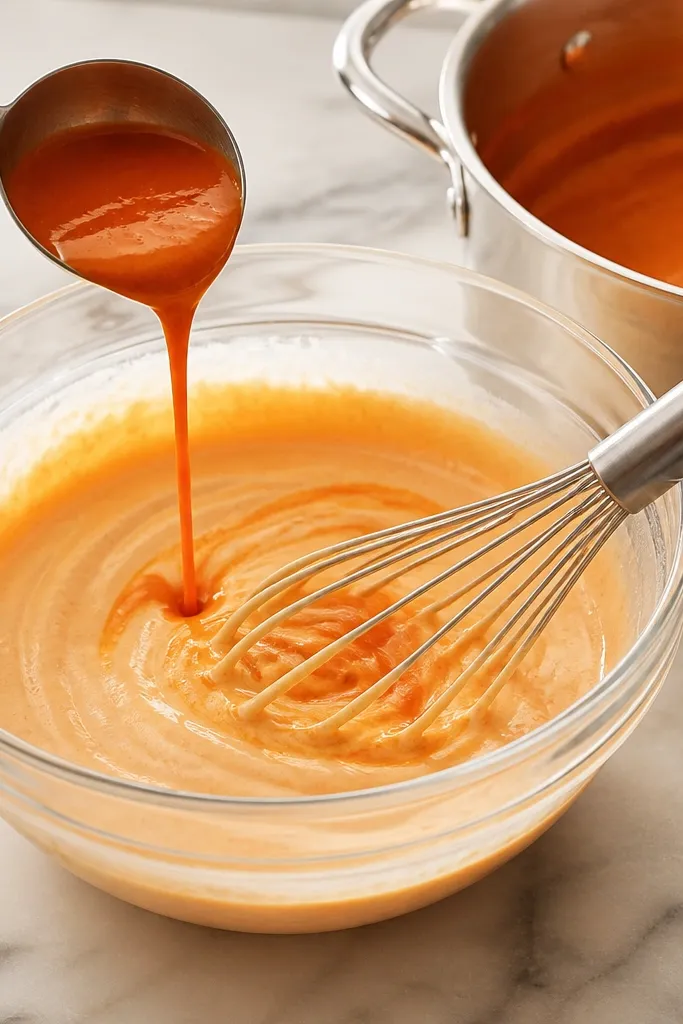
Tempering keeps cream from seizing. Instead of dumping cold dairy into hot acid, you gradually match temperatures so the sauce stays smooth.
Whisk cream with 1/2 cup hot sauce in a bowl. Pour it back slowly while stirring. Keep heat at a gentle simmer for 3-5 minutes.
Try thisIf you see tiny curds, turn off heat and whisk hard. It often comes back smooth.
One warningAvoid high heat after adding cream - boiling is what makes it grainy.
6. Pepper specks and red chili flakes contrast
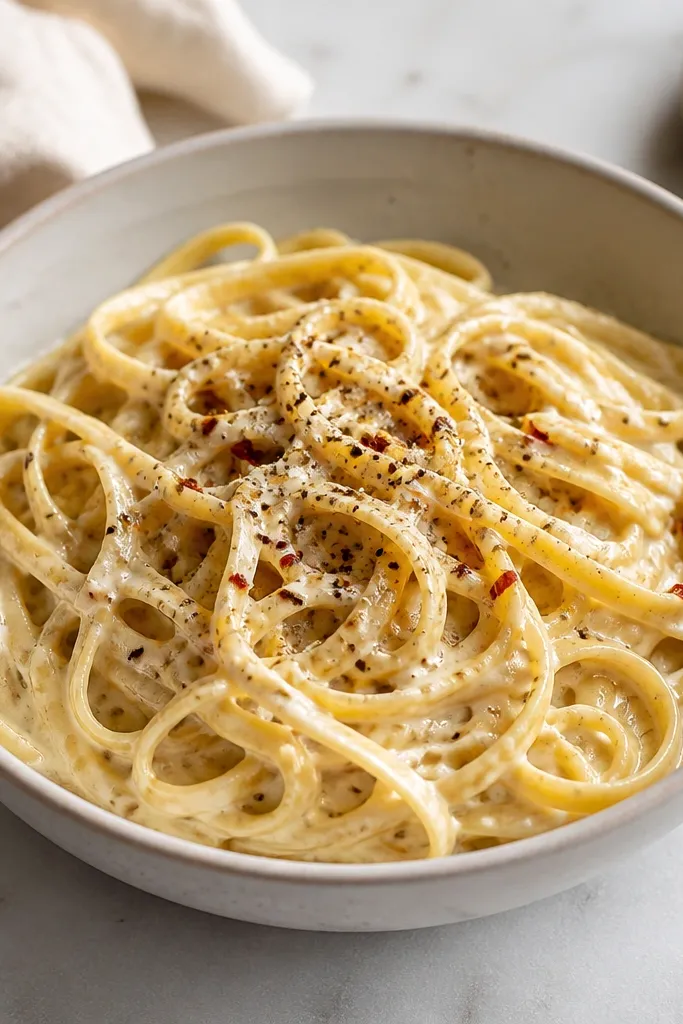
Black pepper and chili flakes give the sauce lift. I add pepper after cream so it stays aromatic, and I use a small amount of chili for warmth without turning it spicy.
Crush fresh black pepper right before serving. Add chili flakes while simmering so they bloom into the sauce.
Try thisStart with 1/4 teaspoon chili flakes per 4 servings, then adjust at the end.
One warningSkip bottled pepper - the specks look sad and taste flat.
7. Parmesan snow that melts into the sauce
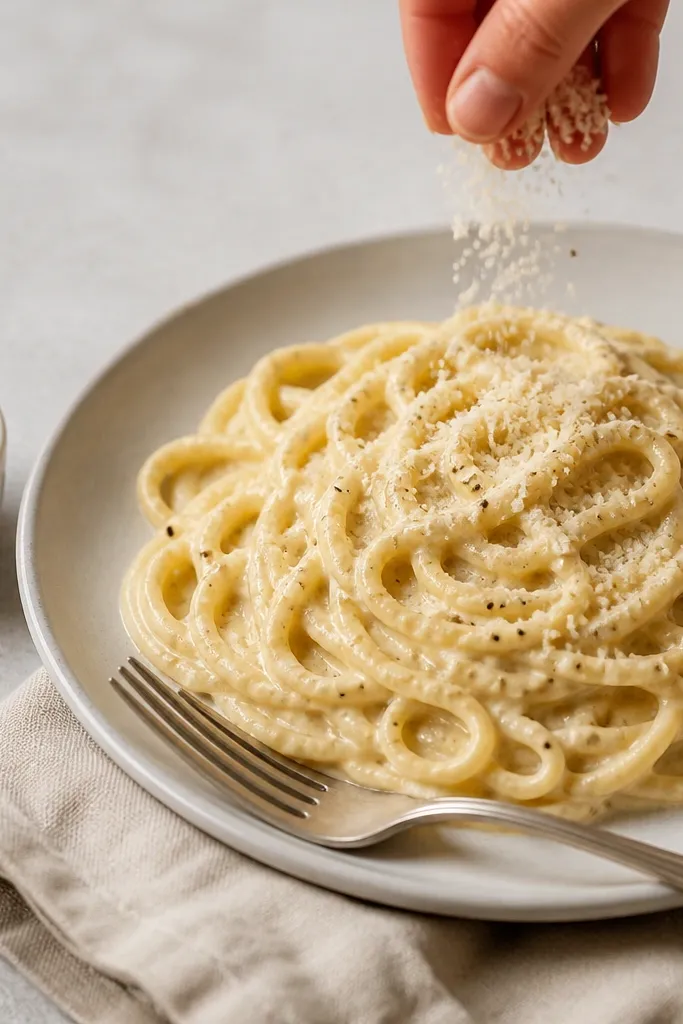
Freshly grated Parmesan melts differently than pre-grated. It creates a thicker, silkier finish and gives that salty savory depth jar sauce rarely matches.
Use fine-grate Parmesan. Sprinkle some into the pot during the final toss, then add more on the plate.
Try thisGrate it yourself with a microplane or fine box grater for the melt effect.
One warningDon't use powdered "Parmesan-style" - it won't melt and can taste chalky.
8. Herb finish: basil chiffonade striping
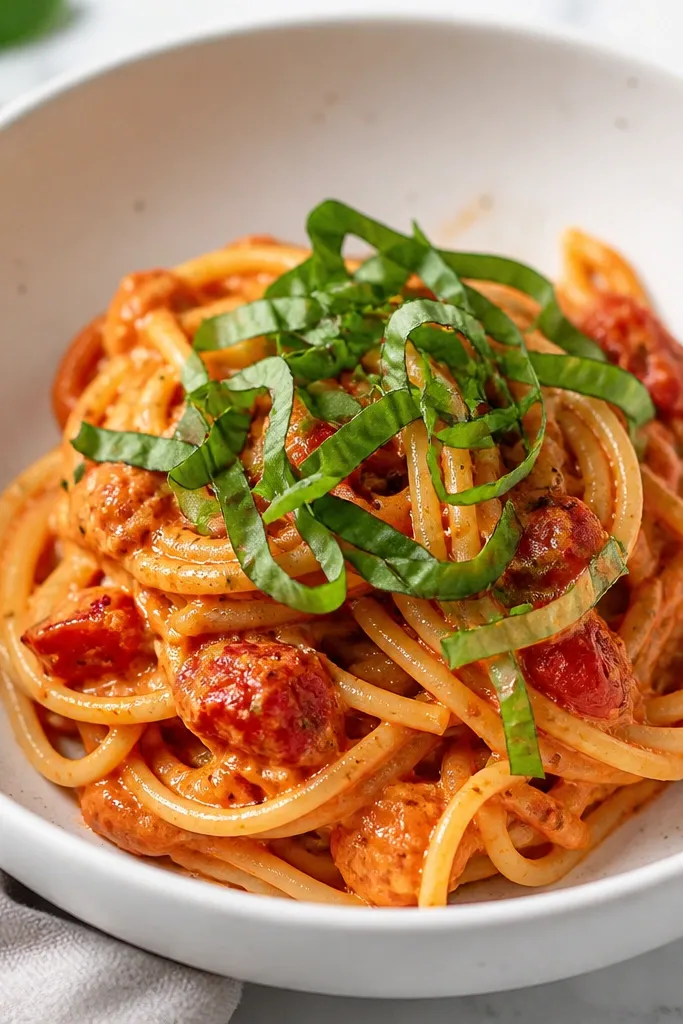
Basil adds a clean, fresh note that makes the sauce taste lighter. Chiffonade strips spread across the surface so you get herb in every forkful.
Roll basil leaves tightly, slice thin ribbons, then scatter on top right before eating. Don't cook basil into the sauce or it turns dark.
Try thisIf basil tastes muted, add a squeeze of lemon to the sauce while tossing.
One warningSkip dried basil - it tastes dusty against creamy tomato.
9. Pasta water gloss in the final toss
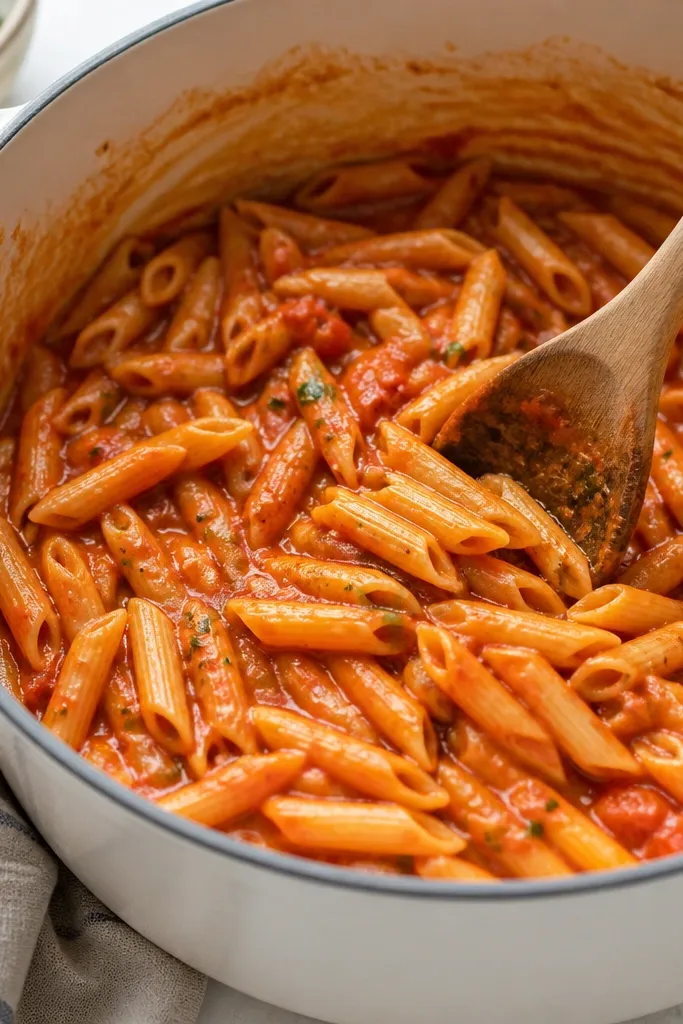
Starchy pasta water helps the emulsion stretch and cling. You get that restaurant texture where the sauce looks glossy, not chunky or separated.
Reserve pasta water before draining. Add 2 tablespoons at a time while tossing for 60-90 seconds over low heat.
Try thisAim for a sauce that coats the noodles with a light slide, not thick paste.
One warningDon't rinse pasta - it removes the starch you need for the gloss.
10. Serving bowl with a shallow sauce pool
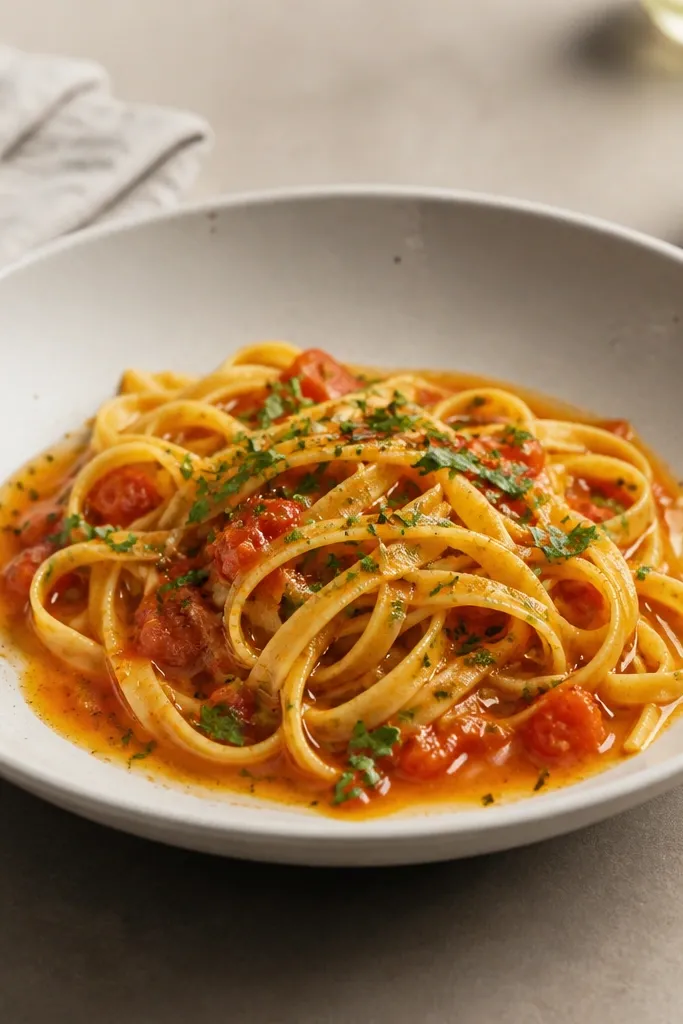
A shallow pool looks better and helps sauce coat. When sauce is too thick, it sits like a mound. When it's just right, it spreads and clings in one motion.
Use a wide bowl and toss pasta in sauce before plating. Add a small ladle of sauce on top only after you see how much the noodles absorb.
Try thisPlate quickly after tossing so the sauce stays glossy, not set.
One warningDon't let finished pasta sit in the pot for 10 minutes - it tightens and loses that silky look.