1. Sunburst Mango Cubes With Glossy Edges
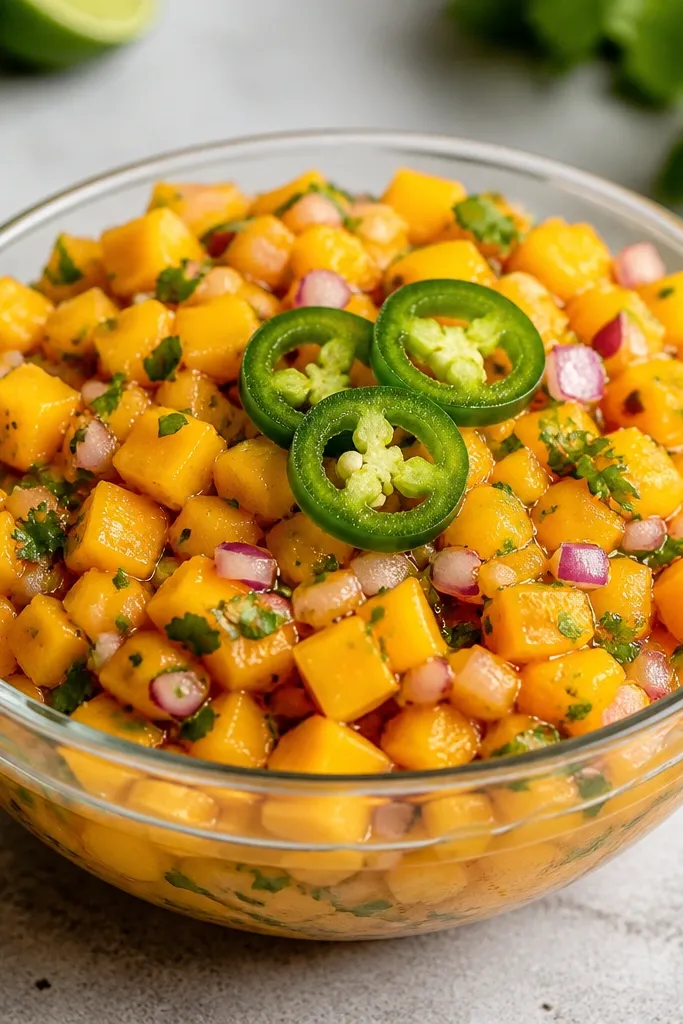
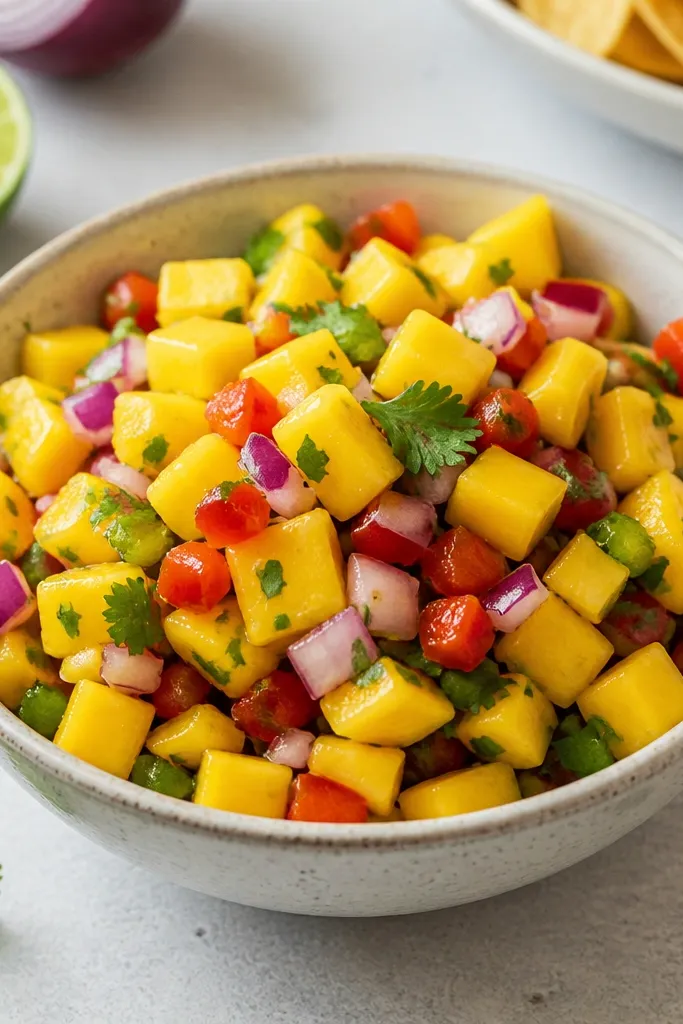
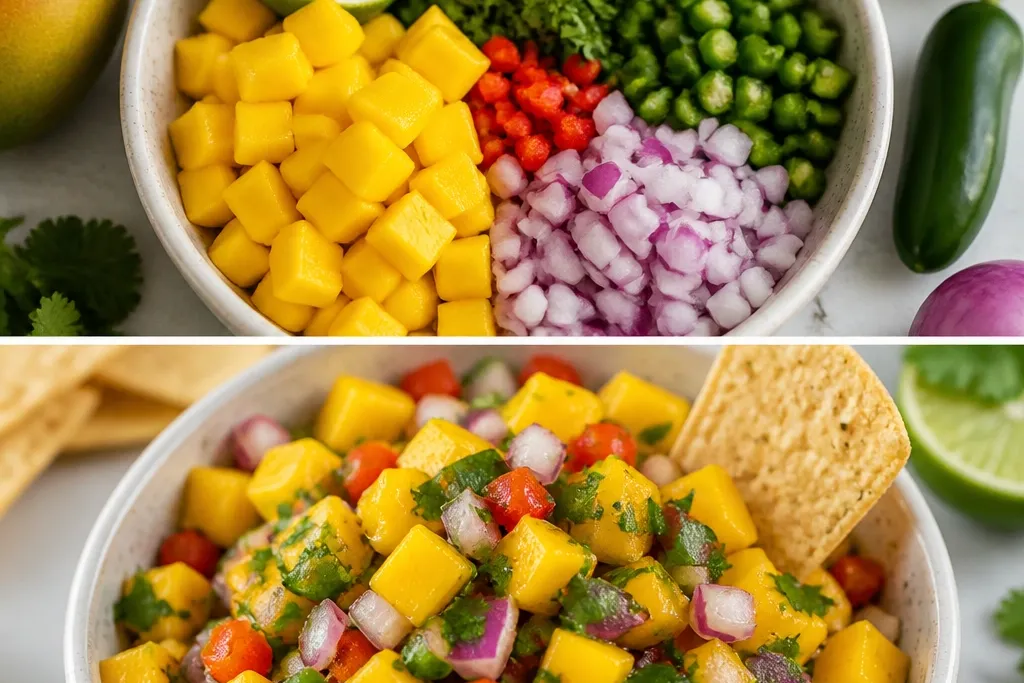
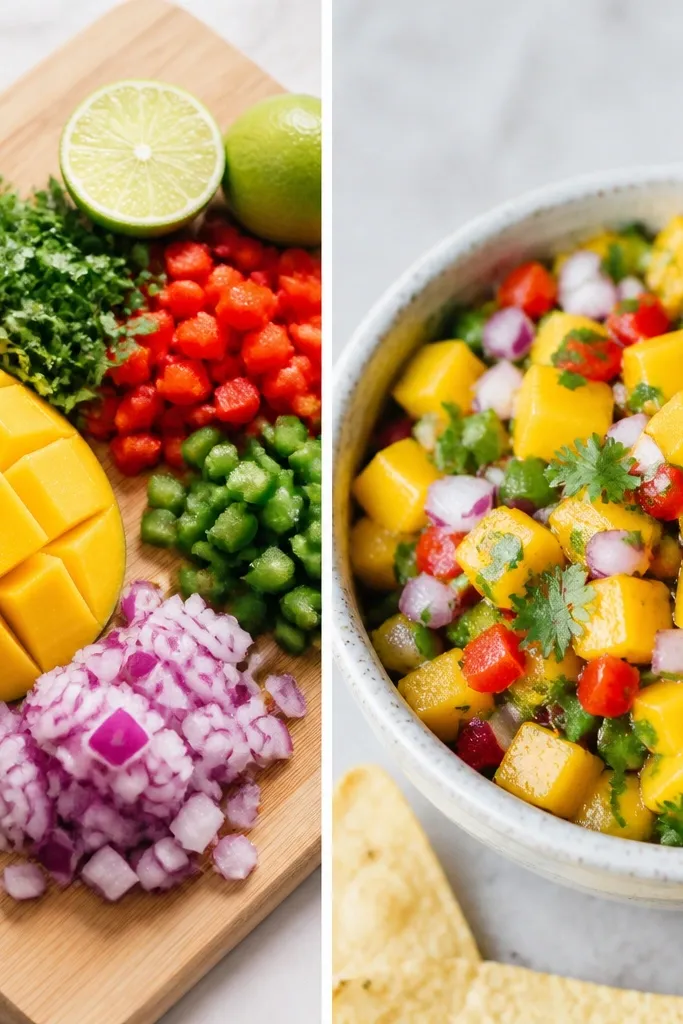
This look comes from firm mango cubes and a quick salt-and-drain step that keeps the fruit from weeping. The salsa should look wet but not flooded, like the mango is lightly lacquered. When it's right, the orange catches light and the red onion flecks look crisp instead of dull.
Dice mango into 1/4-inch cubes. Toss with 1/2 teaspoon kosher salt and let sit 10 minutes, then drain any liquid. Mix in remaining ingredients only after the draining step so the cubes stay defined.
Try thisUse a shallow bowl for mixing so you can scrape the bottom and see if there's extra liquid pooling.
One warningAvoid stirring mango salsa for a long time after mixing - it breaks cubes and turns the surface cloudy.
2. Two-Tone Onion Confetti
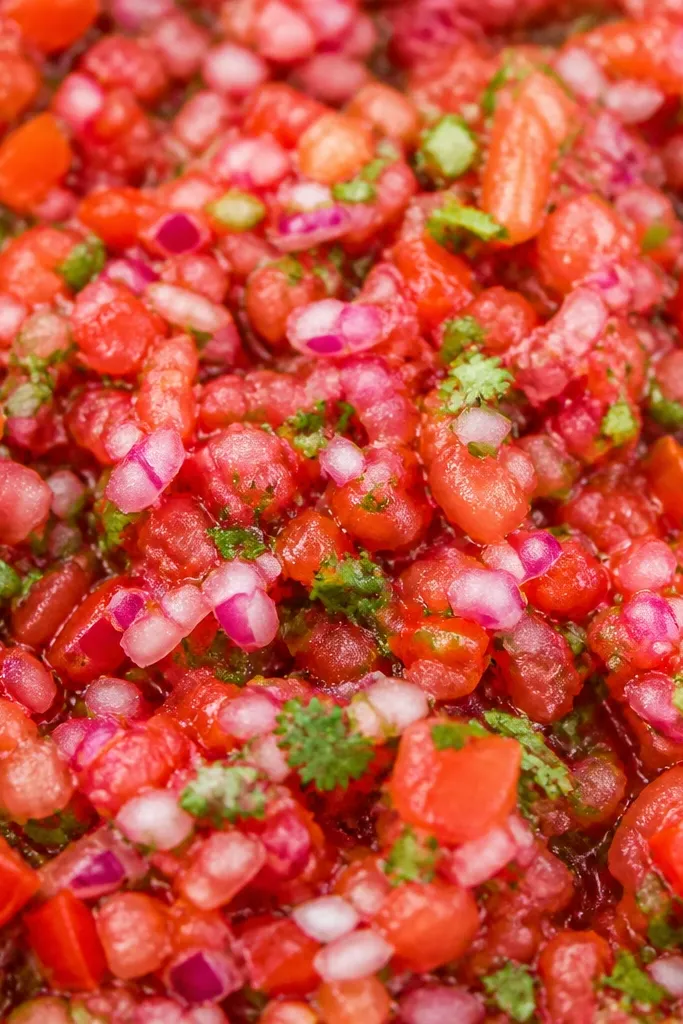
Finely chopped red onion gives a scattered color pattern that looks intentional rather than clumpy. The key is cutting onion small enough that it softens slightly from lime without going mushy. That's the difference between "pretty bowl" and "random pile."
Cut onion into 1/8-inch pieces, then rinse quickly under cold water if it's sharp. Dry on paper towels so it doesn't add extra water to the bowl. Mix onion in after you've drained the salted mango.
Try thisIf the onion smell is strong, soak 5 minutes in cold water, then drain and dry - it keeps the color without the bite.
One warningDon't use big onion chunks; they sink and make the salsa look uneven.
3. Green Herb Speckles Without Stringy Bits
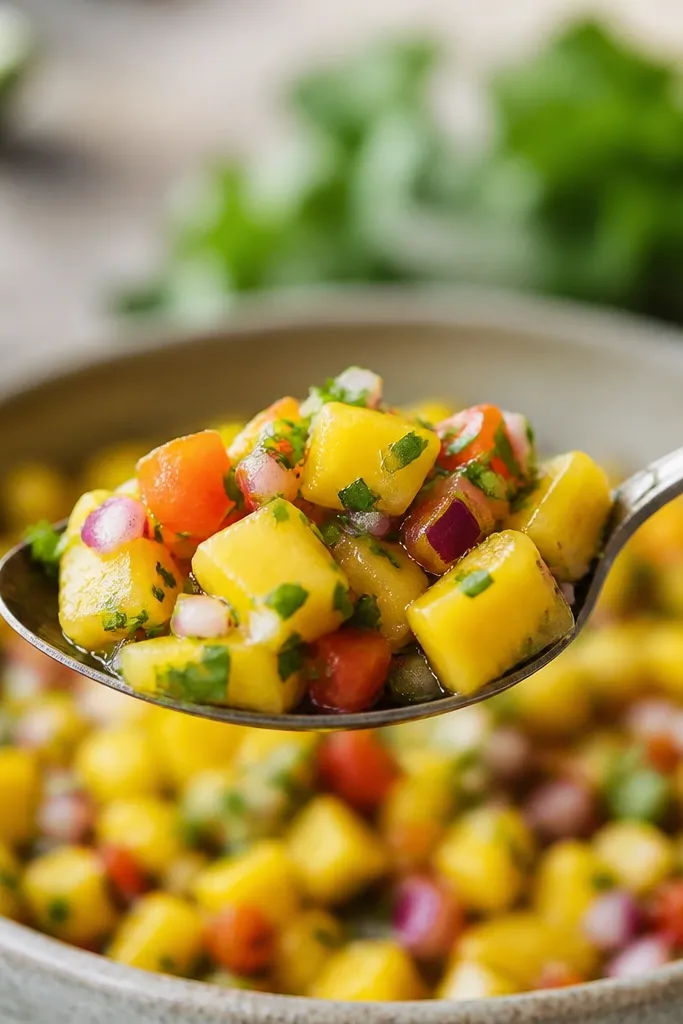
Cilantro looks best when it's chopped in two textures: stems minced fine, leaves chopped slightly larger. That keeps the herb flavor distributed while preventing tough strands from showing up in every bite. The visual result is even green speckling.
Separate stems from leaves. Mince stems finely, then chop leaves into rough 1/4-inch pieces. Fold stems in first, then leaves last so they stay bright.
Try thisStop chopping when you still see leaf pieces; over-mincing makes cilantro look dull.
One warningAvoid adding cilantro too early if you're letting the salsa rest - leaves can darken.
4. Jalapeño Heat Rings That Look Like Confetti
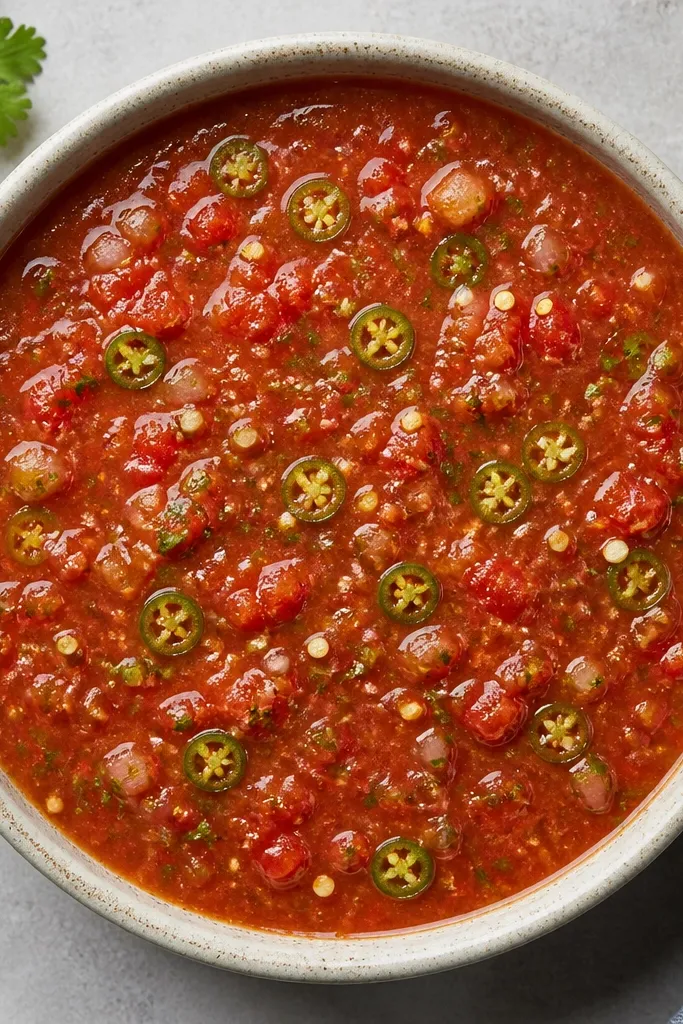
Jalapeño shows up best visually as thin rings or half-moons. When you seed partially, you control both heat and color - fewer seeds means a cleaner green look. This also prevents the salsa from getting bitter from too much white pith.
Slice jalapeño thin, about 1/16 to 1/8-inch. For mild heat, remove most seeds and the inner ribs; for medium, leave some seeds. Add jalapeño after lime so it doesn't sit raw in acid too long.
Try thisTaste a tiny piece of jalapeño after dicing and adjust before mixing - you can't fix that later.
One warningDon't mince jalapeño super fine; it can disappear and make the salsa look flat.
5. Tomato Dice That Stays Red, Not Orange-Watery
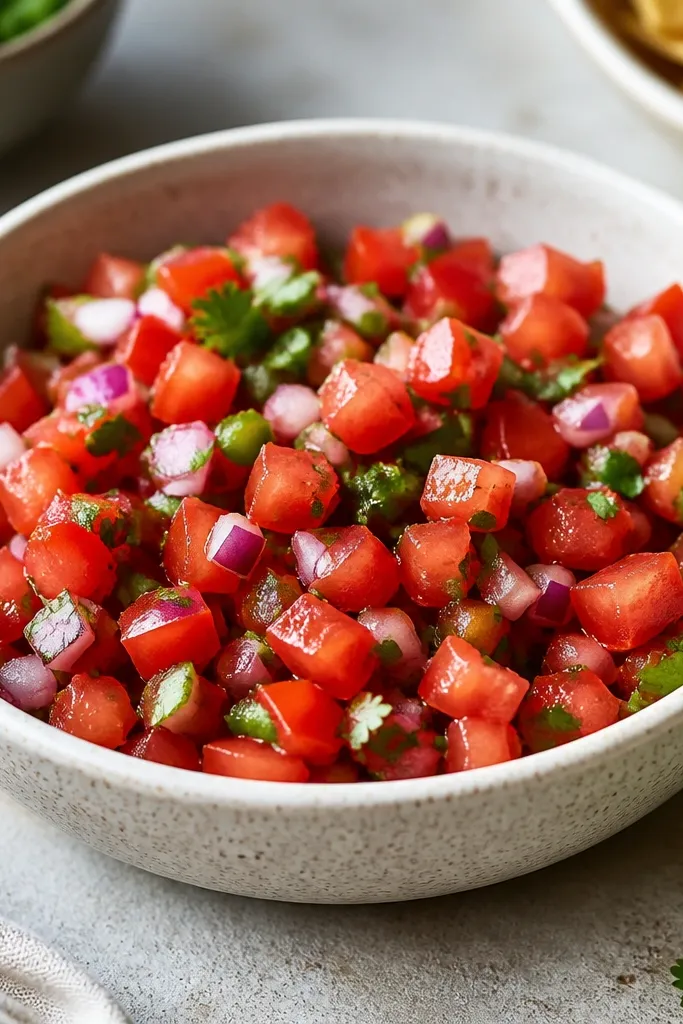
Tomatoes ruin salsa texture when you add too much watery gel. The fix is choosing firmer tomato and using smaller dice, then adding them at the right time. When it works, tomato adds juicy pops without turning the bowl into a puddle.
Use Roma or another firmer tomato. Remove seeds and gel, then dice into 1/8-inch cubes. Add tomatoes after mango is drained and the salsa base is already mixed.
Try thisIf your tomatoes are very juicy, salt them separately for 5 minutes, then drain before mixing.
One warningAvoid using heirloom tomatoes that are very soft - they bleed immediately.
6. Lime Zest Flecks for a Bright, Fresh Look
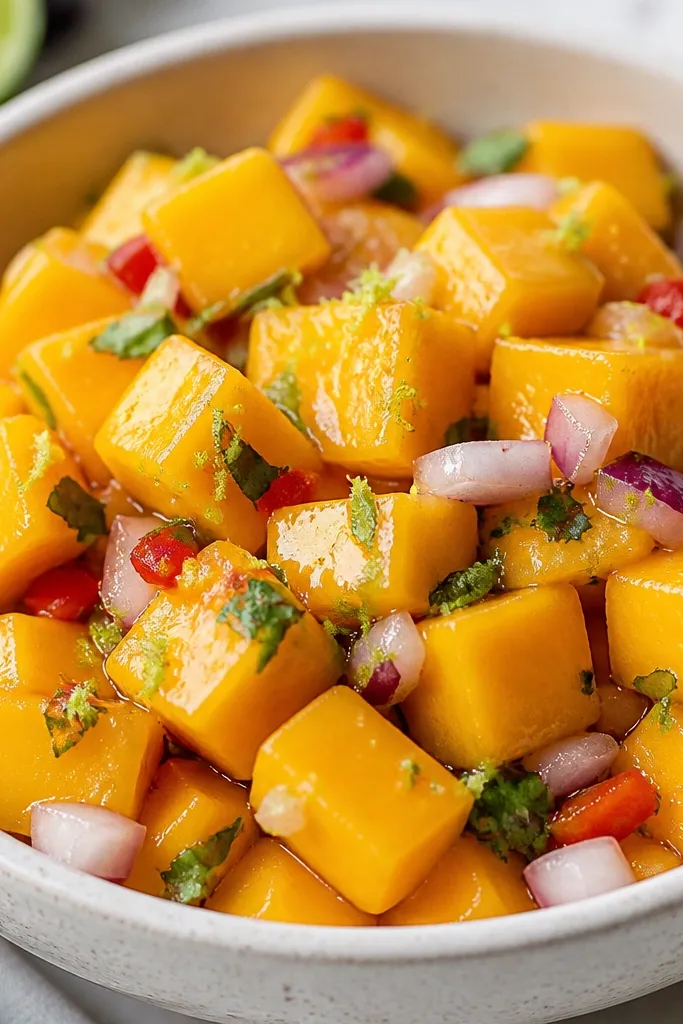
Lime zest gives a light, aromatic look without adding more liquid. The pale green flecks pop against orange mango and make the salsa look "just finished." Zest also boosts citrus aroma so the flavor hits harder even with less lime juice.
Use a microplane to zest the lime directly into the bowl. Then juice the lime and add half now, half at the end. Stir gently so zest doesn't disappear.
Try thisZest first, juice second - the lime is easier to zest when it's not fully juiced.
One warningAvoid adding bottled lime juice; it looks flat and tastes flat.
7. Crisp Cucumber Optional for Extra Crunch
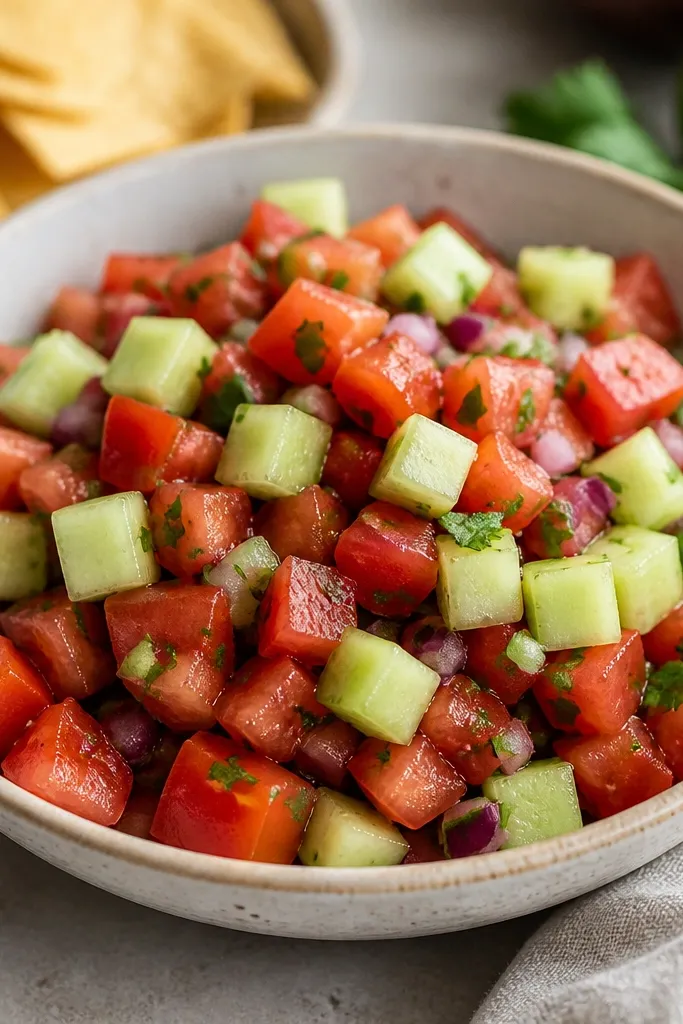
Cucumber adds crunch and makes the bowl feel lighter, especially when mango is very sweet. But cucumber can also add water, so you need to manage it. When you salt and drain cucumber quickly, it stays crisp and keeps the salsa from thinning.
If you use cucumber, use 1/2-inch dice. Salt cucumber with a pinch of salt for 5 minutes, then squeeze lightly and pat dry. Add cucumber right before serving so it stays crunchy.
Try thisUse the firmer part of the cucumber and skip the very seedy center if it's watery.
One warningAvoid adding cucumber at the start if you're making ahead by more than an hour.
8. Chunky vs. Spoonable Texture Control
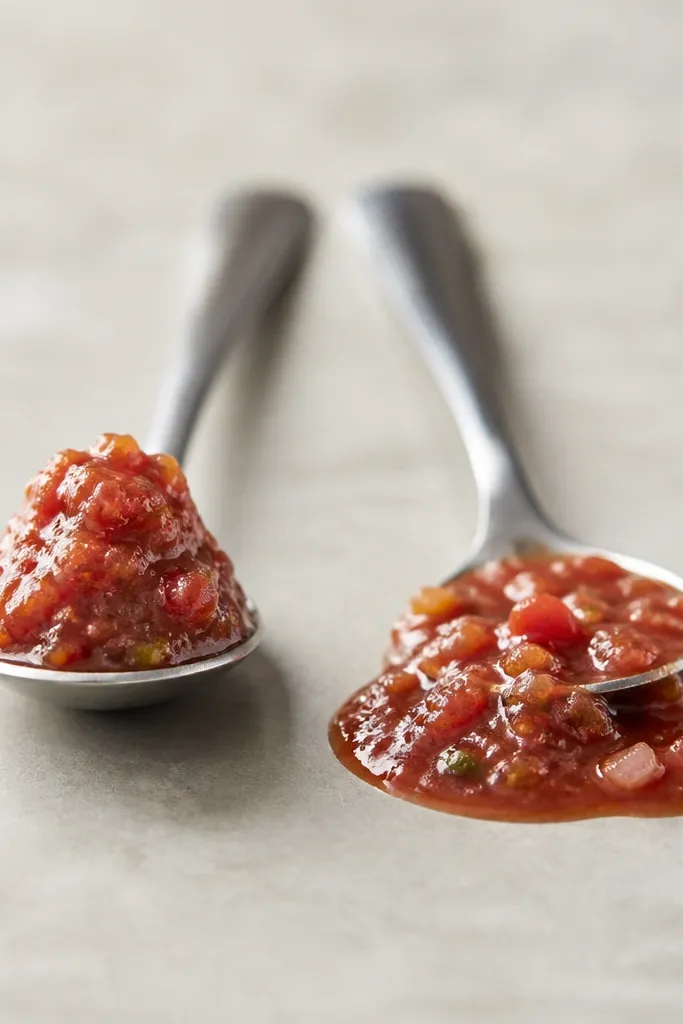
Texture is the whole aesthetic. If the salsa holds a mound on a spoon, it looks like something you'd get at a taqueria. If it runs like juice, it looks homemade in the wrong way - even if it tastes good.
To keep it chunky, drain salted mango and skip extra tomato gel. Use less lime juice than you think you need, then add the second half right before serving. Mix only until ingredients are coated.
Try thisMake a spoon test: if it runs immediately, drain and add more chopped mango or tomato without extra liquid.
One warningDon't over-stir to "combine" - it breaks fruit and makes everything look wet.
9. Layered Serving Bowl With Fresh Topping
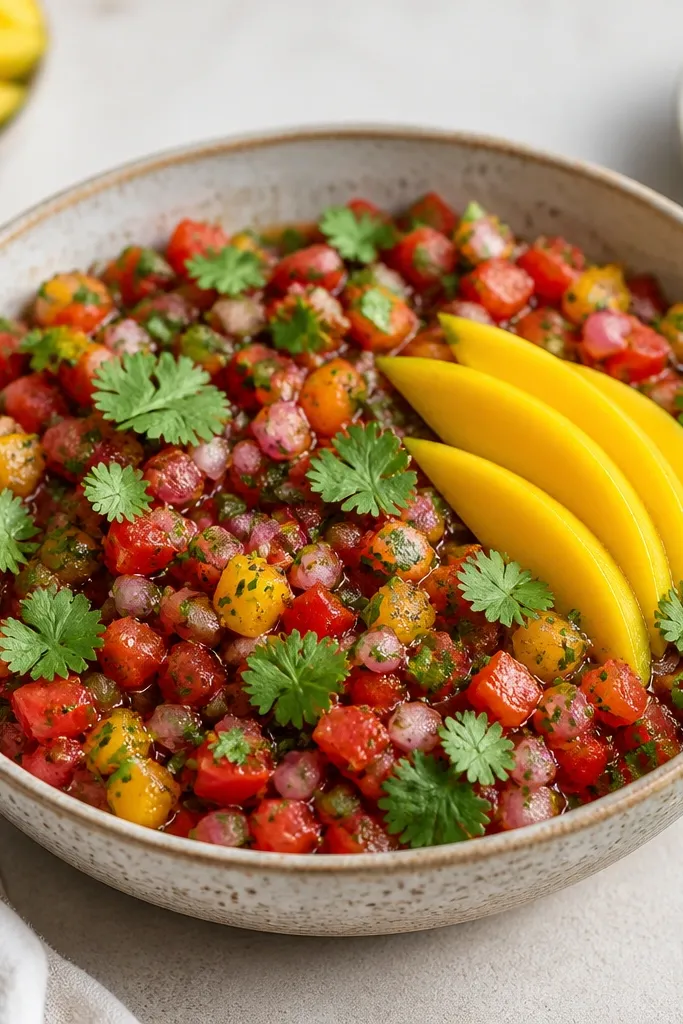
A mixed bowl is fine, but a topped bowl looks like effort. Fresh cilantro leaves and a couple mango slices on top keep the color vivid even after resting. It also lets people see what's inside without digging.
Mix the salsa base, then spoon into a bowl. Top with a pinch of fresh chopped cilantro leaves and one or two reserved mango chunks. Serve within 30-60 minutes for the best color.
Try thisKeep toppings separate until the last minute - they stay brighter in the fridge.
One warningAvoid topping with jalapeño that's been sitting in lime for hours; it turns darker.
10. Chip-Friendly Chunk Size
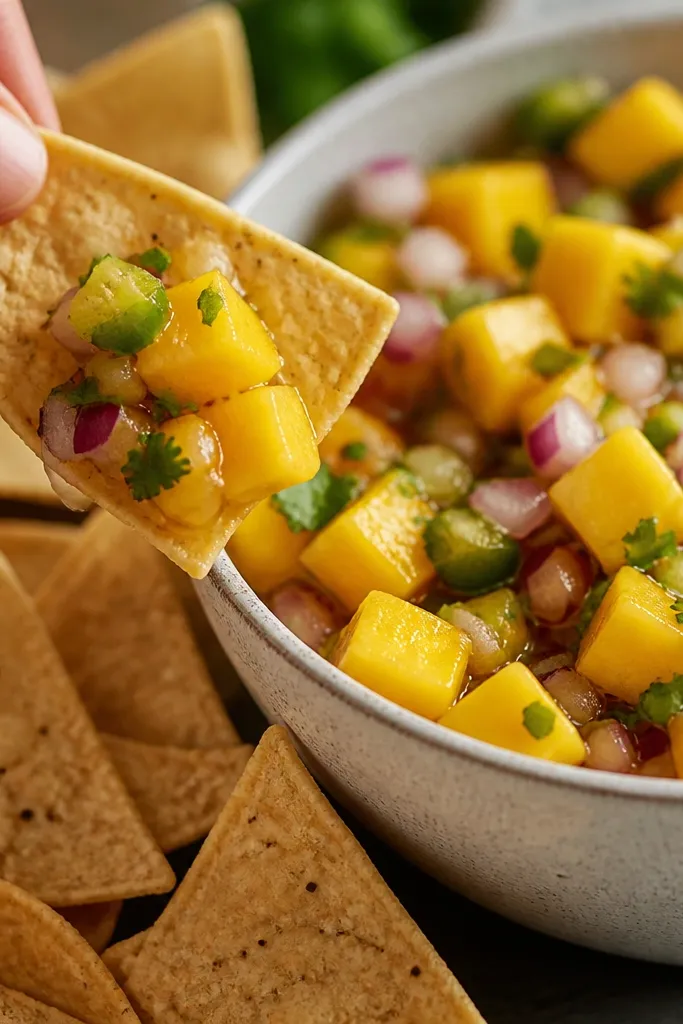
If you want chips to hold salsa, the pieces must catch. Too small and it becomes a smear; too big and it falls off. The 1/4-inch mango cube size is the sweet spot I've tested for scoop-and-stay.
Dice mango at 1/4-inch and keep onion at 1/8-inch. If you add tomato, dice it small and remove gel. Stir in cilantro and jalapeño last so chunks stay defined.
Try thisUse sturdy chips and serve salsa slightly chilled - cold salsa sets just enough to cling.
One warningAvoid thin, watery salsa; it soaks chips and kills the look.