1. Glossy sauce coat test on a spoon
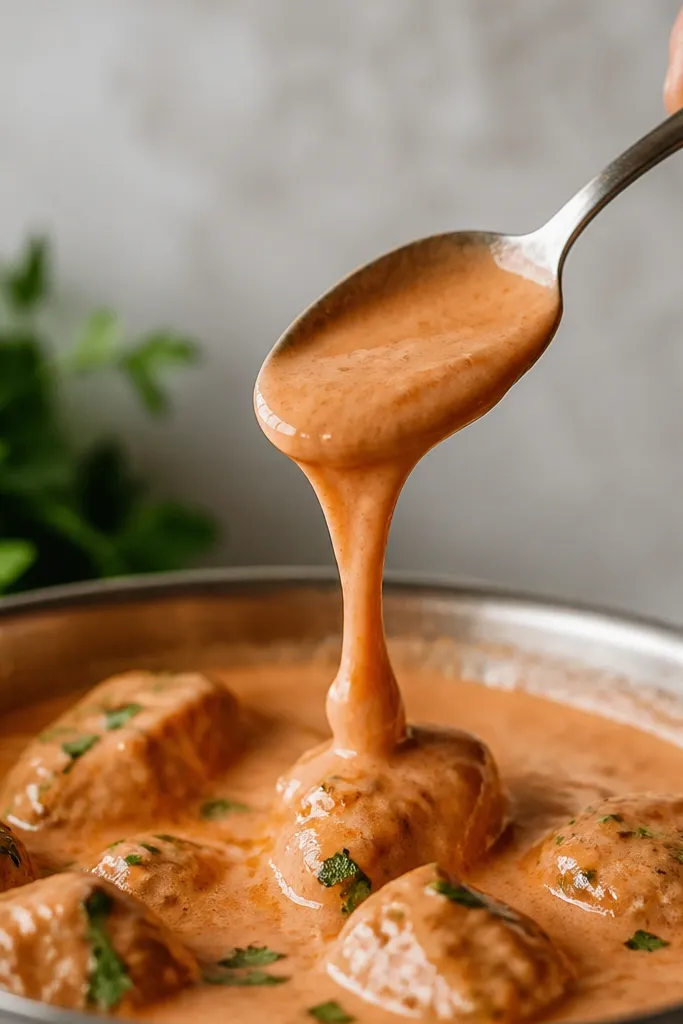
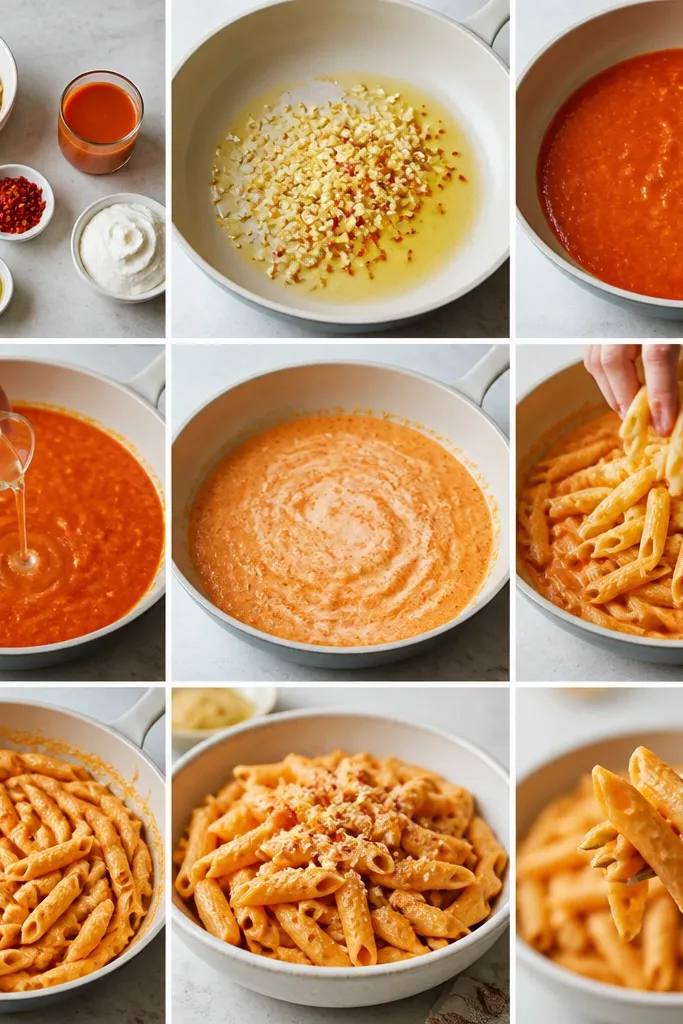
This is the visual check I use because it tells you the creaminess is real, not watery. The sauce should look shiny like it has enough fat and starch to cling to pasta. When it coats the spoon, it means the tomato base is simmered enough and the dairy hasn't split.
Use a spoon to scoop sauce from the center of the skillet. Tilt it - it should move as a single layer, not separate into oily streaks. If it runs, simmer 1 minute longer or add 2-3 tbsp pasta water and toss.
Try thisIf you're unsure, under-reduce slightly and let the toss with hot pasta do the final thickening.
One warningDon't judge thickness in the first 30 seconds after adding cream - it changes fast.
2. Tomato paste darkened but not burnt
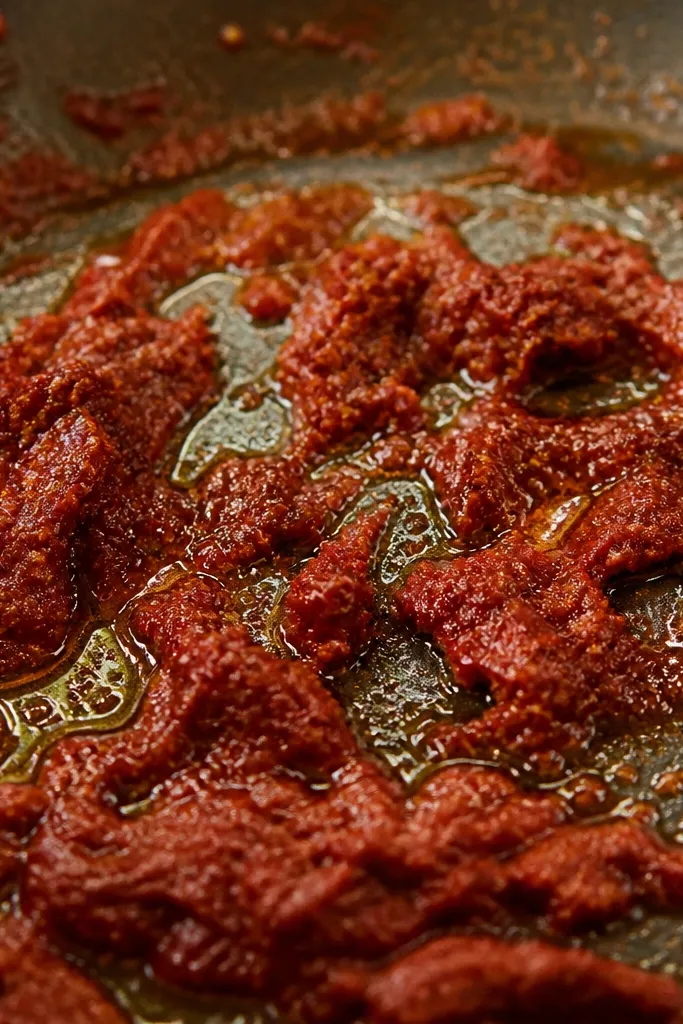
Cooking tomato paste briefly removes the sharp, metallic edge and makes the sauce taste round. That matters when you skip vodka, because you lose the alcohol's smoothing effect. The deeper color signals the flavor has developed.
Stir constantly for 1-2 minutes after adding paste. You want it darken by a shade, not turn black at the edges. If it smells burnt, lower the heat and add 1-2 tbsp pasta water to deglaze.
Try thisDeglaze with a splash of pasta water right after browning to keep it smooth.
One warningDon't skip this step - plain canned tomato straight into cream tastes flat.
3. Swirl of cream through pink tomato
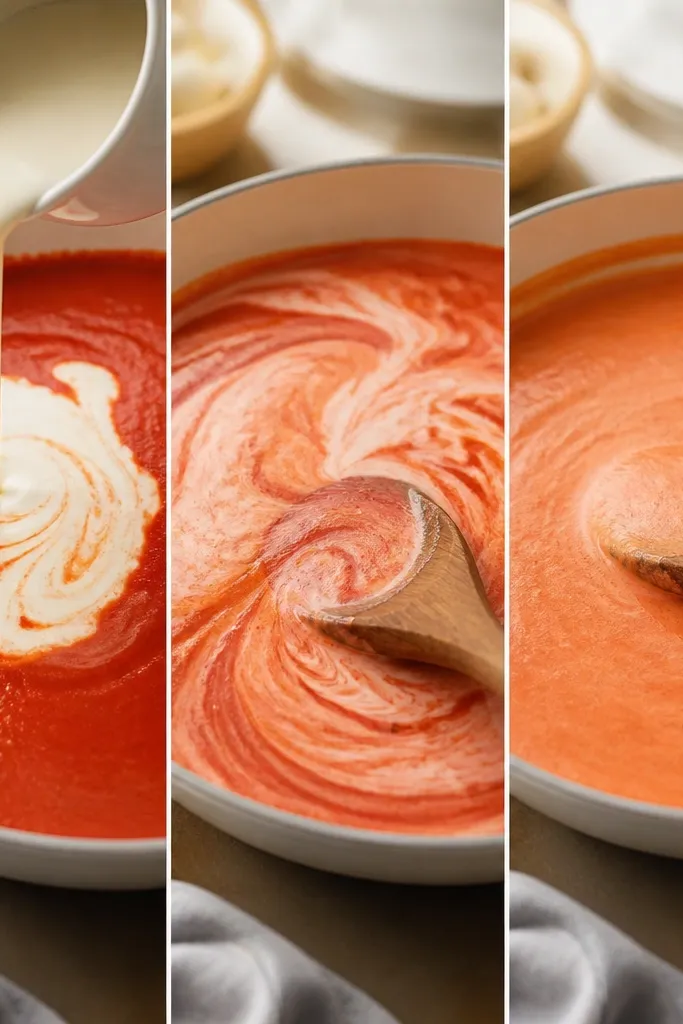
Marbling is what you want at first - it means you're not dumping dairy into scorching liquid. Stirring blends the fat and starch so the sauce stays silky. This is the moment where split sauce gets avoided.
Keep heat at medium-low once cream goes in. Stir 30-45 seconds after adding so it blends before simmering. The sauce should become a consistent light pink-orange within 2 minutes.
Try thisIf you see tiny curds, pull the pan off heat and stir hard with a splash of pasta water.
One warningDon't boil hard after dairy is added - that's when it breaks.
4. Cheese melt off-heat shine
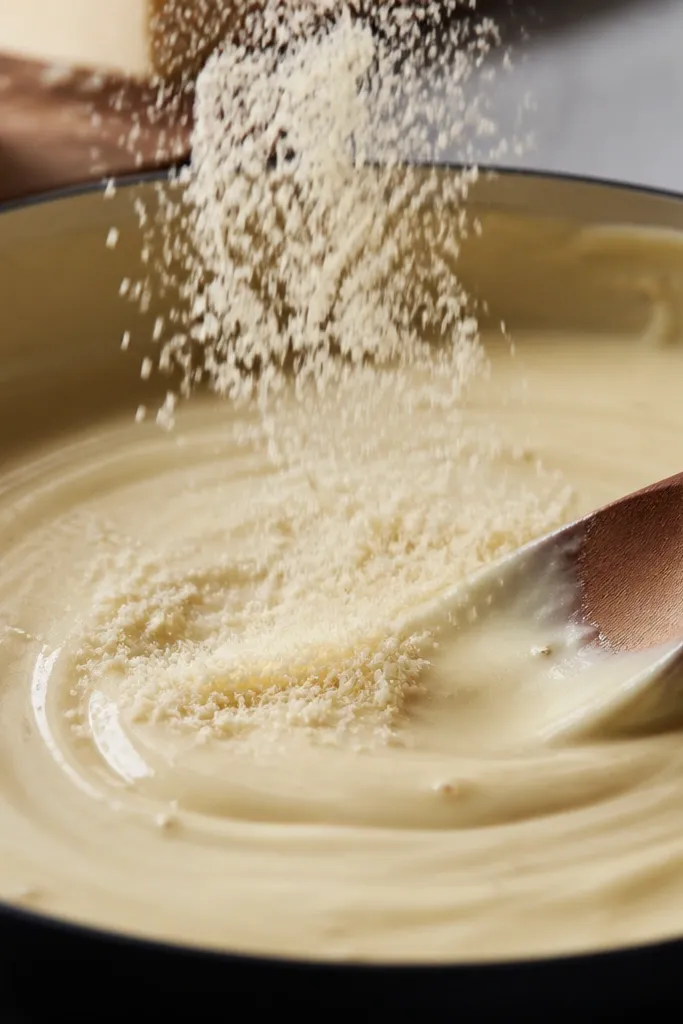
Adding cheese off-heat prevents gritty texture and keeps the sauce smooth. Parmesan also thickens, so you get that "creamy but not heavy" feel. This step replaces some of what people chase vodka for - a smoother mouthfeel.
Turn off the burner before adding cheese. Stir until the sauce looks uniform and coats the spoon. If it's too thick, loosen with 1-2 tbsp pasta water.
Try thisUse finely grated cheese; it melts faster and stays silky.
One warningDon't add cheese while the sauce is at a rolling simmer.
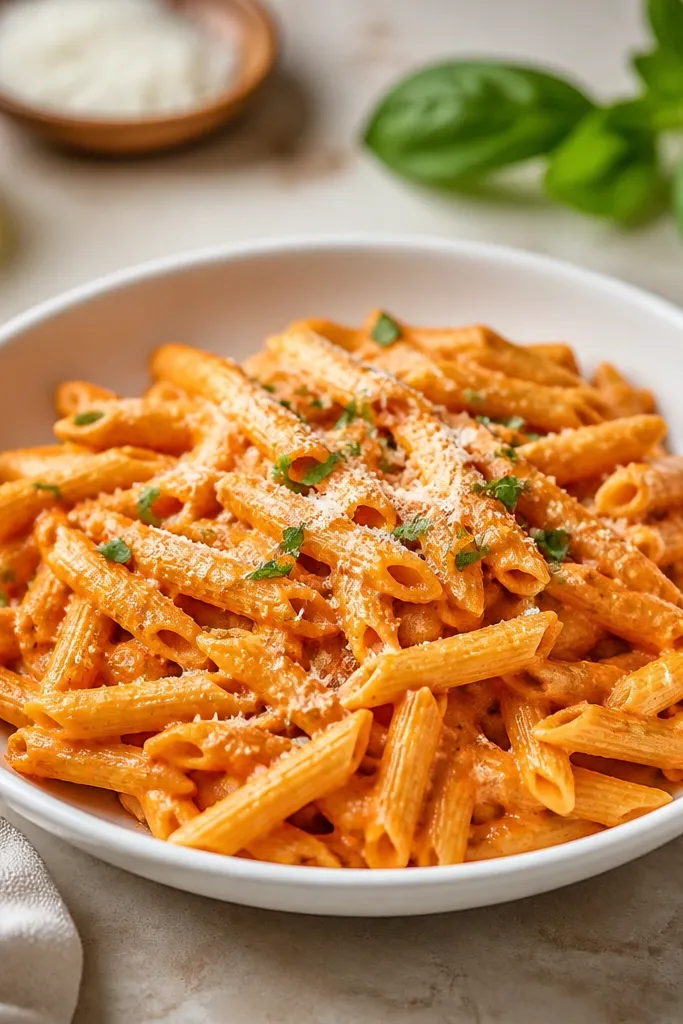
5. Tossed noodles with clinging sauce
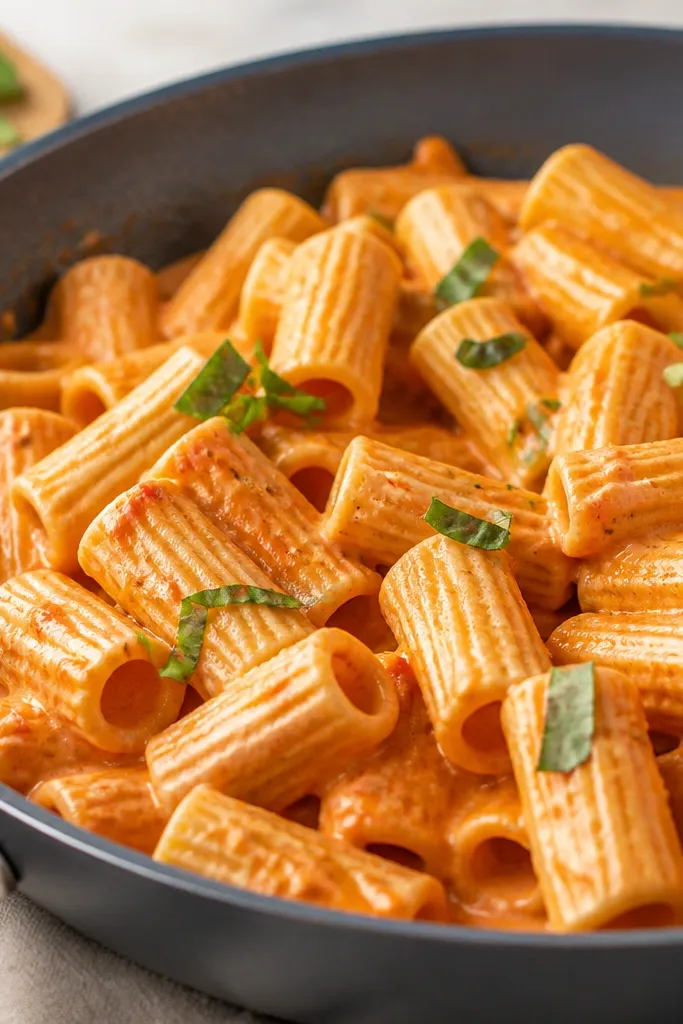
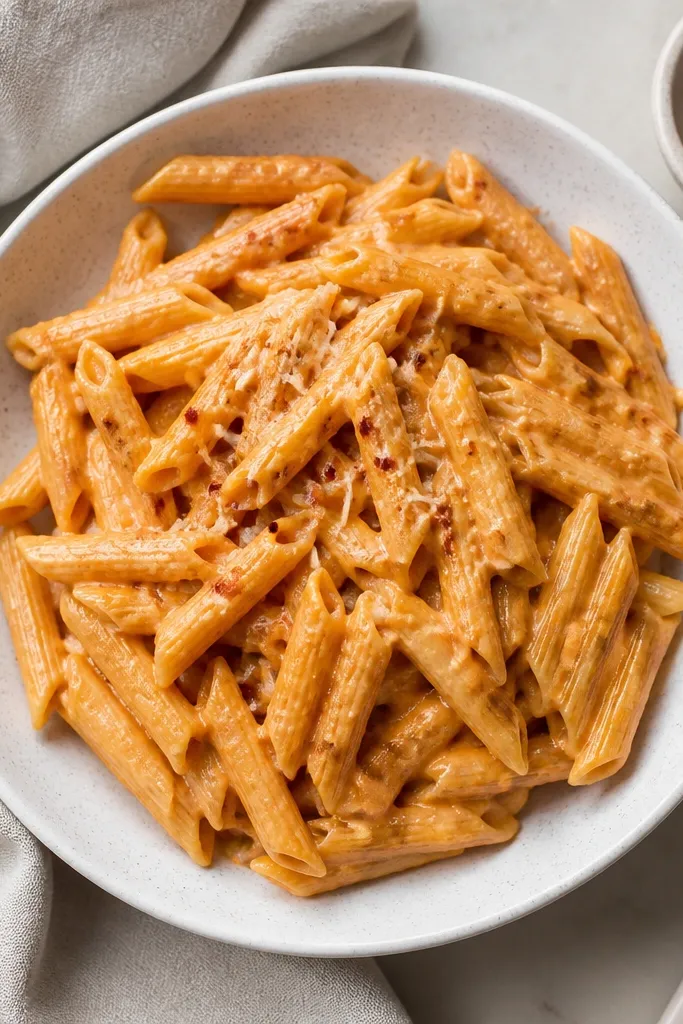
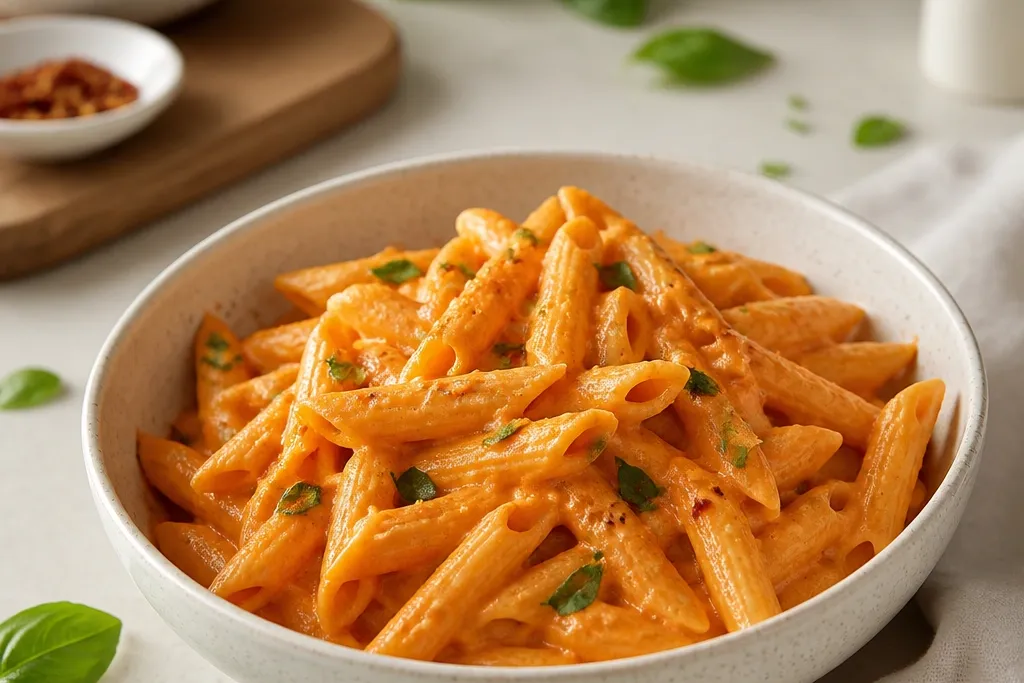
Ridged pasta helps you see the coating clearly. When sauce clings to the ridges, you get even flavor in every bite. This look means you've nailed both thickness and emulsification.
Toss pasta on the heat for about 60-90 seconds. Add pasta water a tablespoon at a time until it clings. The sauce should look glossy, not foamy.
Try thisStop tossing the moment it looks evenly coated; over-tossing can tighten the sauce too much.
One warningDon't drown it with extra cream - it dulls the tomato flavor and turns heavy.
6. Peppery finish with tiny red flakes
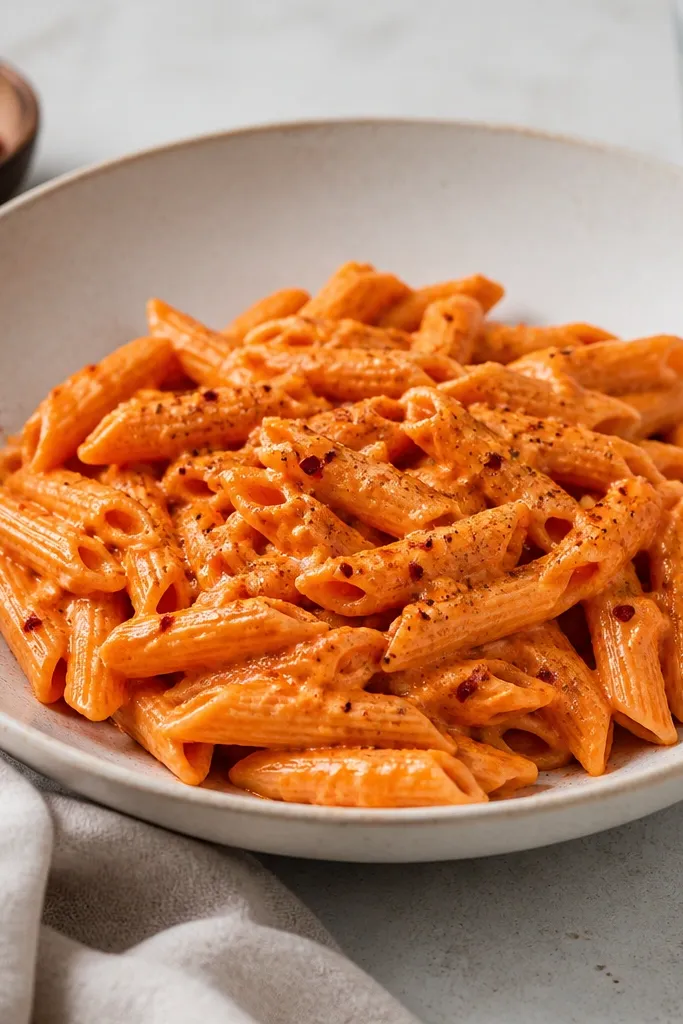
A little heat makes the tomato taste more rounded and keeps it from tasting like plain tomato cream. Black pepper also brightens the dairy flavor. The red flakes should be sparse - you want warmth, not heat.
Add pepper at the end, right before serving. Use a pinch of red pepper flakes so you can see a few specks but not a heavy dusting.
Try thisTaste first, then season - store-bought tomato sauces vary a lot in saltiness.
One warningAvoid seasoning early with lots of salt if your pasta water is salted heavily.
7. Side bowl of pasta water for quick rescue
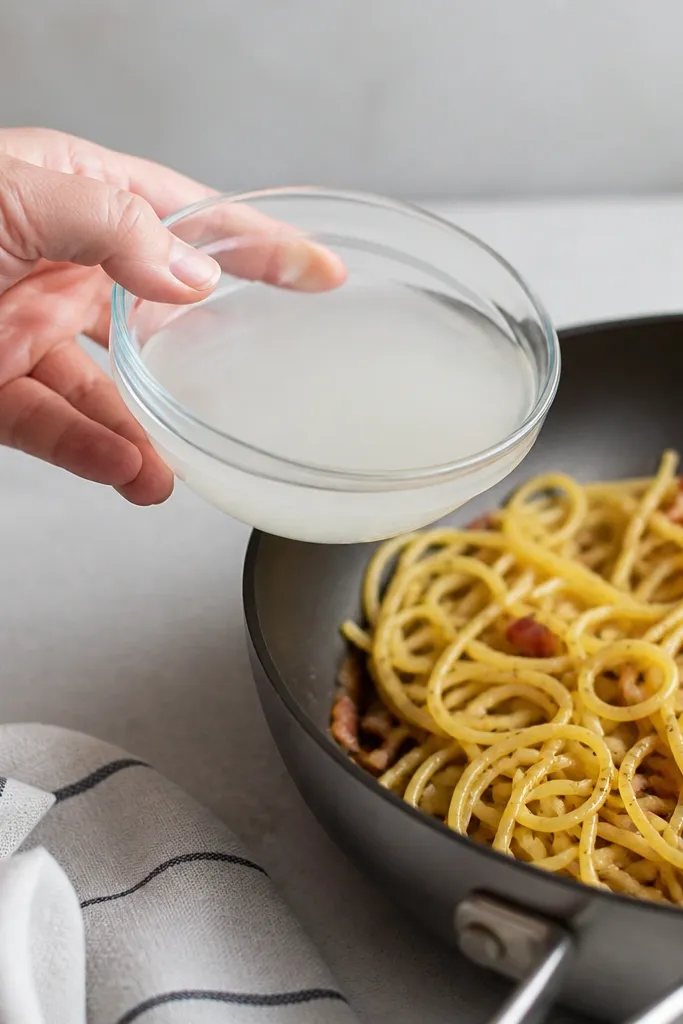
This is the practical trick: pasta water fixes thickness instantly and keeps sauce emulsified. It also helps the cheese melt into a smooth texture. When you skip vodka, you rely more on this step to keep the sauce creamy.
Keep 1/4 cup extra if possible. Add water in 1-2 tbsp splashes while tossing until the sauce looks right.
Try thisIf the sauce looks oily, add 1 tbsp pasta water and stir - it usually re-emulsifies.
One warningDon't use plain water - it makes the sauce thin and watery.
8. Color contrast: pink sauce against white plate
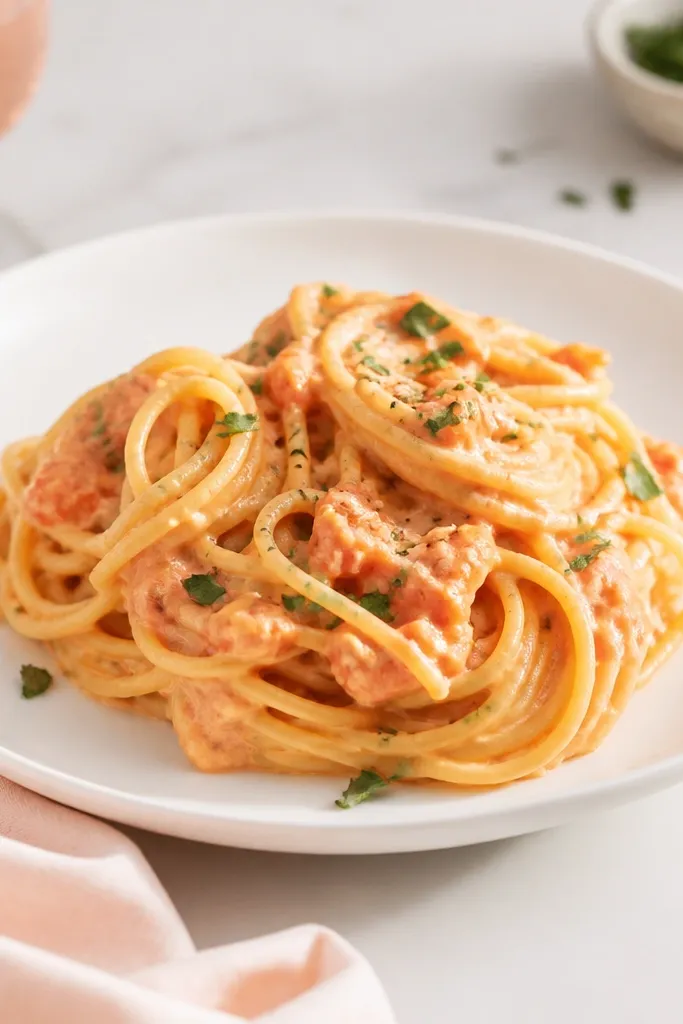
That pink-orange hue is what you're aiming for: tomato is present, but cream tones it down. White plates make the color obvious, and you can see if it looks too red or too pale. The right color usually means the simmering and cream amount are in the right place.
Plate with a fork so sauce coats but doesn't flood. If it looks too red, simmer 1 minute longer; if it's too pale, add 1-2 tbsp tomato sauce and simmer 30 seconds.
Try thisUse the same tomato product each time so color stays consistent.
One warningAvoid mixing in extra tomato sauce at the last second without simmering.