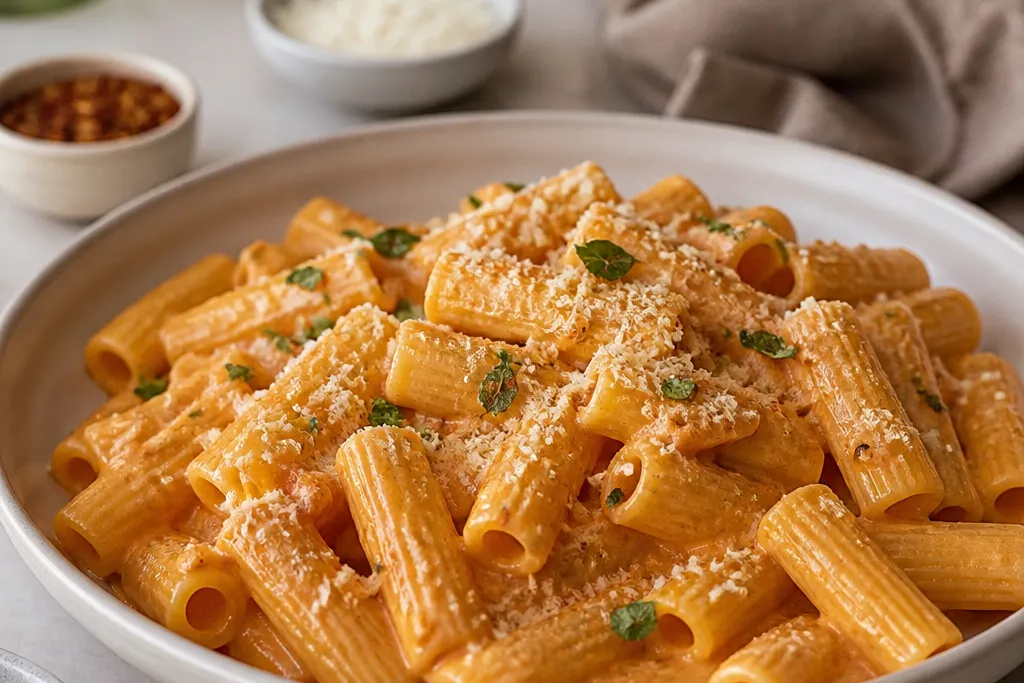
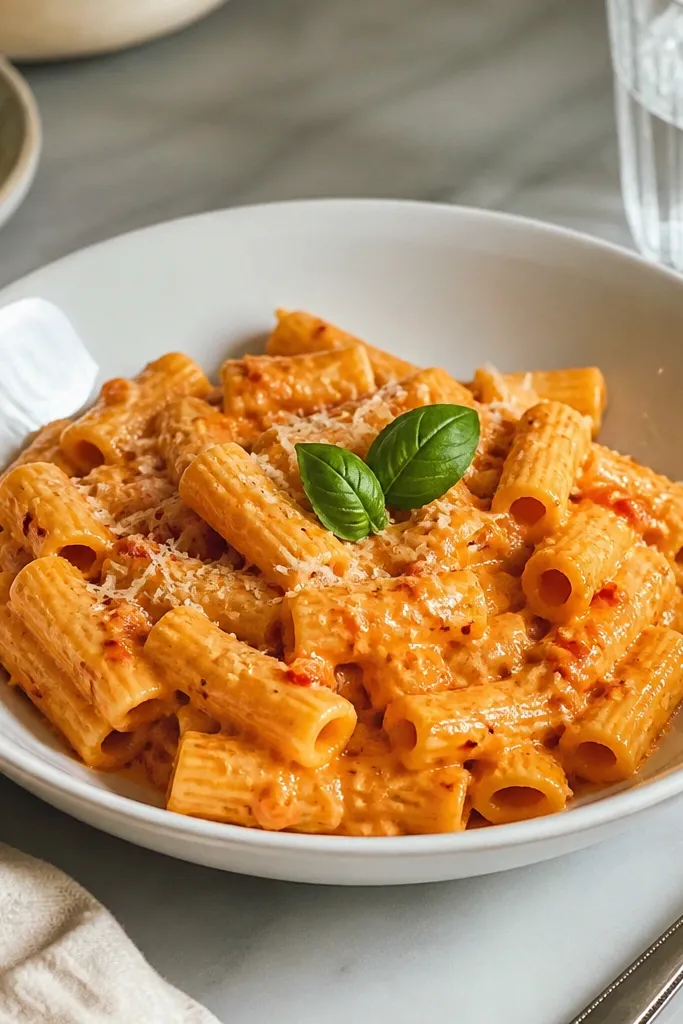
1. Glossy rigatoni in a pale pink cream sauce
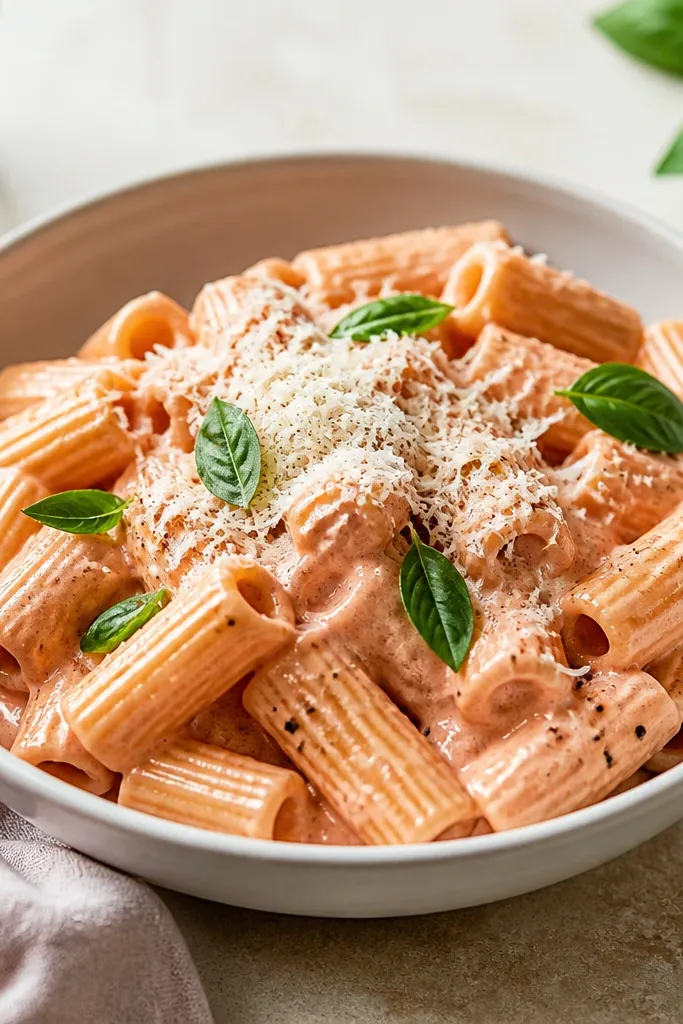
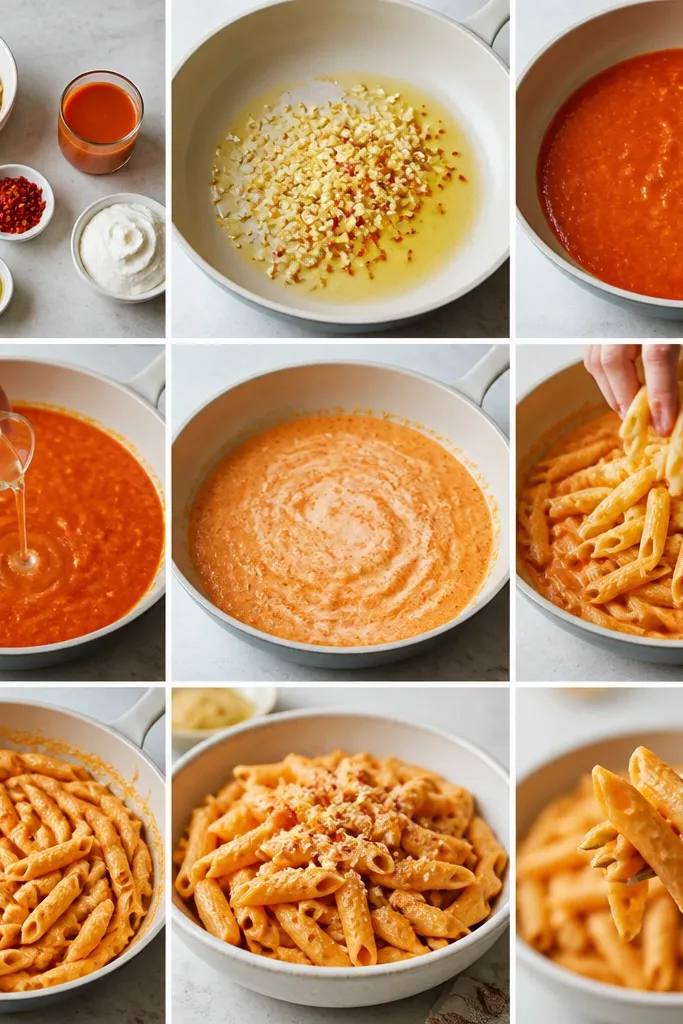
This look comes from a sauce that is creamy but not pale white. The slight pink comes from tomato paste cooked in fat until it deepens, then softened with cream. The gloss is emulsified by pasta water - you'll see it cling to the ridges instead of pooling at the bottom. Pepper flecks and fresh Parmesan add the "viral" speckled texture.
Use rigatoni with thick ridges. Cook pasta until just shy of al dente so you have starch for thickening. Build the sauce in a skillet off a rolling boil, then toss the pasta in the pan for 30-60 seconds so it coats evenly.
Try thisGrate Parmesan on the fine holes and add it off-heat so it melts into a smooth finish instead of clumping.
One warningSkipping pasta water or boiling the sauce hard - it turns dull and separates.
2. Butter-garlic base with tomato paste that turns brick-red
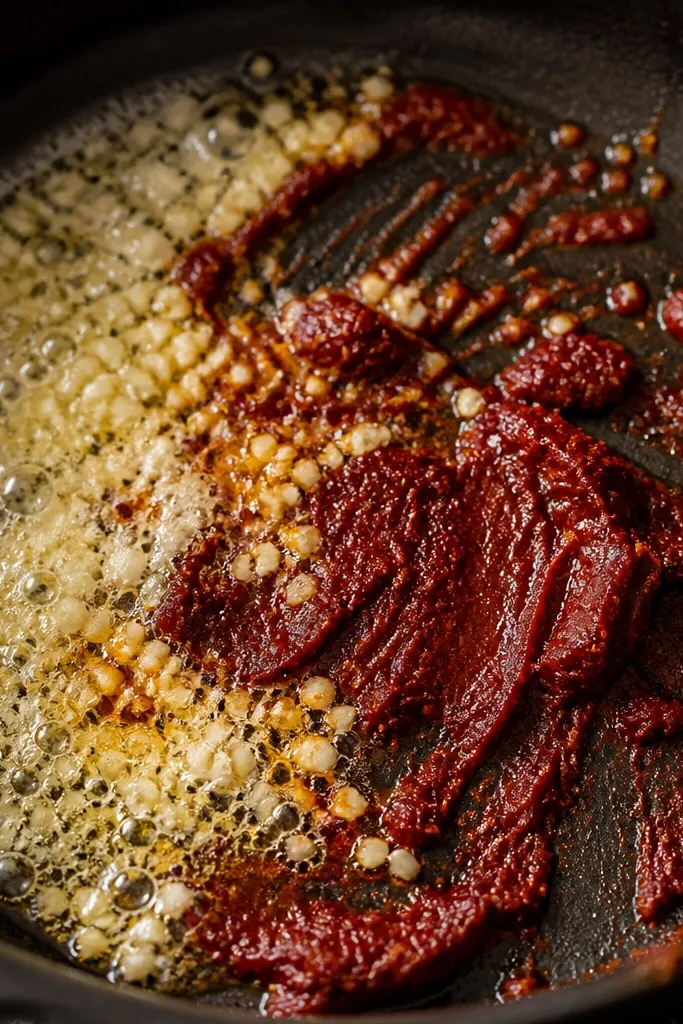
Cooked tomato paste is where color and depth come from. When it browns slightly in fat, it loses raw tang and gives a mellow tomato sweetness that reads like vodka sauce. That deeper red also helps the final sauce look more "salon lighting" instead of pale and flat. Garlic should smell sweet, not sharp.
Use 1-2 tablespoons tomato paste for every 2 cups cream (or 8 oz cream cheese alternative). Stir it constantly for 60-90 seconds until it looks darker and smells toasted. Keep heat medium - if it burns, the sauce tastes bitter.
Try thisAdd a tablespoon of pasta water right after tomato paste so it loosens instantly and spreads evenly.
One warningAdding cream before the paste cooks - you get a raw tomato taste and dull color.
3. Vodka-free bright finish using white wine vinegar swirl
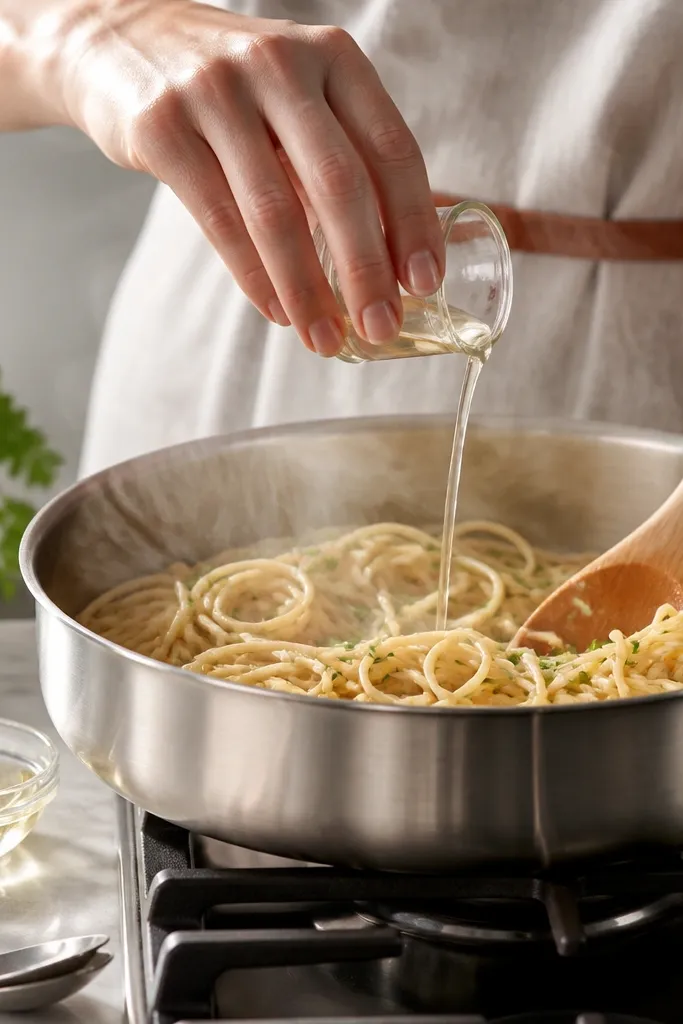
Vodka brings a clean, slightly sharp lift. Vinegar replaces that lift when you add it at the end instead of cooking it down too long. The sauce tastes brighter and more "made" without tasting tangy like salad. A quick swirl keeps the flavor sharp and helps the cream feel lighter.
Use 1/2 to 1 teaspoon white wine vinegar per 2 servings, then taste. Stir it in off-heat for 20 seconds, then toss pasta. If you want extra brightness, add a pinch of lemon zest.
Try thisTaste after vinegar and after Parmesan - vinegar can seem strong alone, then smooths out once cheese melts.
One warningAdding vinegar at the start and letting it boil away - you lose the bright effect.
4. Cream-forward sauce that clings like satin
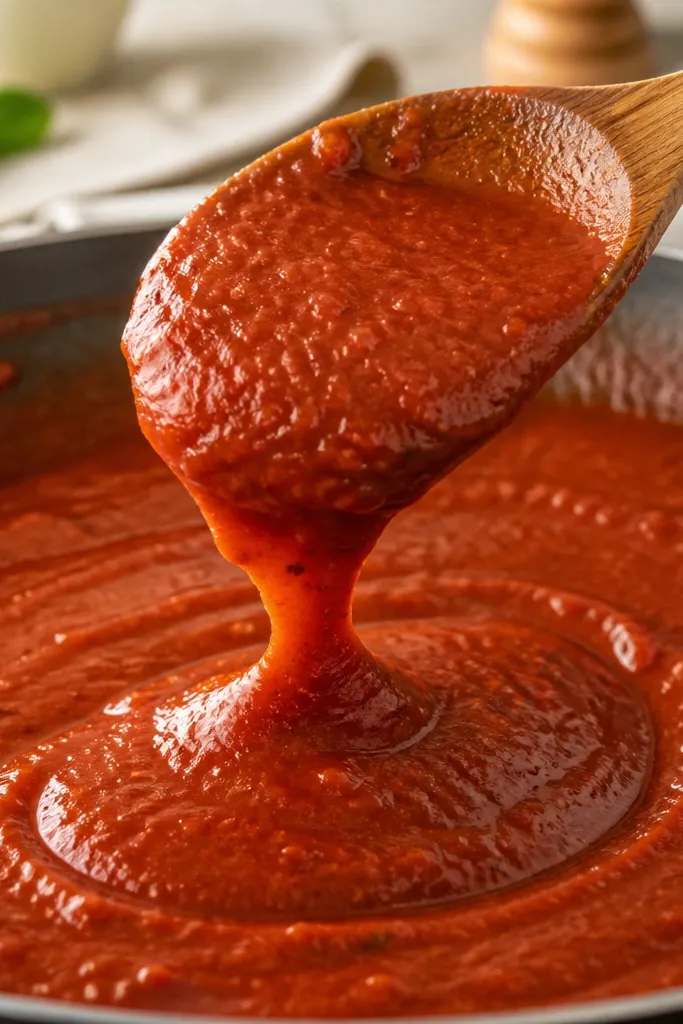
Cream-forward vodka-style sauce gets its cling from gentle reduction and starch emulsification. Heavy cream thickens as it warms, but you still need pasta water to bind everything. The glossy look is a sign the sauce has emulsified - it should move like a thick puddle that won't run. This is the version that photographs best.
Use heavy cream or a blend of cream and half-and-half. Keep heat at medium-low once cream hits the pan. Add pasta water in small splashes: start with 2 tablespoons, stir, then add more only if the sauce looks too thick.
Try thisTurn off heat before adding cheese; let the residual heat melt it so you avoid graininess.
One warningHigh heat after cream - it splits and looks oily.
5. Cheese-forward thickness with cream cheese tang
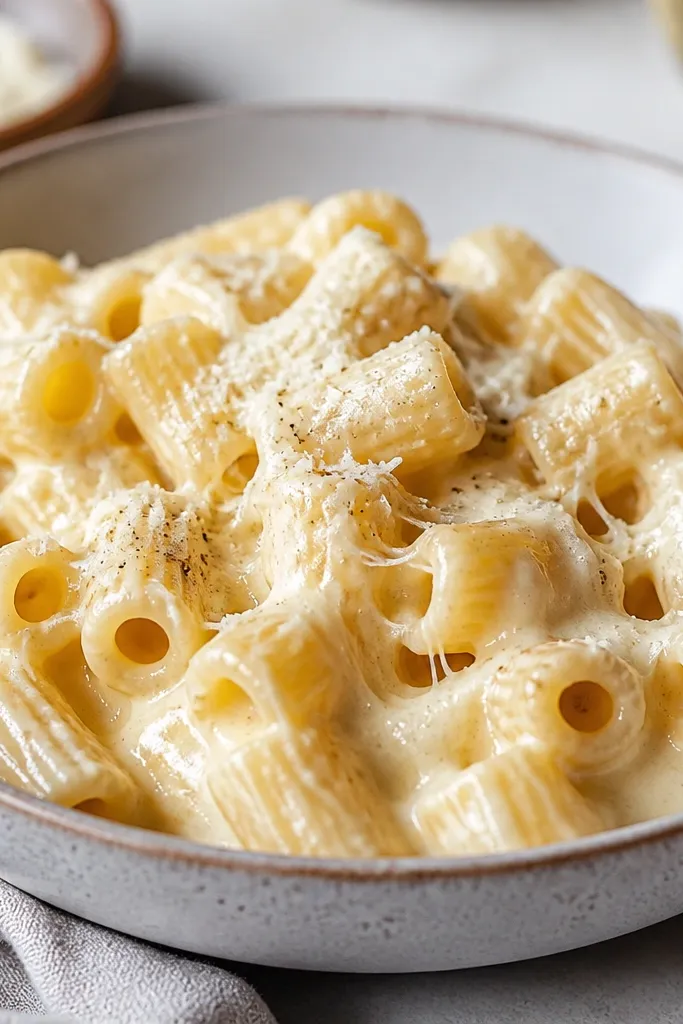
Cream cheese gives body and a mild tang that helps replace vodka's "spark." It thickens fast, so you get that Instagram-thick texture without relying on long simmering. The sauce looks heavier and clings to ridges better than a thin cream sauce. It also holds up for a short rest, so it looks good even if you plate a little early.
Use 4 oz cream cheese for 2 servings. Cut it into cubes so it melts quickly. Stir until smooth, then add pasta water 1 tablespoon at a time until it turns glossy and spoon-coats.
Try thisAdd vinegar at the end even with cream cheese - it keeps the flavor from tasting flat.
One warningDumping cheese in while sauce is boiling - it turns grainy.
6. Pepper + basil micro-finish
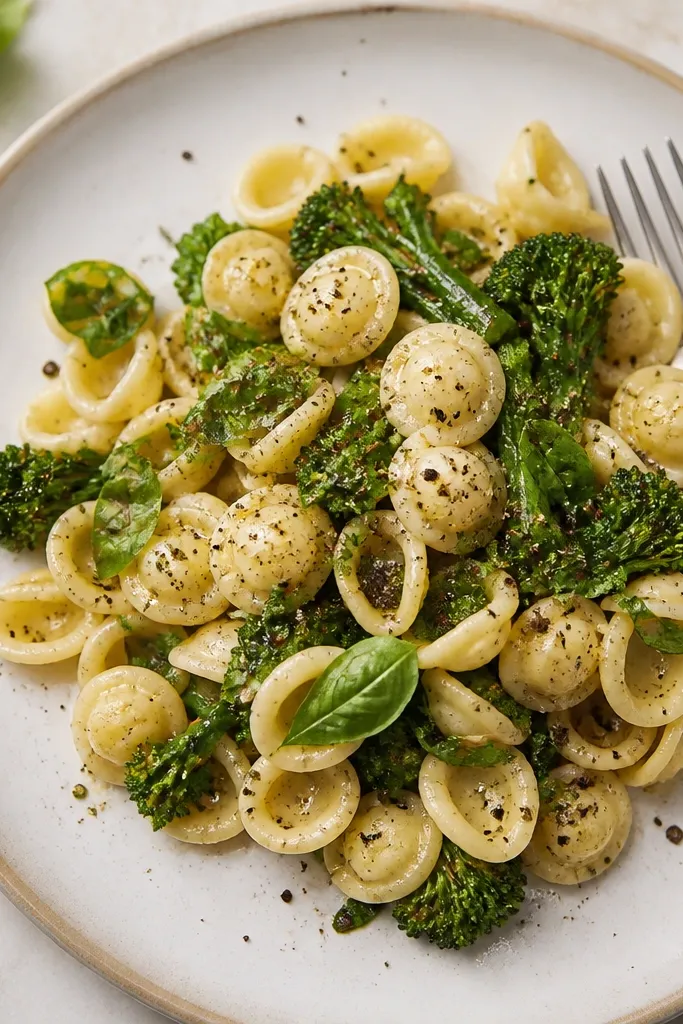
Vodka sauce tastes like it has a little more going on than cream and cheese. Black pepper adds a warm bite that stands up to the richness. Basil gives a fresh green note that makes the sauce smell alive. The small amount matters - too much basil turns the dish herbal and muted.
Crack pepper right before serving. Tear basil leaves with your fingers so the edges look natural. Keep basil to 4-6 small leaves per plate so it doesn't overwhelm the tomato/cream mix.
Try thisIf you don't have basil, use parsley and add it at the last toss, not earlier.
One warningUsing dried basil - it dulls the flavor and looks dry on top.
7. Parmesan snowfall with fine-grate texture
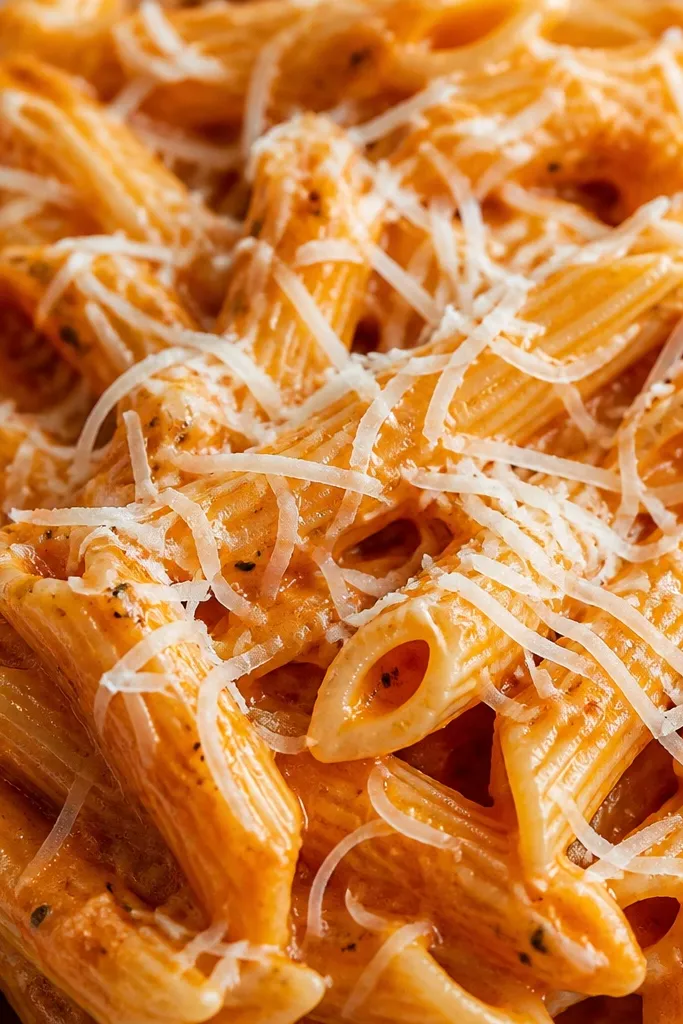
The visual texture of the viral pasta is not thick cheese chunks. It's fine grated Parmesan that melts partially and leaves a few dry flakes. That mix creates a speckled, appetizing surface and thickens the sauce slightly as it melts. Freshly grated Parmesan also prevents the gritty mouthfeel that happens when pre-shredded cheese won't melt smoothly.
Use a microplane or the finest grate. Add half to the sauce off-heat, then sprinkle the rest on top right before serving. Toss pasta briefly so the top layer clings instead of just sitting there.
Try thisIf your sauce looks thin, add Parmesan gradually before adding more pasta water.
One warningUsing pre-shredded "Parmesan" - it resists melting and makes the sauce grainy.
8. Garlic that stays sweet, not browned
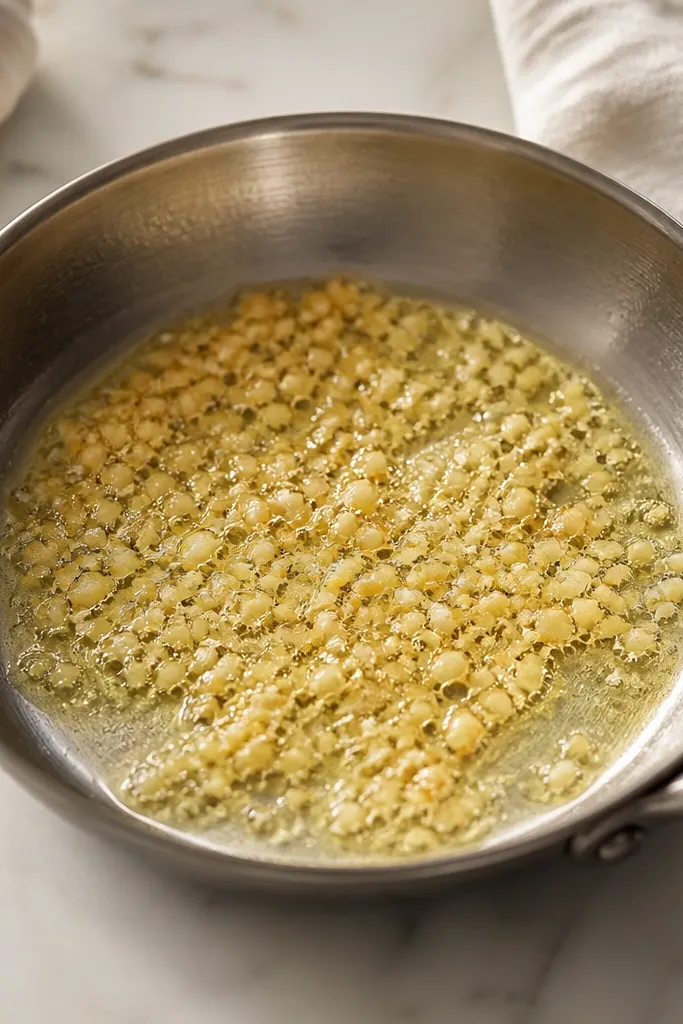
Garlic taste changes fast in hot oil. For this sauce, you want sweet garlic that smells like warm bread, not browned garlic that tastes bitter. When garlic is right, it lifts the cream and makes the vinegar finish feel smoother. It also helps the vodka-free version taste closer to the original because garlic carries aroma.
Minced garlic goes in after butter melts. Stir for 30-45 seconds until fragrant and just lightly golden. If it starts to brown quickly, lower heat and add a splash of pasta water to cool the pan.
Try thisUse fresh garlic for this - jarred garlic tastes harsher with vinegar.
One warningLetting garlic go dark - it ruins the whole sauce.
9. Seasoning balance with a tiny sugar pinch
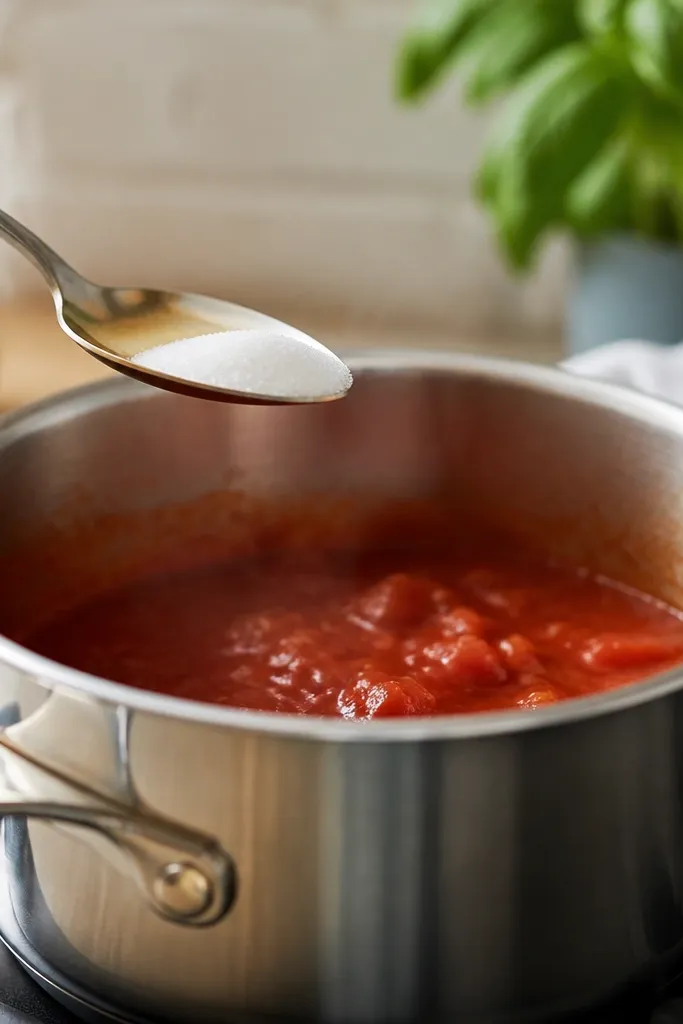
Tomato paste can taste sharp even after cooking. A tiny sugar pinch rounds it out so the sauce tastes creamy and rounded, not like tomato-cream. This is the part people usually misattribute to vodka. Without vodka, sugar keeps the overall flavor from tipping sour.
Start with 1/8 to 1/4 teaspoon sugar per 2 servings. Stir it in with tomato paste cooking so it dissolves early. Taste after you add Parmesan - the sauce should taste balanced before the vinegar finish.
Try thisIf you taste and it still feels sharp, add 1/2 teaspoon more cream or pasta water before adding more sugar.
One warningAdding a full teaspoon of sugar - it turns the sauce dessert-sweet.
10. Plate styling with a center mound and sauce edges
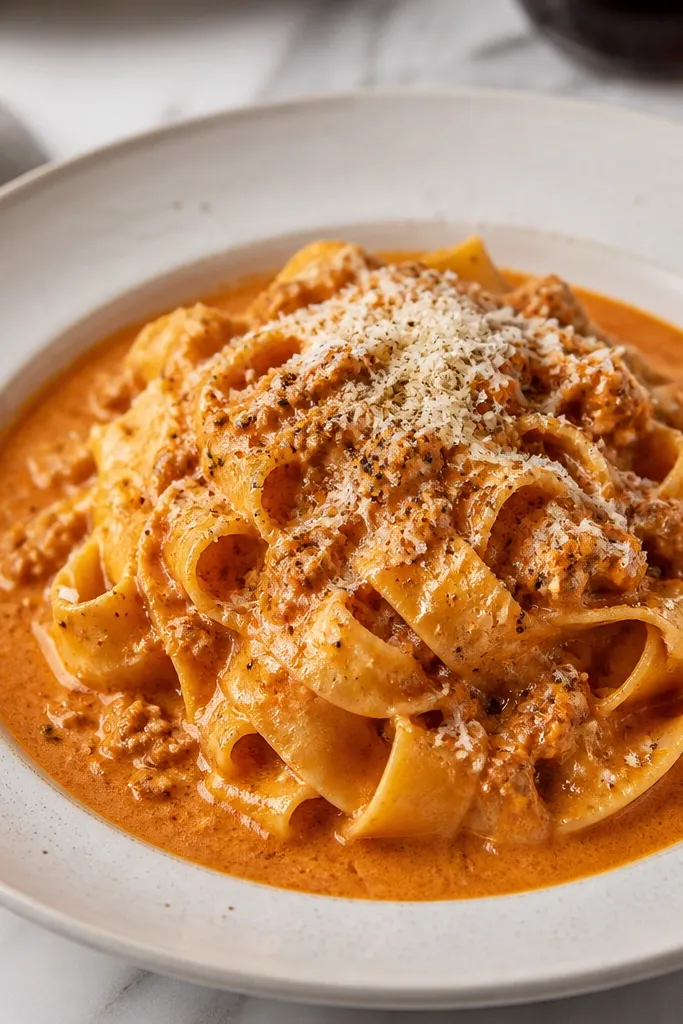
The viral photo look is about how the sauce lands on the pasta, not how much sauce you pour. A center mound makes the sauce cling and fold over itself, so it looks thick and glossy. A thin ring on the plate looks intentional and restaurant-like. It also prevents the pasta from looking drowned.
Use tongs to lift pasta and shake gently so excess sauce stays in the pan. Spoon a small amount of extra sauce around the mound, then top with Parmesan and pepper. If you're serving multiple plates, plate one at a time so the sauce stays glossy.
Try thisWarm the plates for 2 minutes if you want the sauce to stay silky longer.
One warningPouring the sauce from a distance - it breaks the visual gloss and pools.