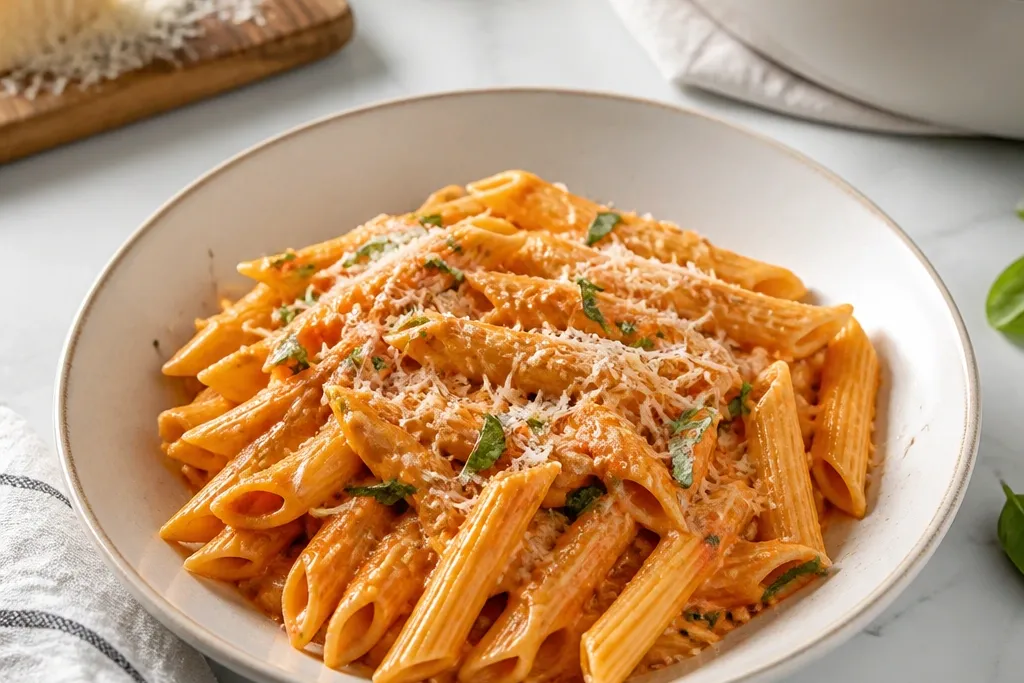
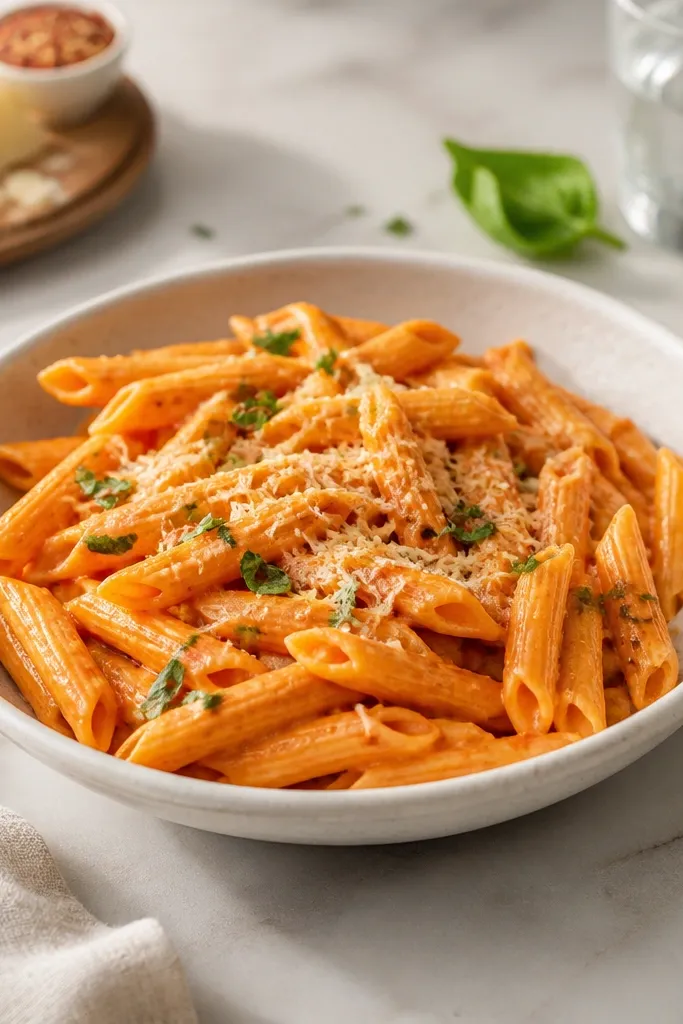
1. Glossy pink vodka sauce that clings
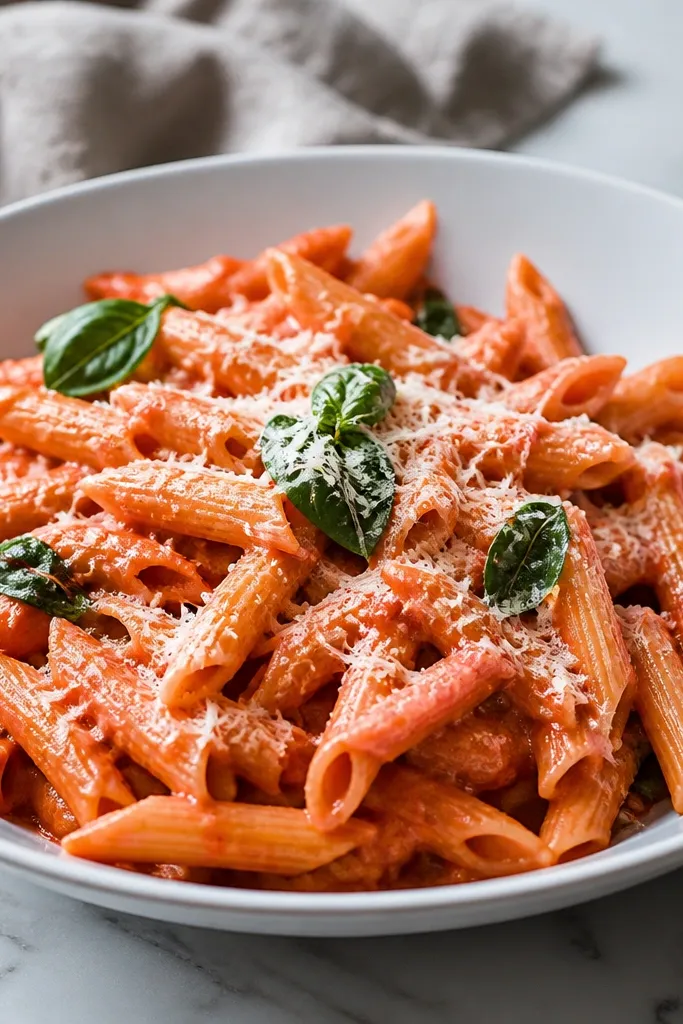
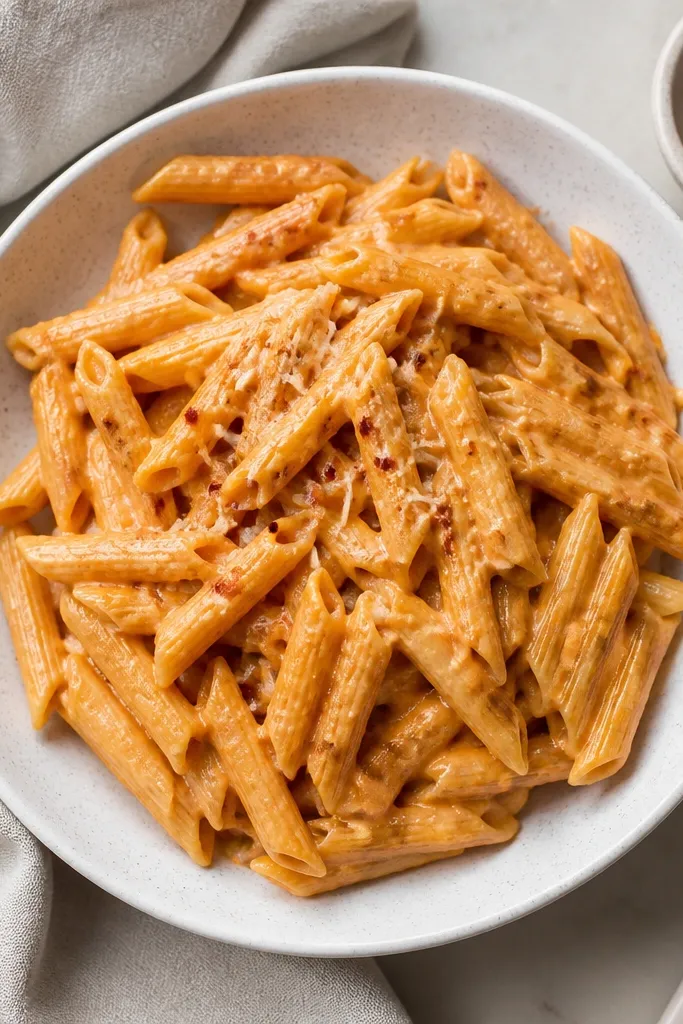
That clinging texture is the visual proof you did the pasta-water step right. The sauce should look like it's lightly lacquered, not watery and not separated into oily streaks. I get the color by using tomato paste for body plus a splash of cream for that pale pink tone. Freshly grated Parm adds a dry, snowy finish that contrasts the shine.
Use tomato paste (not just crushed tomatoes) so it thickens quickly. After the vodka simmer, add cream and toss in penne just until it turns glossy. Grate parmesan off the block right before serving so it melts into the sauce instead of sitting powder-dry.
Try thisIf the sauce looks thick, loosen with pasta water one tablespoon at a time while stirring hard so it turns shiny again.
One warningSkipping pasta water makes the sauce look flat and heavy, like it's coating but not actually emulsifying.
2. Butter-smoothed base with a golden sheen
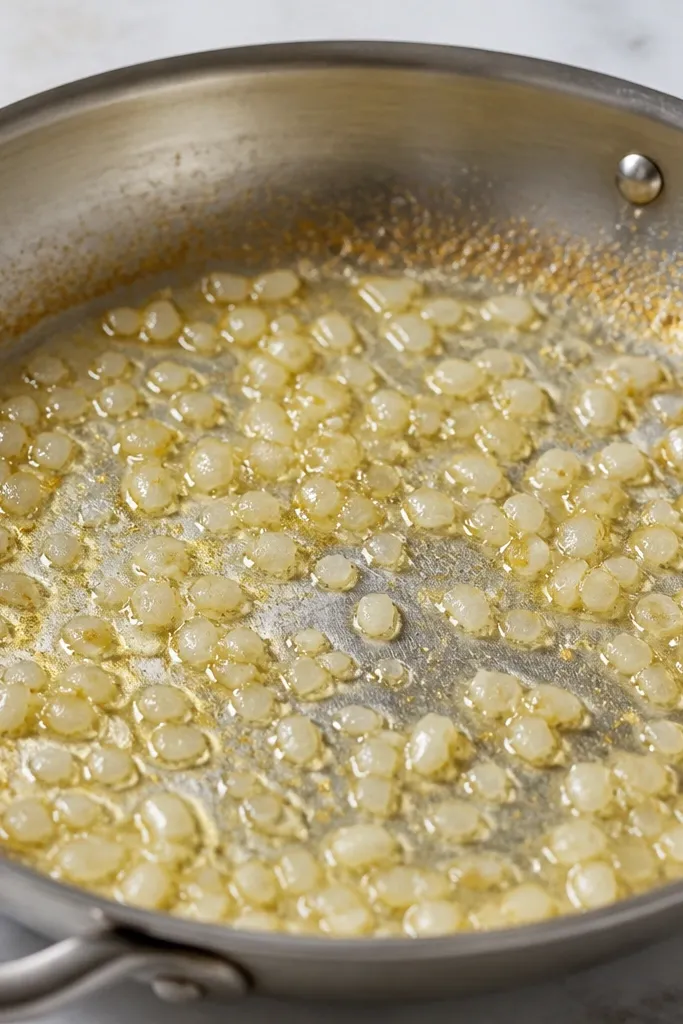
The butter gives you the "silk" look before the tomatoes even hit the pan. When butter melts into the oil, it helps emulsify the later cream step and keeps the sauce from tasting sharp. I cook onions until they're soft and glossy, not browned, because browning shifts the flavor toward caramel instead of creamy tomato.
Start with butter plus a neutral oil like olive oil or a light vegetable oil. Dice onion small so it melts into the sauce in under 5 minutes. Keep the heat medium so the butter doesn't brown - you want a sheen, not toasted specks.
Try thisIf the onions start sticking, add a teaspoon of pasta water early and scrape the bottom so you build flavor without extra time.
One warningLetting the onion brown makes the sauce look darker and tastes harsher even after you add cream.
3. Vodka simmer bubbles that disappear fast
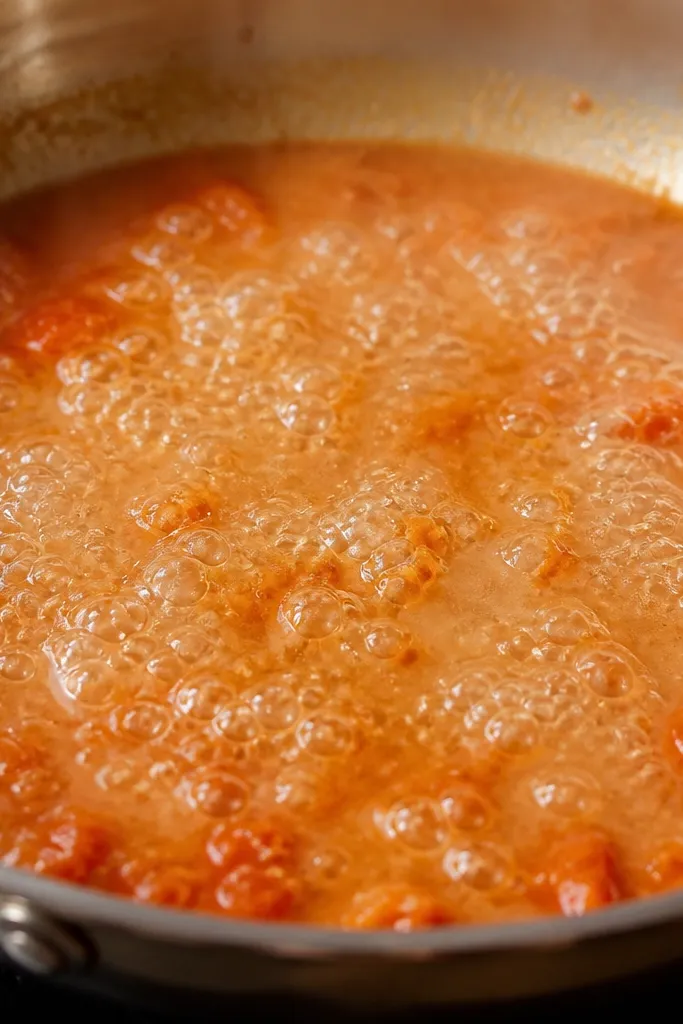
Vodka step is about speed and smoothing. When you simmer vodka for 2-3 minutes, the sharp alcohol edge cooks off and the sauce tastes rounded. Visually, you'll see the bubbles get smaller and the liquid volume reduce, and that's your cue to move on. If you don't simmer, the sauce tastes "boozy" and looks looser because the base hasn't thickened into the cream.
Pour vodka in and keep heat at a steady simmer, not a rolling boil. Stir so the tomato paste dissolves into the liquid; you want no gritty clumps. Once it reduces slightly, you'll see a more unified red-orange base.
Try thisUse a timer. The vodka step is short enough that guessing is how you end up with either harsh flavor or over-reduction.
One warningAdding cream before the vodka step makes the sauce split and look oily around the edges.
4. Cream added off the heat for a smooth finish
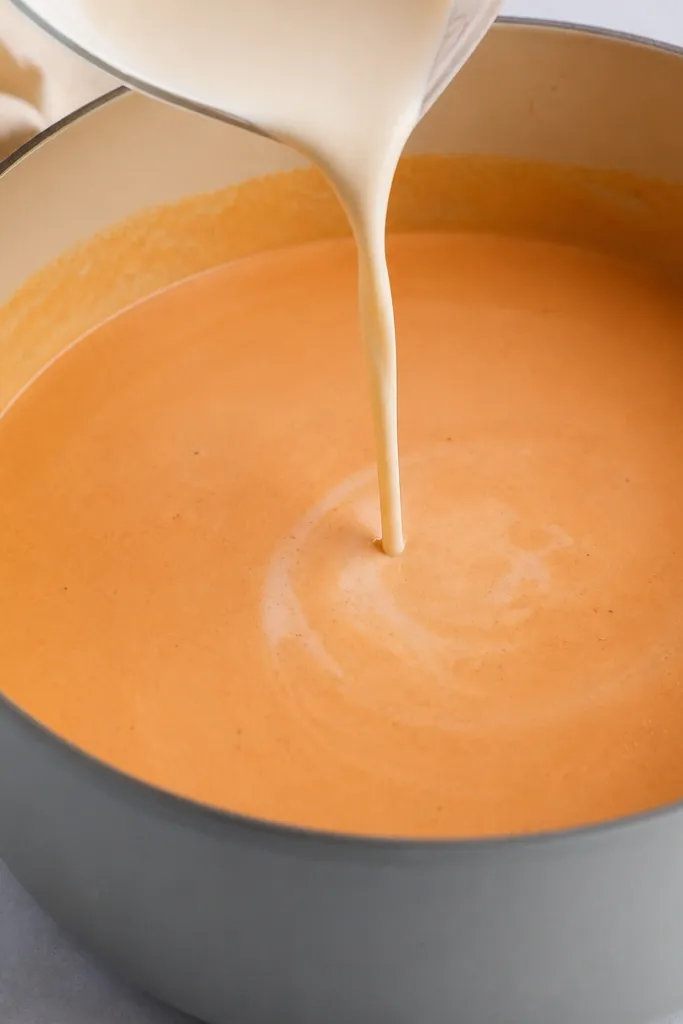
This is my favorite trick for the "never grainy" look. Off-heat or low-heat cream addition gives you time for the sauce to emulsify before it hits higher temps again. The color shifts to a pale pink quickly, and it looks thicker even before you add pasta water. It's the difference between restaurant-smooth and homemade-lumpy.
After vodka reduces, turn heat down to low or off for 20-30 seconds, then stir in cream. Return to low heat and stir until it looks glossy. Add grated parmesan in the same low range so it melts smoothly.
Try thisIf you see any tiny curds, stir and lower heat immediately, then add one spoon of pasta water to bring it back together.
One warningBoiling the cream aggressively after adding cheese makes the sauce grainy and dull.
5. Penne finished in the sauce pan
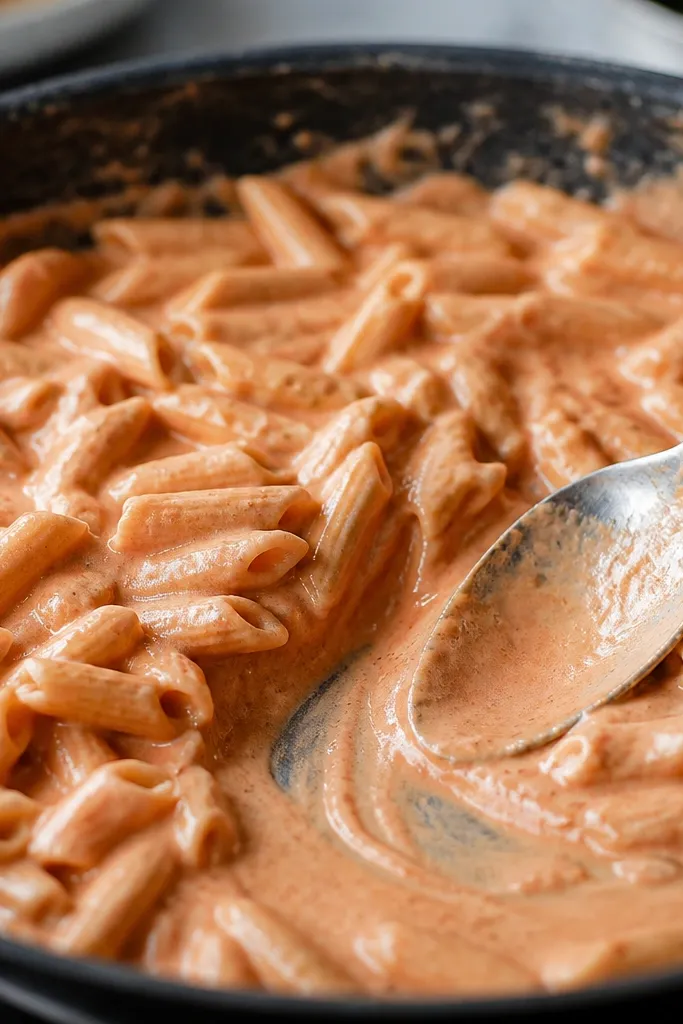
Finishing penne in the pan is what makes it look professionally coated. The pasta keeps releasing starch while it absorbs sauce, so the sauce thickens around each tube. You'll see a glossy trail when you drag a spoon through - that's the texture you want. If you plate immediately after draining, the sauce sits on top and slides off.
Reserve at least 1 cup pasta water. Add penne to the sauce with a splash of pasta water, then toss for 60-90 seconds on low heat. The sauce should cling without pooling; if it pools, add more penne water and toss again.
Try thisUse tongs and toss for 20-30 seconds, rest 10 seconds, then toss again. It helps even coating without overcooking the pasta.
One warningRinsing pasta - it removes surface starch and your sauce won't cling.
6. Parmesan snowfall on top
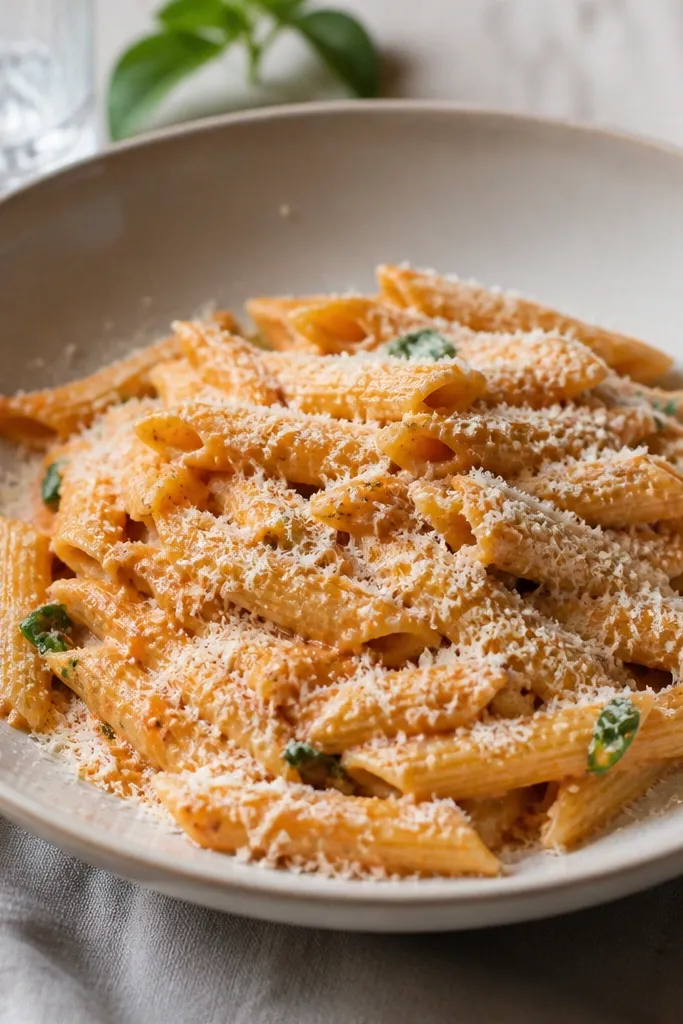
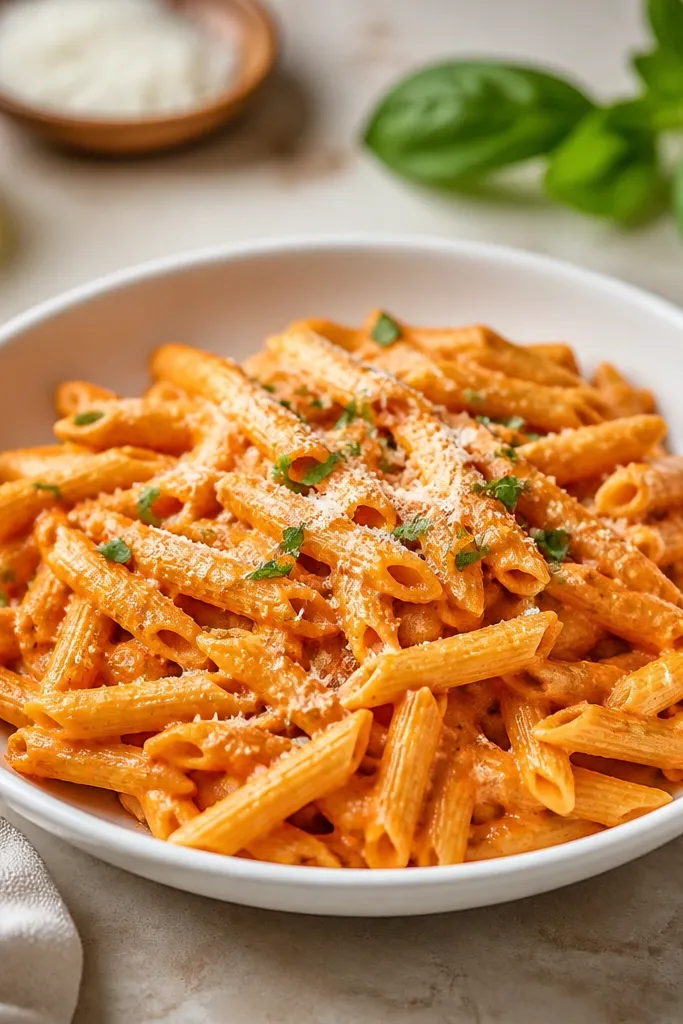
A light snowfall makes the dish look finished and keeps the cheese from clumping into hard lumps. I grate parmesan very fine so it melts into the warm sauce but still looks like powder on the top. The contrast between glossy sauce and dry cheese flecks makes it look intentional.
Turn off heat before final parmesan if you're sensitive to graininess. Sprinkle about 2-3 tablespoons for a two-person pan, then toss once quickly so some sticks but not all disappears.
Try thisGrate cheese with a microplane over the pan - it gives you that powdery look that melts fast.
One warningUsing pre-shredded parmesan - it stays too dry and looks like it's sitting on top.
7. Basil oil streaks for fresh color
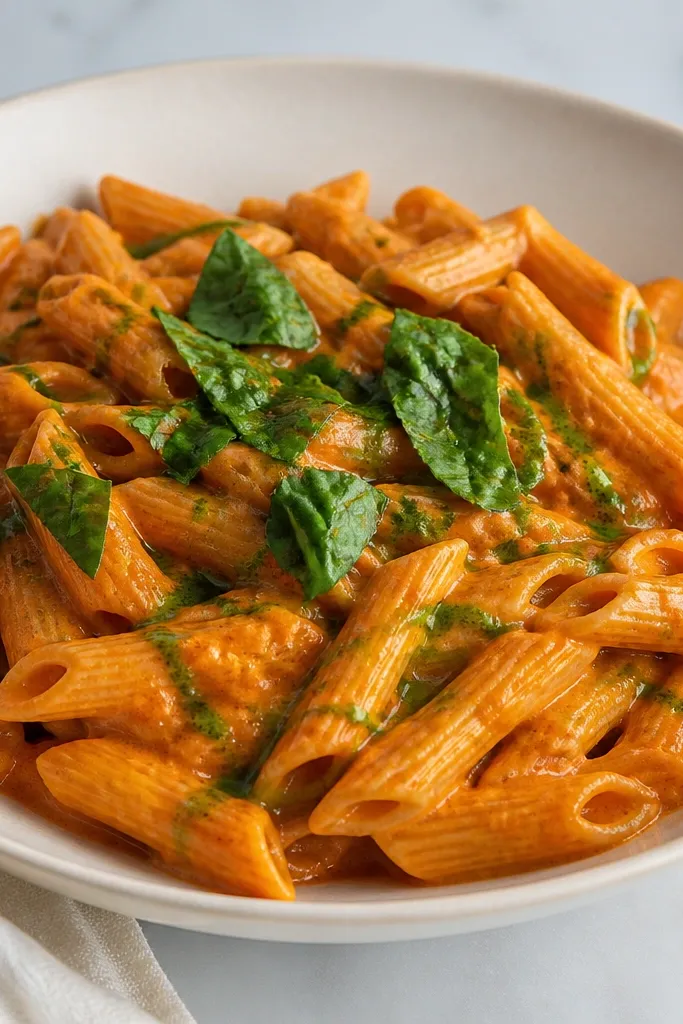
This is a simple trick to make the dish look lively even when the sauce is pale pink. A thin basil oil drizzle adds color and a fresh aroma right at the top. I use a quick basil oil from olive oil and torn basil, and I drizzle it in thin lines so it doesn't overpower the vodka sauce.
Tear basil by hand so you keep little leaf edges. Stir basil into warm olive oil for 2 minutes, then strain or just drizzle with a spoon. Use sparingly - you want green accents, not a green sauce.
Try thisAdd basil at the last second so it stays dark green instead of turning dull.
One warningChopping basil too small - it turns brown fast and looks messy on top.
8. Garlic and shallot base without browning
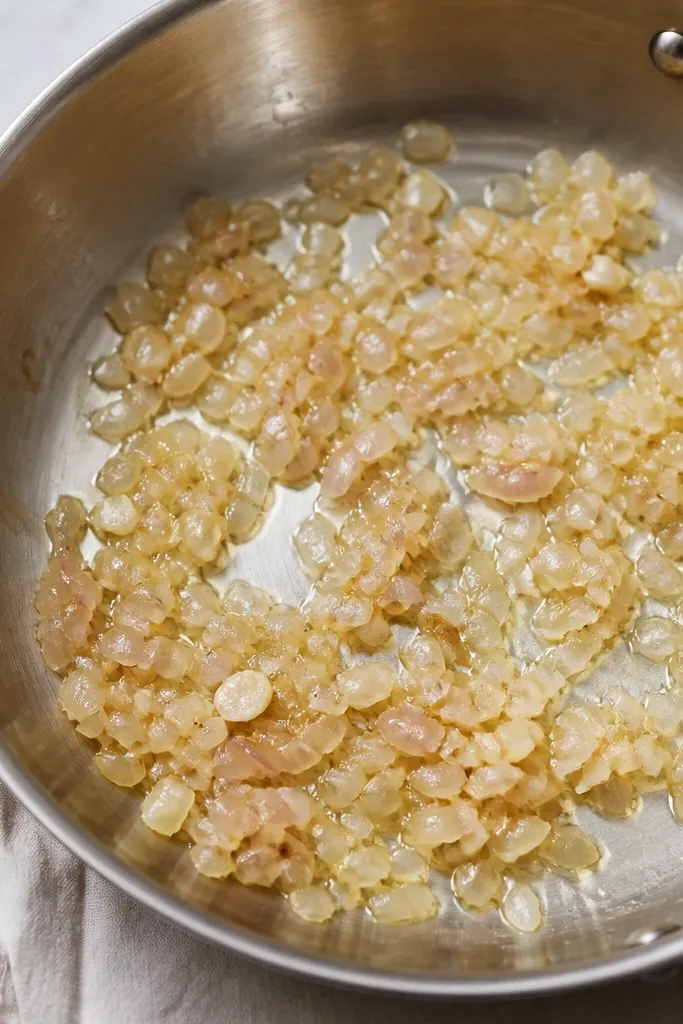
A light gold base keeps the sauce tasting sweet and creamy instead of sharp. Shallot gives you a gentle sweetness that plays nicely with vodka and tomato paste. Garlic should smell fragrant and mild, not toasty. When the base is right, the sauce looks uniform instead of separated.
Sauté shallot until translucent, then add minced garlic for 30-45 seconds. Stir constantly so the garlic doesn't brown. Keep heat medium-low - you're building flavor, not making garlic toast.
Try thisIf garlic starts sticking, add a teaspoon of water and scrape. It saves the pan and keeps the color pale.
One warningCooking garlic too long - it makes the sauce look darker and taste bitter.
9. Serving in a shallow bowl for sauce spread
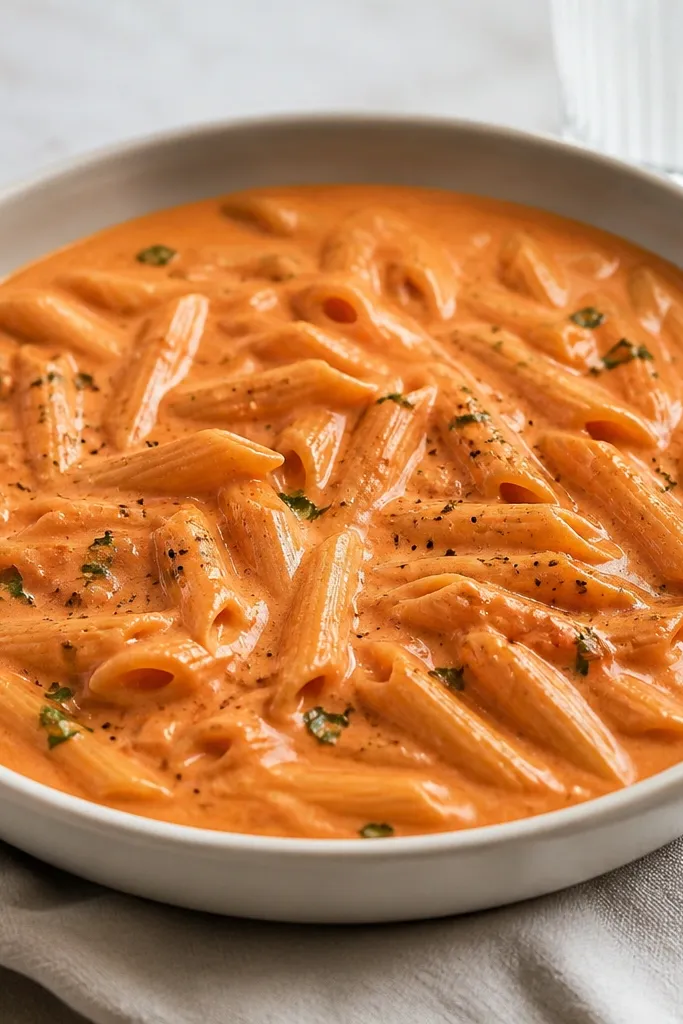
How you serve changes how it photographs and how it eats. Shallow bowls let the sauce cling and spread, so you see the glossy coat instead of a thick mound. It also makes the parmesan dust look even. I like a white or cream bowl because the pink sauce pops without looking muddy.
Plate with tongs and drop penne first, then spoon a little sauce over so every tube gets coated. Keep the rim clean with a quick wipe so it looks restaurant-ready.
Try thisWarm the bowl for 1 minute with hot water, then dry - sauce stays glossy longer.
One warningUsing a deep plate - sauce sinks and looks pooled before you sit down.
10. Side of crusty bread for the last spoon
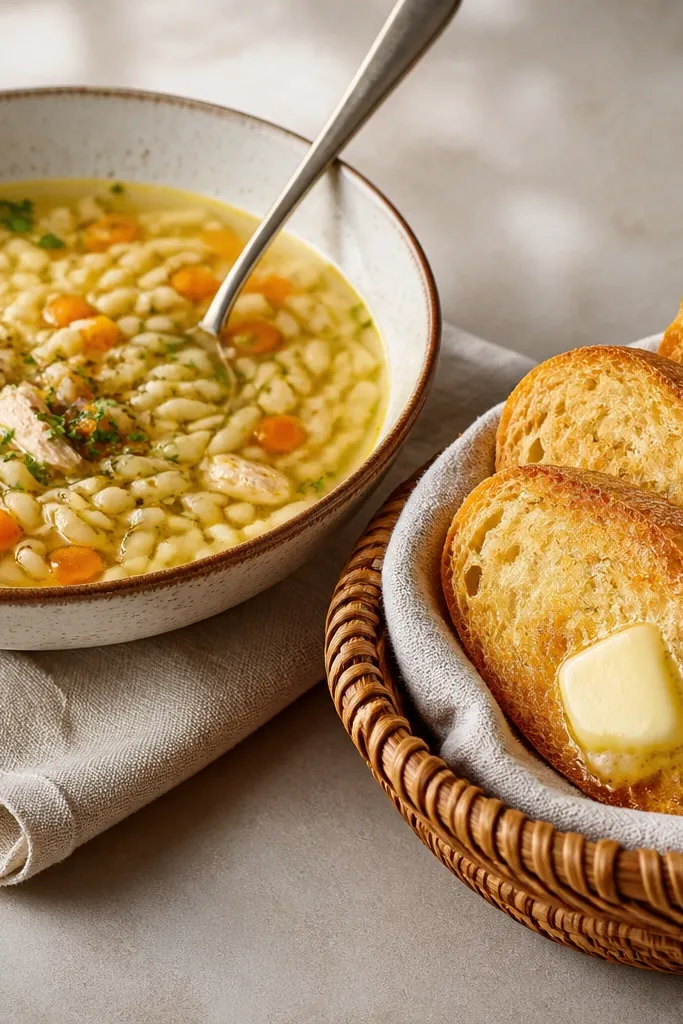
This dish is made for scooping, and bread changes the whole eating experience. The sauce is thick enough to cling to a toasted edge, so you get that salty-silky bite at the end. I keep the bread simple because the penne is already creamy and tangy. A little butter on the side is optional but it makes the sauce taste even smoother.
Toast bread until edges are crisp and the inside stays chewy. Serve warm so the penne sauce doesn't cool too fast while you eat. If you want extra flair, brush toast with olive oil and a pinch of salt.
Try thisSave a spoonful of sauce in a small cup so you can dip without dragging parmesan crumbs into the whole pan.
One warningServing soft untoasted bread - it soaks sauce and turns the texture flat.