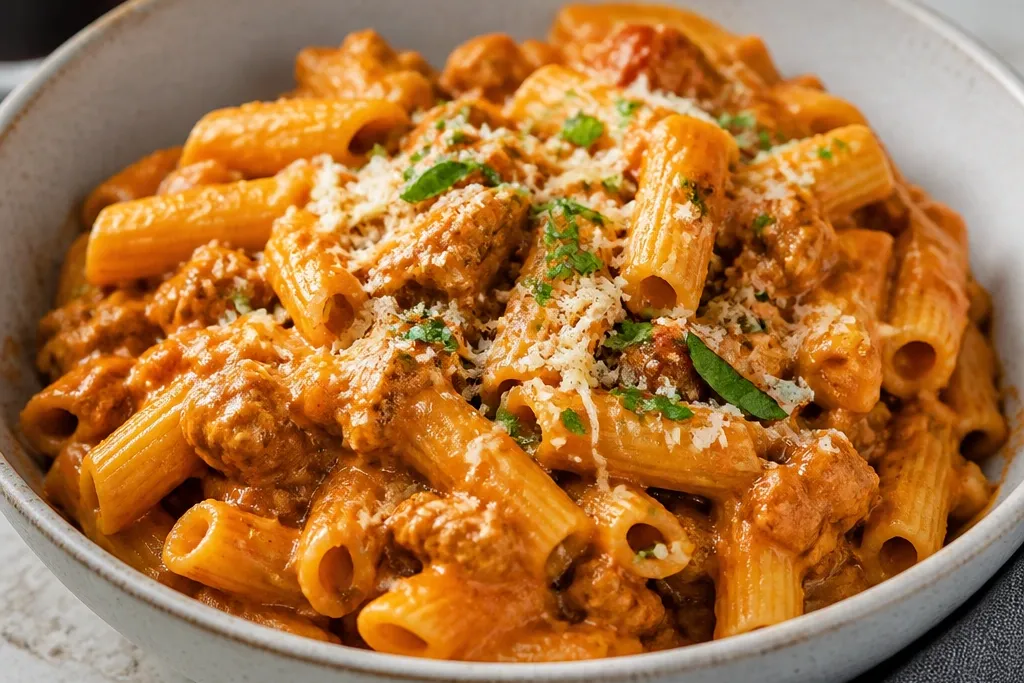
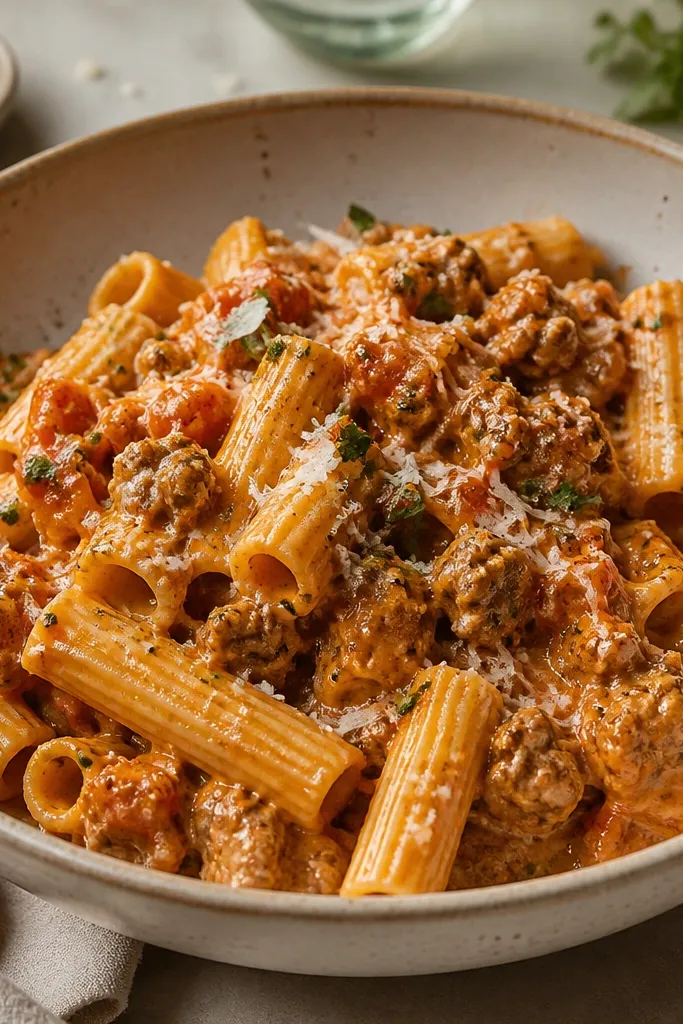
1. Glossy red-brown meat sauce on rigatoni
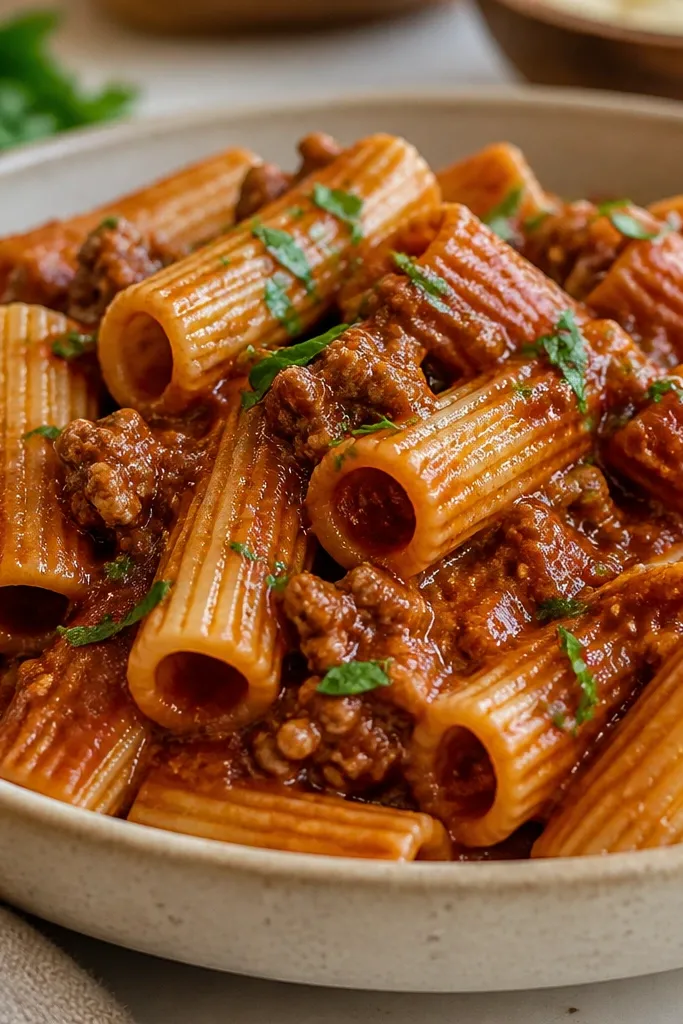
This look comes from reducing crushed tomatoes until the sauce turns glossy and darker than plain marinara. The meat should be browned and broken into small crumbles so it disappears into the sauce but still shows up in every bite. I like the color to land in that red-brown zone - not bright ketchup red, not pale pink.
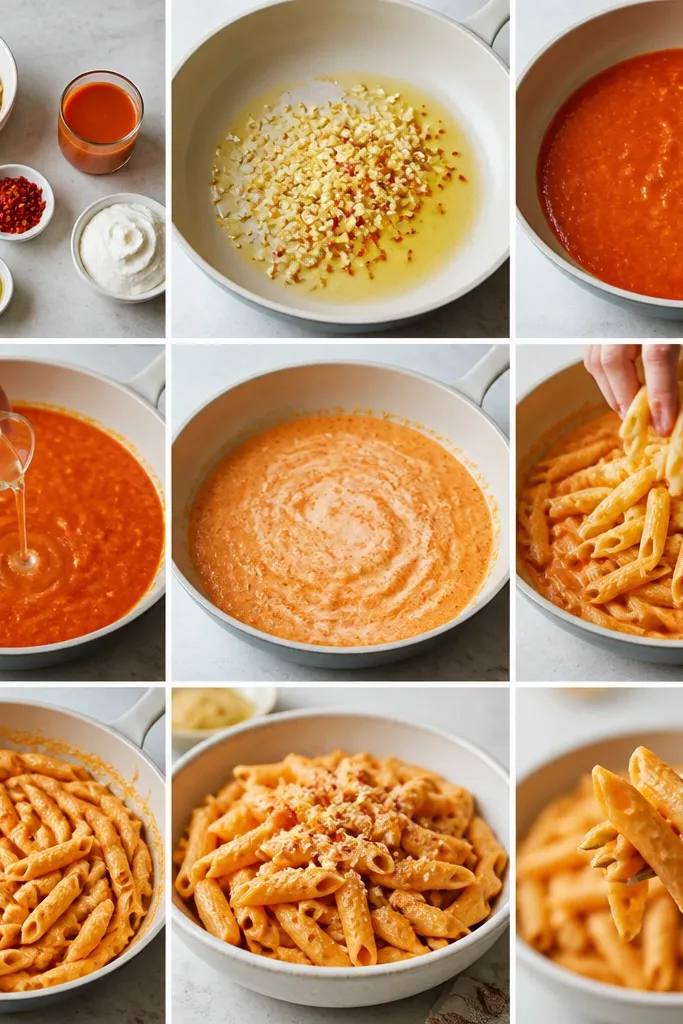
Cook your meat in a wide pan so the juices evaporate and you actually brown it, not steam it. After you add vodka, scrape the pan clean and let it simmer until the liquid looks slightly thickened. Toss rigatoni cooked 1 minute under the box time into the sauce with 1-2 ladles of pasta water, then simmer 1-2 minutes.
Try thisAim for sauce that coats a spoon and leaves a clear trail when you drag a finger through it.
One warningDon't use tomato sauce that's already thin - it stays thin even after vodka and cream.
2. Cream-swirl vodka sauce with darker meat bits
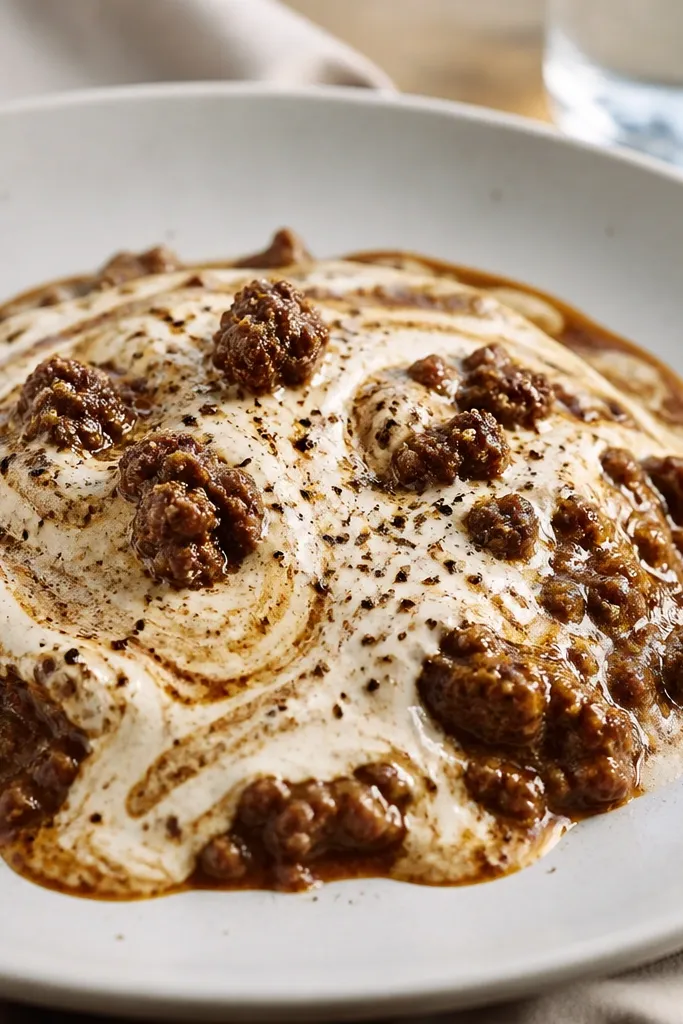
This is the "restaurant bowl" look: creamy but still grounded by meat. The trick is to add cream off the heat or after the sauce has reduced, so it doesn't split and stays glossy. You get contrast when the meat bits stay darker than the cream layer.
After vodka and tomatoes reduce, lower heat and stir in heavy cream slowly. Turn off the heat for 30 seconds, then stir again so the cream blends smoothly. Finish with grated Parmesan and black pepper, then toss with penne.
Try thisAdd Parmesan in two parts - first to thicken, second to deepen flavor.
One warningSkip boiling after cream goes in; bubbles make the sauce look grainy.
3. Fresh parsley and lemon zest brightness
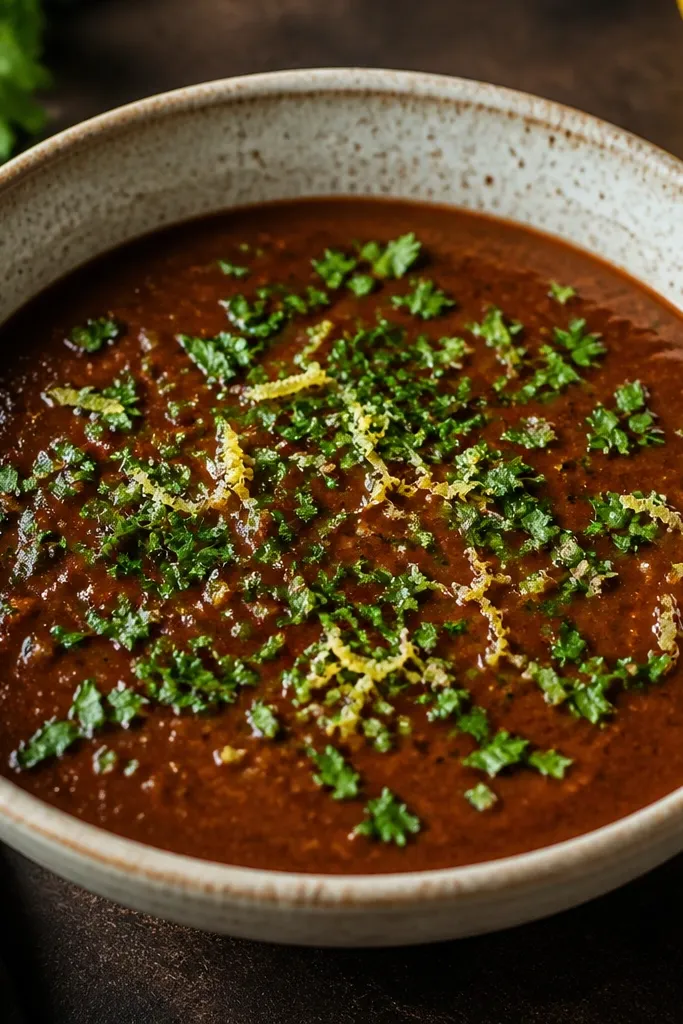
Rich meat sauce can taste heavy if you only rely on salt and cream. Lemon zest adds aroma without adding extra liquid, and parsley gives you that green pop that makes the bowl look fresher than it is. This combo also balances the vodka flavor so it tastes intentional, not random.
Use fresh parsley, chopped small enough to vanish into sauce but visible on top. Zest half a lemon with a microplane right before serving; keep zest light so it doesn't look like garnish confetti.
Try thisAdd lemon zest at the very end, then taste - you should smell it immediately.
One warningDon't squeeze lemon juice into the whole pot; it can thin and sour the sauce.
4. Parmesan snow and pepper ring
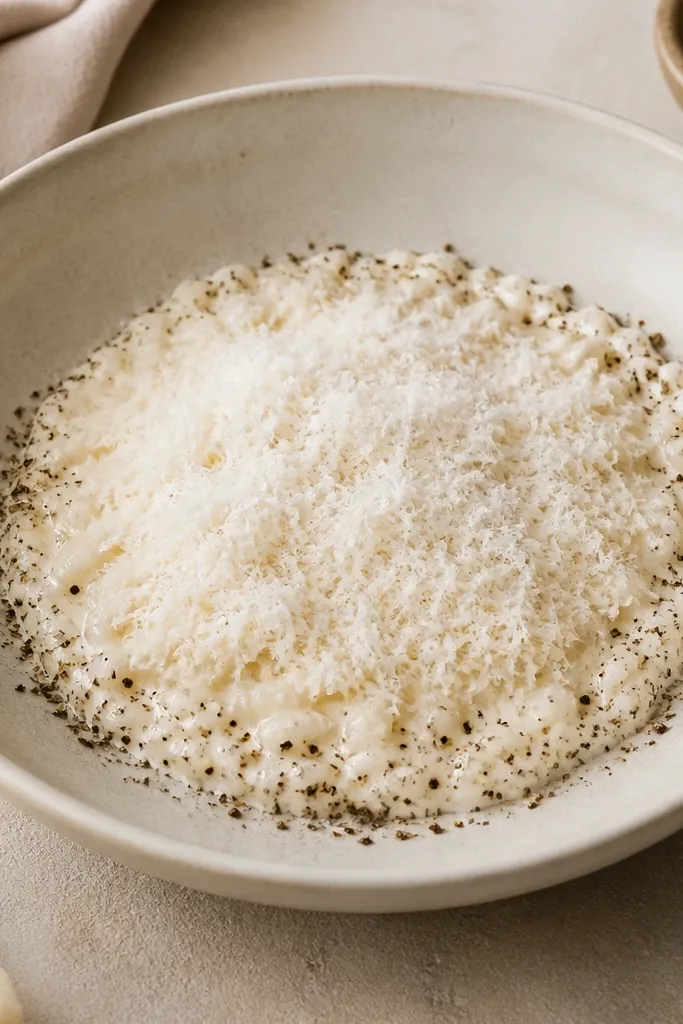
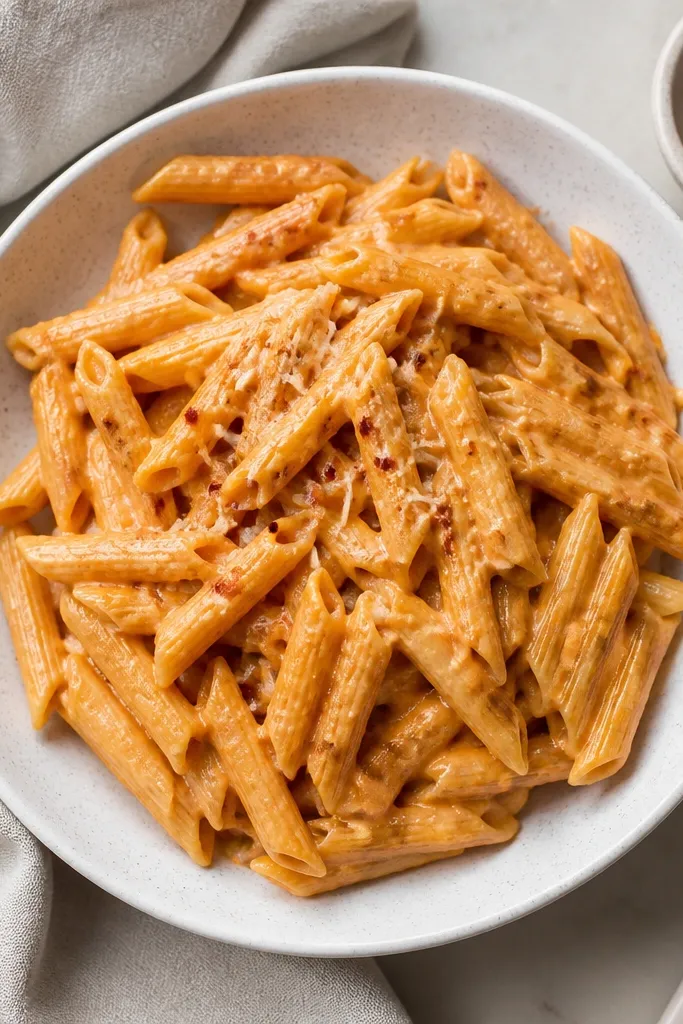
This look tells you the sauce is thick enough to hold toppings. Finely grated Parmesan melts slightly on contact and makes the surface look satin, not dull. Cracked pepper adds black specks that read as "fresh" even in low light.
Grate Parmesan on the fine side of a box grater, not the coarse side. Sprinkle pepper right before serving so it doesn't darken into the sauce. Serve in a shallow bowl so the topping sits on top of the ridges.
Try thisUse a microplane for Parmesan if you want the "snow" texture.
One warningDon't use pre-shredded Parmesan; it won't melt and looks dry.
5. Chunky meat crumbles vs silky cream
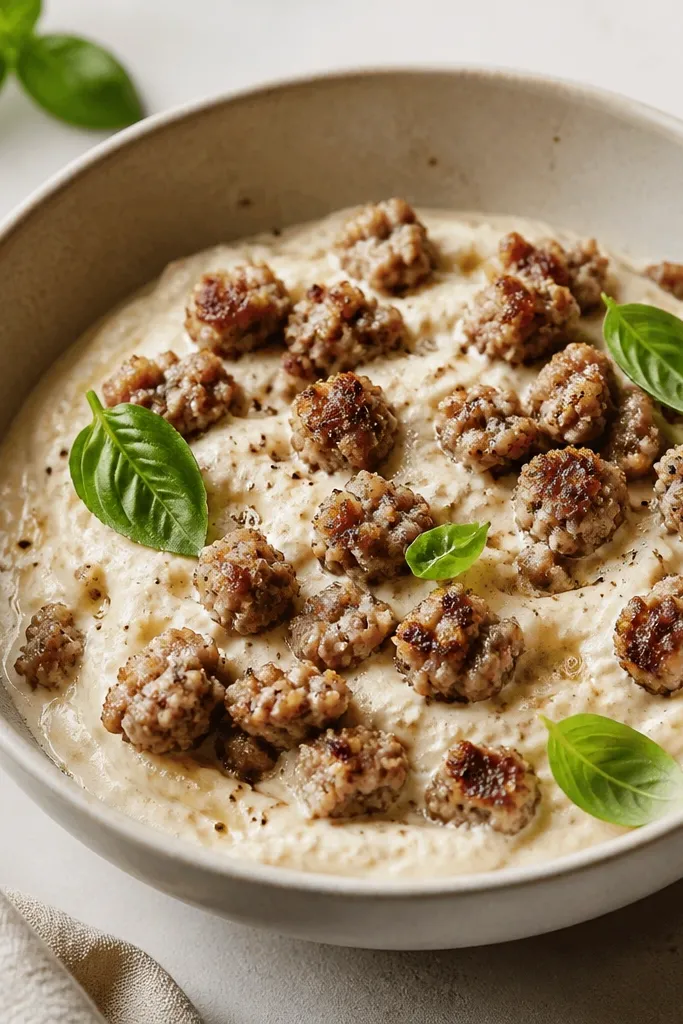
You want contrast in texture: meat crumbles should hold shape, while the sauce should feel smooth. That texture split comes from cooking meat until browned and then simmering sauce just long enough to thicken without turning everything into paste. It makes the bowl feel hearty rather than uniform.
Brown ground beef or sausage until you see dark edges, then reduce heat and let vodka reduce before adding tomatoes. Simmer tomatoes until the sauce clings to pasta water, then add cream. Finish tossing so meat stays mixed through but still noticeable.
Try thisIf your meat is too fine, brown it and then crush larger clumps with the back of a spoon.
One warningDon't blend meat into the sauce with a heavy hand; you lose that satisfying chew.
6. Red sauce with a single basil leaf line
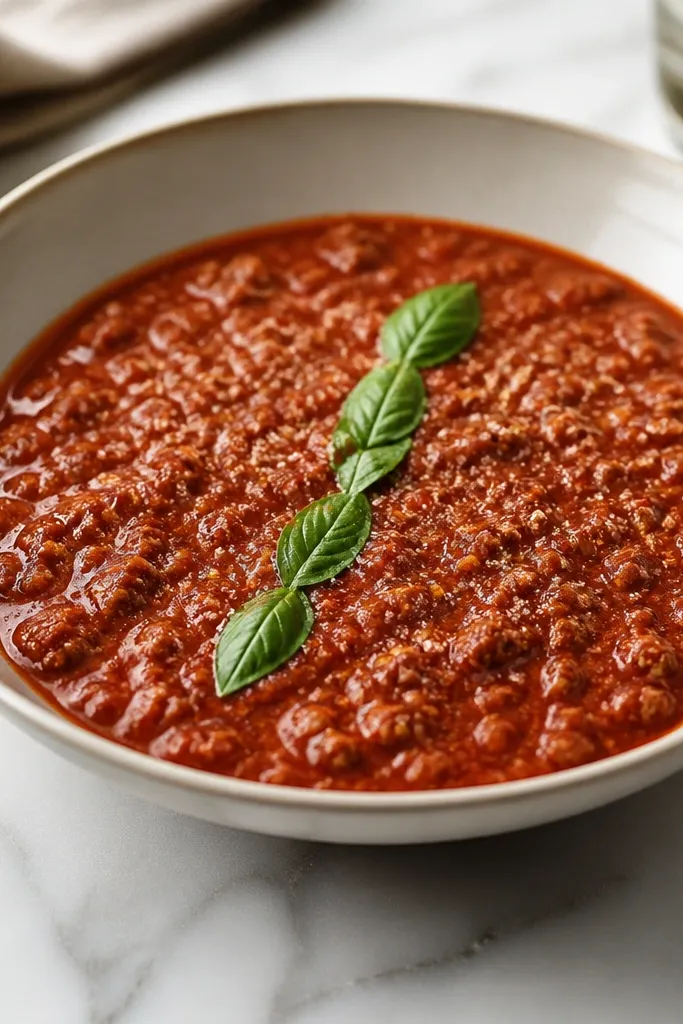
Minimal toppings make the sauce look like the star. A basil leaf line reads intentional and looks good in photos because it creates a color stripe that doesn't cover the pasta. This is also a flavor choice: basil adds aroma that pairs with tomato and meat without extra acidity.
Tear basil leaves by hand so edges look natural. Place a small strip of leaves across the center, then add a light Parmesan dust around it. Keep sauce thickness medium so the leaf doesn't sink.
Try thisUse basil as a last-second garnish, not a simmer ingredient.
7. Cast-iron pan serving with browned edges
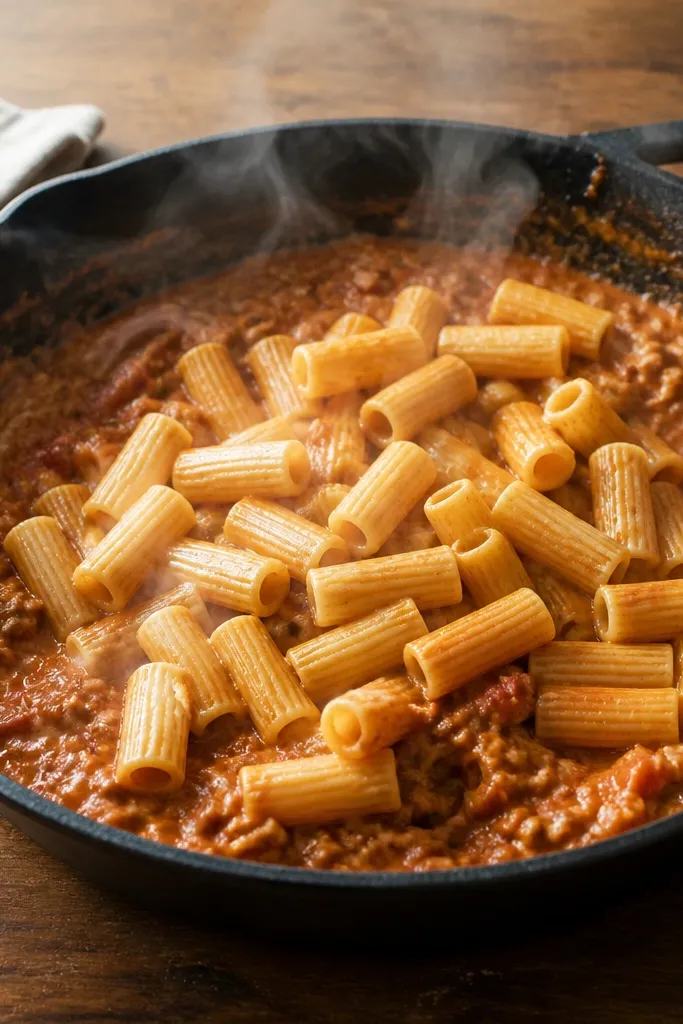
Serving straight from the skillet makes the "rich, saucy" part look real because you can see the sauce clinging to the pan. Browning on the sides adds a deeper caramel tone that tastes like you did more work than you did. The skillet also keeps the sauce warmer longer.
Warm the skillet first, brown meat quickly, then build sauce in the same pan. Toss pasta in the pan at the end so the ridges catch sauce. When serving, scrape a little sauce from the sides onto the top so it looks glossy.
Try thisLet the skillet sit 2 minutes after tossing so steam settles and the sauce looks thick, not runny.
One warningDon't wait too long to serve; sauce thickens fast and can look paste-like.
8. Side-by-side bowl with extra meat crumbles
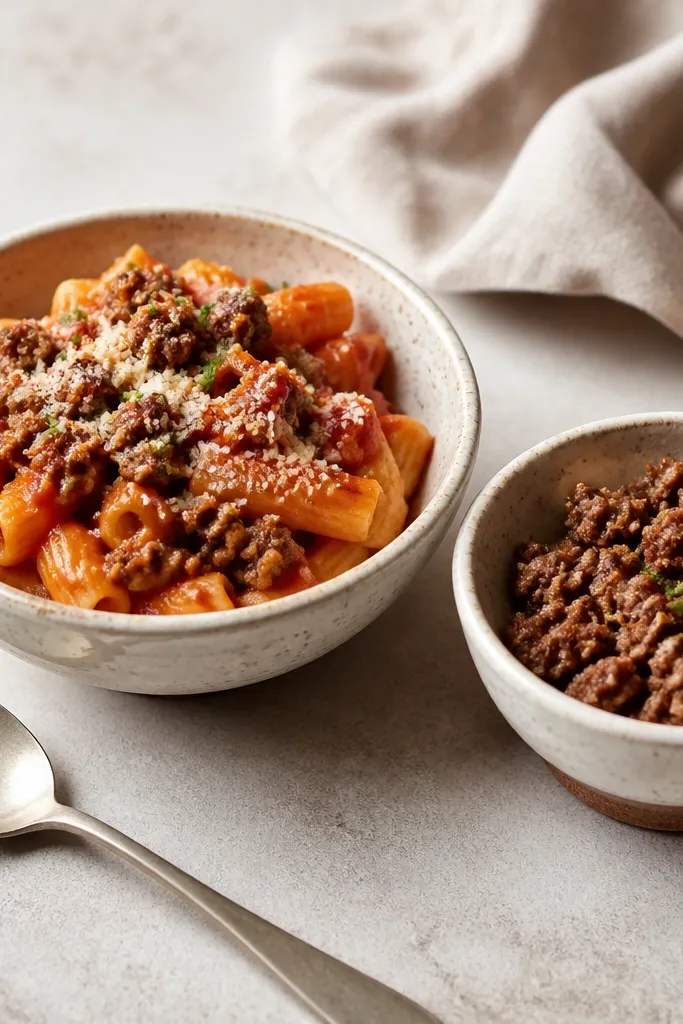
This layout makes the bowl feel customizable and shows the meat texture clearly. Extra crumbles are also how you fix a sauce that's too smooth - you add back chew and depth. It's a crowd-pleaser move because people can choose how meaty they want it.
Cook an extra 1/2 cup of browned meat in the same pan before you add vodka. Keep it aside while you finish the sauce. Right before serving, spoon a little extra over each bowl.
Try thisSeason the extra meat with a pinch of salt and black pepper only - keep it simple so it tastes fresh.
9. White bowl contrast with dark sauce
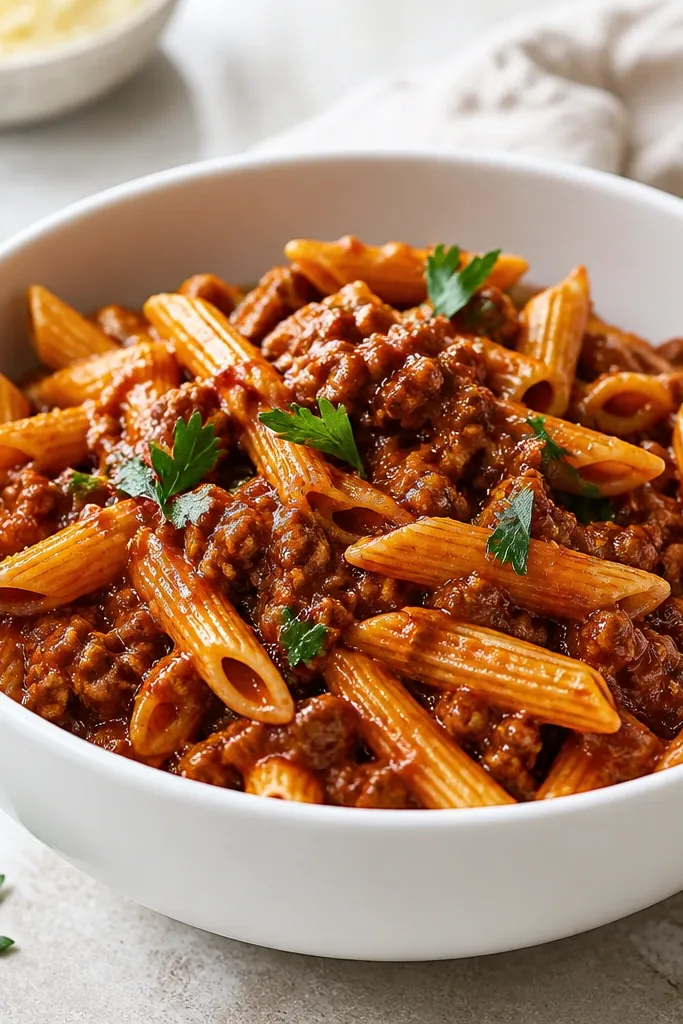
Dark sauce needs contrast to look appetizing. A bright white bowl makes the sheen pop and keeps the color from looking muddy. This is the easiest "aesthetic hack" I've used for weeknight photos and real dinners.
Use a shallow bowl so the sauce sits in a thin layer and shows gloss. Spoon pasta high in the center, then tap the bowl once on the counter to settle it. Garnish with parsley and Parmesan right before it hits the table.
Try thisWipe the rim of the bowl with a damp paper towel so the sauce doesn't smear and look messy.
One warningSkip deep, speckled bowls; they hide the sauce color and make it look less glossy.
10. Sauce thickened to spoon-coat with pasta water strands
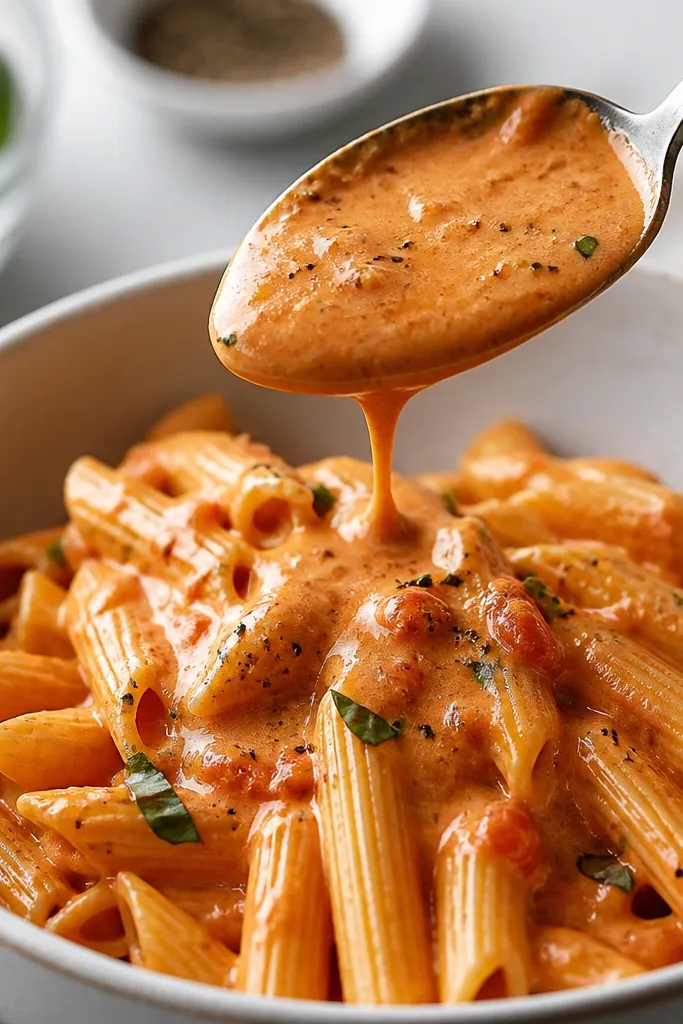
This look tells you the sauce is at the right thickness. When the sauce is too thin, it runs off the pasta and the bowl looks flat. When it's right, it clings in slow strands and you can see the meat and tomato texture through the sheen.
Reserve pasta water before draining. Add 1 ladle to the sauce first, toss, then add more only if the coating looks patchy. Keep the sauce at a gentle simmer for 1-2 minutes after tossing so it tightens.
Try thisIf it looks thin in the pan, it will look thinner in the bowl - fix it before plating.
One warningDon't rely on extra Parmesan to thicken; it can turn the sauce gritty.