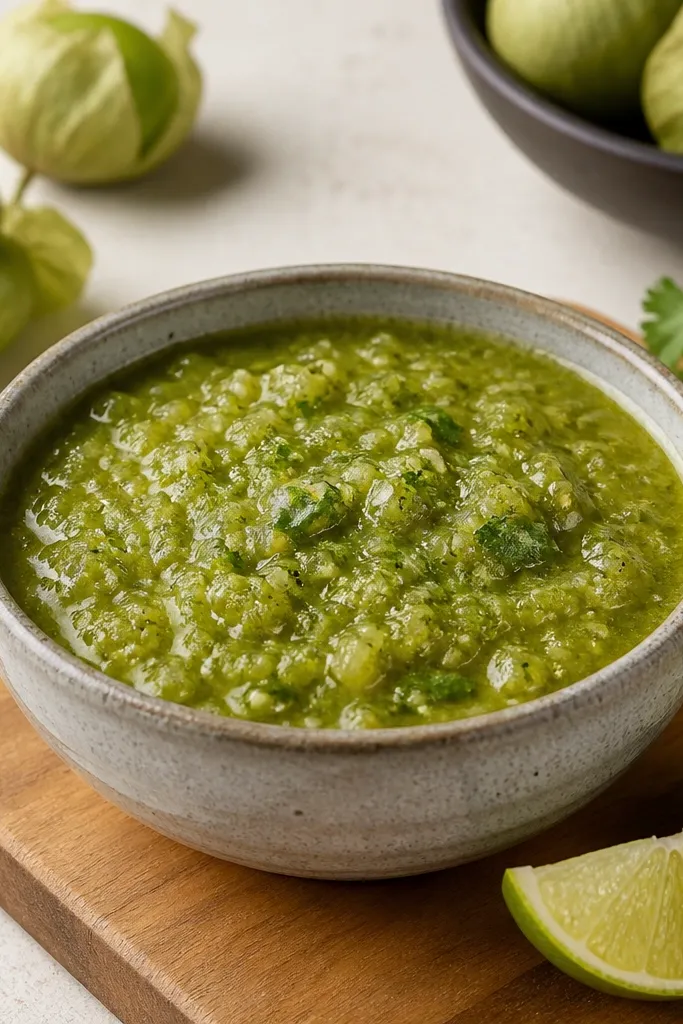
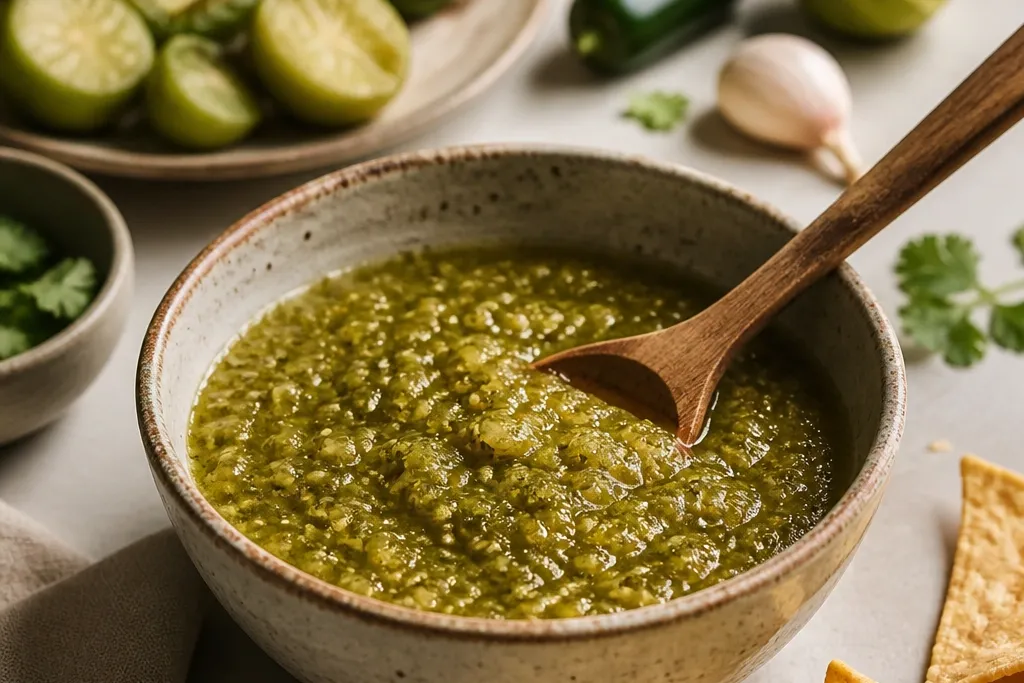
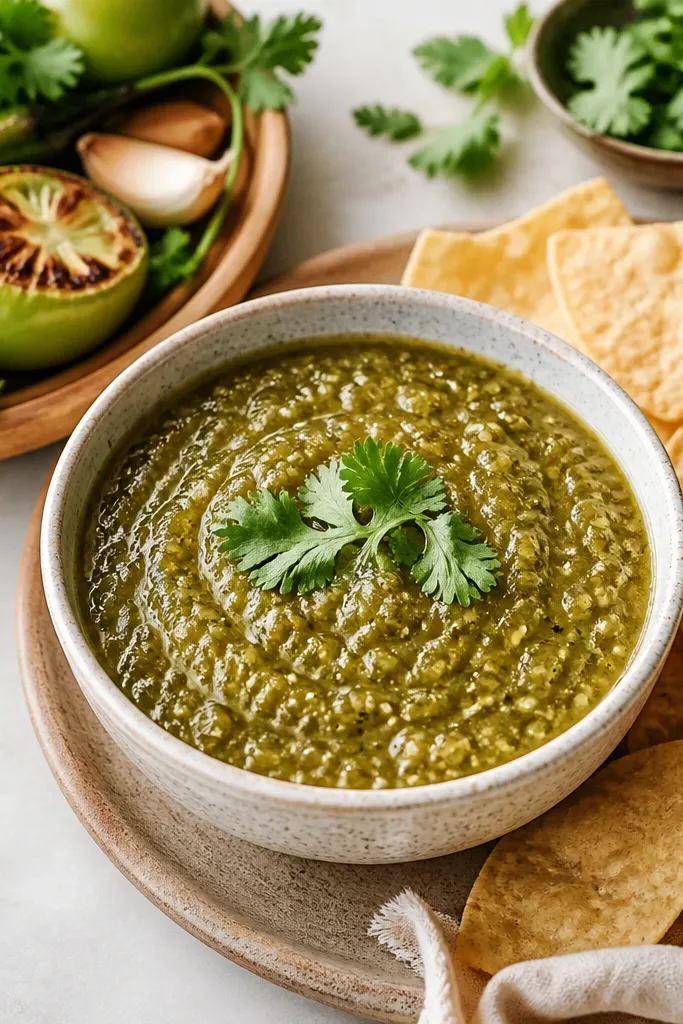
1. Char-Flecked Verde in a Shallow Bowl
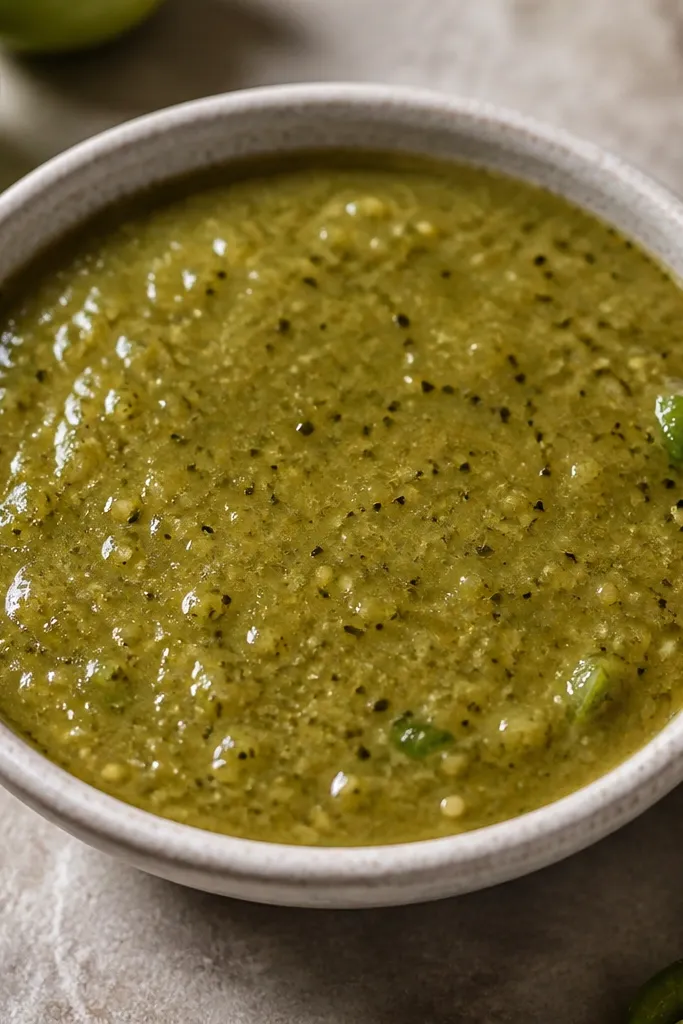
This is the look you're aiming for when roasting actually works. The bright tomatillo green stays alive, while the dark specks tell you you got real blistering instead of bland steaming. A glossy, thick surface signals that you blended with restraint and didn't over-thin it. I love serving it in a wide bowl because it lets people see the char flecks before they scoop.
Use a bowl that's wider than it is tall so the salsa spreads into a shallow layer. Blend to a medium texture - you should see flecks, not smooth puree. If it looks too pale, add more roasted tomatillo flesh; if it looks too dark, blend slightly less pepper skin.
Try thisSpoon a thin swirl over the top before serving so the char flecks catch the light.
One warningAvoid blending until completely smooth - it makes the salsa look flat and watery.
2. Roasted Sheet Pan With Wrinkled Tomatillos
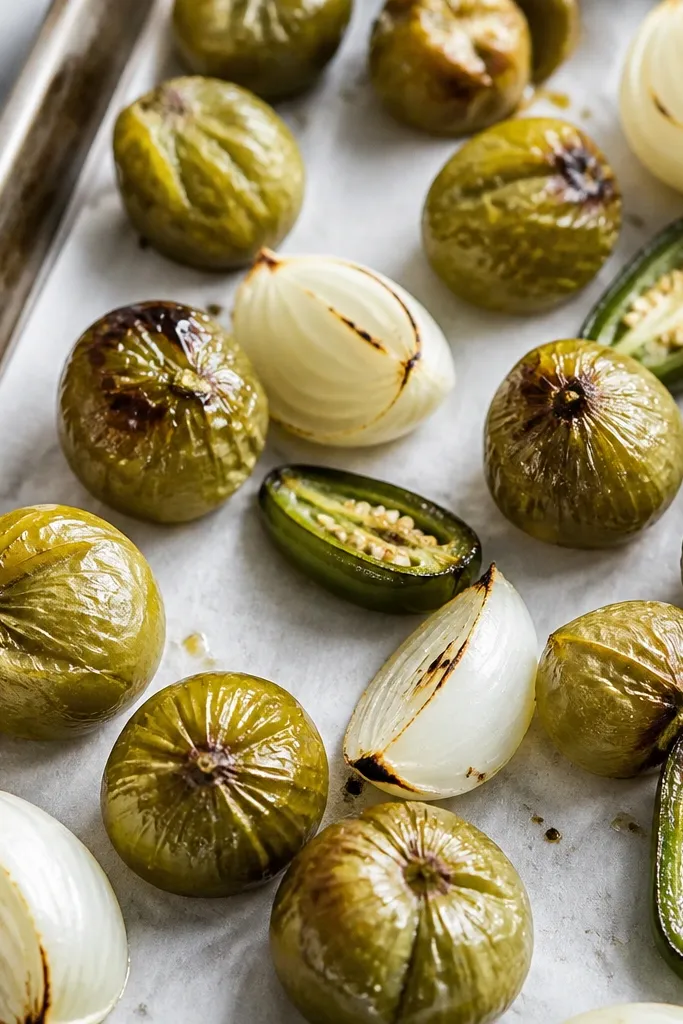
This image shows the doneness you're chasing. Wrinkled skins with dark freckles mean the sugars are concentrating and the tang is getting rounded. The jalapeño should look blistered at the edges, not pale and steamed. When you can see those caramelized spots on the tomatillos, the salsa will taste smoky instead of just green.
Line the pan with parchment for easy cleanup. Spread tomatillos cut-side up with space between them. Roast at 450°F - I check at about 18 minutes, then keep going until you see browning freckles on most pieces.
Try thisRotate the pan halfway through so the back side also gets those browned spots.
One warningAvoid crowding the pan; crowded tomatillos steam and won't develop those dark freckles.
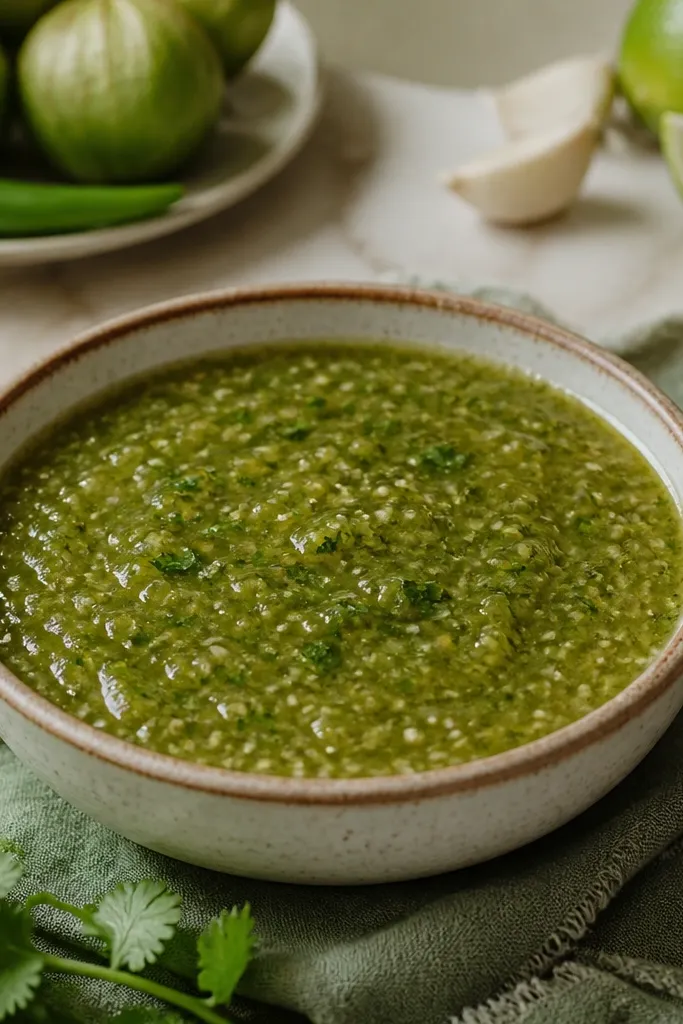
3. Charred Jalapeño and Onion Wedges Next to Garlic
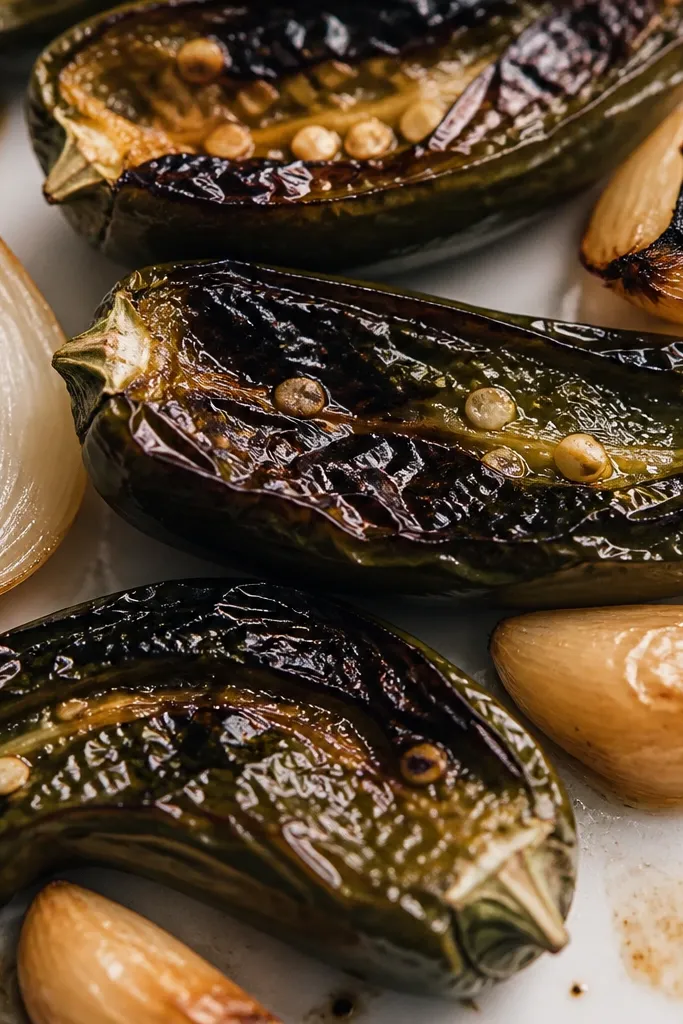
This is where the smoky flavor comes from. The jalapeño skin gives you smoke notes; the onion adds sweetness; the garlic brings depth without tasting harsh. When you roast them together, the flavors merge during blending and rest. The char should be on the surface, not burned through - you want smoky, not acrid.
Cut onion into thick wedges so it doesn't disappear into paste. Keep garlic cloves whole so they roast evenly. If the jalapeño skin is very black, scrape off the darkest bits before blending for a smoother finish.
Try thisSave one roasted onion wedge and blend it last for extra body.
One warningAvoid adding raw garlic - it makes verde taste sharp and "green."
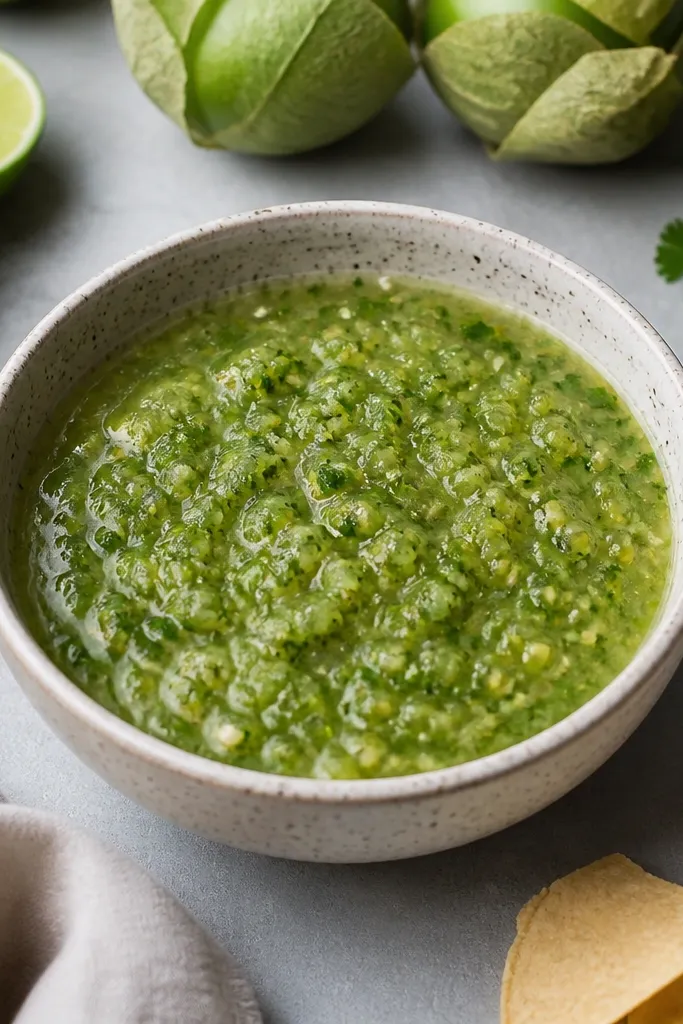
4. Chunky Verde Texture With Visible Cilantro Flecks
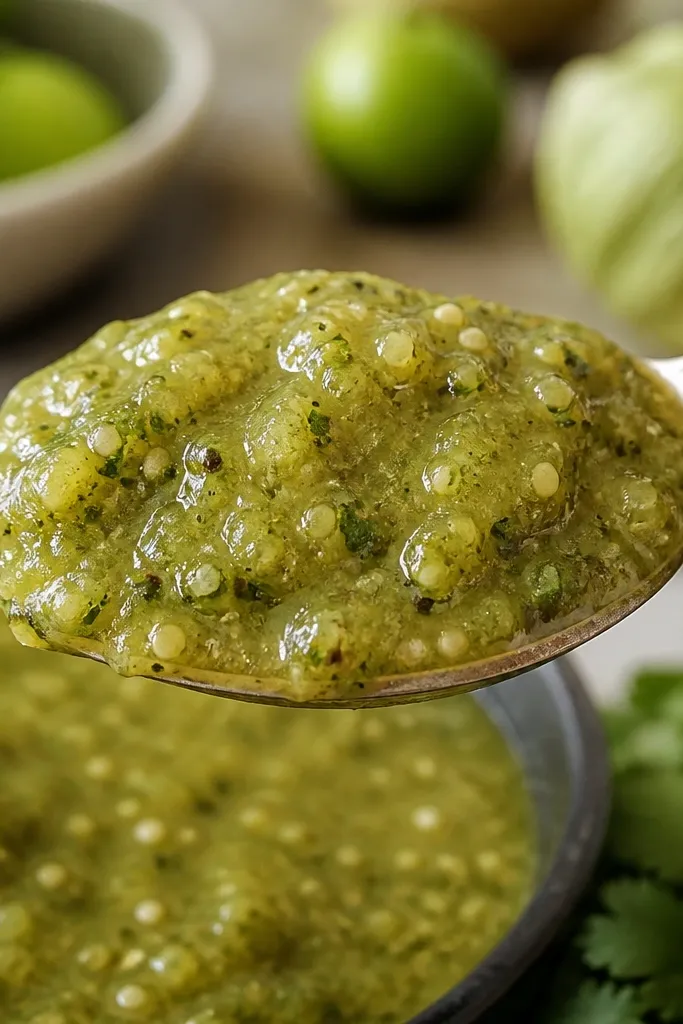
Chunky texture is cozy and scoopable. Visible cilantro flecks mean you blended in fresh herbs at the end, so it tastes bright instead of cooked-down. Tomatillo seeds add a little pop and thickness. This texture also clings to chips and tacos without sliding off.
Blend in short pulses. Add cilantro after the roasted base is smooth-ish. If you want thicker salsa, blend less or reserve 2 tablespoons of roasted tomatillo flesh and stir it in by hand.
Try thisPulse longer only if it's too chunky; stop early if it looks too loose.
One warningAvoid over-blending until it's thin like soup.
5. Cozy Lime-Rim Chips With Verde Dip
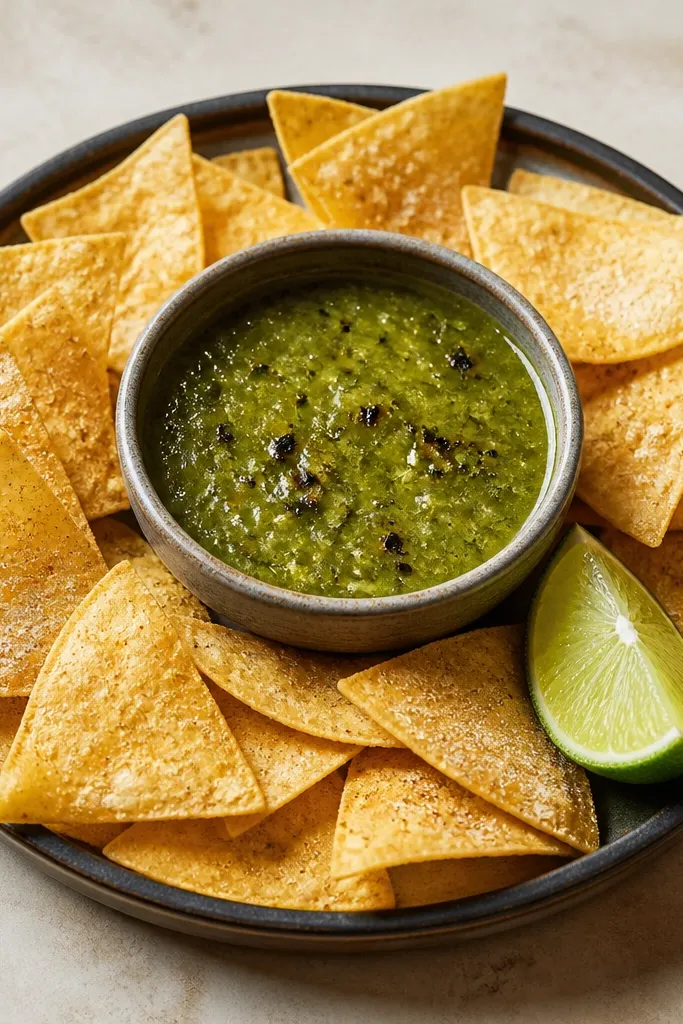
This is the "appetizer & sides" setup I actually use. The lime wedge makes the salsa feel brighter, and the chips give you crunch against that thick roasted texture. A lime dusting (salt + a little lime zest) makes people reach for the dip faster. It also looks inviting because the green pops against warm chip color.
Use sturdy chips, not airy ones. Sprinkle chips with a pinch of salt and a whisper of lime zest right before serving. Keep salsa at room temperature for best flavor and easiest scooping.
Try thisWarm chips for 5 minutes at 350°F so the salsa clings instead of running off.
One warningAvoid serving chips straight from a cold bag; the dip slides when chips are stale.
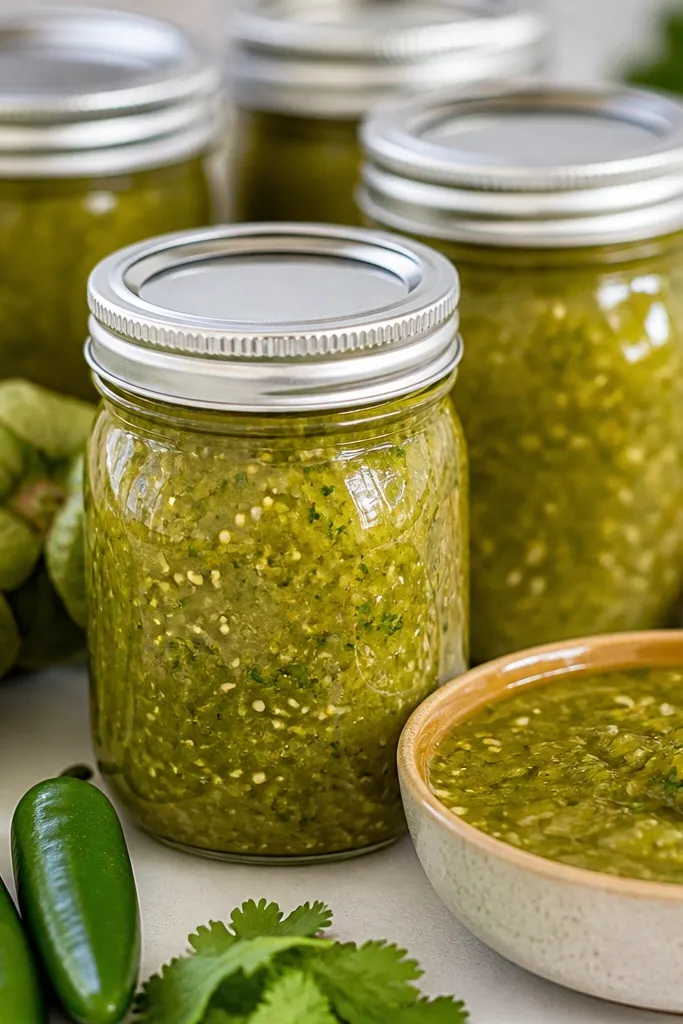
6. Overnight Glossed Verde in Mason Jars
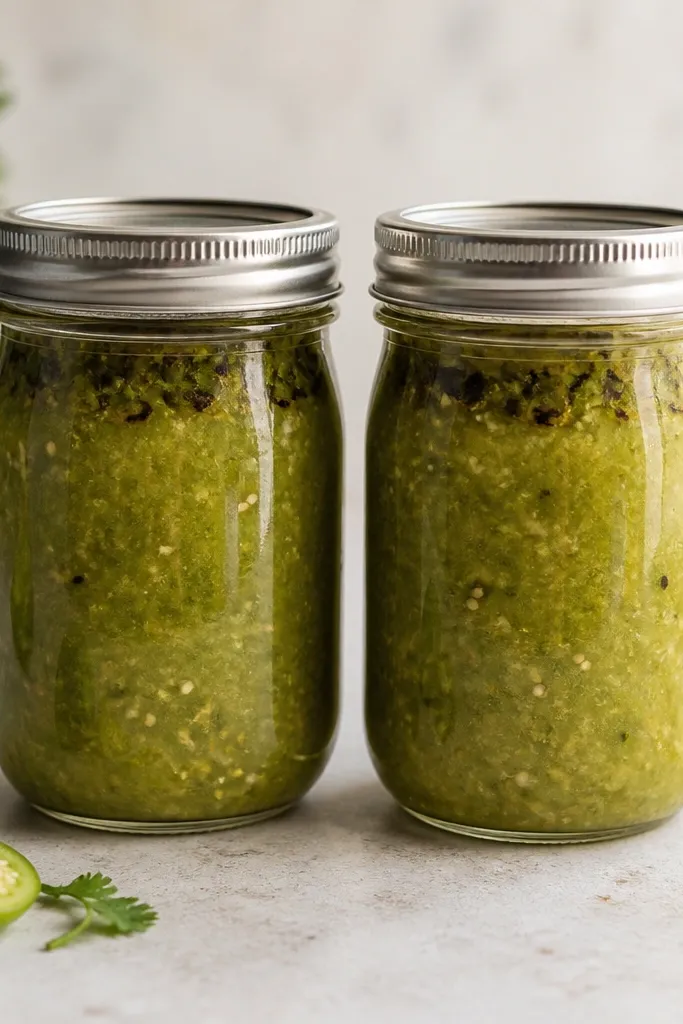
Resting changes the look and the taste. Overnight, the salsa thickens a bit and the flavors blend into something smoother and less tangy. The char flecks settle slightly, which looks natural and appetizing. Jars make it easy to portion for snacks or taco night.
Cool salsa completely before jarring so condensation doesn't thin it. Fill jars leaving about 1/2 inch headspace. Store in the fridge and stir once before serving if the top looks darker.
Try thisLabel the jar with the date and whether you used serrano or jalapeño.
One warningAvoid sealing hot salsa; condensation ruins texture.
7. Green Chile-Tinted Verde for Tacos
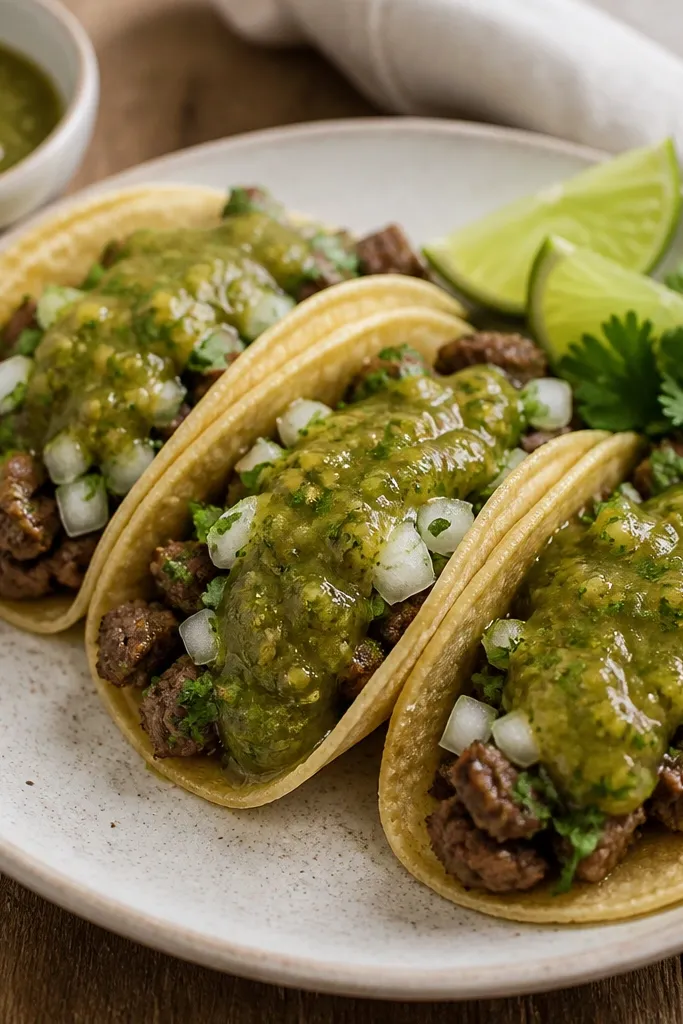
If you want the salsa to feel cozy on tacos, you need thickness and cling. Roasting gives you that body, and cilantro added at the end keeps it green and fresh. The salsa should coat the tortilla without flooding it. This look tells you the blend ratio is right.
Spoon salsa onto warm tortillas right before eating. Add a pinch of chopped cilantro on top only at the last second. If you're adding meat, put salsa on after the protein so it doesn't get watered down by juices.
Try thisThin with a tablespoon of warm water only if you're plating for tacos - not for chips.
One warningAvoid putting salsa on cold tortillas; it tastes flatter and soaks in oddly.
8. Smoky Verde Drizzle Over Roasted Chicken
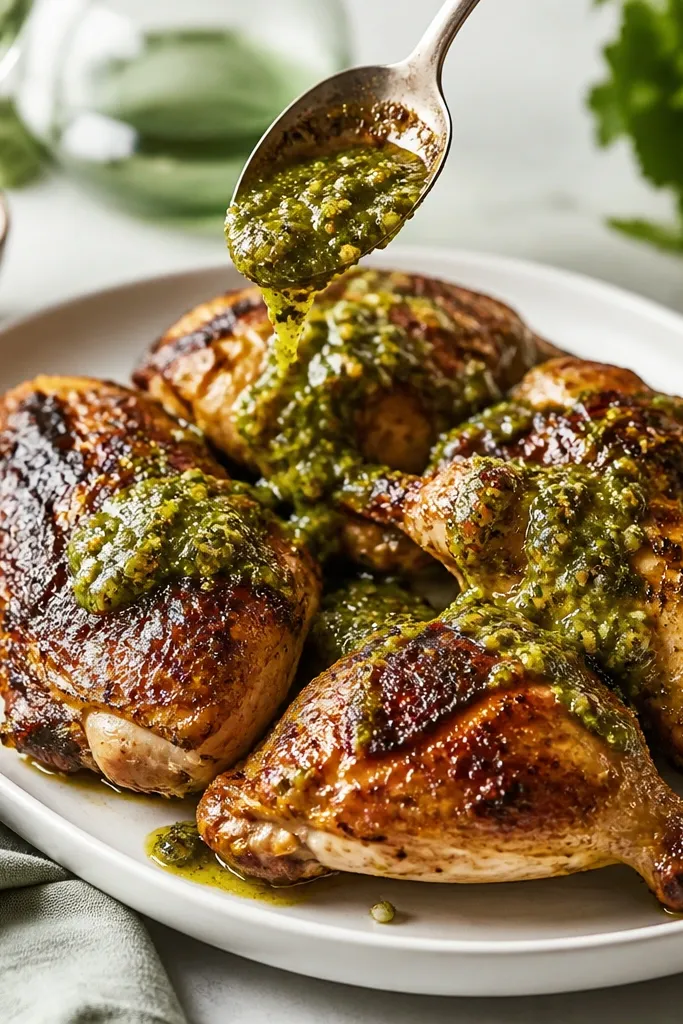
This is how I use leftover verde when the chips are gone. The smoky acidity cuts through chicken fat, and the roasted flavors taste like something you cooked for hours. A thick drizzle looks intentional, not messy. You get the same char flecks but in a warm, savory context.
Warm salsa for 20-30 seconds in the microwave so it drizzles. Drizzle, then add a squeeze of lime on top so it tastes fresh. Pair with simple sides like rice or roasted potatoes so the salsa stays the star.
Try thisStir in 1 teaspoon olive oil if your verde feels too matte after refrigeration.
One warningAvoid microwaving too long; overheated verde tastes dull.