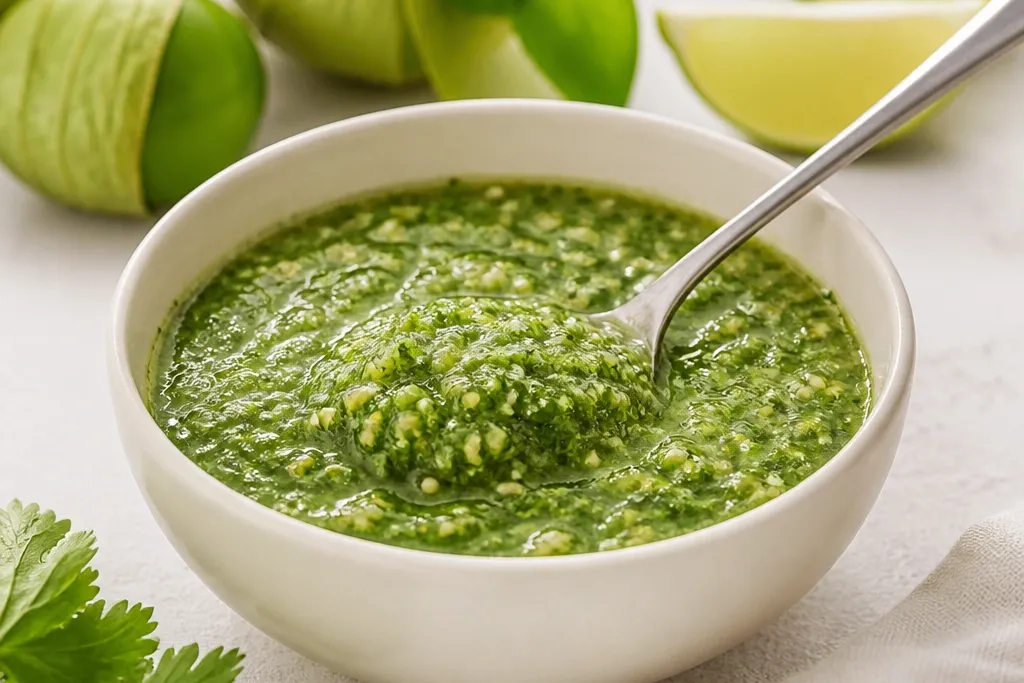
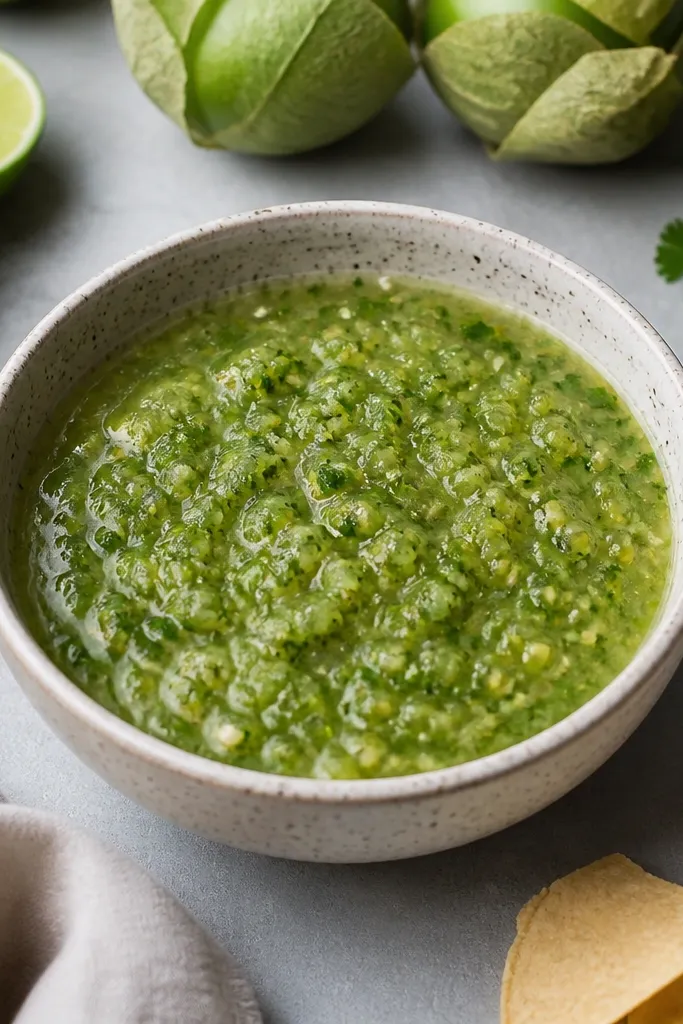
1. Blistered Tomatillo Green With Specks
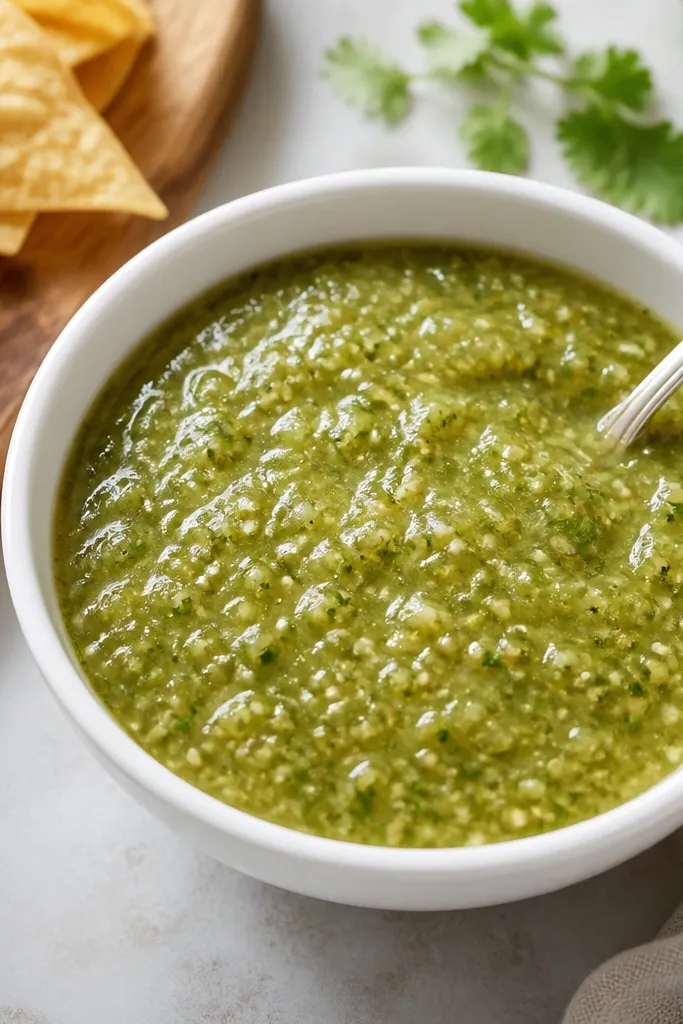
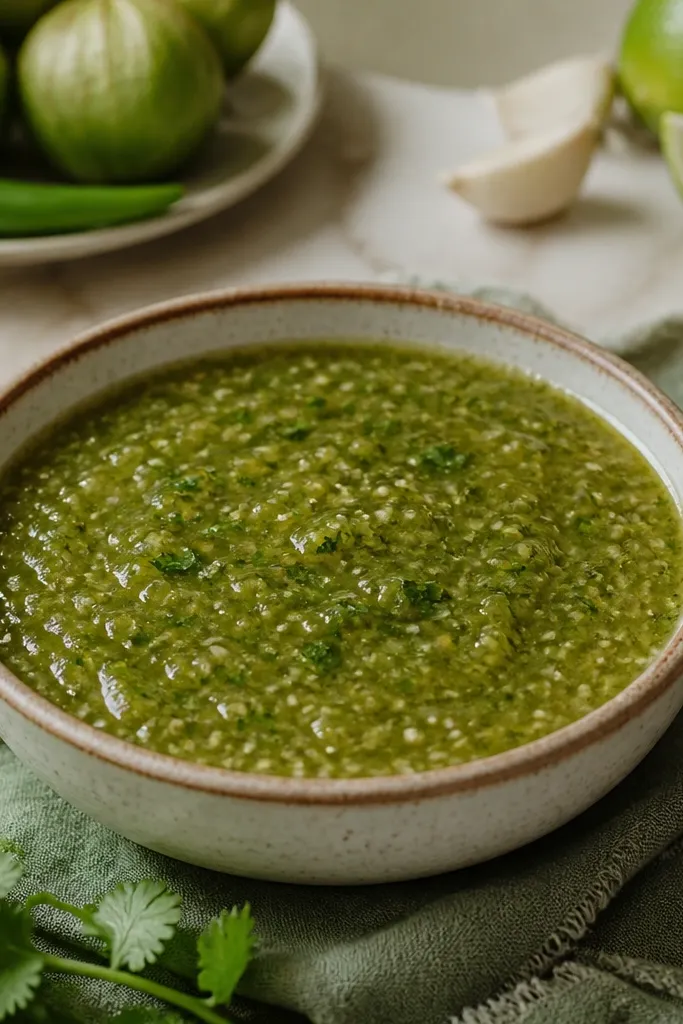
This look comes from pulsing the salsa instead of running it until smooth. You get a deep tomatillo green with brighter cilantro specks that catch the light. The gloss matters too - it means the salsa has enough liquid to emulsify but not enough to thin out.
Use a blender cup and pulse 6-8 times, stopping while it still has texture. If it is too thick, add 1 tablespoon of water, pulse twice, then stop. Garnish with a small handful of finely chopped cilantro on top so the green stays vivid.
Try thisServe it in a white bowl - the green looks cleaner and more appetizing against plain ceramic.
One warningDo not blend it for 60 seconds straight; it usually turns gray-green and watery after chilling.
2. Two-Tone Salsa Verde Bowl
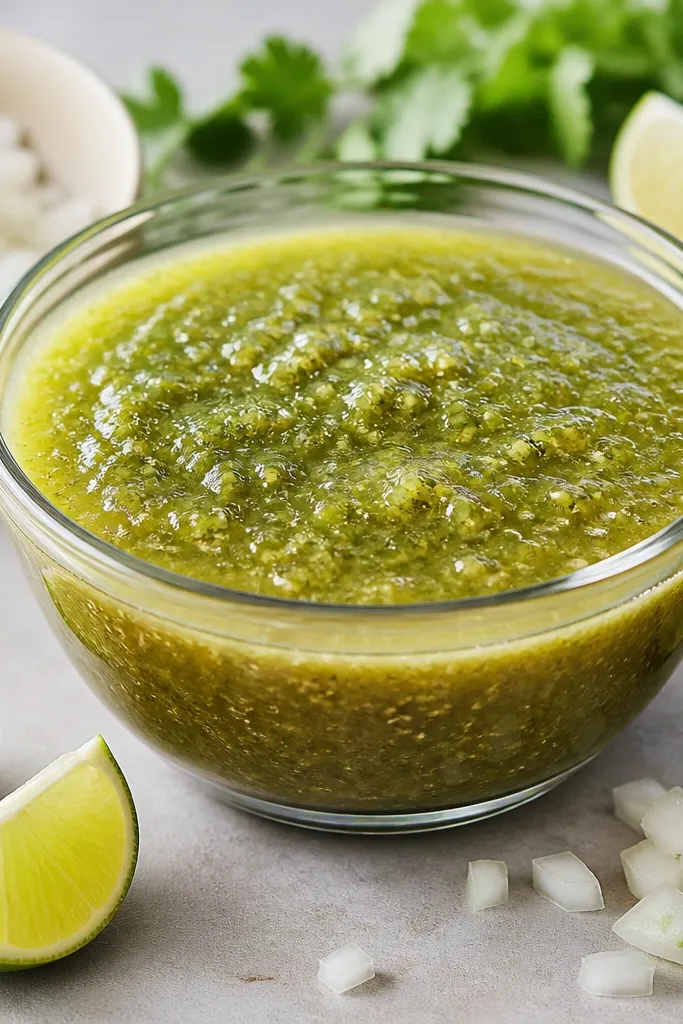
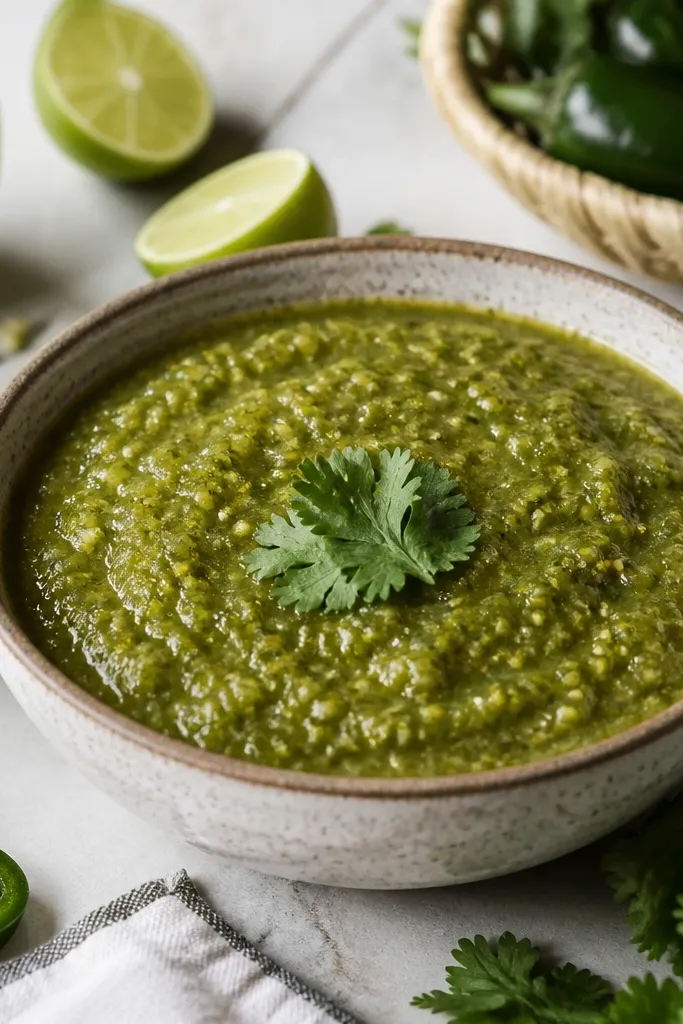
Two-tone salsa looks intentional and tastes fresher because it separates blended heat from fresh onion brightness. The darker base comes from tomatillos and jalapeño blended together. The lighter top layer comes from chopped onion and cilantro added after.
Blend tomatillos, jalapeño, garlic, and a splash of liquid until textured. Stir in onion and cilantro after - do not blend them. Spoon the salsa into the bowl, then add a thin layer of extra chopped onion and cilantro on top.
Try thisAdd onion last right before serving so it stays crisp instead of going soft.
One warningDo not blend onion into the base; it turns the salsa cloudy and the onion sweetness fades.
3. Chips-Ready Chunky Spoonful
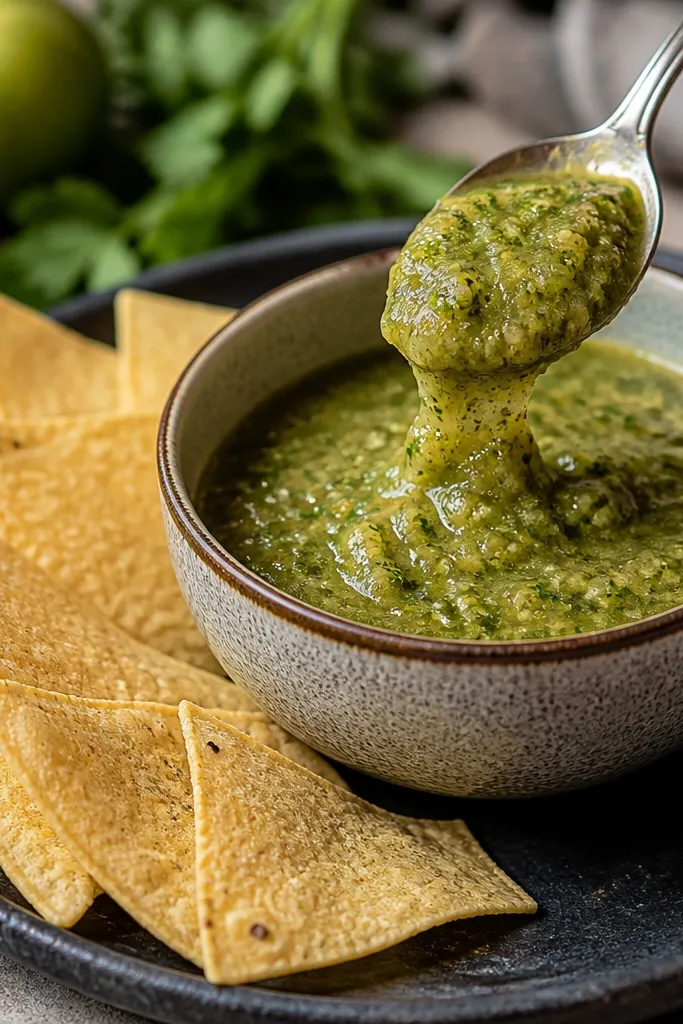
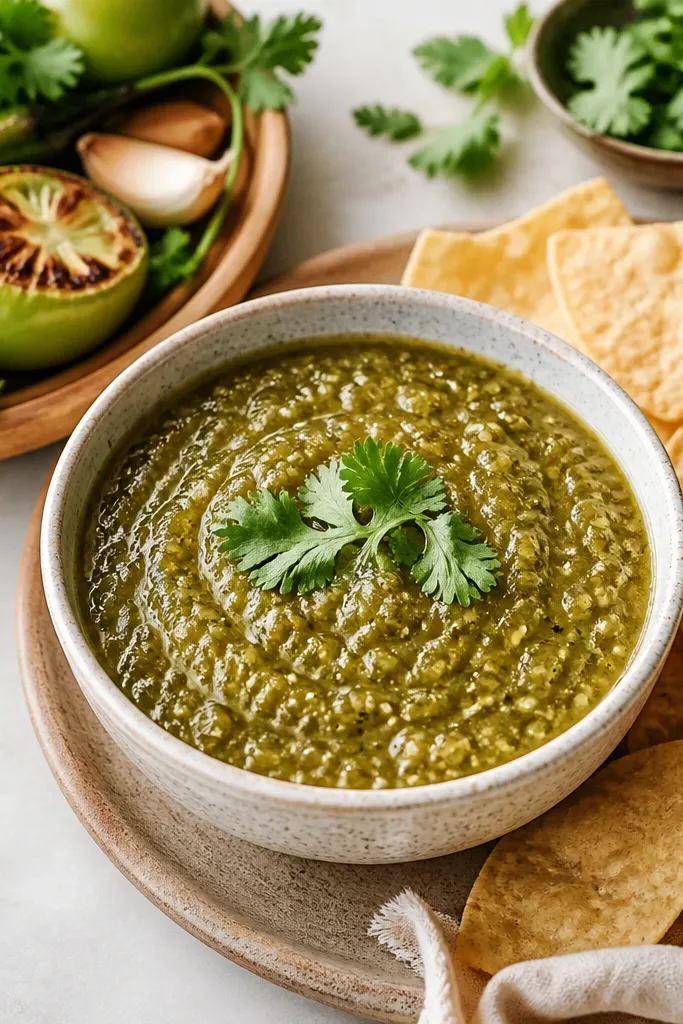
Chunky spoonfuls make chips feel less messy. The sauce holds onto the chip because it is emulsified but not over-thinned. You also get a better bite - tang from tomatillo, heat from jalapeño, and cool cilantro.
Pulse the mixture until you see small tomatillo pieces, then stop. If you want thicker, skip added water and rely on the tomatillo liquid. Keep a few jalapeño seeds out if you want a cleaner medium heat.
Try thisFor extra grip on chips, mix in 1 tablespoon of finely chopped cilantro stems along with leaves.
One warningDo not add too much lime early; it loosens the texture and can make the salsa runny.
4. Spoonable Drizzle for Bowls
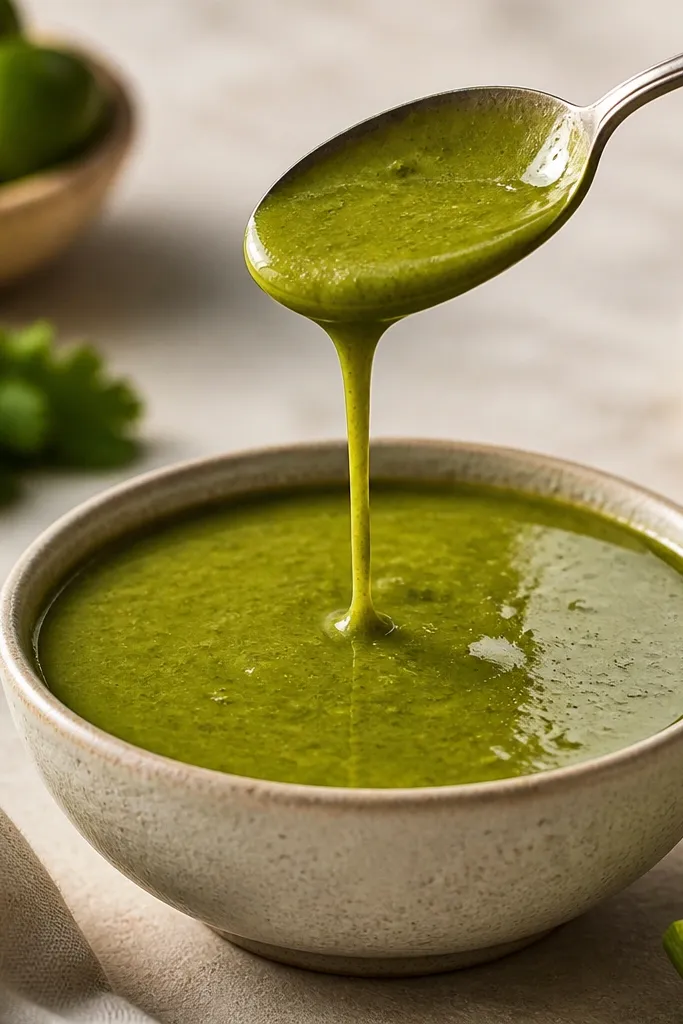
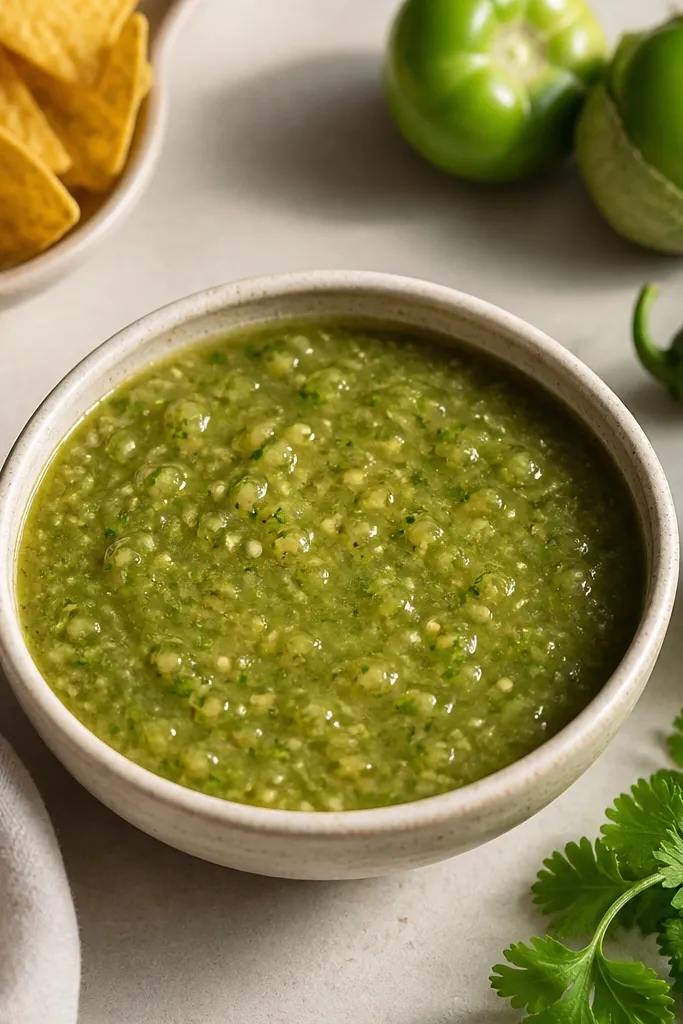
Spoonable salsa looks good on burrito bowls because it spreads without flooding. The key is adding water slowly and blending just a little longer than chunky. This gives you a silky texture while keeping the green bright.
Blend tomatillos and jalapeño to a textured puree. Add water one tablespoon at a time, pulsing after each addition until it drizzles. Finish with lime juice off the heat and stir in chopped onion.
Try thisIf it turns too thin, fix it with 1-2 tablespoons of extra blended tomatillo - not more lime.
One warningDo not use ice-cold water; it can dull flavor and make the salsa feel flat.
5. Bright Cilantro Confetti Top
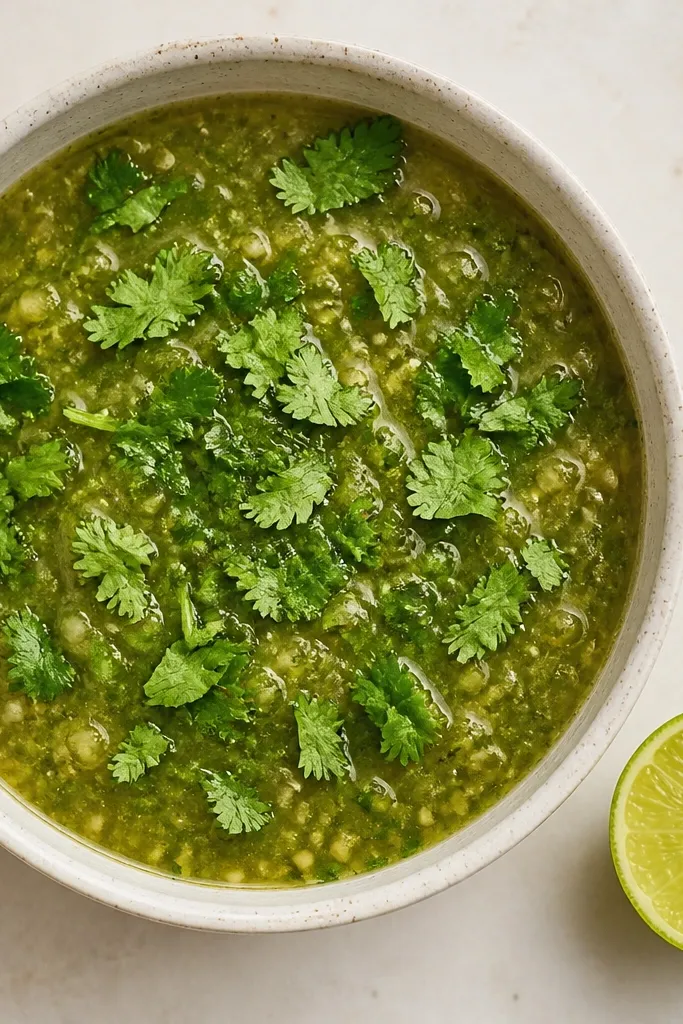
Cilantro confetti makes the salsa look fresh even if you made it ahead. The contrast - blended green base plus bright leaf bits - signals flavor. It also helps the spoon pick up herbs with every bite.
Chop cilantro very small so it distributes evenly. Stir most into the salsa base, then reserve a pinch for the top. Add lime juice right before garnishing so cilantro stays vibrant.
Try thisRinse cilantro, then dry it in a towel; wet cilantro makes the salsa look dull and watery.
One warningDo not use cilantro stems that are too thick; they create stringy bites that feel cheap.
6. Smoky-Skinned Tomatillo Flavor
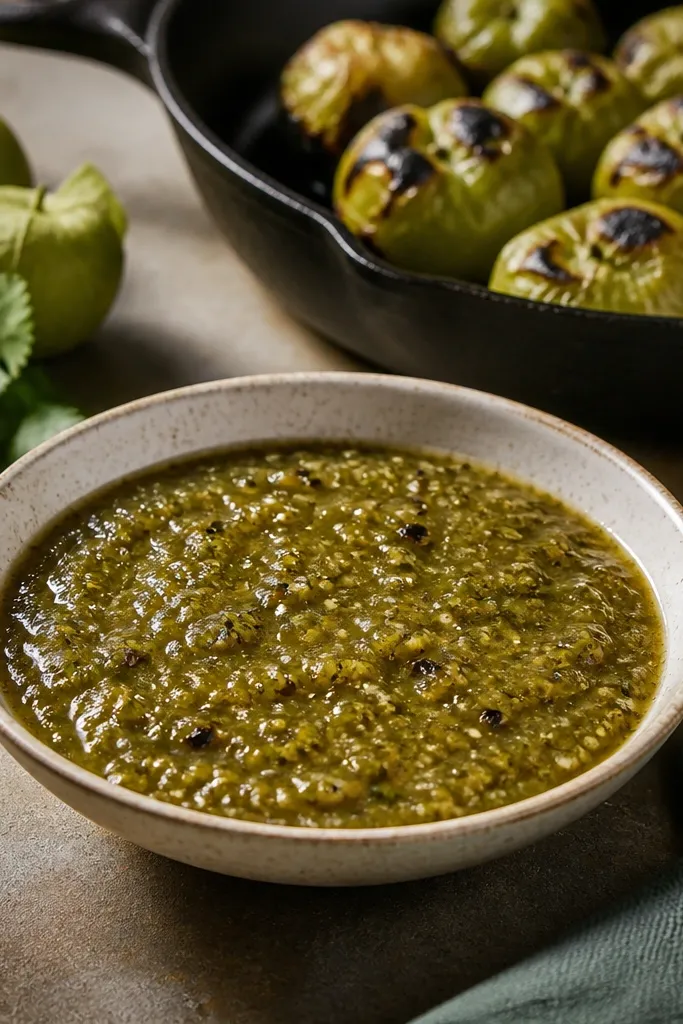
Quick-pan tomatillos give you that roasted vibe without the oven. The browned flecks look good and taste deeper than raw tomatillos. It also makes the salsa smell like warm salsa stand food instead of raw green juice.
Pan the tomatillos in a dry skillet over medium-high heat for 4-6 minutes. Turn them so each side blisters. Then blend with garlic, jalapeño, and a splash of water, and finish with lime and cilantro.
Try thisDo not crowd the skillet; use two batches so the tomatillos blister instead of steaming.
One warningDo not boil fresh tomatillos - it flattens their flavor and the salsa ends up tasting thin.
7. Jalapeño Heat With Seed Control
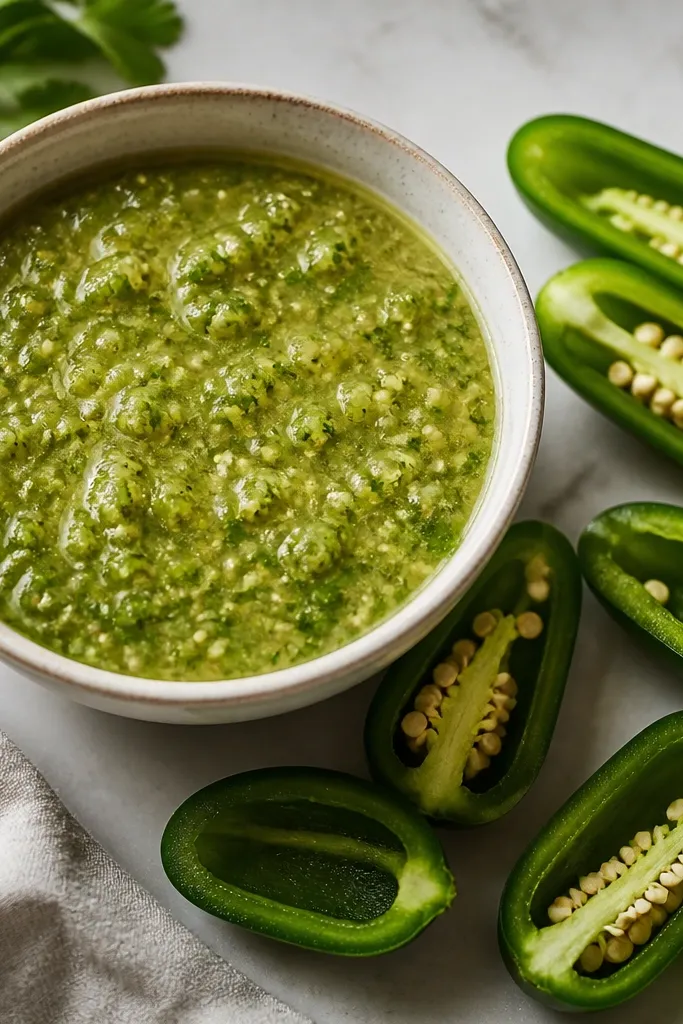
Heat looks and tastes cleaner when you control seeds. Leaving some seeds gives a lively kick; removing most makes the salsa taste more tomatillo-forward. You also avoid the harsh, bitter edge that can show up when seeds dominate.
Slice jalapeño and remove the white ribs and most seeds if you want medium heat. If you want hotter, keep a few seeds but still remove the thick ribs. Blend jalapeño with tomatillos, then taste before adding extra jalapeño.
Try thisTaste after blending, then adjust heat with a second small jalapeño half instead of adding more seeds.
One warningDo not add extra heat after lime; lime makes it harder to judge true spice level.
8. Onion Crunch Layer
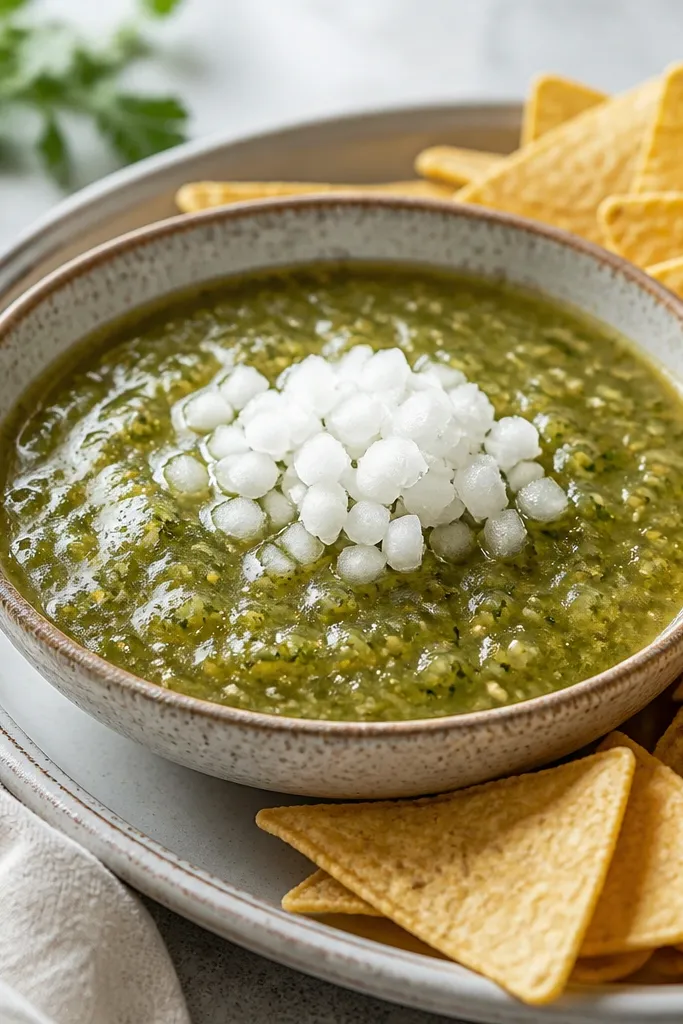
Crisp onion adds a clean crunch that balances the tang. It also makes the salsa look more textured and less like a uniform green paste. When you add onion after blending, you keep its sharpness.
Dice onion small - about 2-3 mm pieces - so it distributes. Stir it in at the end and give it a quick rest of 5 minutes. If onion feels too sharp, rinse the diced onion once and pat dry.
Try thisUse white onion for a cleaner bite; red onion tastes sweeter and can turn the salsa slightly purple at the edges.
One warningDo not let onion sit blended into salsa for hours; it softens and the salsa loses brightness.
9. Garlic-Forward Glossy Base
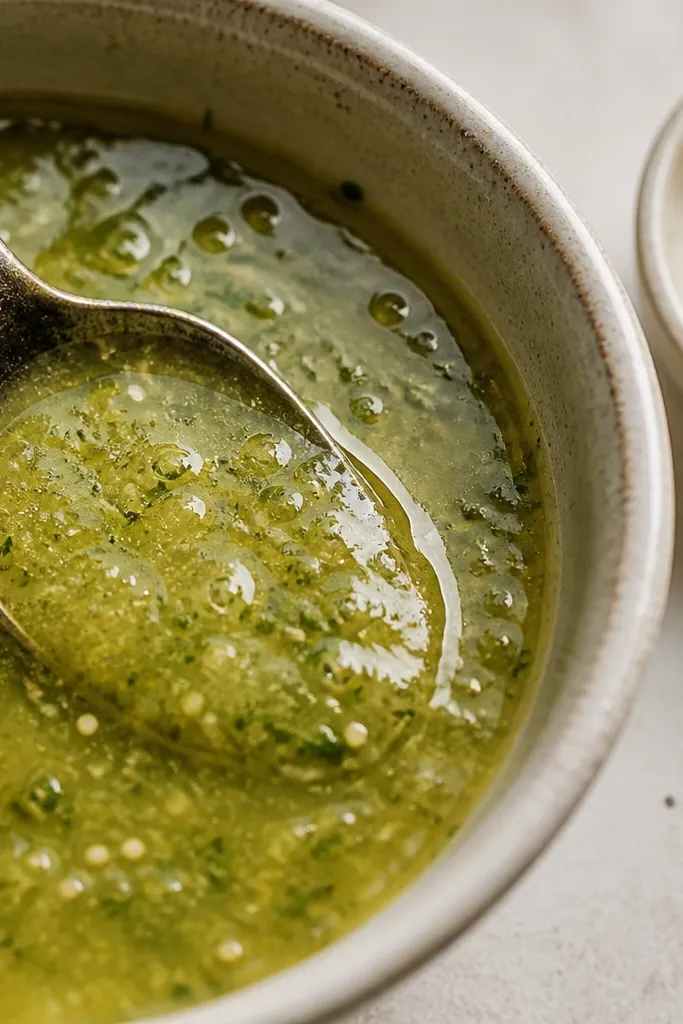
Garlic changes the aroma fast. When you blend garlic into the tomatillo base, the salsa smells like warm salsa stand salsa instead of green herbs only. The gloss comes from enough blending to emulsify with the tomatillo liquid.
Use 1-2 cloves garlic. If your garlic is raw and strong, blend it in with tomatillos and wait 10 minutes before serving; the bite softens. Finish with lime and cilantro after so they stay bright.
Try thisIf the salsa smells too raw, add a pinch of cumin and stir once - just a touch, not a full teaspoon.
One warningDo not add garlic powder; it tastes dusty and never blends the same way.
10. Lime-Snap Finish
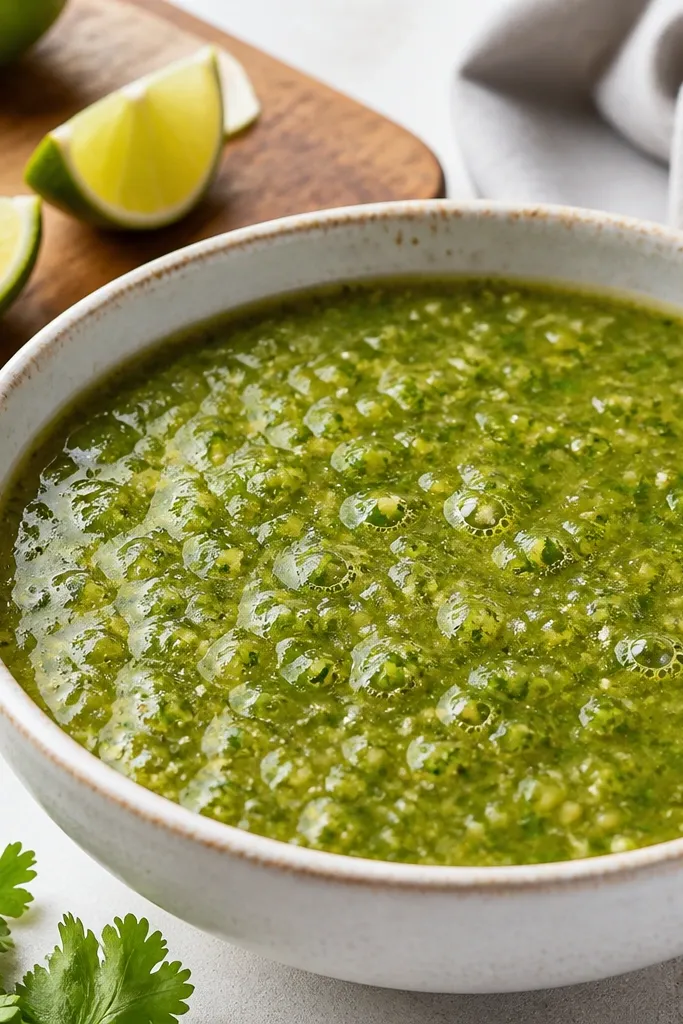
Lime-snap makes the flavor pop at the moment you eat it. When you add lime at the end, it keeps its sharp citrus smell instead of fading into the background. The salsa looks brighter too - a fresher green tone.
Squeeze lime after blending and after you add onion. Start with 1 tablespoon lime juice for every 1 cup salsa, then adjust. Stir and taste with a chip - you want tang to hit first, then heat.
Try thisIf lime is too strong, add 1 tablespoon extra blended tomatillo to round it out.
One warningDo not use bottled lime juice; it tastes flat and makes the salsa look dull.