1. Foil-Roasted Green Speckle Board
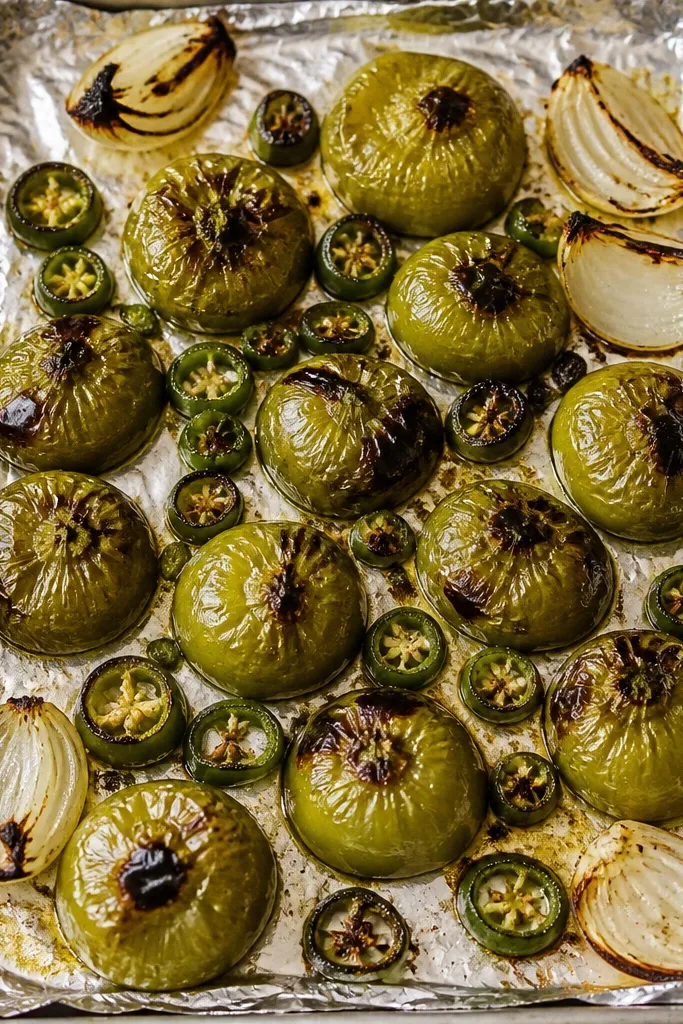
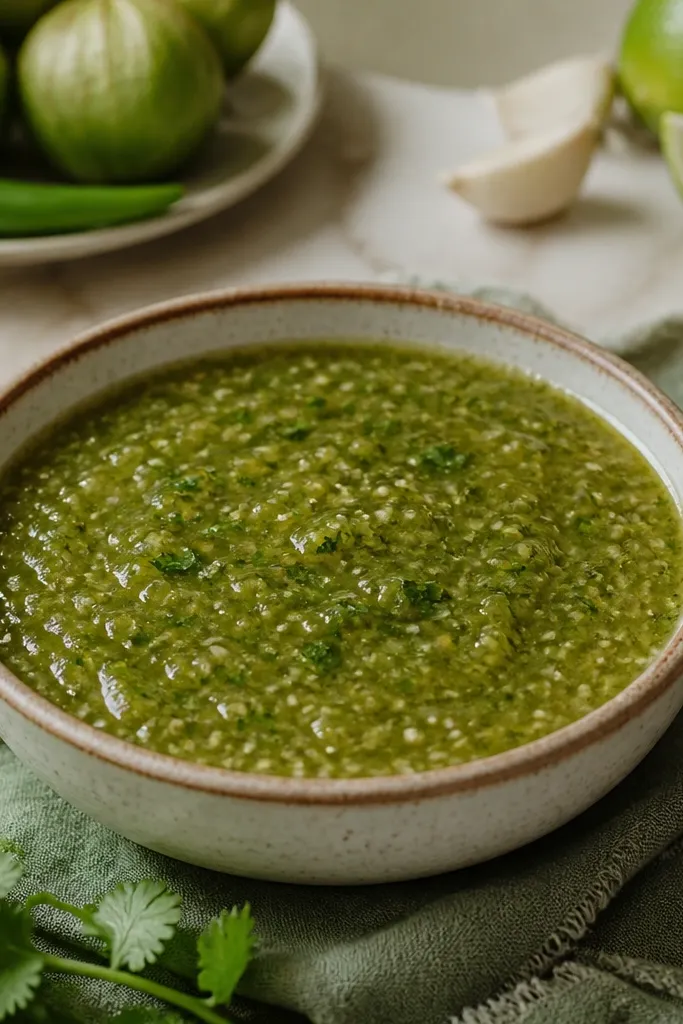
This look is what you get when you roast tomatillos hot enough to blister - you want glossy green skins with dark, toasted spots. The char on jalapeño and onion gives the salsa a deeper green-brown contrast, so it looks appetizing even before you taste it. The foil keeps cleanup easy, which matters when you're working with a tiny setup.
Line a small sheet pan with foil, spread tomatillos cut-side up in a single layer, and add one halved onion and 1-2 jalapeños. Broil on high until you see blistering and browned edges, usually 6-10 minutes depending on your oven. Let everything sit for 5 minutes so you don't steam your salsa thinner.
Try thisRoast on the top rack so you get real browning, not just softening.
One warningAvoid pulling the tomatillos when they're still pale - pale roasting makes the salsa look flat and taste grassy.
2. Ramekin-Stacked Chip Dip Moment
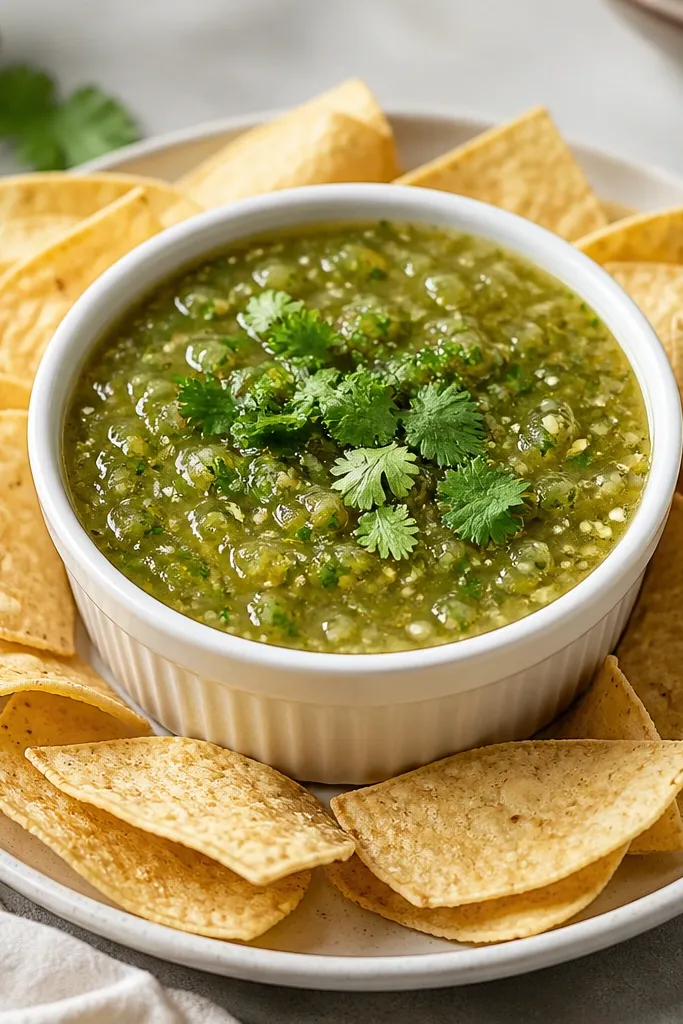
Chunky salsa looks better in a ramekin because you can see the texture - green bits, flecks of cilantro, and glossy tomatillo pieces. The cilantro on top makes it look fresh and adds tiny bright green pops. A white ramekin makes the salsa's olive tones stand out.
Pulse roasted tomatillos and onion in short bursts, or mash with a fork for a more rustic look. Stir in chopped cilantro last and spoon into a ramekin. Add a pinch of salt on top and a light squeeze of lime so the color looks alive.
Try thisFor a prettier top, reserve a spoonful of chunky salsa before mixing in cilantro, then spoon it back on top.
One warningDon't over-blend - smooth, watery salsa looks gray-green and slides off chips.
3. Cilantro-Lime Finish with Wet Gloss
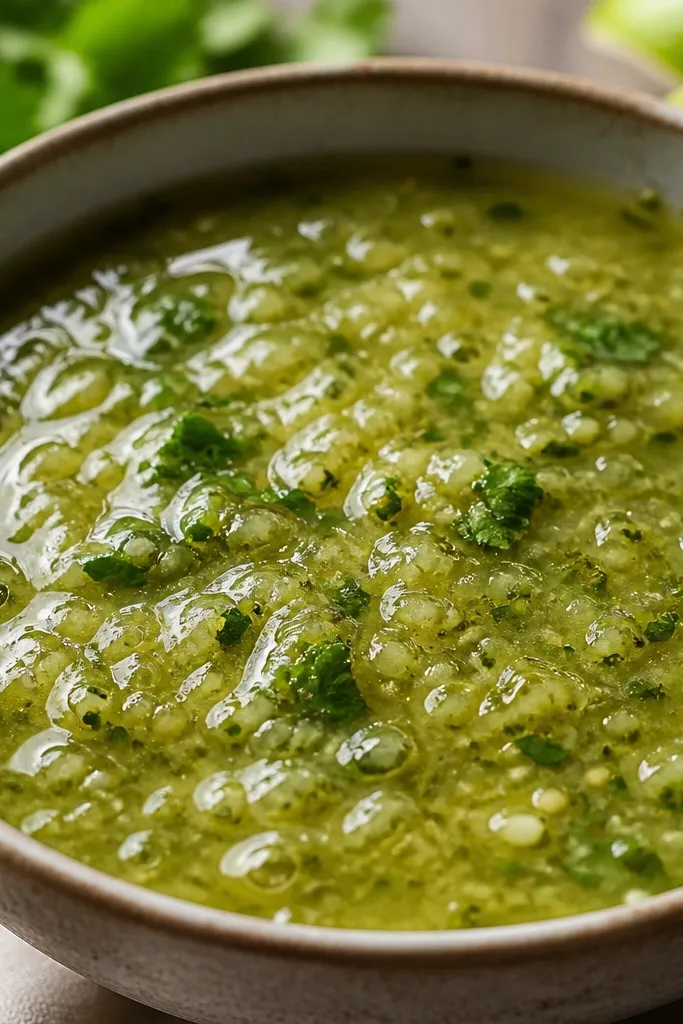
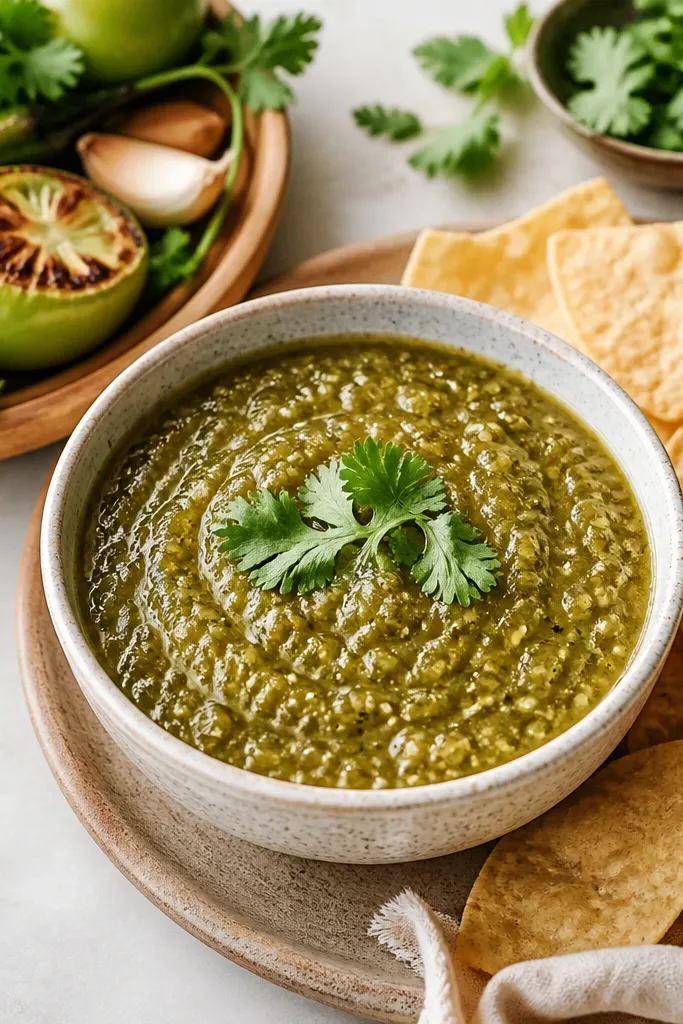
That wet gloss happens when the salsa is thick and you add lime juice at the end. The lime brightens the green and makes the surface sheen more noticeable. Cilantro mixed in at the end keeps the herb color vivid instead of turning dull.
After roasting and cooling, blend or mash, then stir in lime juice gradually. Chop cilantro fine - not paper-thin - so you see distinct green threads. Add salt last in tiny pinches, then taste at room temp.
Try thisIf it looks too thick, loosen with 1 tablespoon of water or the salsa juices from the cutting board, not extra lime.
One warningSkip adding lime during roasting - heat dulls it and the salsa tastes flat.
4. Skillet-Cooked Jalapeño Char Ribbons
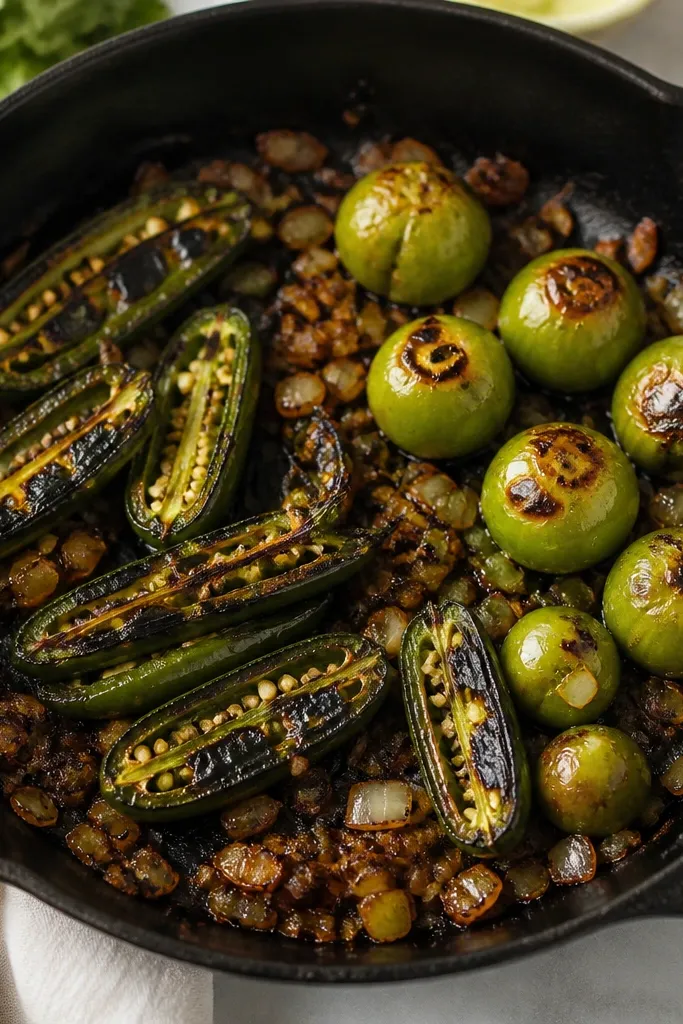
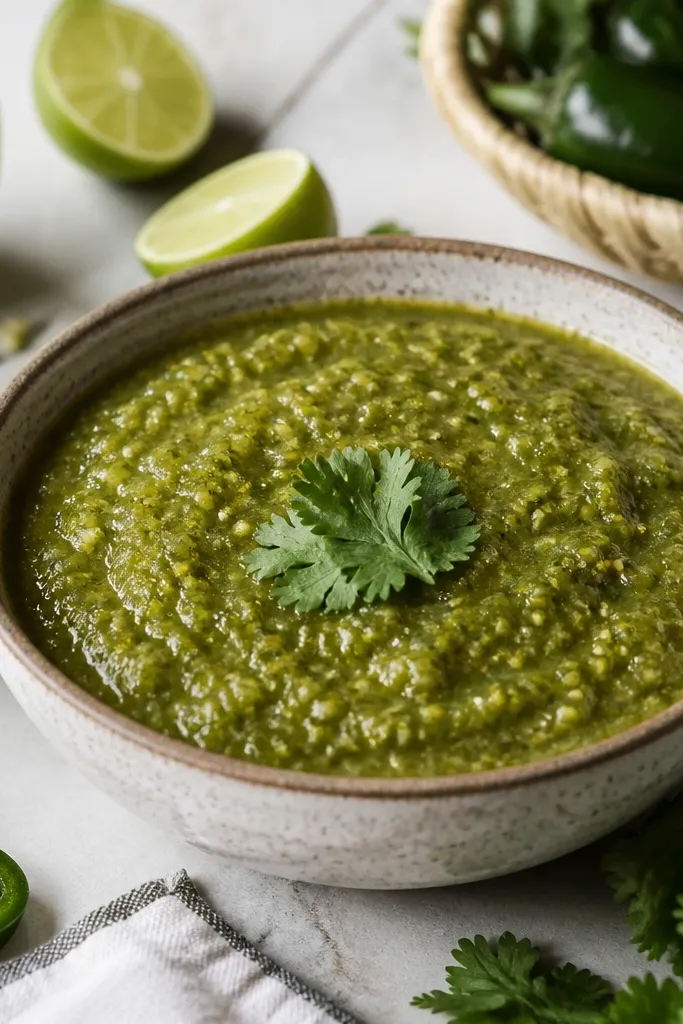
Skillet roasting gives you uneven, human-looking char - those black ribbons make the salsa feel smoky even if you're not using extra spices. The browned onion bits melt into the salsa and thicken it naturally. This look is perfect when you want one-burner cooking in a small space.
Heat a small cast-iron or stainless pan over medium-high. Place tomatillos cut-side down and jalapeños cut-side down, and let them sit until you see dark spots, 3-5 minutes per side. Turn carefully, then roast until soft all the way through.
Try thisPress jalapeños gently with a spatula for better contact and faster char.
One warningDon't crowd the pan - crowding steams the vegetables and kills the char.
5. Chunky Fork-Mash Texture Bowl
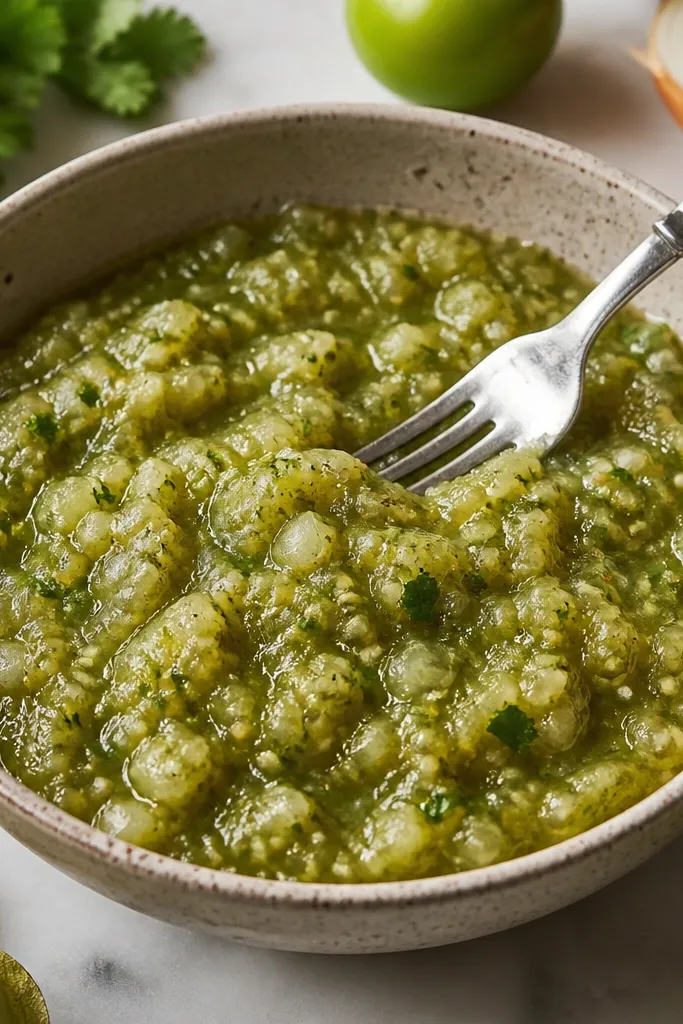
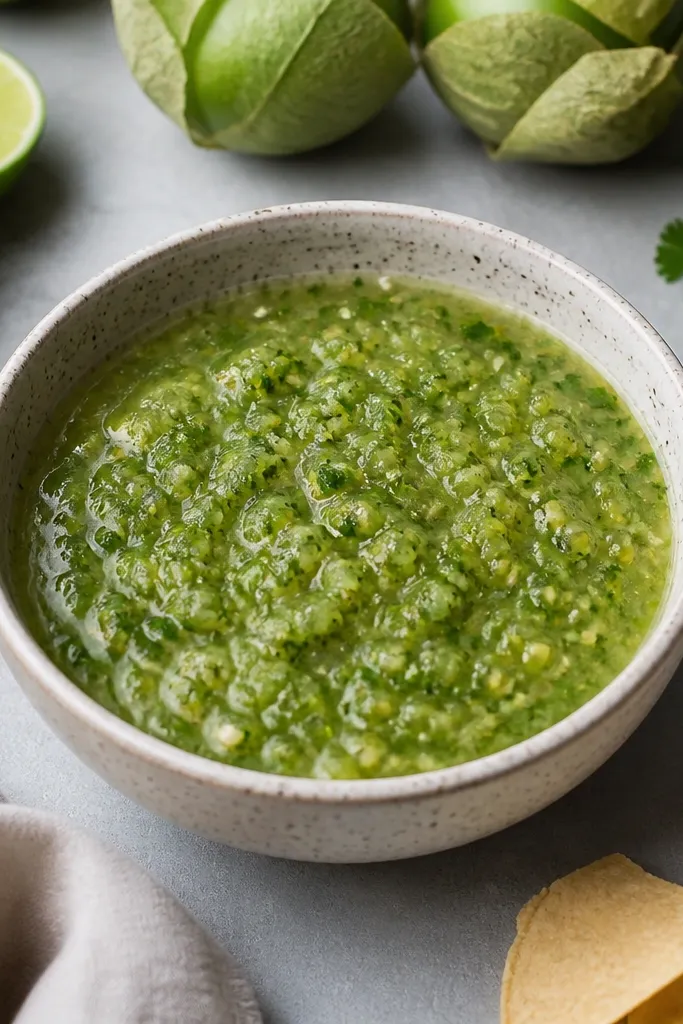
Fork-mashing keeps the salsa chunky, which makes it cling to chips and tacos instead of running. You get a mix of smooth and rough textures, and the flavor hits in layers - tang from tomatillo, sweetness from onion, heat from jalapeño. It also looks more handmade than a fully blended salsa.
Let roasted tomatillos cool, then mash in a bowl with a fork. Keep some chunks - aim for pieces roughly 5-8 mm. Stir in chopped onion and cilantro, then lime and salt gradually.
Try thisMash while the salsa is still warm for smoother blending without turning it into paste.
One warningAvoid mashing completely smooth - it looks like green baby food and loses chip-hugging texture.
6. No-Blender Small Space Method
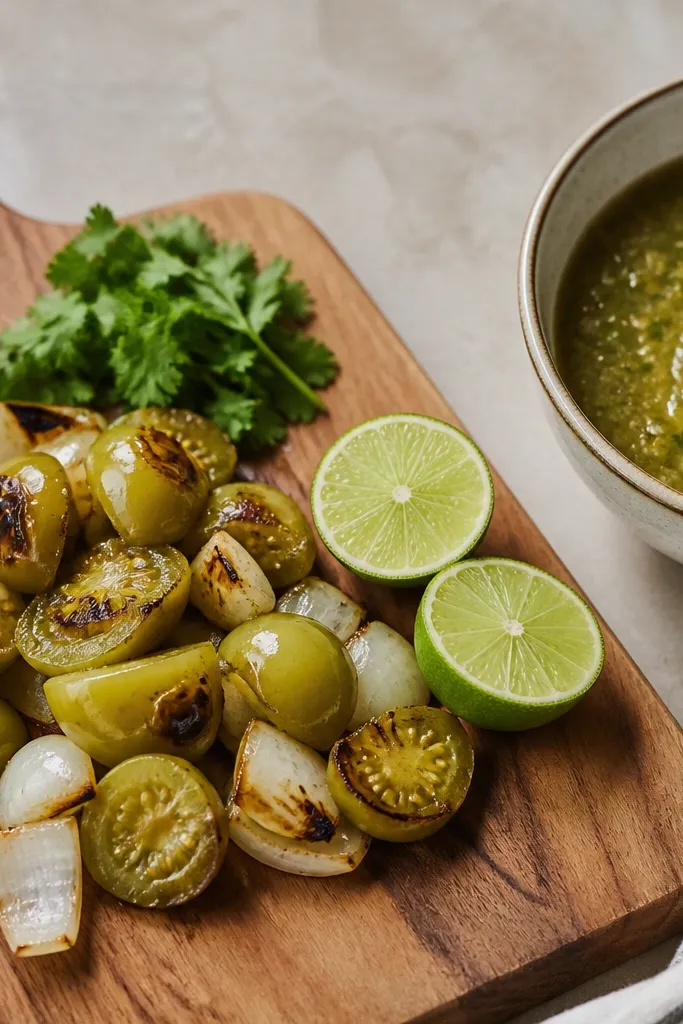
Knife-chopped salsa verde looks rustic and stays thick. When you chop roasted tomatillos finely, you still get juicy bursts from the seeds and skin, which tastes more alive than fully blended salsa. This method keeps cleanup low - just board, knife, and bowl.
After roasting, chop tomatillos and onion into 3-5 mm pieces. Add jalapeño to taste, then mix in cilantro and lime. Salt in small pinches until the green tastes sharp and not flat.
Try thisUse a rocking motion to chop quickly; you'll keep the seeds intact for that classic tomatillo snap.
One warningDon't skip rinsing tomatillos - the waxy film sticks to the knife and dulls flavor.
7. Tiny Batch Flavor Scale
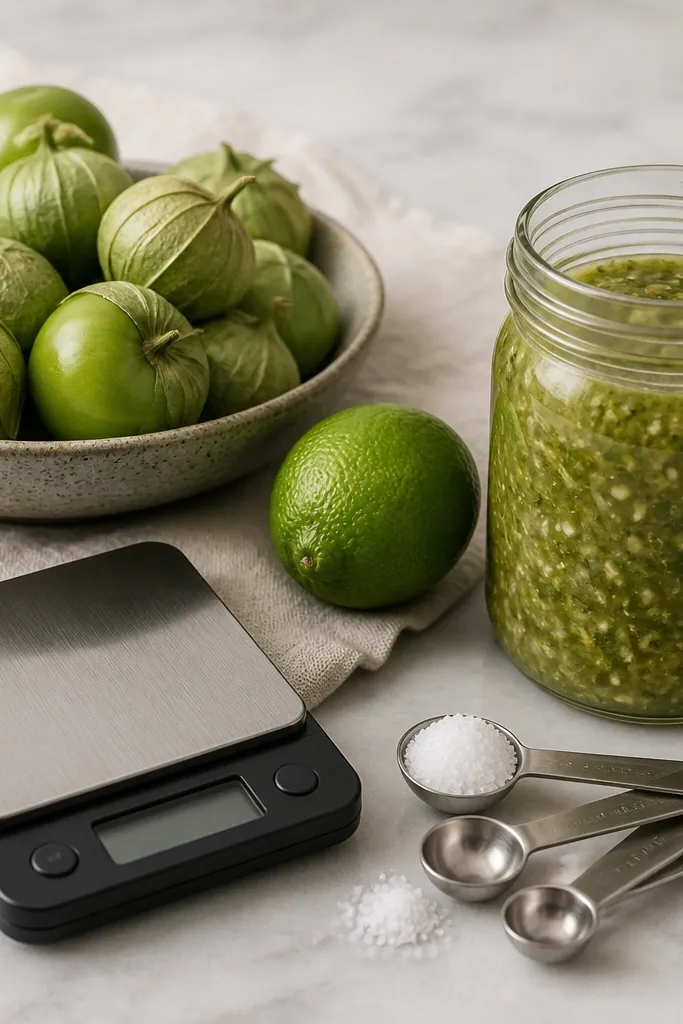
Small batches are where salsa gets either perfect or weird. Measuring helps you nail the salt and lime ratio so the salsa tastes bright, not salty-bitter. When you hit the ratio, the salsa looks even in color instead of patchy.
For 12-14 tomatillos, start with 1/2 to 3/4 teaspoon kosher salt and 1 lime. Add 1-2 teaspoons water if it's too thick. Taste after 10 minutes at room temp and adjust.
Try thisTaste with a chip, not a spoon - chips show salt balance fast.
One warningAvoid dumping in a whole teaspoon of salt at once - it's hard to fix in a small batch.
8. Salsa Verde Storage Jar with Condensation Ring
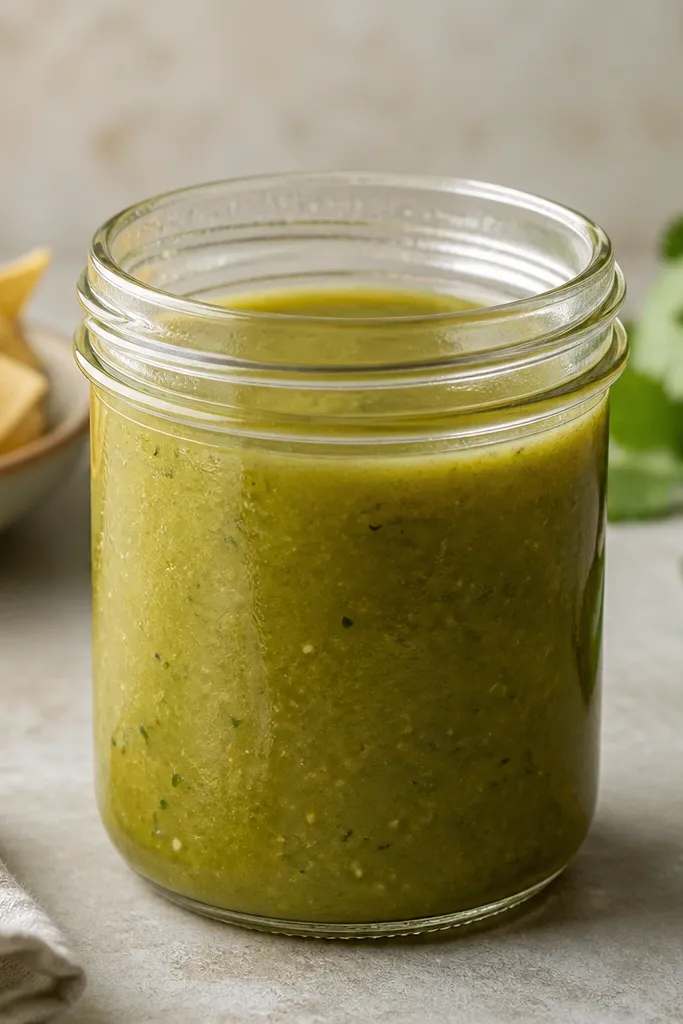
This is the look of salsa that was cooled and stored quickly. The jar keeps everything from drying out, and the lid protects the cilantro from turning brown as fast. When the surface is smooth, it means you packed it tightly and minimized air exposure.
Cool salsa to room temp, then pack into a jar. Press a sheet of plastic wrap directly on the surface if you want extra green longevity. Refrigerate promptly and keep it sealed.
Try thisLabel the jar with the date so you actually use it within 4-5 days.
One warningAvoid storing hot salsa - heat drives condensation and speeds up flavor fade.
9. Charred Onion Swirl for Color Depth
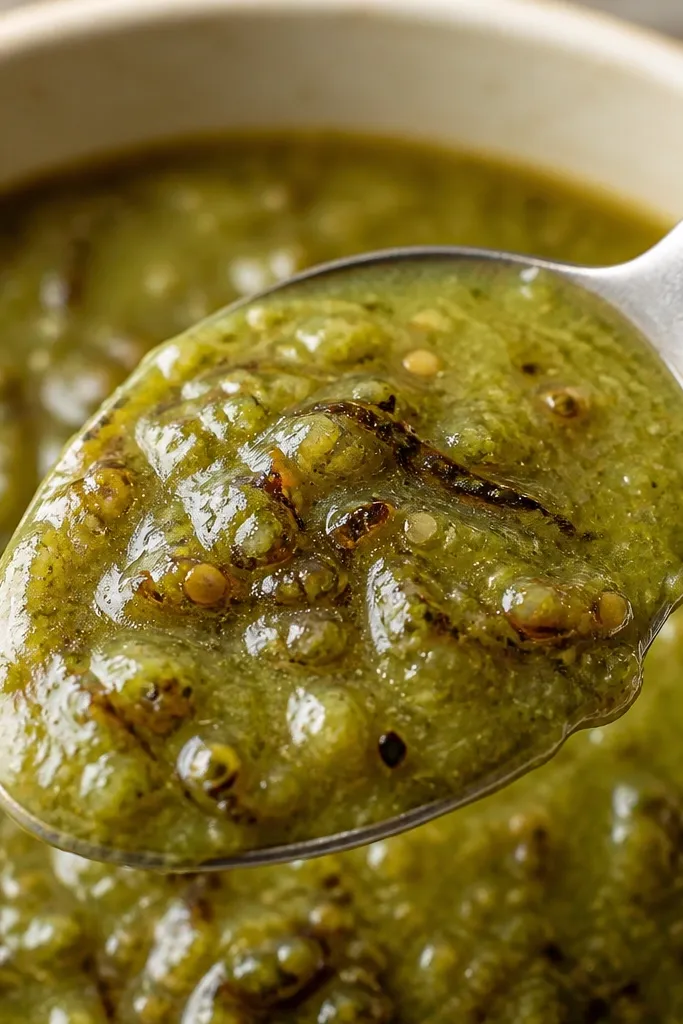
Onion gives you sweetness, but it also gives you color depth when it browns. Those dark onion bits make the salsa look more complex than plain green puree. It also thickens because the onion breaks down into the tomatillo pulp.
Roast onion wedges alongside tomatillos until edges are brown, then chop or blend briefly. Mix onion in after blending if you want chunkier texture. Keep jalapeño separate at first so you can control heat.
Try thisIf onion tastes sharp after roasting, cook it 2 minutes longer - it should taste mellow, not biting.
One warningDon't use raw onion - it makes salsa taste harsh and watery.