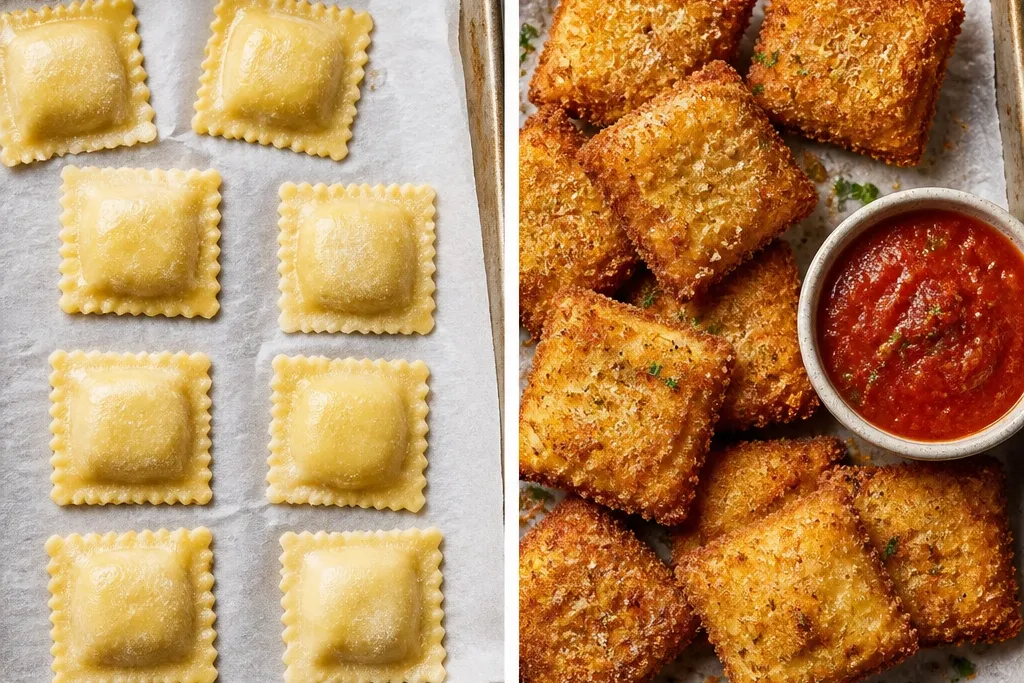
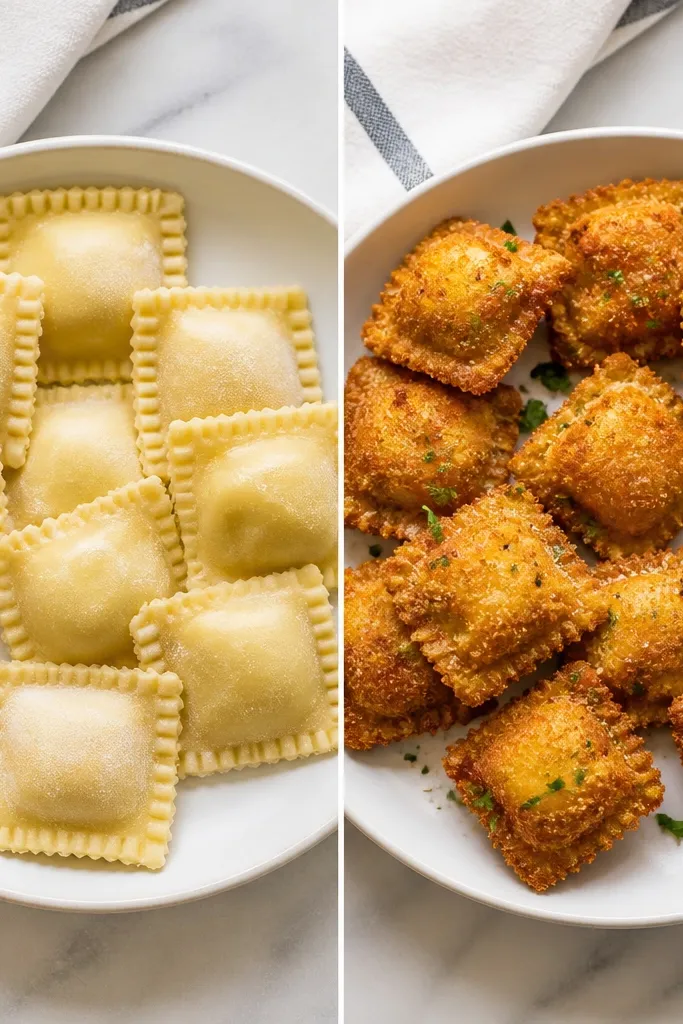
1. Dry-Pat Before Shot vs Steam-Pale After Shot
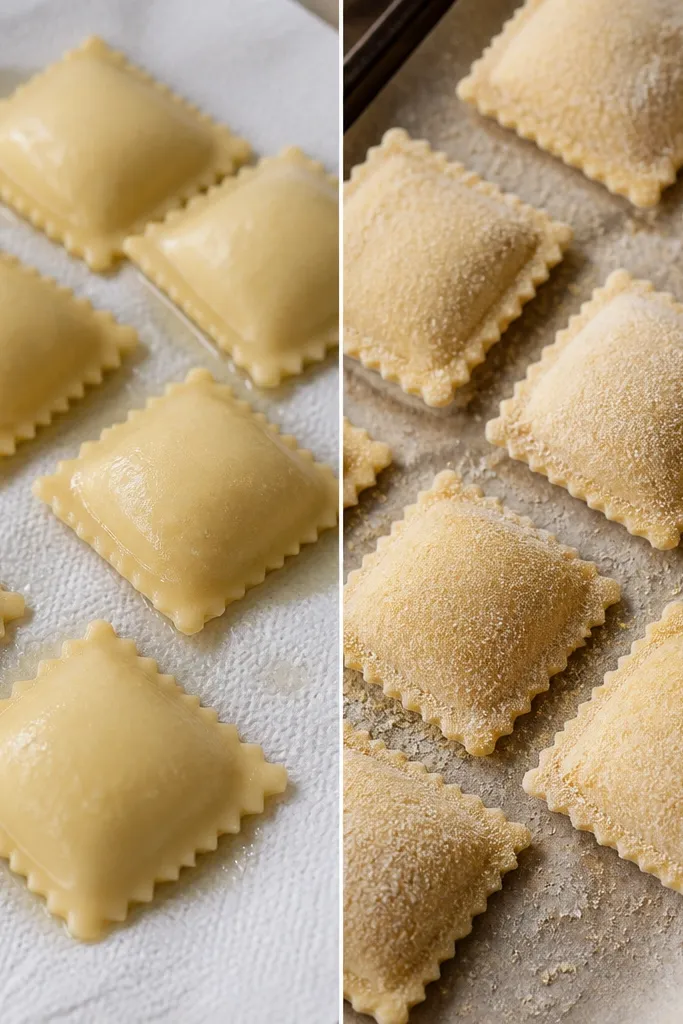
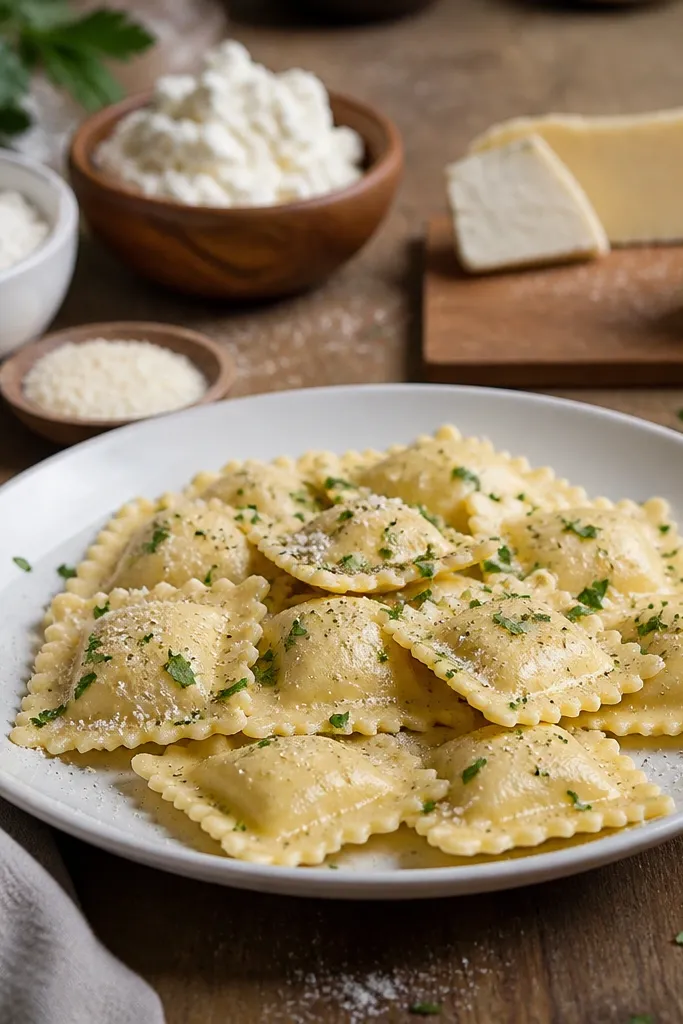
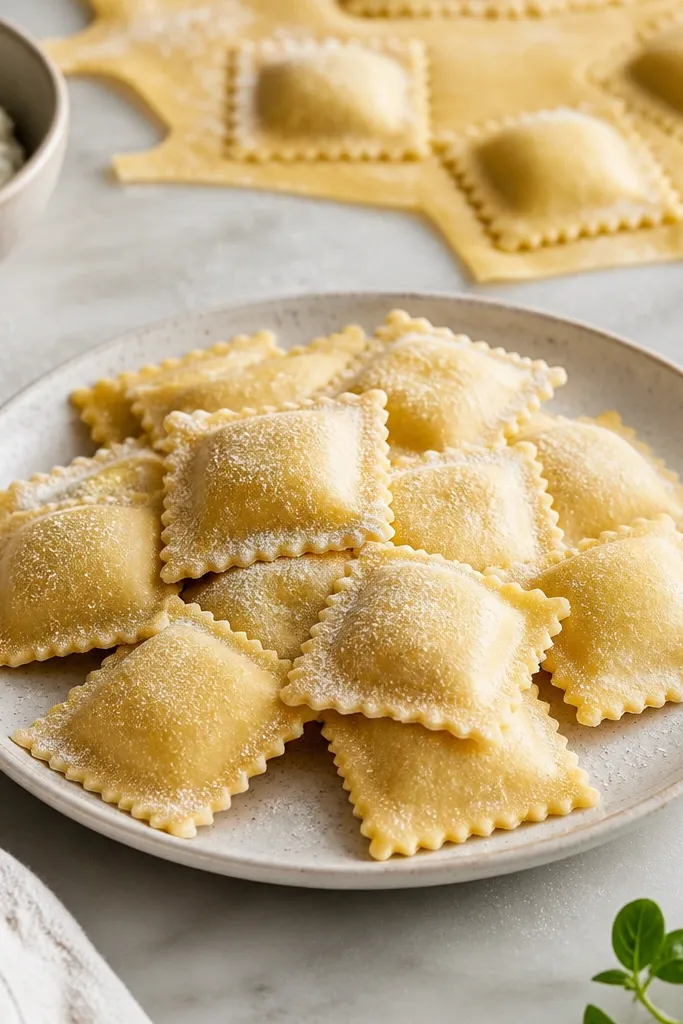
This is the "before" problem I see most: steam makes the coating go soft before it browns. When the ravioli surface is wet, the egg wash turns watery and the crumbs slide off or clump unevenly. After a proper dry-pat, the egg grabs and the crumbs form a tight, even layer that crisps instead of steaming.
Pat each ravioli with a clean kitchen towel for 20-30 seconds, then lay them in a single layer on a dry plate for 2 minutes. For the after look, you want the coating to look matte and even, not glossy. Use a rimmed tray so you can coat in one direction and keep the seams intact.
Try thisIf they're frozen, thaw in the fridge overnight, then blot again right before coating. Steam is the enemy of crisp.
One warningDon't skip the blotting step - wet ravioli makes the crust look patchy and cheap.
2. Egg Gloss vs Egg Set Coating
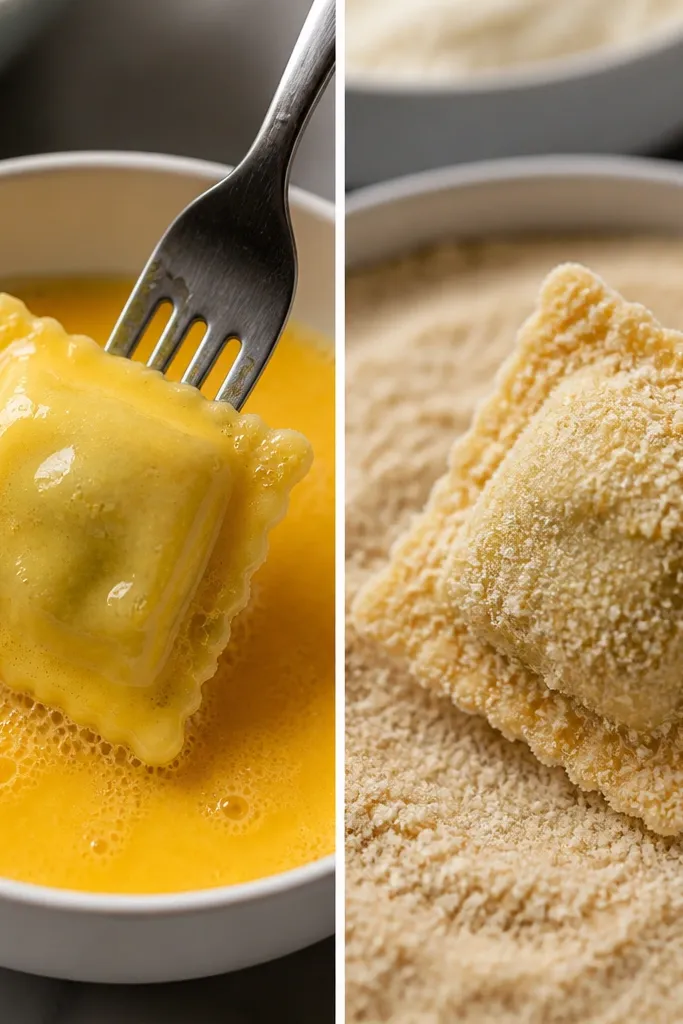
Egg should cling, not pool. When egg is too wet or the crumbs are too fine, it turns into a paste that browns unevenly. When the crumbs are coarse enough, they grip the egg and create micro-cracks as they fry - that's where the crisp comes from.
Use beaten egg thinned with one teaspoon water per egg so it spreads, then dip and let excess drip for 2 seconds. Coat with breadcrumbs that have some texture (not powdery). Press lightly so crumbs touch the edges and corners.
Try thisLet the coated ravioli sit for 3 minutes on a rack before frying. The surface dries a bit and crisps faster.
One warningDon't use ultra-fine flour-like crumbs - they make the coating gummy.
3. Parm-Into-Crumbs Color Boost
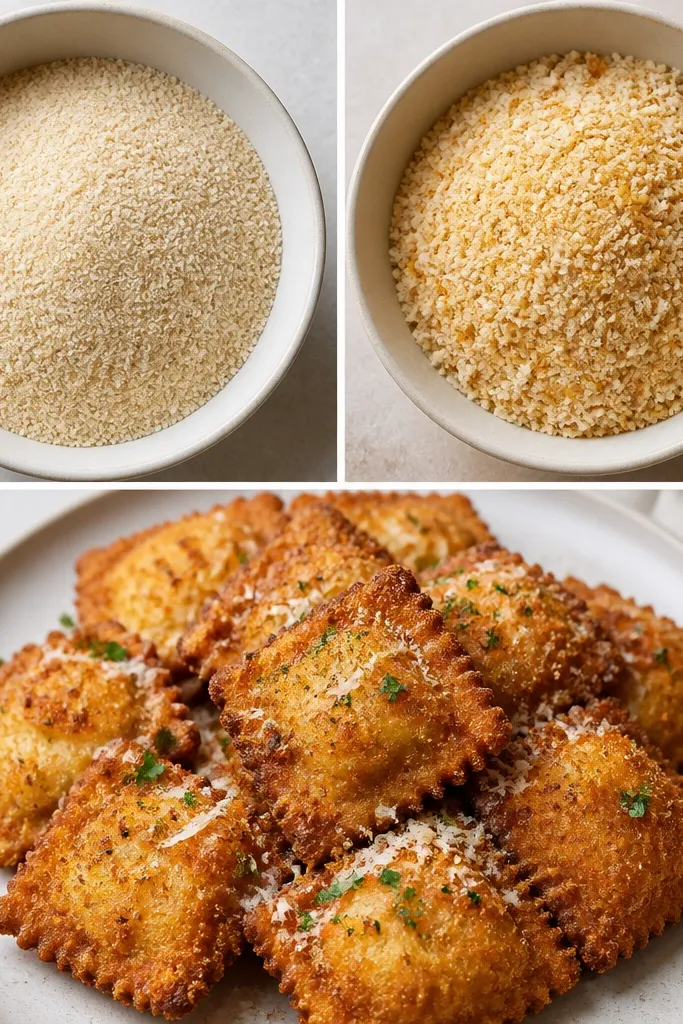
Parm in the crumb coating gives you two wins: it browns earlier for that deeper honey color and it adds salty, nutty flavor where the crust meets hot cheese. I sprinkle it directly into the crumbs, not on top after frying, because the heat needs to act on it during the crisping stage.
Mix 1/2 cup breadcrumbs with 2 tablespoons finely grated Parm and 1/2 teaspoon garlic powder. Add a pinch of black pepper so you see tiny flecks in the coating. Keep the mix dry so it stays sandy, not wet.
Try thisIf your crumbs brown too fast, reduce Parm by 1 tablespoon. If they stay pale, add the extra tablespoon back.
One warningDon't add fresh mozzarella to the crumb mix - it melts into sticky spots instead of crisping.
4. Hot Oil Bubble Test Fry
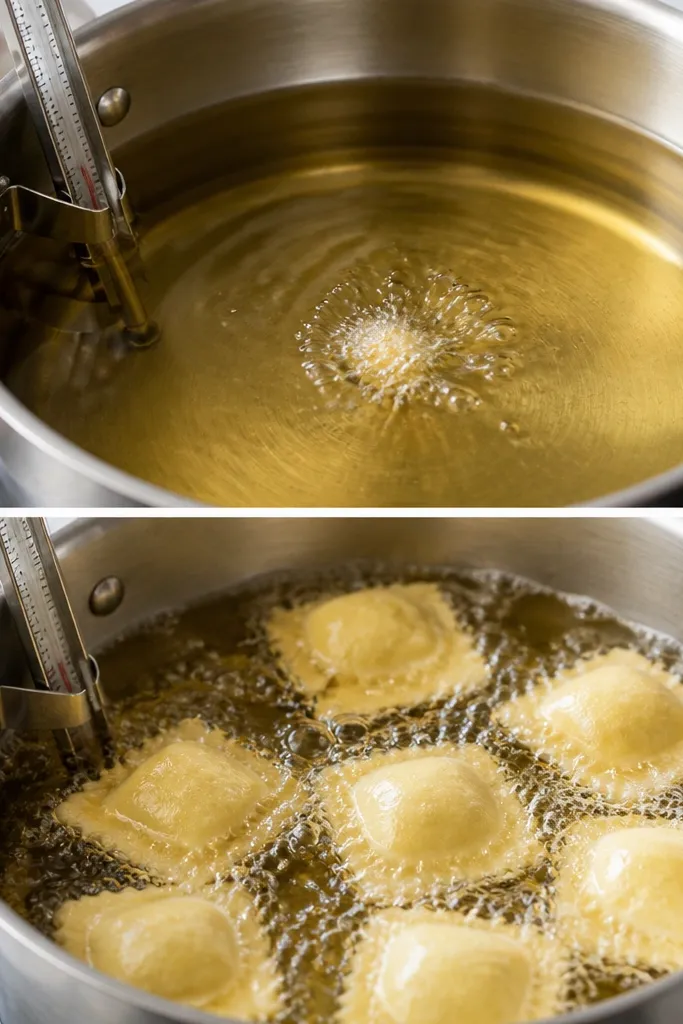
Temperature is what separates crisp from sad. I fry at 350°F (175°C). At that heat, the coating sets quickly and the cheese melts before the crust collapses. If the oil is cooler, the ravioli absorbs more oil and turns greasy; the outside stays pale and chewy.
Use a heavy pot so heat doesn't swing. Clip a thermometer and wait until it hits 350°F before adding ravioli. Drop them in gently and let bubbles surround each piece without touching.
Try thisIf you don't have a thermometer, test with a breadcrumb - it should sizzle and bubble steadily within 2 seconds.
One warningDon't fry straight from a cold pan - the first batch always looks worse.
5. No-Crowd Pan Layout
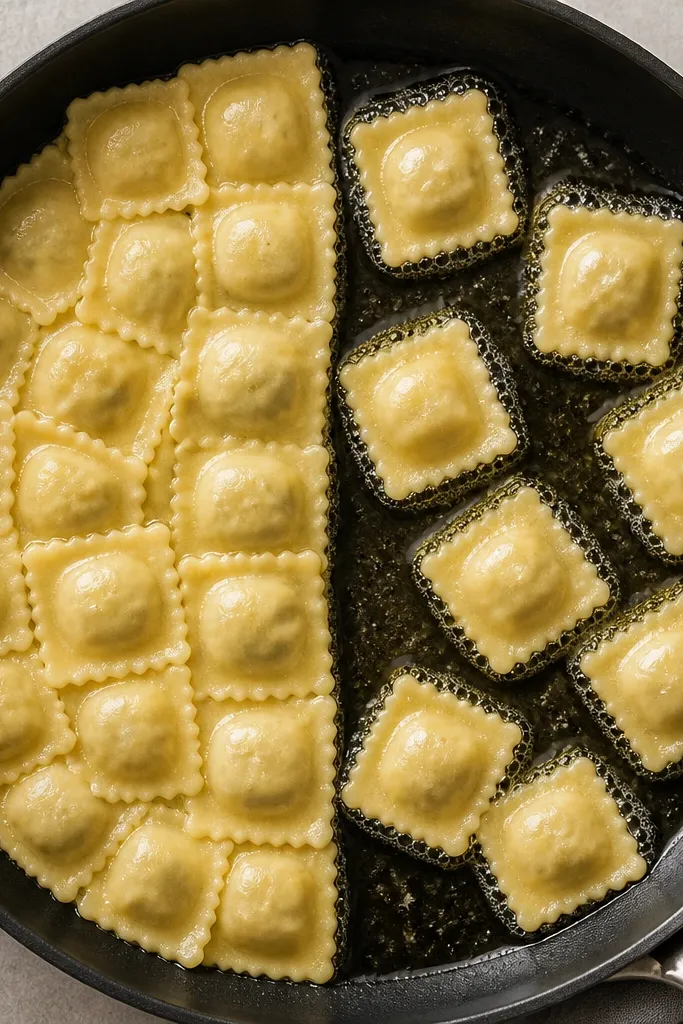
Crowding kills the crisp because the oil temperature drops where the ravioli sits. When pieces touch, steam escapes into the gap and turns the crust soft at the seam. When you space them out, each ravioli fries in its own hot bubble zone and browns evenly.
In a 10-inch skillet, fry 4-5 ravioli at a time, not 8. Add them in a single layer. Keep the oil level about halfway up the sides of the ravioli for even browning.
Try thisStagger your batches so the oil returns to 350°F between additions.
One warningDon't "make it fit" - touching ravioli turns into a single soggy mass.
6. Flip Timing for Even Browning
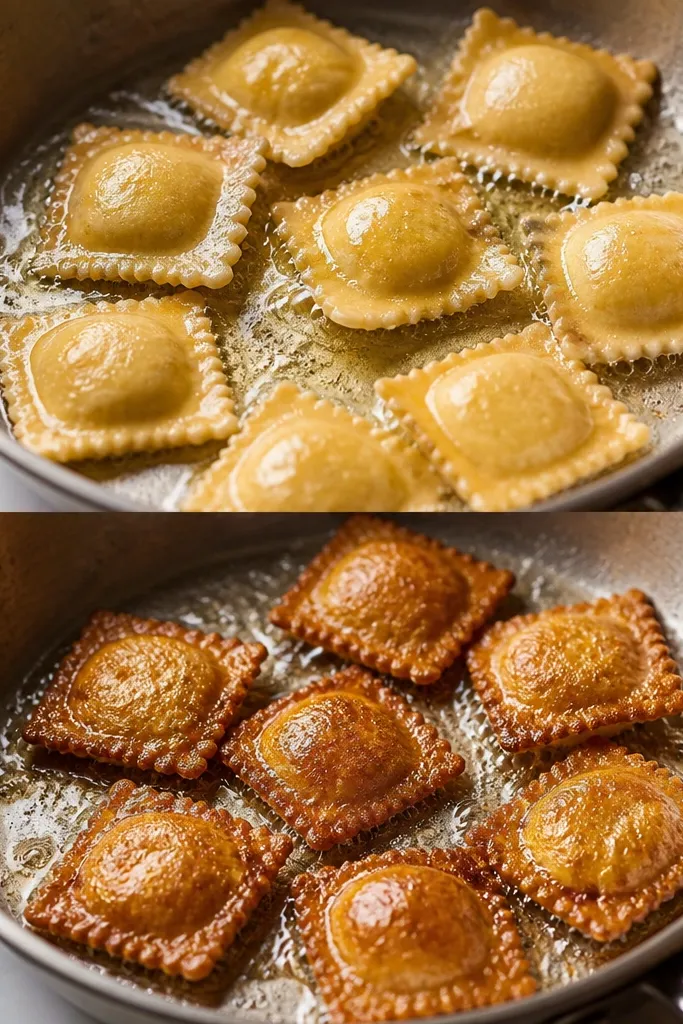
You want one clean flip, not constant poking. The coating sets fast, so you can flip when the underside looks light-gold and feels firm. Too early and it tears; too late and one side gets darker than the other.
Fry for 2 minutes, flip with a slotted spoon, then fry 1.5-2.5 minutes more. Aim for an internal melt cue: the coating should look dry and crisp, not glossy. If you see rapid darkening, lower heat slightly to hold color.
Try thisUse a timer. My best batches come from timing, not "by eye."
One warningDon't flip more than once - extra flipping breaks the seam and invites leaks.
7. Rack Drain vs Paper Towel Collapse
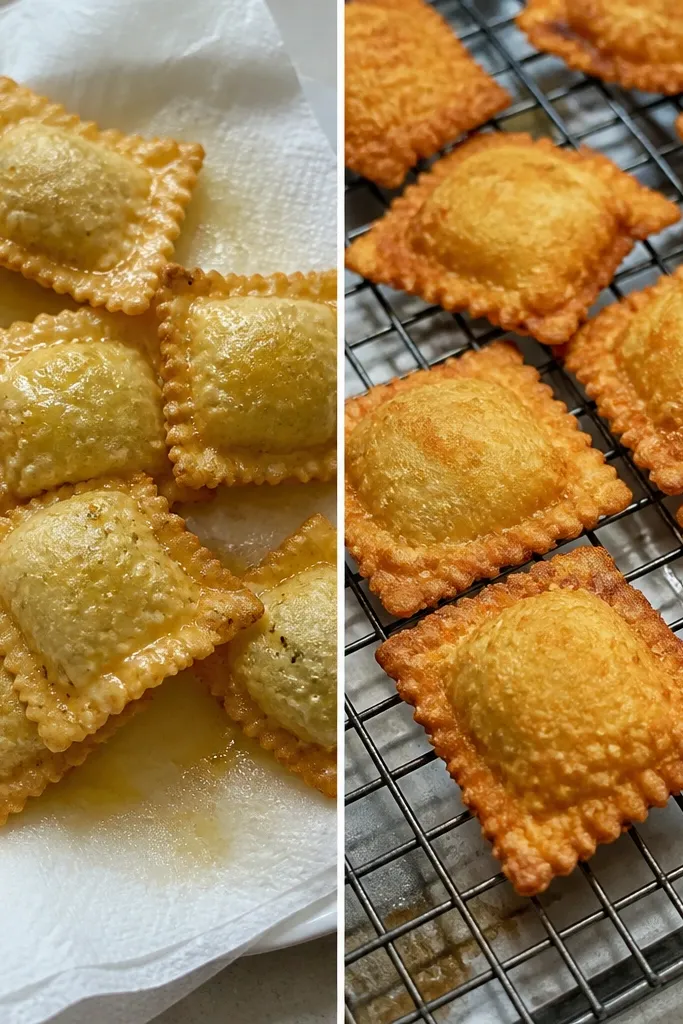
Paper towels trap steam and soften the coating from the bottom up. A wire rack lets air circulate so the crust stays crisp while excess oil drains away. This is why your first batch can look perfect but the second batch looks sad - the drain method is different.
Set a wire rack over a sheet pan. Transfer fried ravioli to the rack immediately and leave them there for 3-4 minutes. If you stack them, you create soft spots; keep them in a single layer.
Try thisIf you need to hold them, use a 200°F oven for 8-10 minutes on the rack, not in a closed container.
One warningDon't drain on towels - the crust turns soft and shiny.
8. Sauce Dip Test for Melty Center
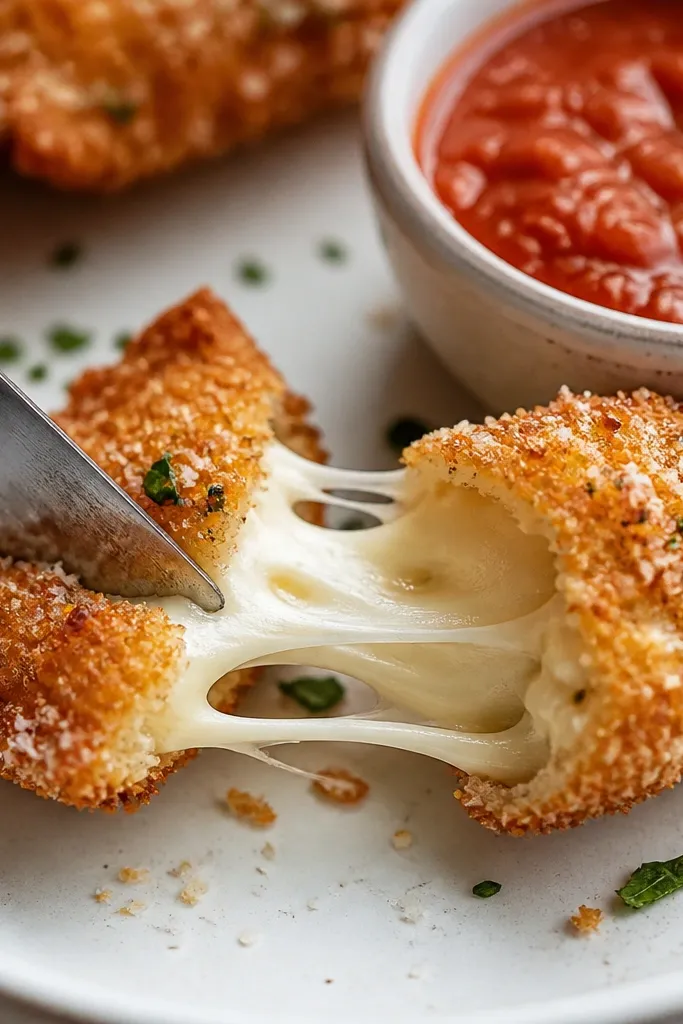
The real "after" is the cheese pull. When you fry long enough for the center to melt but not so long that it dries out, the cheese stretches when you cut it. Marinara also helps you judge timing: if the ravioli is done, the sauce stays bright and the crust still crunches at the bite.
Cut one ravioli in half right after it drains. If the cheese is thick and unmelted, fry the next batch 30-45 seconds longer. If cheese runs out and the crust collapses, lower oil heat or reduce time slightly.
Try thisServe with marinara at room temp. Hot sauce steams the crust faster than room-temp.
One warningDon't drown them in sauce - the bottom turns soggy in minutes.
9. Spice Speckle Crust
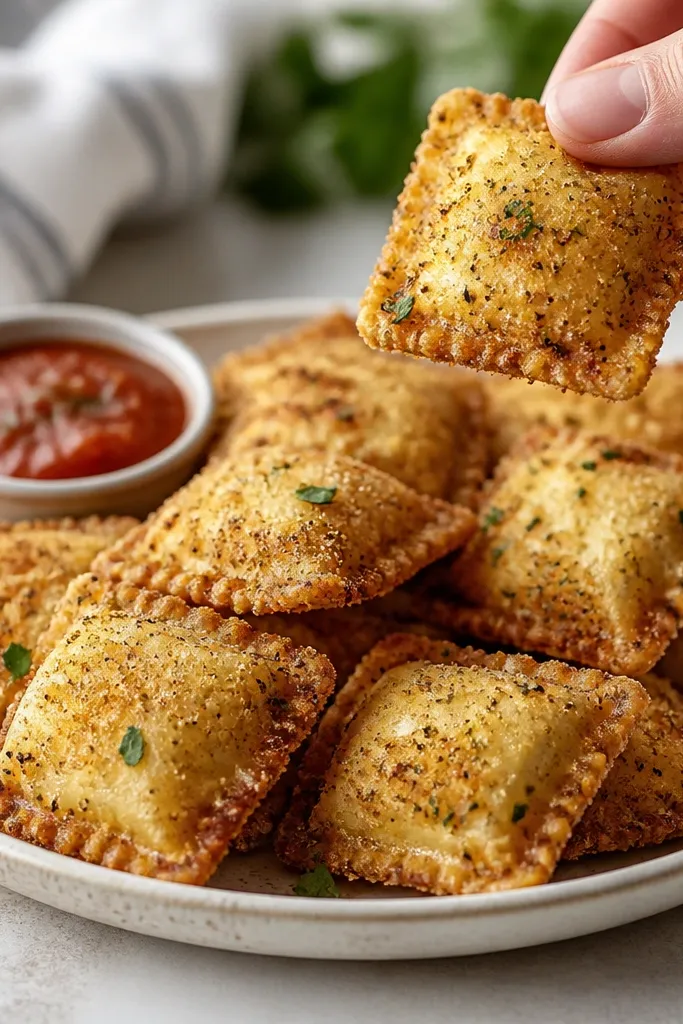
A speckled crumb coating looks appetizing because it signals a seasoned crust, not plain breading. I mix dried parsley and a pinch of chili flakes into the crumbs so the color reads as warm and the flavor hits right away. The contrast between pale cheese and dark crust makes the melty center look extra dramatic.
Add 1 tablespoon dried parsley and 1/4 teaspoon chili flakes to the crumb mix. Keep the herbs dry so they don't turn into dark paste. Use a pinch of salt in the egg wash if your cheese is mild.
Try thisTry smoked paprika instead of chili flakes once. It makes the crust look deeper and tastes richer without adding heat.
One warningDon't add wet herbs or garlic paste - it burns and looks blackened.
10. Reheat Without Losing Crunch
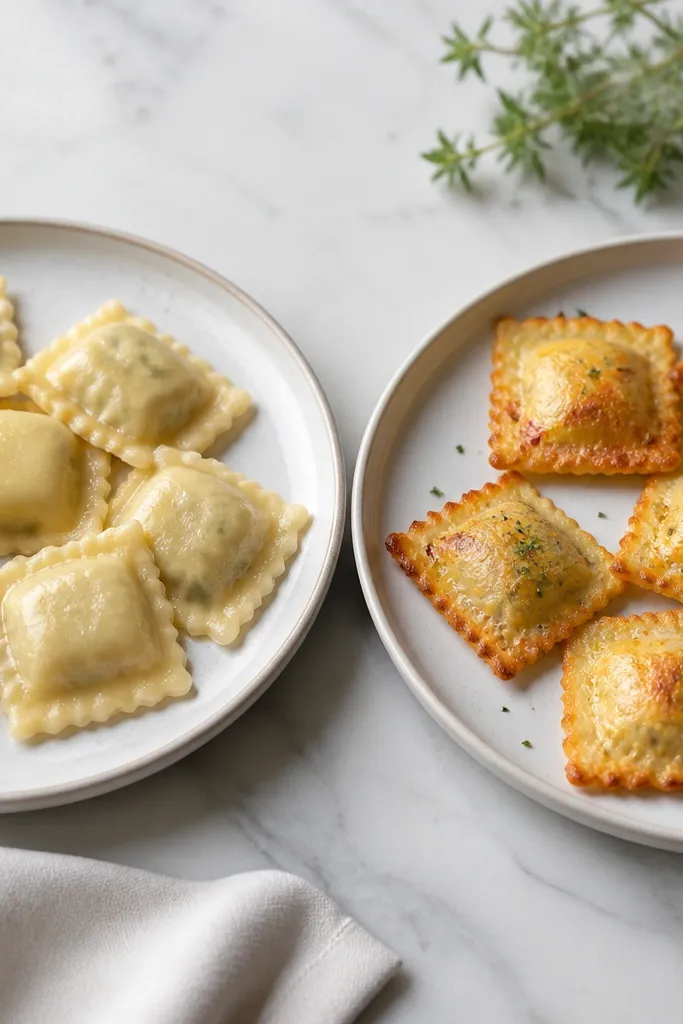
Fried cheese ravioli hates microwave reheating. The crust gets soft because steam has nowhere to escape. Oven reheat on a rack brings the shell back by drying the coating and reheating the center evenly. If you want the "after" to match the fresh fry, reheat correctly.
Heat oven to 375°F. Place ravioli on a rack over a sheet pan and bake 6-8 minutes. Check one piece - you want it hot in the middle and crisp on the outside, not dry.
Try thisSkip cheese sauce reheats. Warm them separately so you don't steam the crust.
One warningDon't cover with foil - the underside steams and turns soft.