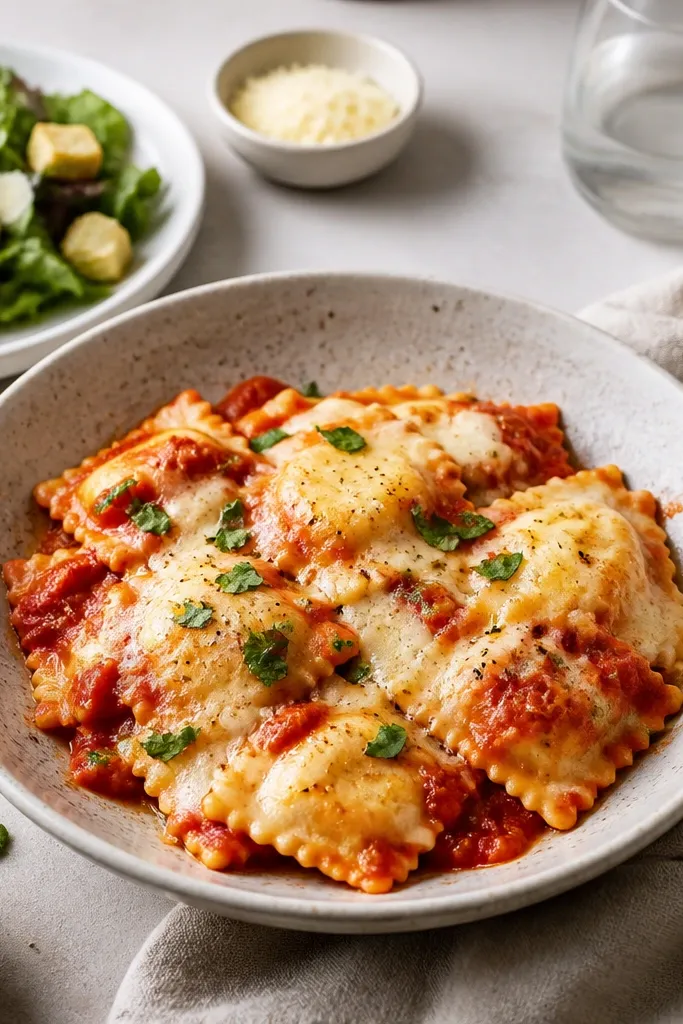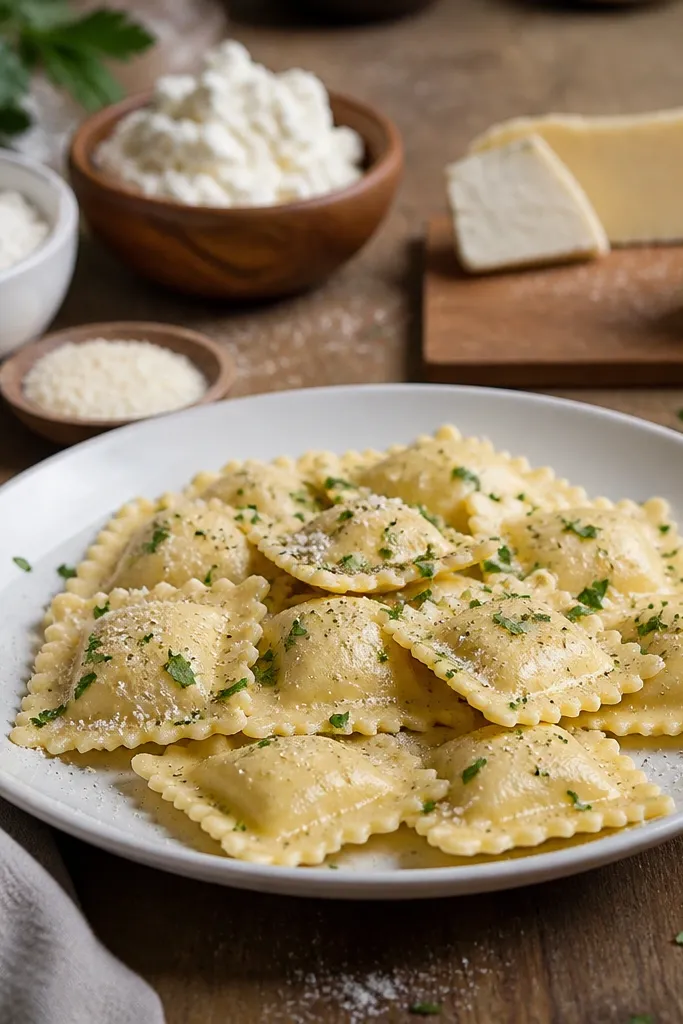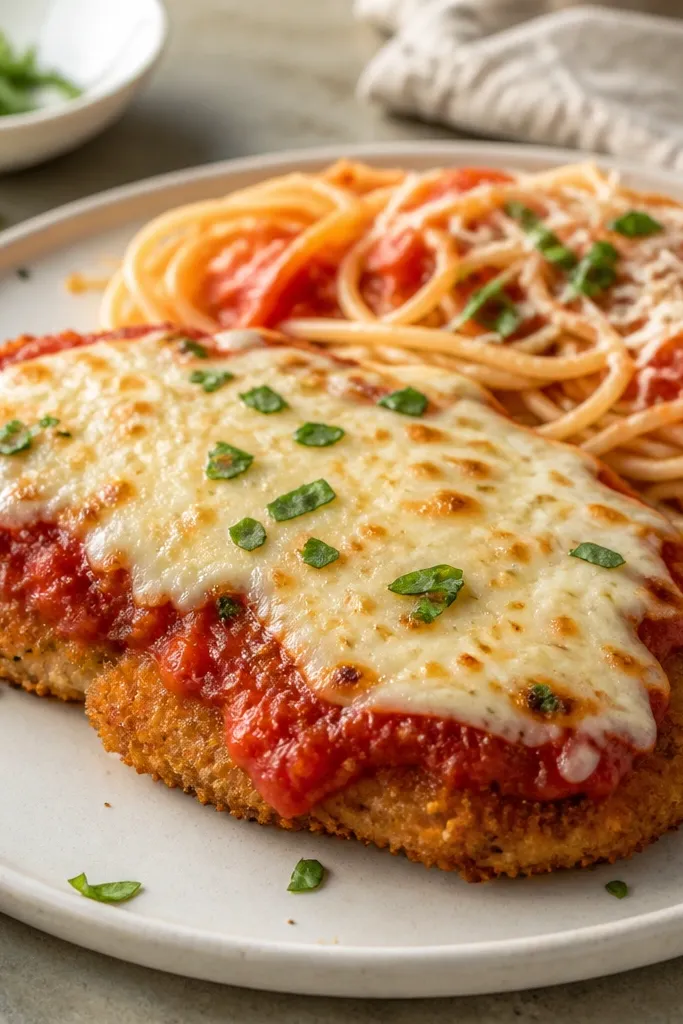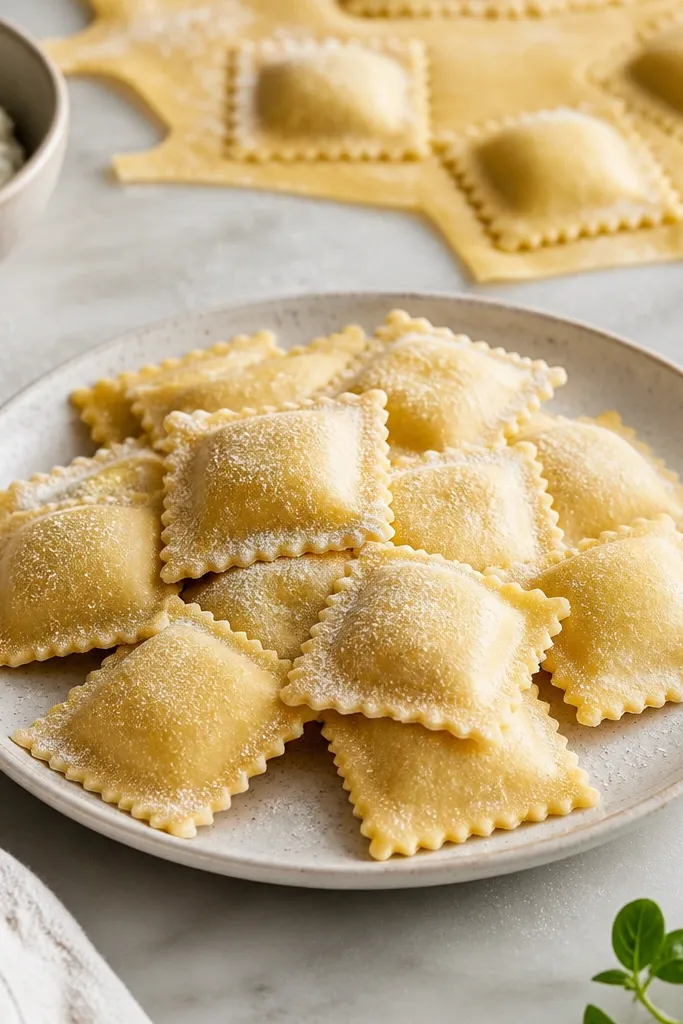
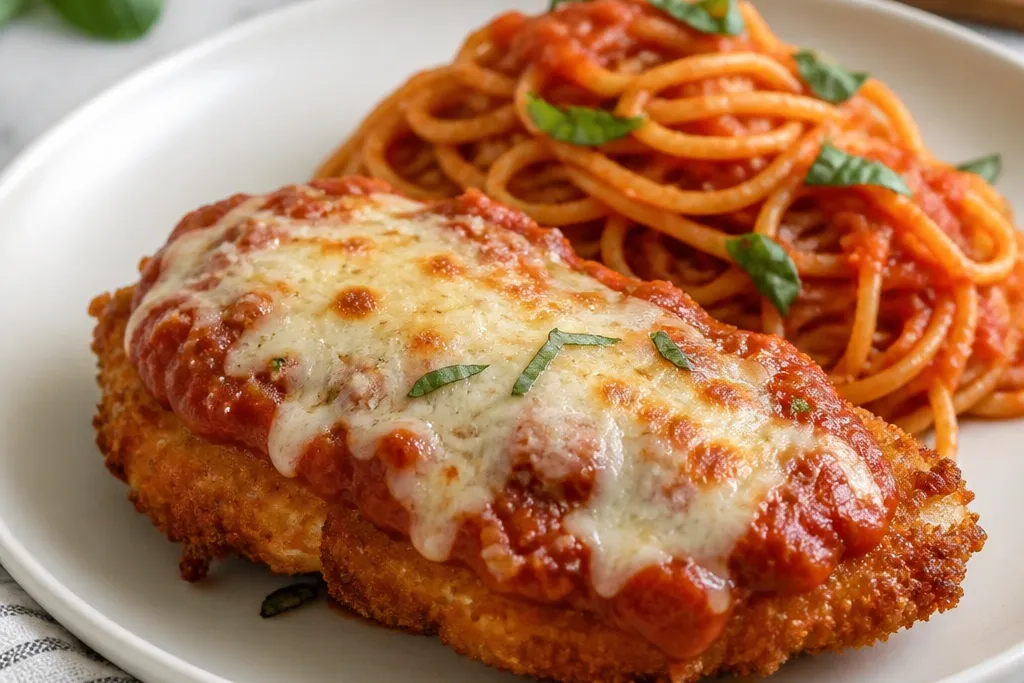
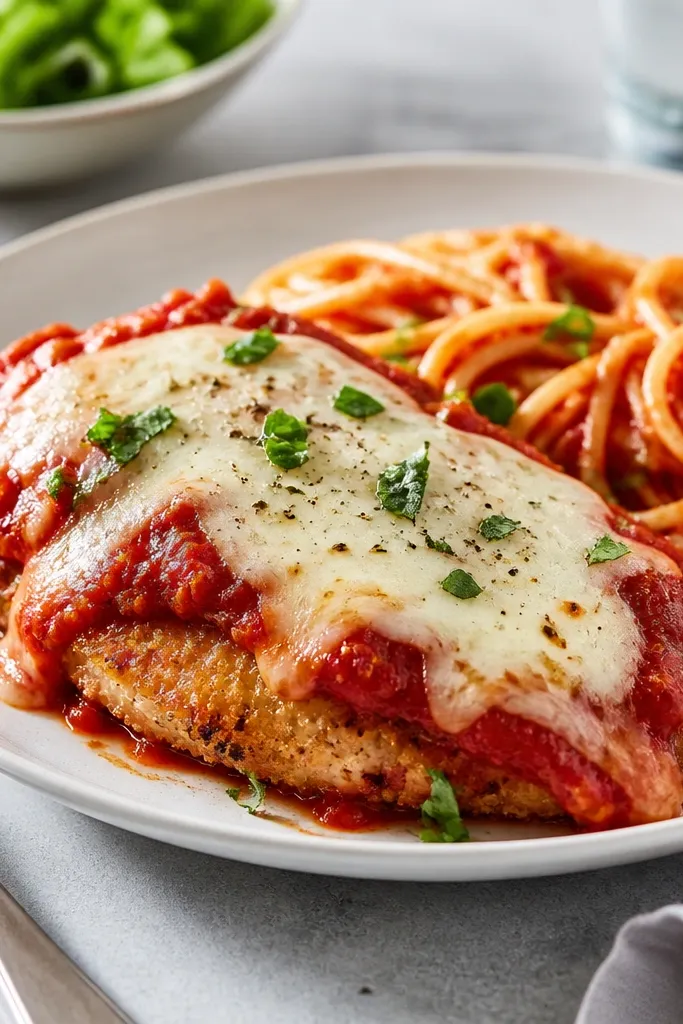
1. Golden-Brown Broiler Top
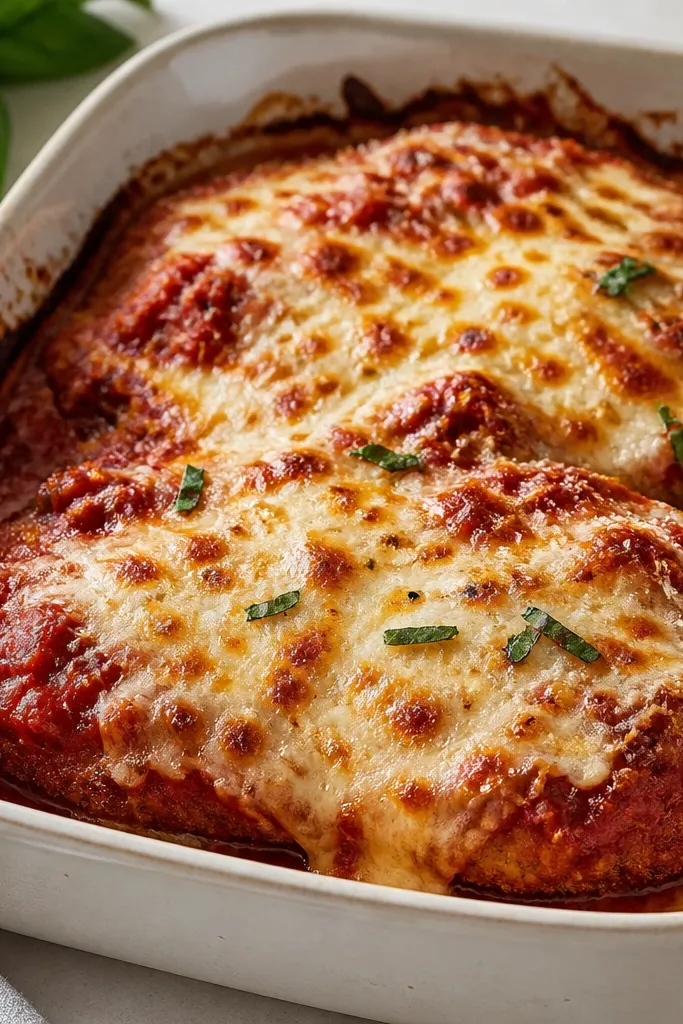
This look comes from broiling at the end, when the cheese is already melting but not bathing in simmering sauce. I use mozzarella for stretch and parmesan for that salty, nutty brown speckle. The browned spots happen because the top surface dries slightly under the broiler, so you get crispness instead of a pale melt.
Spread sauce in a thin layer over the chicken, just enough to coat. Add mozzarella so it covers the whole top, then dust parmesan lightly so it lands in little patches. Broil on high for 2 to 4 minutes, watching for dark-gold edges around the cheese bubbles.
Try thisPut the dish on the top rack for broiling so the heat hits the cheese directly and browns faster.
One warningDon't bake the cheese for 20 minutes - it makes the crust soft and the cheese greasy.
2. Crisp Panko Shell With No Sogginess
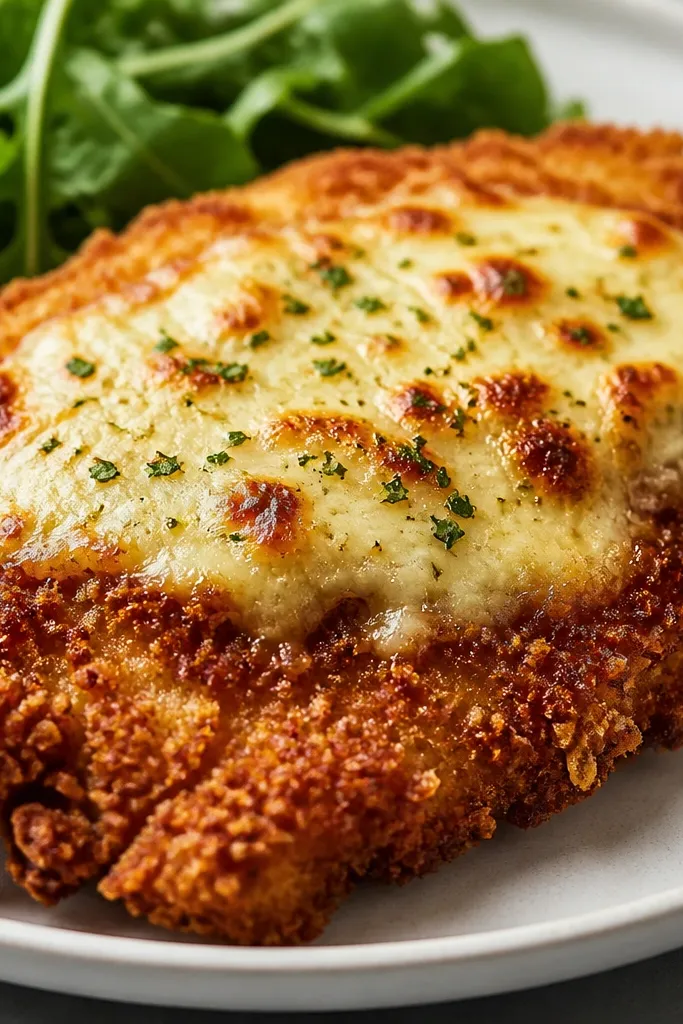
Panko gives you those bigger, airy flakes that create crunch. The key is keeping sauce off the breading until the end - you want the crust to set from pan heat first. Once the cheese is browned, you can add sauce to the plate or skim sauce on top lightly.
Use panko mixed with salt, garlic powder, and dried oregano. Pan-sear in a thin oil layer until the crust is deep golden, then add a spoonful of sauce and only enough to coat the top. Broil right after so the crust stays crisp around the edges.
Try thisIf the crust looks pale, wait 15 to 20 seconds longer in the pan before you flip - it darkens fast once the oil is hot.
One warningAvoid a thick blanket of sauce directly on the raw crust before it gets color.
3. Red Sauce That Clings, Not Pools
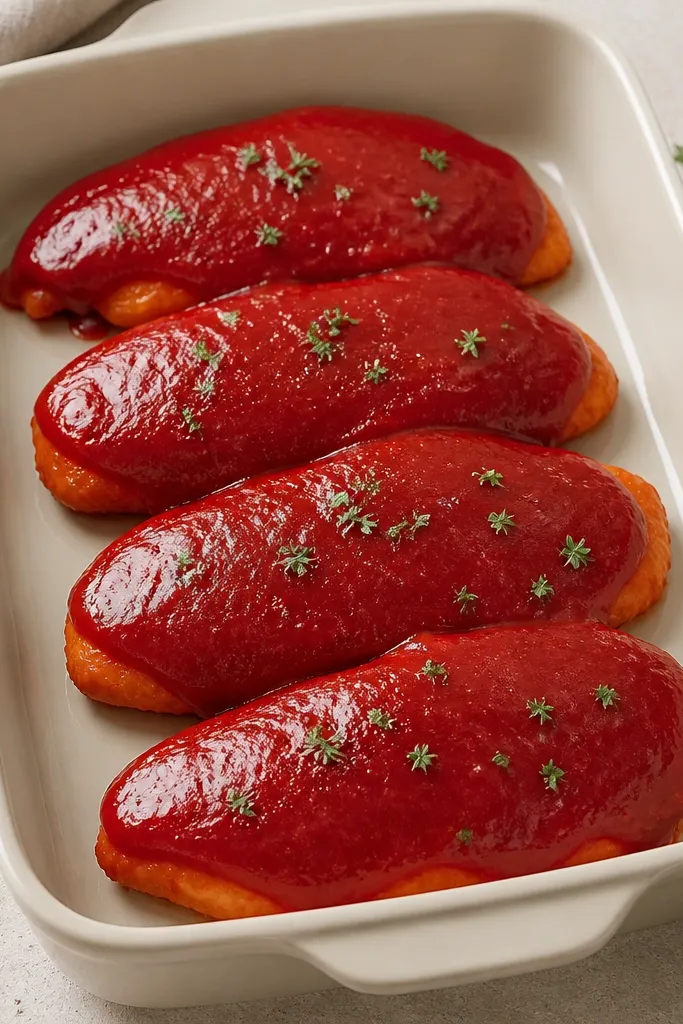
A clinging sauce looks good because it's thicker than soup. I use either crushed tomatoes reduced in a pan for 3 to 5 minutes or a thick jarred marinara warmed until it coats a spoon. When sauce is too thin, it runs into the dish and makes the bottom soggy.
Simmer crushed tomatoes with a pinch of salt, a teaspoon of olive oil, and dried oregano for 3 minutes. Stir until it looks like it clings to the spoon. Spoon a thin layer over chicken, then top with mozzarella and parmesan.
Try thisTest thickness by dragging a spoon through the sauce; if the line closes slowly, it's right.
One warningDon't use straight cold marinara - it stays watery and pools while the cheese melts.
4. Cheese Stretch With Speckled Parmesan
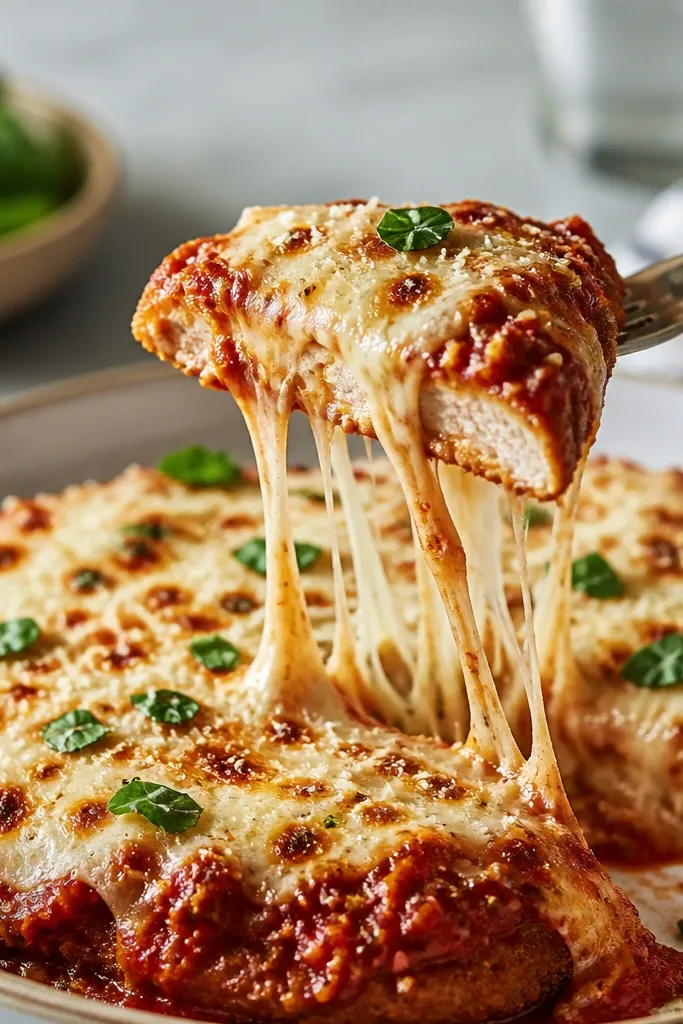
Mozzarella gives the pull, parmesan gives the flavor and that toasted look. I use mozzarella shredded, not pre-sliced, because it melts more evenly and browns in spots under the broiler. Parmesan sprinkled last makes little brown freckles instead of one uniform layer.
Top each cutlet with a generous handful of shredded mozzarella, then dust parmesan in a light, uneven snowfall. Keep mozzarella covering the edges so it seals in the crust. Broil until the bubbles are active and the parmesan turns golden at the edges.
Try thisShred mozzarella yourself if you can - store-bought pre-shredded sometimes browns less evenly.
One warningSkip the low-moisture cheese if you want a classic stretchy pull; it can turn rubbery.
5. Herb-Flecked Look From Dried Oregano
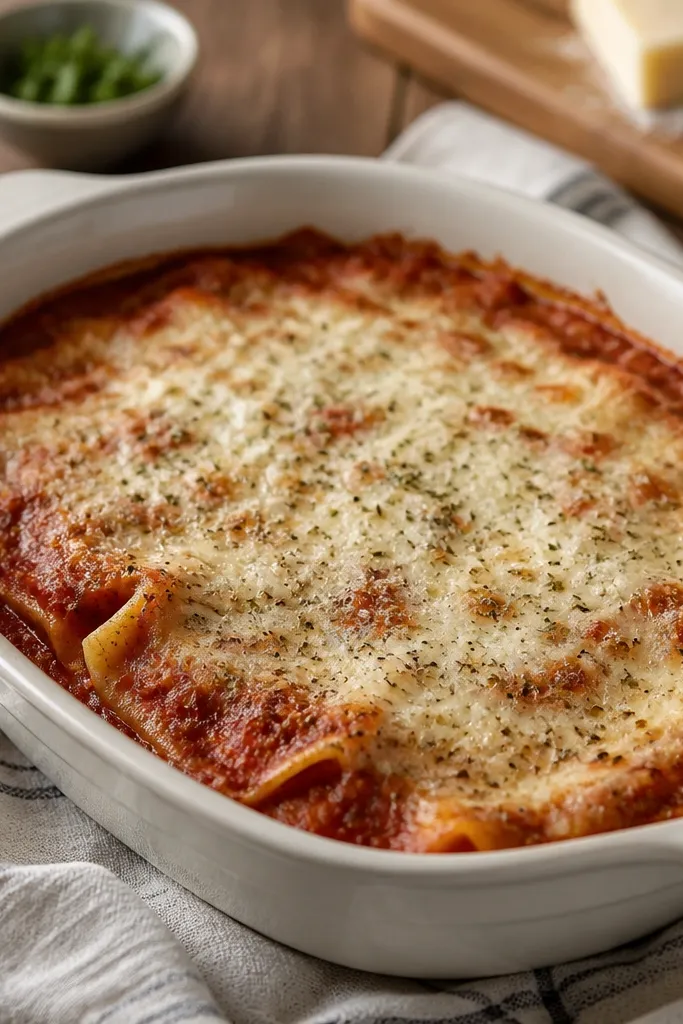
Dried oregano creates those subtle flecks that look "Italian kitchen" without turning bitter. Fresh herbs can brown too fast under a broiler, so dried is the safer bet for this quick method. The flecks also help hide any uneven sauce spots.
Mix oregano into the breadcrumbs and add a pinch to the warmed sauce. If you want extra color, sprinkle a tiny pinch over the mozzarella right before broiling. Keep it light - you want specks, not clumps.
Try thisRub oregano between your fingers before using; it wakes up the smell and flavor.
One warningDon't dump a full tablespoon of fresh herbs on top - it turns dark and bitter under heat.
6. Lemony Peppery Edge Flavor
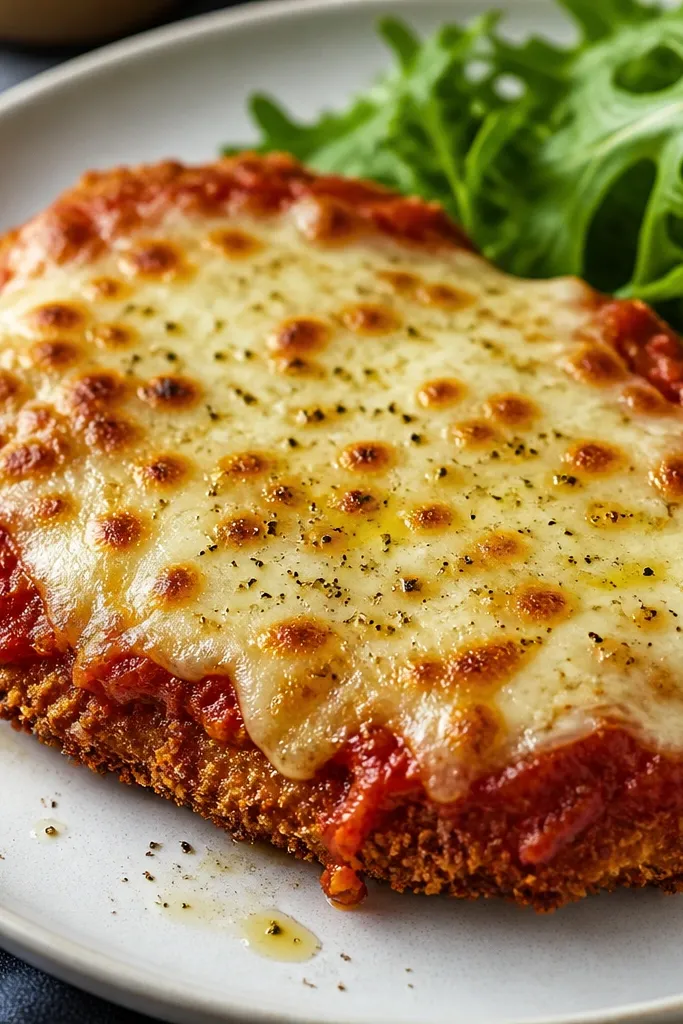
A little lemon and black pepper makes the whole dish taste brighter, especially against salty parmesan. I add pepper to the breadcrumb mix and finish with a micro-squeeze of lemon after broiling. It doesn't change the look much, but it changes how the cheese tastes.
Add cracked black pepper to the breadcrumbs so it stays in the crust. After broiling, squeeze lemon over the plate (not in the dish) so it doesn't thin the sauce. Use a light hand - you should taste it, not smell it like cleaner.
Try thisIf you hate lemon, use lemon zest only - it gives aroma without acidity.
One warningDon't add lemon juice while the cheese is still under the broiler - it can taste sharp.
7. Plated Like a Restaurant Cutlet
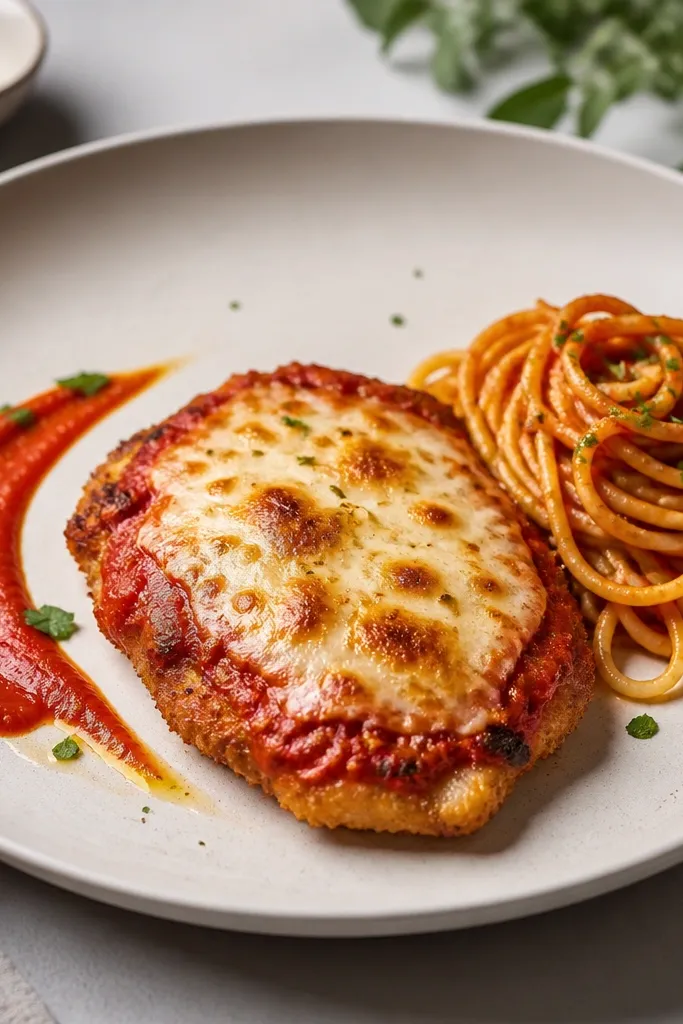
Restaurant-style plating makes it look intentional. I put the cutlet on top of a small mound of sauce or pasta, then add extra sauce around the sides rather than covering everything. That keeps the crust visible and makes the top cheese look like the main event.
Spoon a small streak of sauce onto the plate, then place the chicken on top. If you're serving pasta, toss pasta with a couple tablespoons of sauce so it looks glossy but not drenched. Finish with a little parmesan on the plate, not buried in the cheese.
Try thisWipe the plate rim with a damp paper towel after plating so sauce doesn't smear and look messy.
One warningAvoid stacking cutlets - the crust steams and loses its crisp edge.
8. Side-Ready Garlic Butter Shine
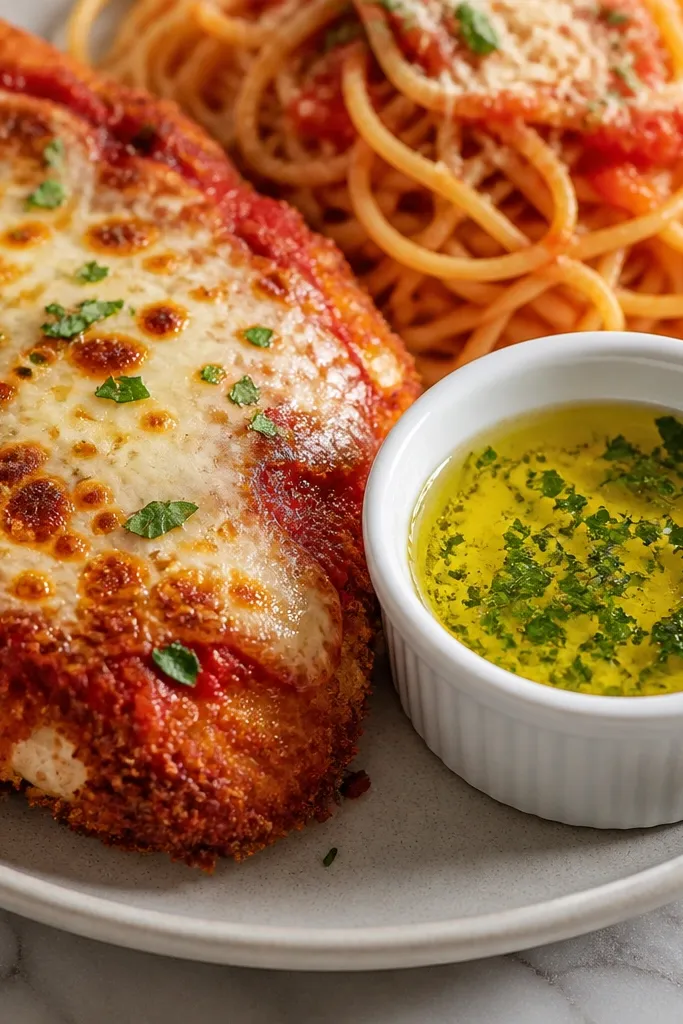
This is the "I cooked" detail that makes dinner feel complete. Garlic butter with parsley smells strong and appetizing, and it gives you something to dip extra bread or spoon over pasta. It also balances the salty cheese with a little mellow fat and herb aroma.
Melt 2 tablespoons butter, stir in 1/2 teaspoon minced garlic or garlic powder, and add chopped parsley. Keep it warm, not sizzling, so it doesn't taste burned. Serve in a ramekin so it looks neat on the table.
Try thisAdd a pinch of salt right at the end; butter tastes flat if you salt too early.
One warningDon't use browned butter for a beginner recipe; it can overpower the parm.