1. Skillet-Style Creamy Sauce Gloss
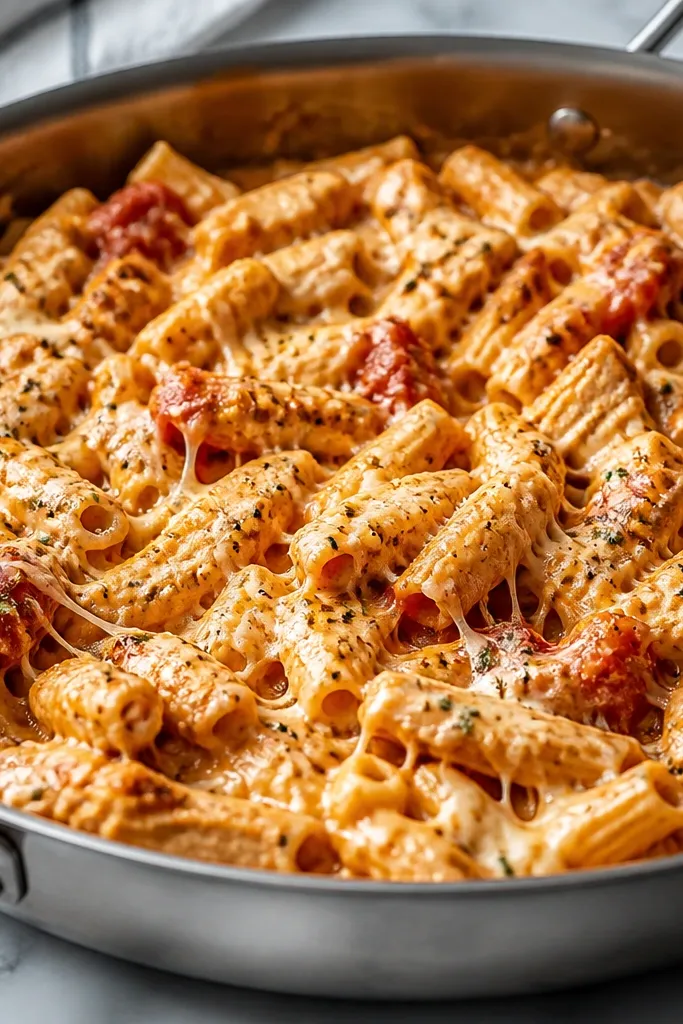
This look comes from building a sauce that thickens as pasta starch releases. I use crushed tomatoes plus a splash of cream so the color stays warm and creamy instead of pink. When the sauce coats the noodles, it looks glossy because the liquid is reduced - not because it's oily.
Cook the pasta 2 minutes short, then add it to the skillet with the sauce. Stir and simmer 8-10 minutes until it looks like it's holding a spoon trail. If it looks too thick, loosen with 1-2 tablespoons pasta water at a time.
Try thisUse a metal spoon and drag it through the sauce. If the line closes slowly, you're at the right thickness.
One warningAvoid adding all the cheese at full boil - that's how you get greasy separation.
2. Parmesan Crust from a Quick Broil
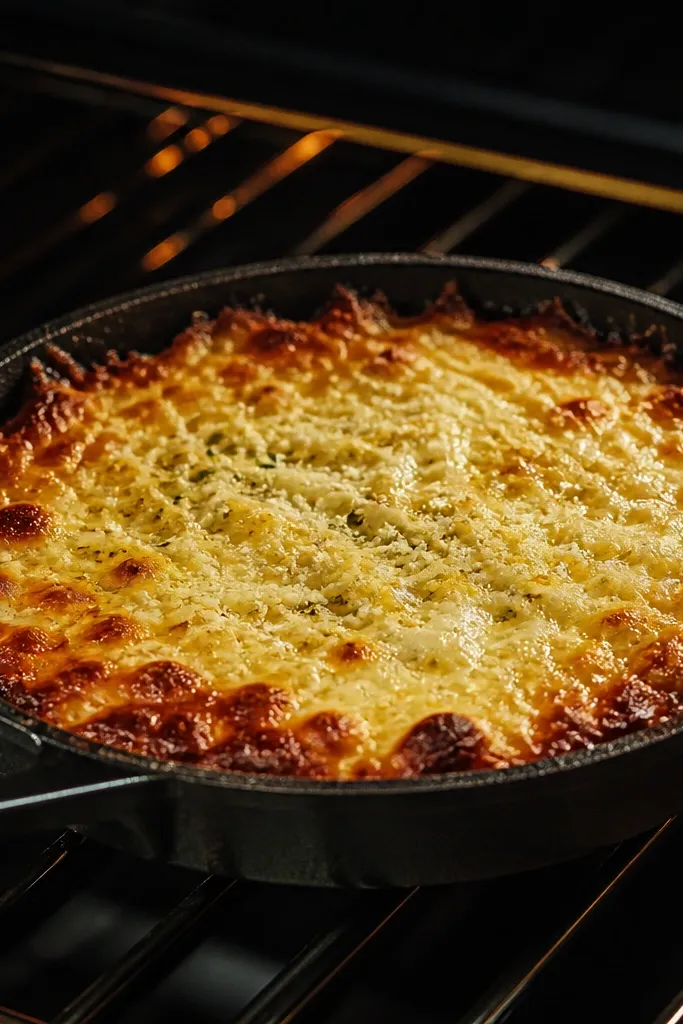
A broil gives you the browned, casserole vibe without baking for an hour. I pile mozzarella and parmesan on top so mozzarella melts into the pasta while parmesan browns into speckles. The contrast - bubbly edges and creamy middle - reads like comfort food in photos and on the plate.
After simmering the pasta, sprinkle mozzarella first, then parmesan on top. Broil on high for 2-4 minutes, watching closely. Stop when the parmesan looks freckled brown, not black.
Try thisTurn on the broiler and position the rack so the skillet sits about 6 inches from the heat.
One warningDon't broil with cold cheese - it browns unevenly and leaves a dry layer.
3. Herby Chicken Pieces with Red Sauce Specks
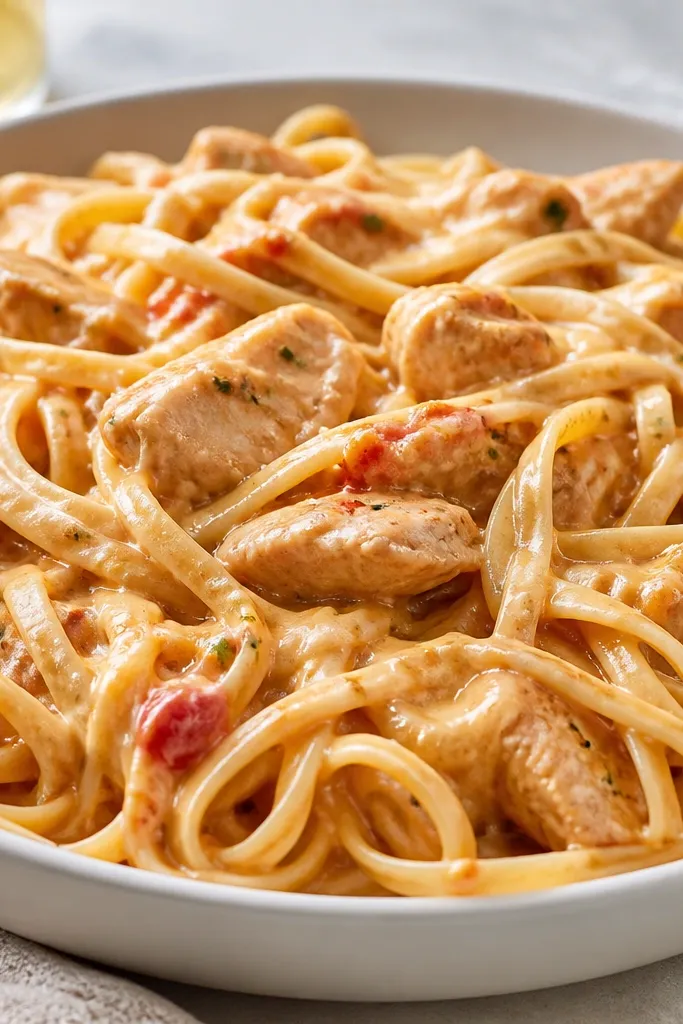
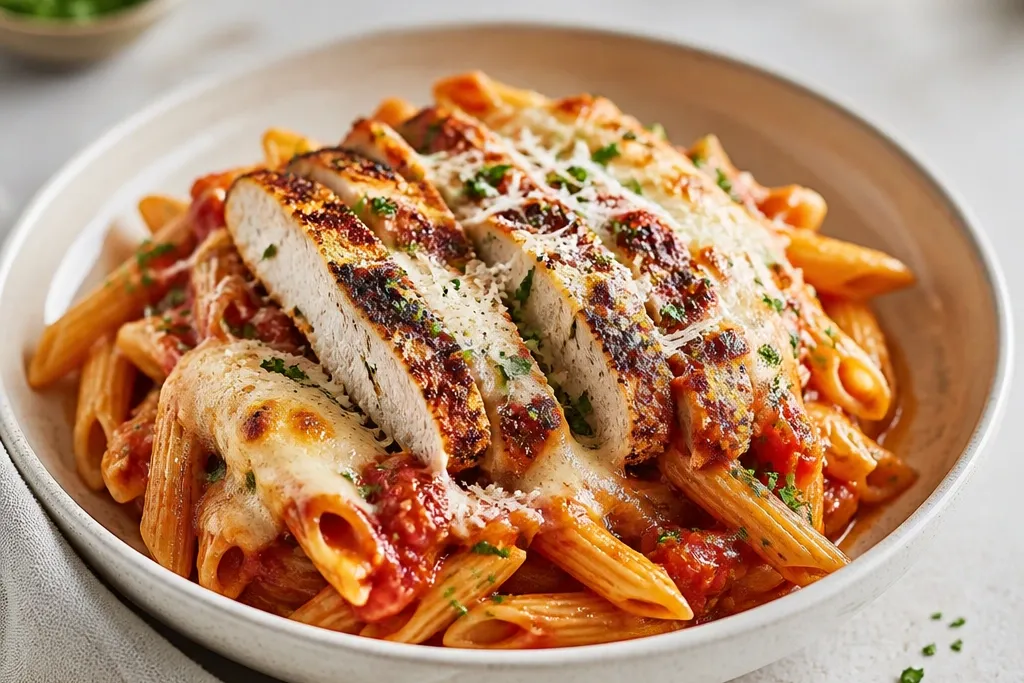
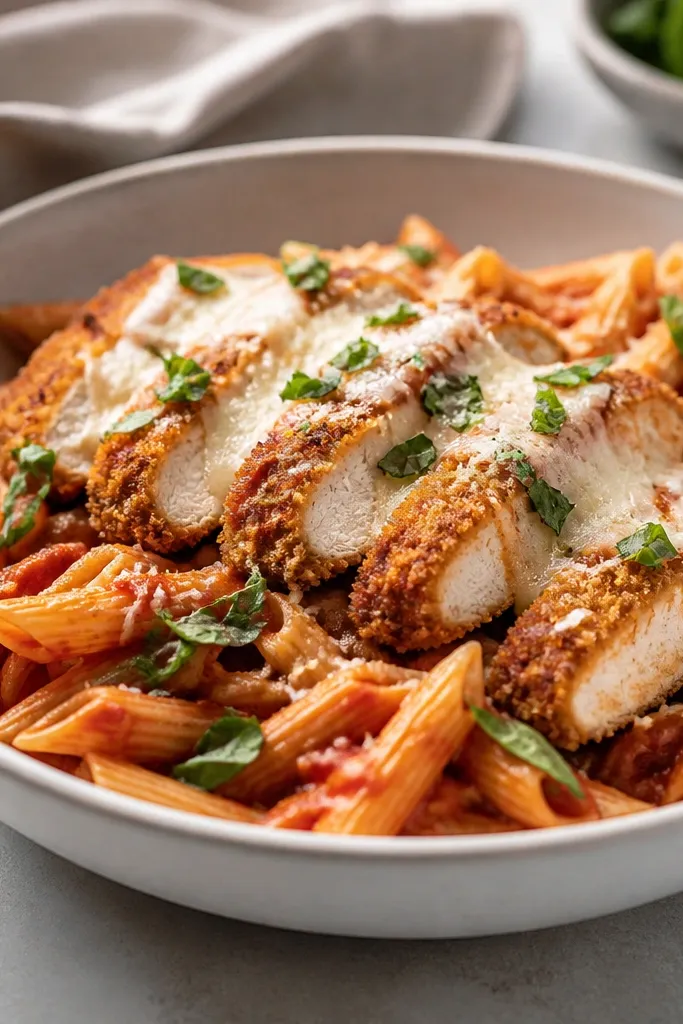
This look is about visible chicken and color contrast. I season chicken with garlic powder, Italian seasoning, and salt before it hits the pan, then finish it with fresh parsley so the green pops against the creamy orange sauce. Red specks from crushed tomatoes make it feel homemade, not bland.
Cut chicken into 1-inch pieces so they cook quickly and stay juicy. Sear until lightly golden, then simmer them in the tomato-cream sauce until just tender. Add chopped parsley right before broiling so it stays green.
Try thisGrate fresh parmesan right on top after broiling for extra speckled texture.
One warningSkip dried parsley - it turns gray and disappears in creamy sauces.
4. Fresh Mozzarella Stretch Layer
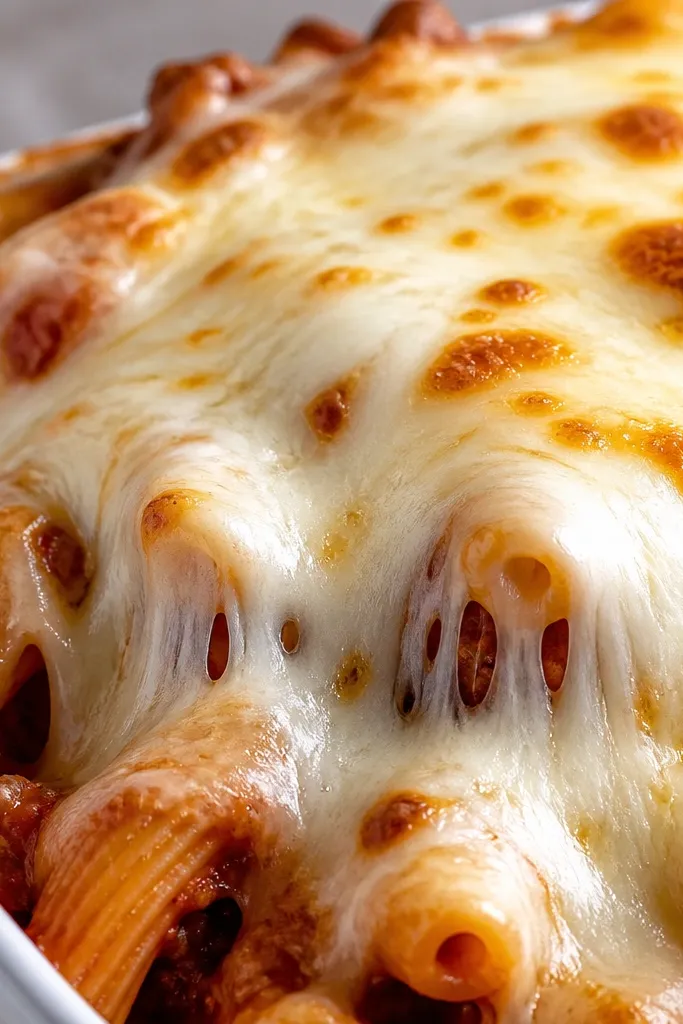
Mozzarella does the stretch, parmesan does the flavor and browning. When you use a good melting mozzarella and broil briefly, the top looks stretchy and moist. You get that classic parmesan-and-mozzarella vibe without needing a separate baking dish.
Use shredded or torn mozzarella and spread it evenly so it covers the whole surface. Broil at the end only, so it doesn't dry out during the simmer. If you want extra stretch, rest the skillet 3 minutes before serving.
Try thisLet it rest so cheese tightens slightly - it stretches better when you scoop.
One warningDon't use low-moisture mozzarella if you want that gooey top.
5. Par-Cooked Pasta That Holds Its Shape
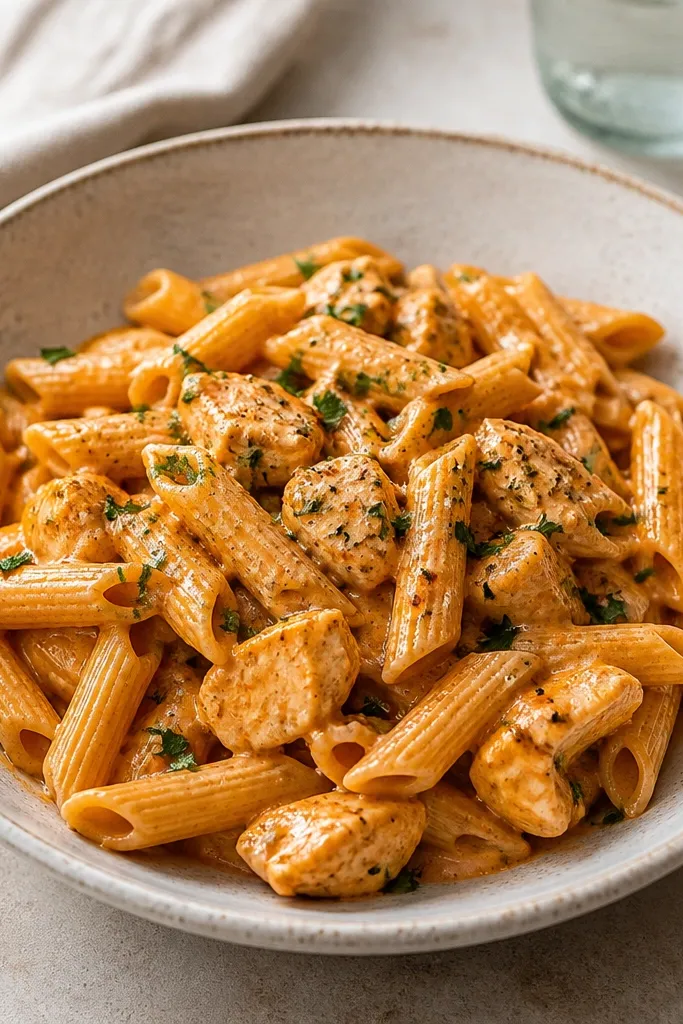
This is what par-cooking buys you: noodles that still look like pasta. When pasta finishes in sauce, the starch helps it cling, but the pieces stay defined. That "restaurant" look comes from shape retention, not heavy thickening.
Choose a pasta with texture like penne rigate or rigatoni. Par-cook in salted water, drain, then toss into the skillet sauce. Simmer until the pasta tastes tender but doesn't fall apart when you press it with a fork.
Try thisTaste one piece at the 8-minute mark. If it's still firm in the center, give it 2 more minutes.
One warningDon't cook pasta fully in the pot first - it will collapse when simmered.
6. Garlic Butter Sizzle Base
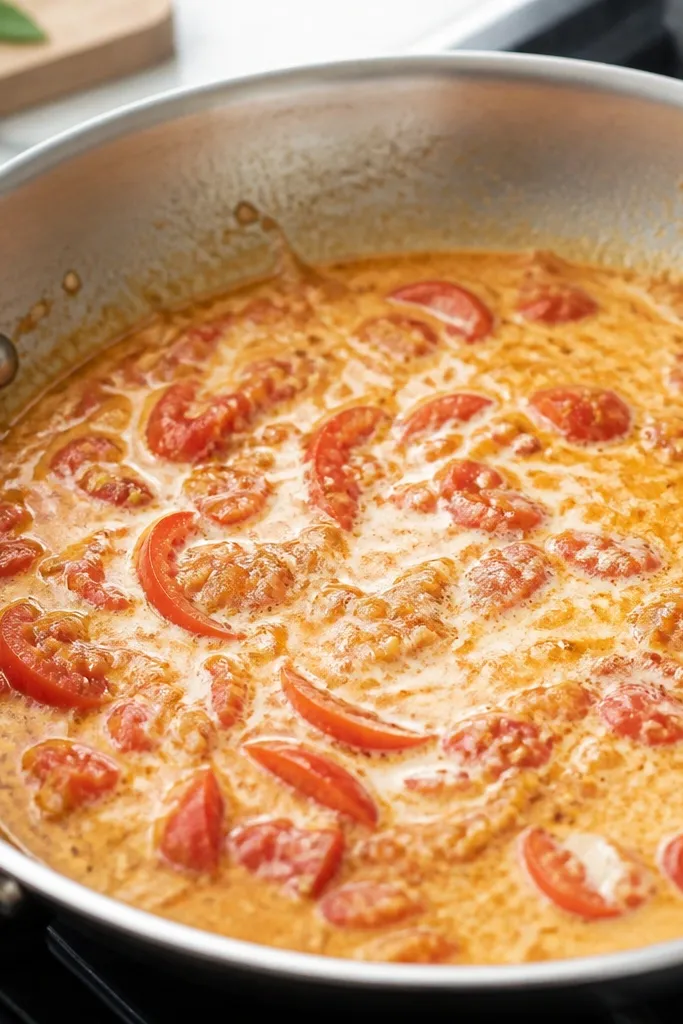
A small amount of butter plus olive oil makes the sauce taste round and warm. The garlic bits add aroma, and the fat helps carry it through the cream. When the sauce starts simmering, it looks like it's emulsified instead of separated.
Sear chicken in a mix of olive oil and a tablespoon of butter. Cook garlic just until fragrant, then add tomatoes and simmer. Stir cream in after tomatoes loosen the pan, keeping heat at a gentle simmer.
Try thisIf garlic browns too fast, lower the heat immediately and add tomatoes right away.
One warningSkip adding cream to scorching garlic - it can taste sharp and split.
7. Lemon-Edge Brightening
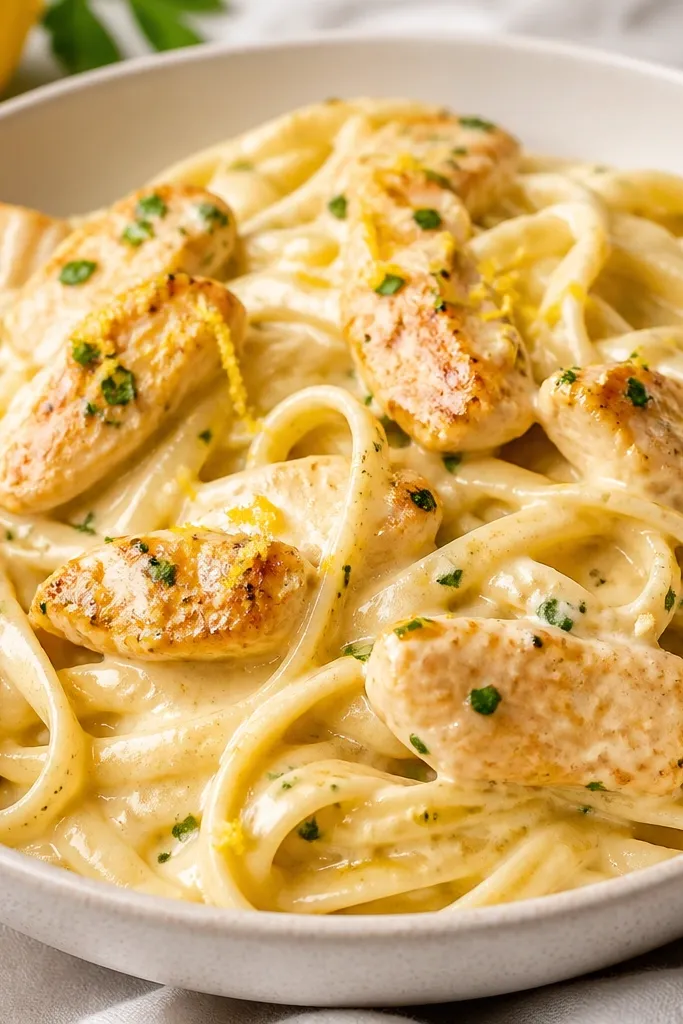
A little lemon zest makes creamy tomato sauce taste less heavy. It also gives a fresh, yellow-green speckled look that reads "fresh" in a photo. You still get creamy comfort, but the flavor doesn't feel one-note.
Zest a lemon over the finished skillet right after broiling. Use a light hand - you want flecks, not a visible dusting. If you have basil, tear a few leaves and scatter them right before serving.
Try thisAdd lemon zest only at the end so it stays fragrant.
One warningDon't pour lemon juice in early - it can dull the dairy flavor.
8. Basil-Leaf Finish for Color Contrast
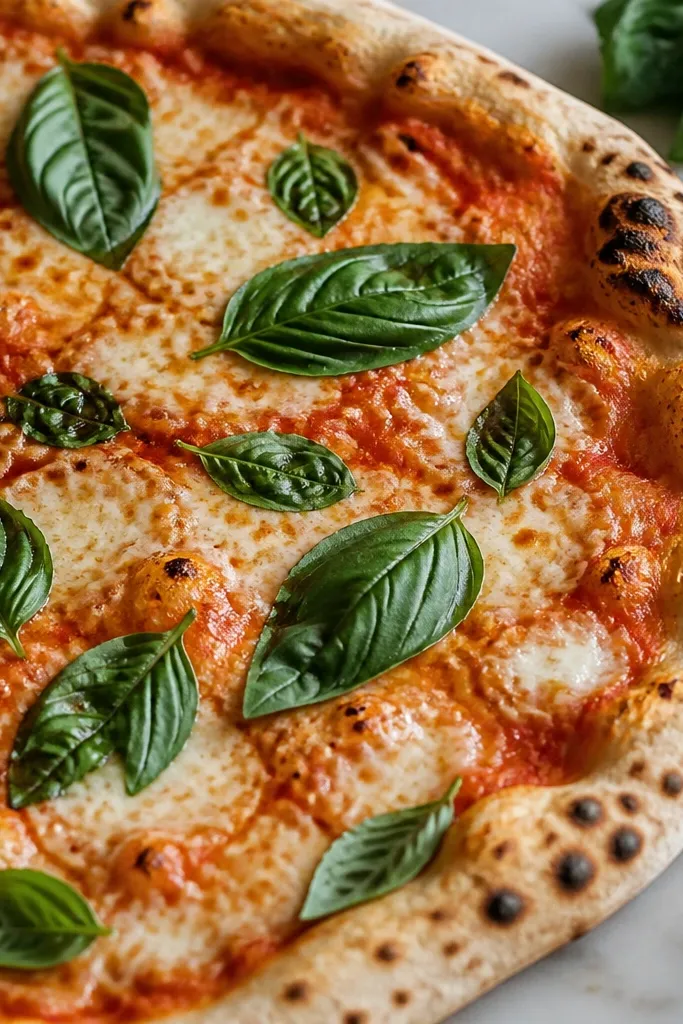
Fresh basil makes the dish look like it came from a home cook who cares. The green against creamy sauce and golden cheese gives you that "real dinner" color balance. Basil also smells strong right when you lift the first scoop.
Tear basil by hand so edges look natural. Add it right after broiling while the cheese is hot but not boiling. Let the heat wilt the basil just a touch, then serve.
Try thisIf basil browns fast, add it to individual plates instead of the whole skillet.
One warningAvoid chopping basil finely - it turns dark and blends into the sauce.
9. Side-Plate Garnish That Looks Intentional
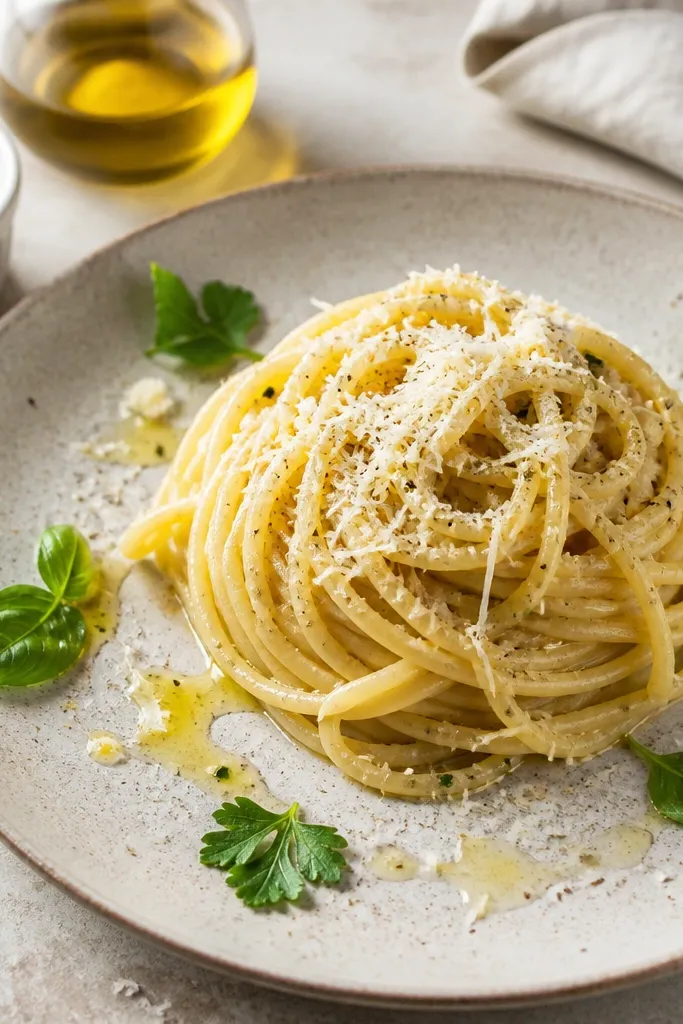
This is how you make a one-pan dish look planned. Extra parmesan in a ramekin lets people add salt and flavor at the table. A tiny olive oil drizzle looks glossy and makes the noodles shine instead of looking dry.
Spoon pasta into bowls, then top each with a small pinch of grated parmesan. Add a few herb leaves around the perimeter. Keep the ramekin small so it looks like a garnish, not a second meal.
Try thisUse flaky salt on the finished plate - it shows as tiny bright crystals.
One warningSkip big piles of cheese that sink - it makes the top look heavy and greasy.