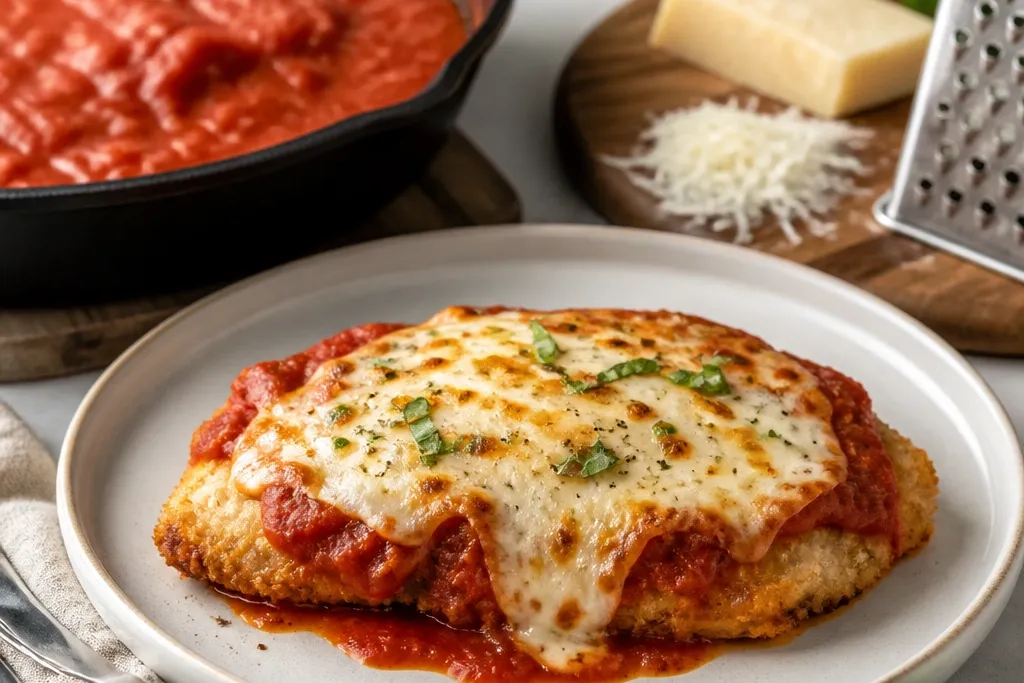
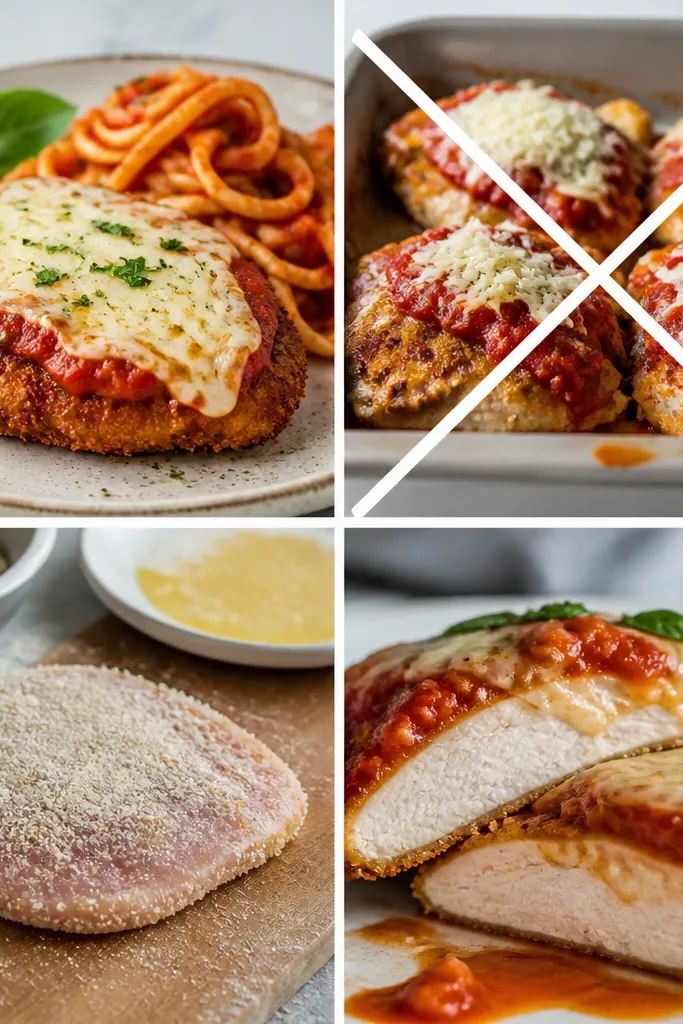
1. Spoon-Coating Tomato Broth with Glossy Red Rim
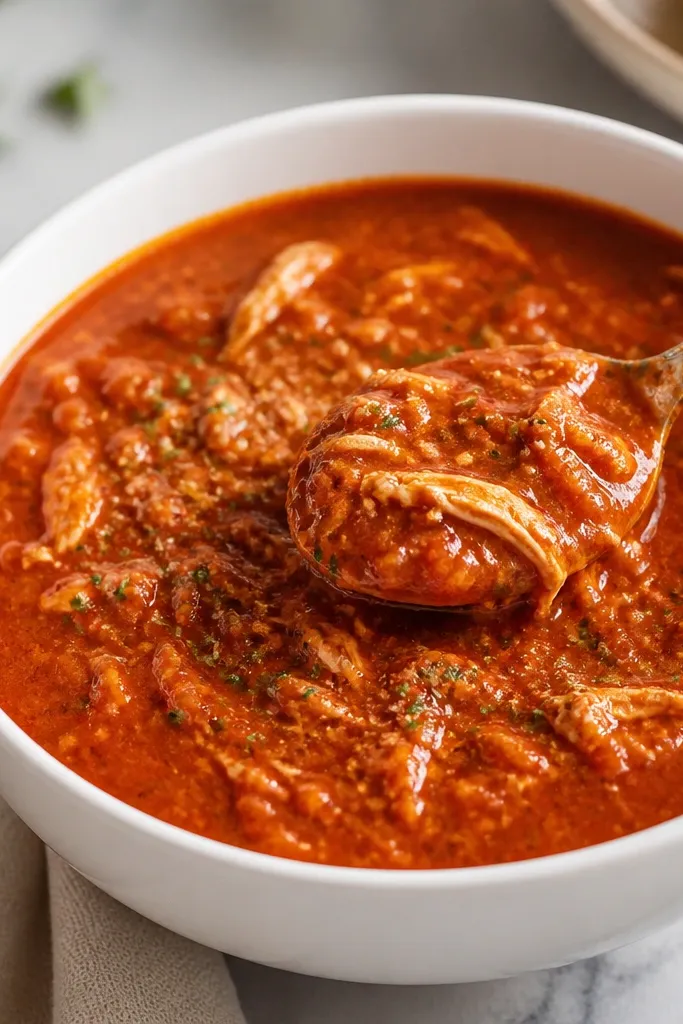
A good chicken parmesan soup looks like it has body - the broth should move slowly when you tilt the bowl. That glossy red rim happens when the tomato base is thickened and cooked just long enough to lose raw edge. Chicken shreds add pale bits that contrast against the red, and parmesan flecks catch light on the surface. The look tells you the texture will be thick, not watery.
Aim for broth that coats the back of a spoon in 5-7 seconds. Use crushed tomatoes plus either a roux or cornstarch slurry so the color stays red and smooth. If you're adding parmesan, grate it fresh and keep the heat low after it goes in.
Try thisSimmer the thickened base for 5 minutes before adding chicken so the sauce tastes cooked, not raw.
One warningSkipping thickening and relying on cheese to thicken makes the soup look thin even after it cools.
2. Golden Broiler Spots on Mozzarella Cap
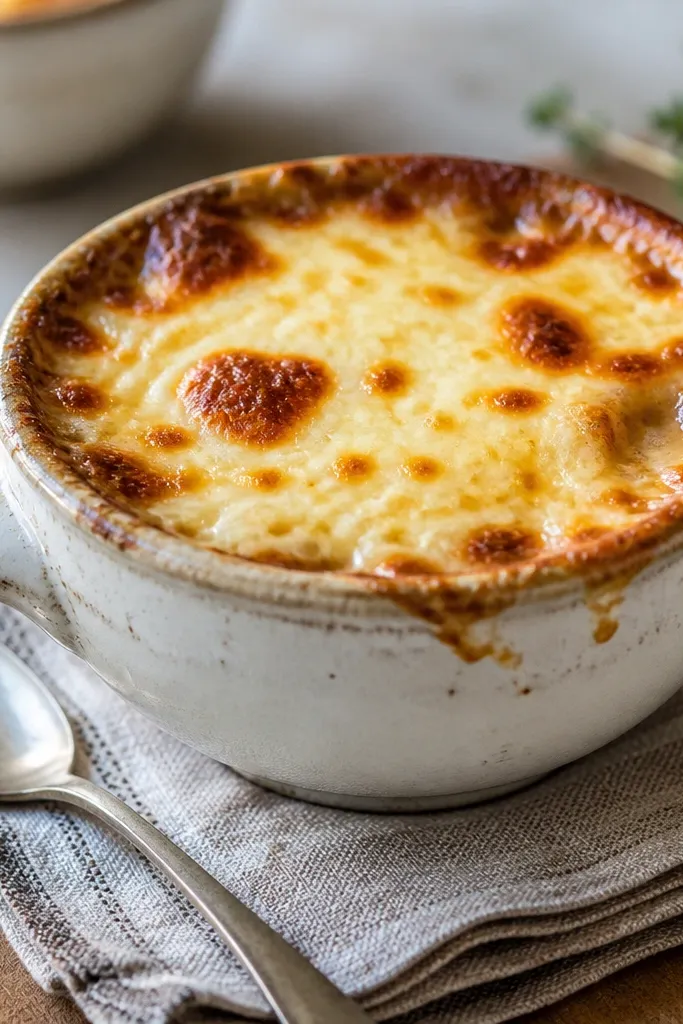
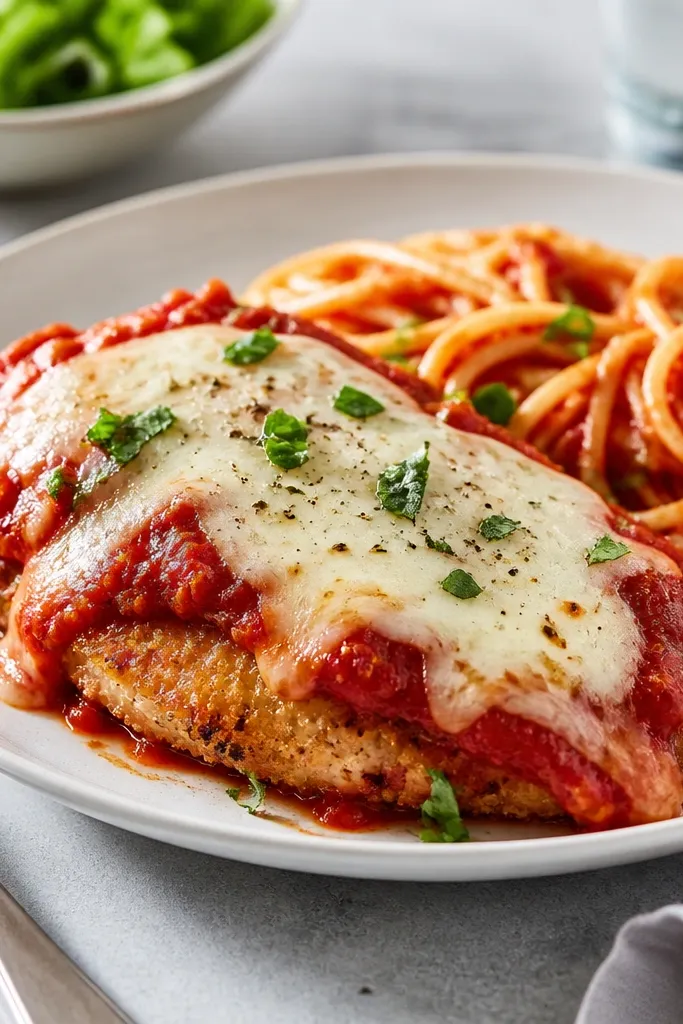
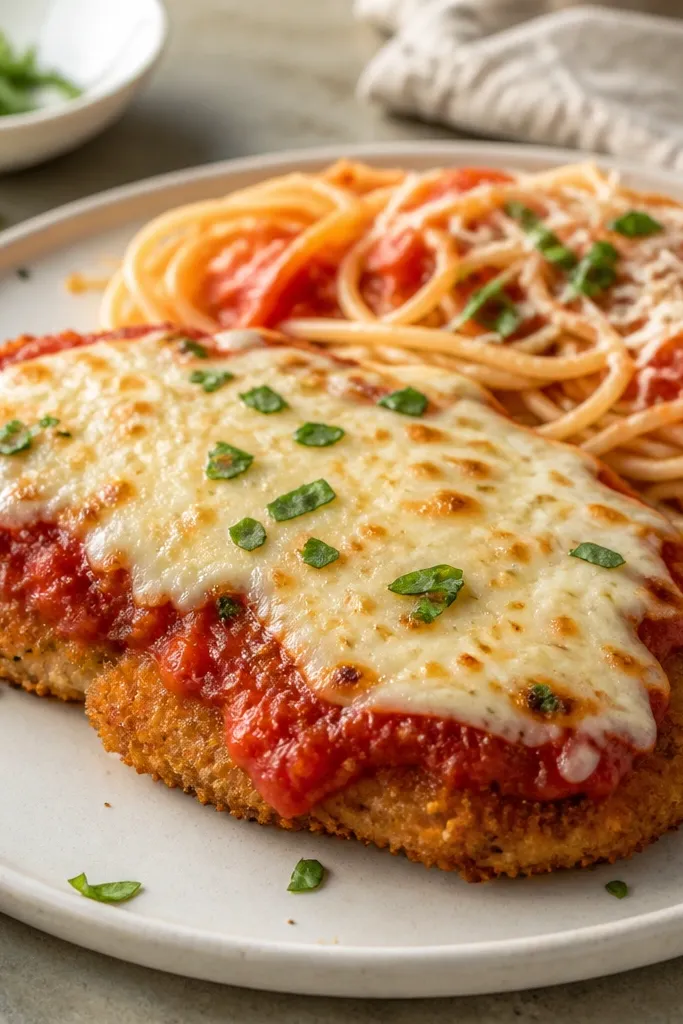
The browned mozzarella spots are the visual cue that the soup tastes like baked chicken parmesan. When mozzarella melts under the broiler, you get bubbled edges and caramelized freckles. Those browned areas add deeper flavor than plain melted cheese. In photos, you can see the difference between stringy cheese pulled from a pot and cheese that baked in place.
Spoon the soup into oven-safe bowls or one large casserole dish. Sprinkle mozzarella over the top in an even layer, then broil 2-4 minutes until you see golden patches. Keep an eye on it - mozzarella goes from perfect to oily fast.
Try thisLet the bowls sit 2 minutes after broiling so the cheese sets and doesn't slide off the surface.
One warningBroiling too long makes the cheese look dark and greasy instead of creamy with browned freckles.
3. Parmesan Snowfall in the Bowl
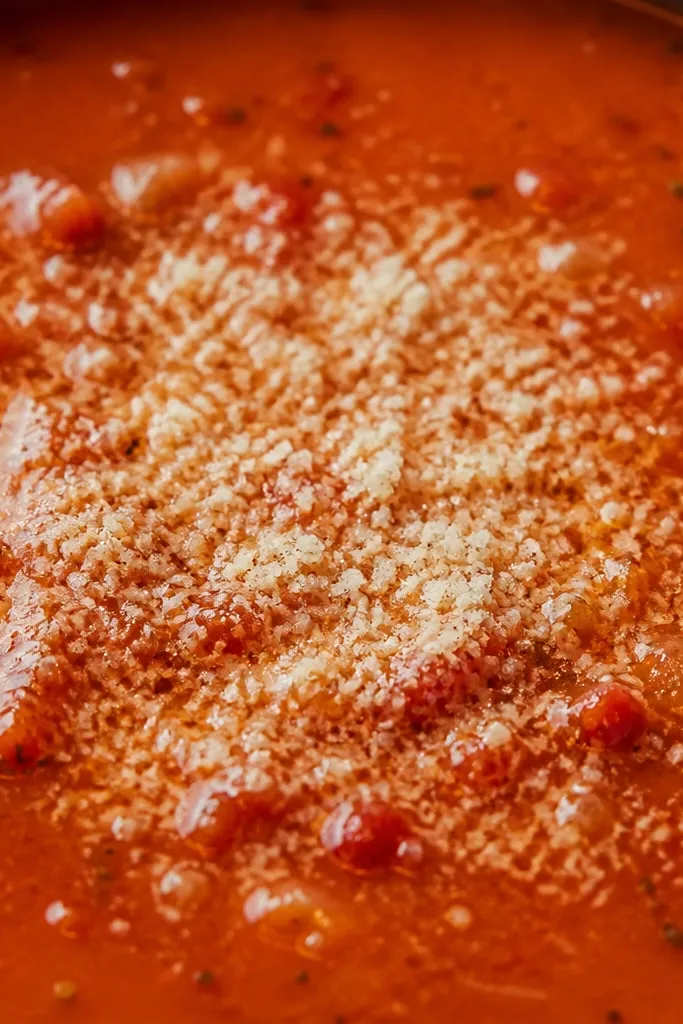
Fine parmesan dust should look like a light snowfall, not clumps. That means you grated it small and added it while the broth was hot but not boiling. As it melts, it creates a subtle creamy halo that makes the soup taste richer without adding a heavy cream texture. It also helps the soup look more "classic" because parmesan is part of the visual identity of chicken parmesan.
Use a microplane or the small holes on a box grater. Stir parmesan in off the heat, then return to low heat for 1-2 minutes. Keep the broth at a gentle simmer, not a rolling boil, so the cheese doesn't go grainy.
Try thisGrate parmesan fresh. Pre-shredded parmesan melts unevenly and looks dull on top.
One warningDumping a big handful of parmesan into boiling soup makes it clump and look gritty.
4. Herb Specks Against Red Sauce
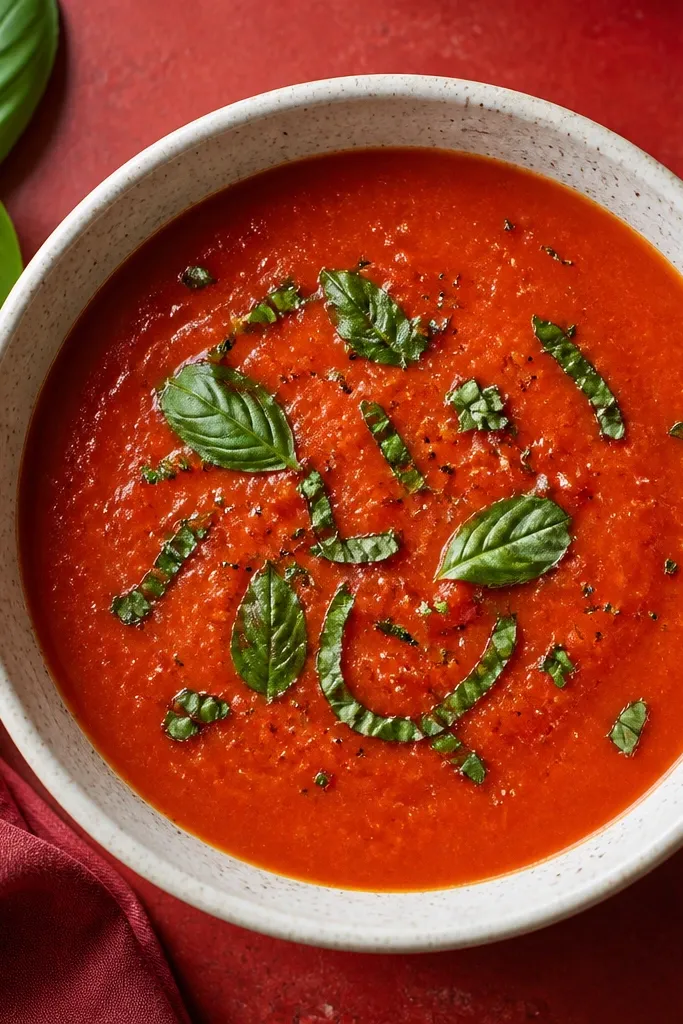
This is the small finishing move that makes it look intentional. Green herb flecks make the red sauce seem fresher and more appetizing, and they add a clean aroma right when you lift the bowl. For chicken parmesan soup, basil and parsley both work. Basil gives sweet, classic Italian perfume; parsley gives a sharper edge that cuts cheese heaviness.
Tear basil leaves with your fingers so the edges look irregular. Sprinkle parsley finely chopped so it sits on top instead of sinking into the broth. Add herbs right before serving so they don't turn dark.
Try thisIf you're using dried oregano, crush it between your palms first. It releases better flavor and looks more evenly speckled.
One warningCooking fresh basil in the pot turns it black-green and makes the top look tired.
5. Shredded Chicken Threads Across the Surface
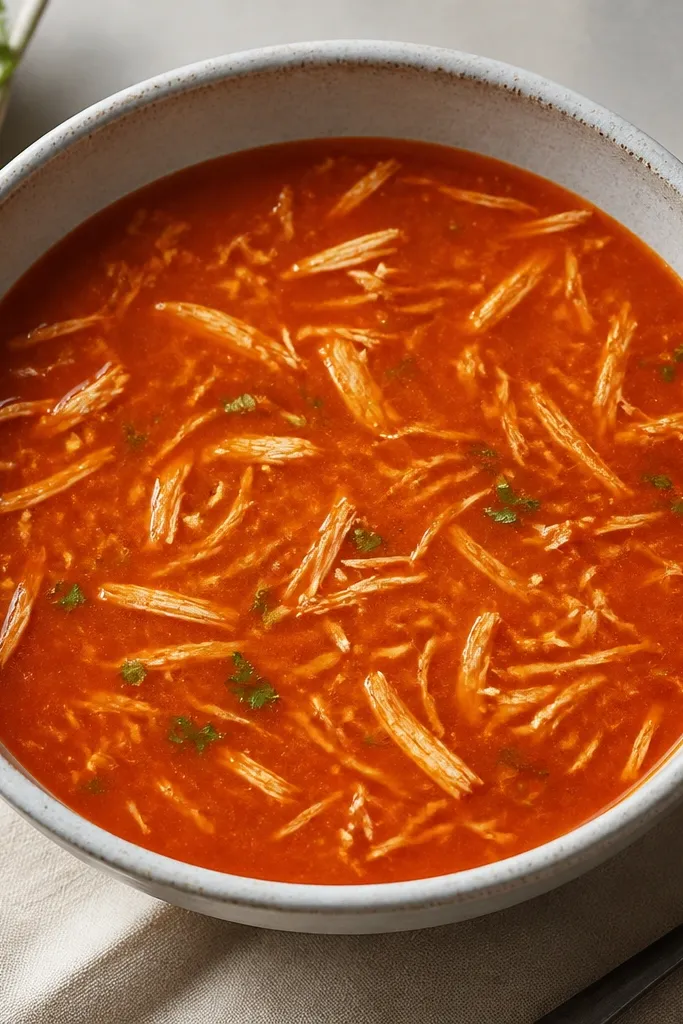
Thin chicken threads make the soup feel like it has real body, not chunks floating around. They also distribute flavor so every spoon has chicken parmesan vibes. When chicken is shredded small, it warms through quickly and stays tender. In a bowl, those pale threads create a natural pattern that looks appetizing.
Shred chicken while it's warm - use two forks and pull in the direction of the grain. For rotisserie chicken, remove skin and bones, then shred until pieces are about the thickness of a spaghetti noodle. Add shredded chicken near the end so it doesn't dry out.
Try thisIf the chicken seems dry, stir in a ladle of hot broth before adding it back to the pot.
One warningLeaving chicken in the soup for the whole simmer can make it chewy and dull-looking.
6. Garlic-Butter Smell on the Base
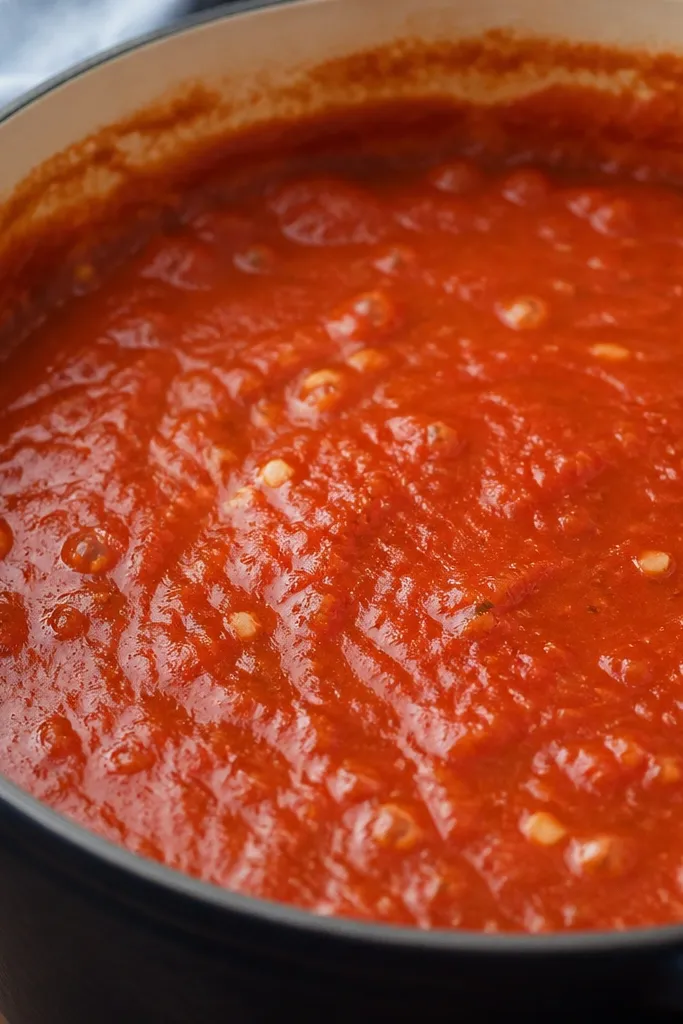
You want the base to smell like garlic butter meeting tomatoes. I start with butter, then cook garlic briefly so it smells sweet, not sharp. That aroma shows up even after you add chicken and cheese. It also helps the soup taste like the classic chicken parmesan sauce, not just generic marinara.
Melt butter, cook minced garlic 30-60 seconds, then add tomato paste if you're using it. Stir until paste darkens slightly, then pour in crushed tomatoes. Keep the heat steady and stir so the sauce thickens evenly.
Try thisUse a wooden spoon to scrape the bottom when you add tomatoes - browned bits dissolve into the sauce fast.
One warningBurnt garlic smells bitter and makes the whole pot taste off even if everything else is perfect.
7. Crumbled Crispy Breadcrumb Texture on Top
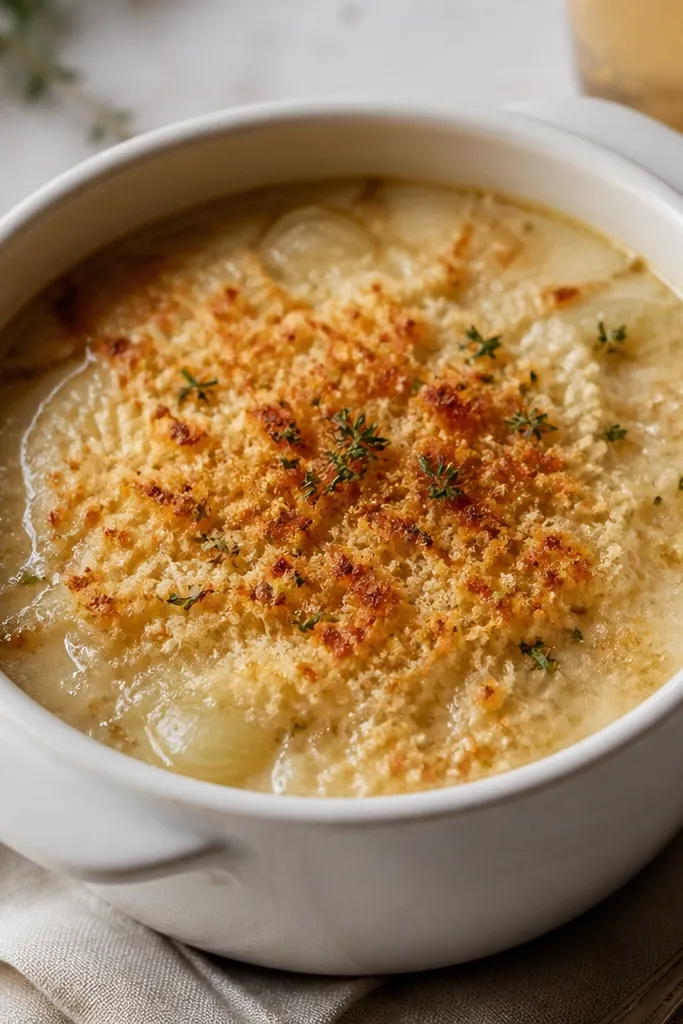
Breadcrumbs give you the crunch that classic chicken parmesan has from breading. In soup, you don't want a thick breaded chunk, just a light crunch layer. Toasted breadcrumbs also look golden against the red and white, making the bowl feel more like a finished dish. The texture contrast is what makes people ask for the recipe.
Toast breadcrumbs in a little olive oil until they're golden, then cool slightly. Sprinkle over the mozzarella after broiling or right after broiling while the cheese is still tacky. Use panko for bigger crunch pieces.
Try thisSprinkle breadcrumbs right before eating so they stay crisp.
One warningAdding breadcrumbs to the pot makes them go soft and makes the soup look muddy.
8. Light Cream Swirl Without a Dairy Split
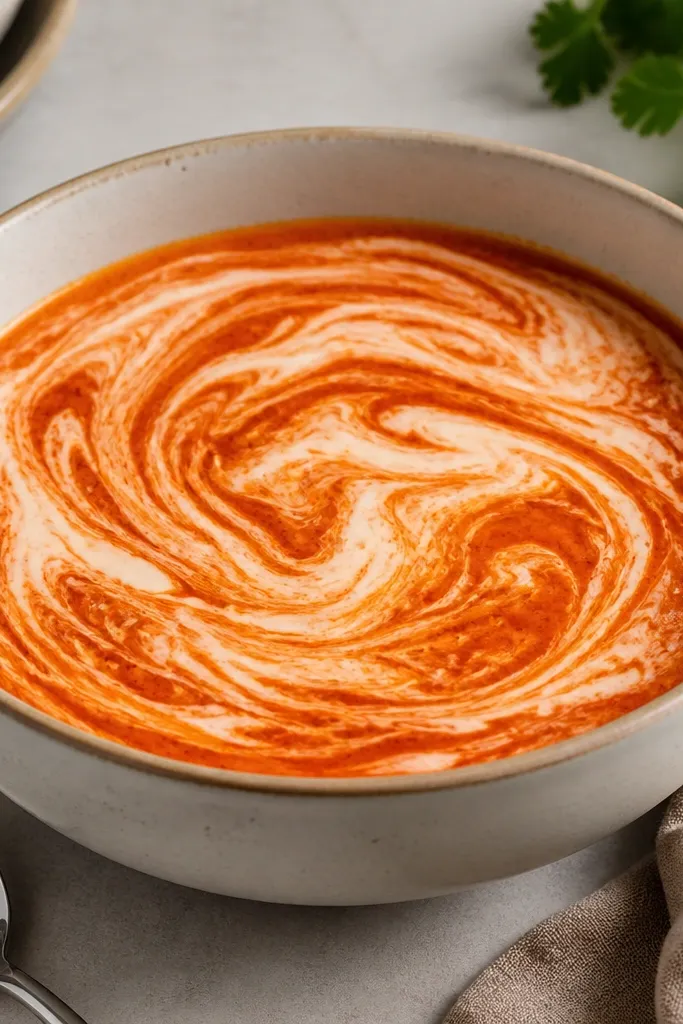
A small dairy swirl makes the soup taste closer to baked parmesan sauce. The trick is adding dairy off the boil and keeping the heat gentle so the mixture stays smooth. When it's done right, you see thin pale streaks rather than white curds. That look tells you the soup is creamy without being greasy.
If you use cream or milk, stir it in after thickening and off the heat. Return to low heat for 2-3 minutes, stirring constantly. If it starts to steam hard, take it off the heat.
Try thisUse full-fat dairy for smoother texture. Low-fat milk can look thinner and less glossy.
One warningBoiling after adding dairy makes cheese taste gritty and makes the top look patchy.