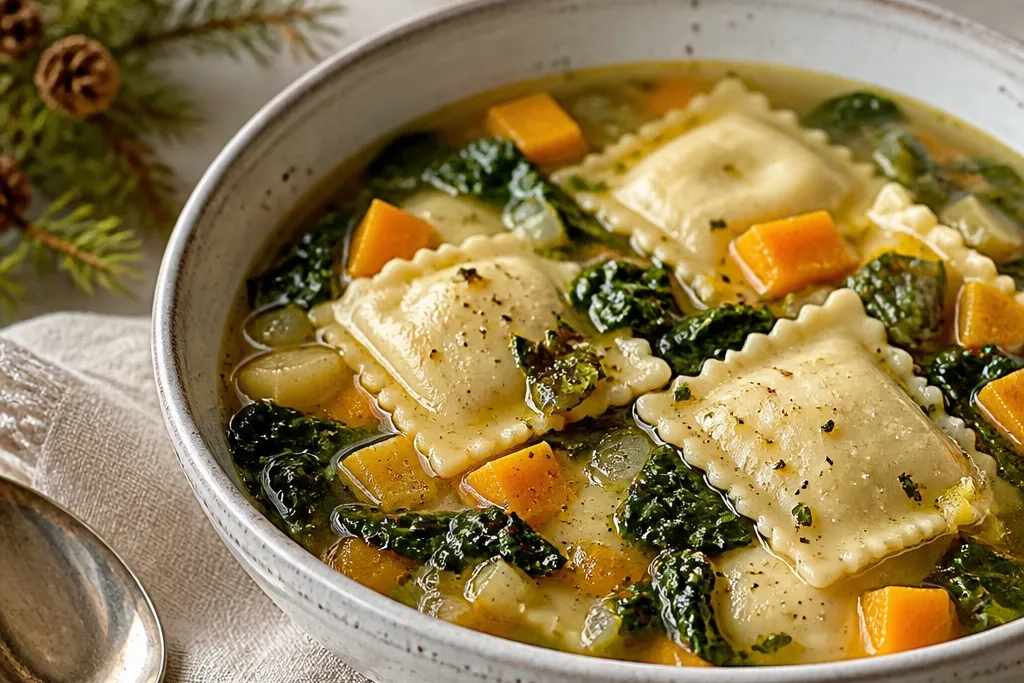
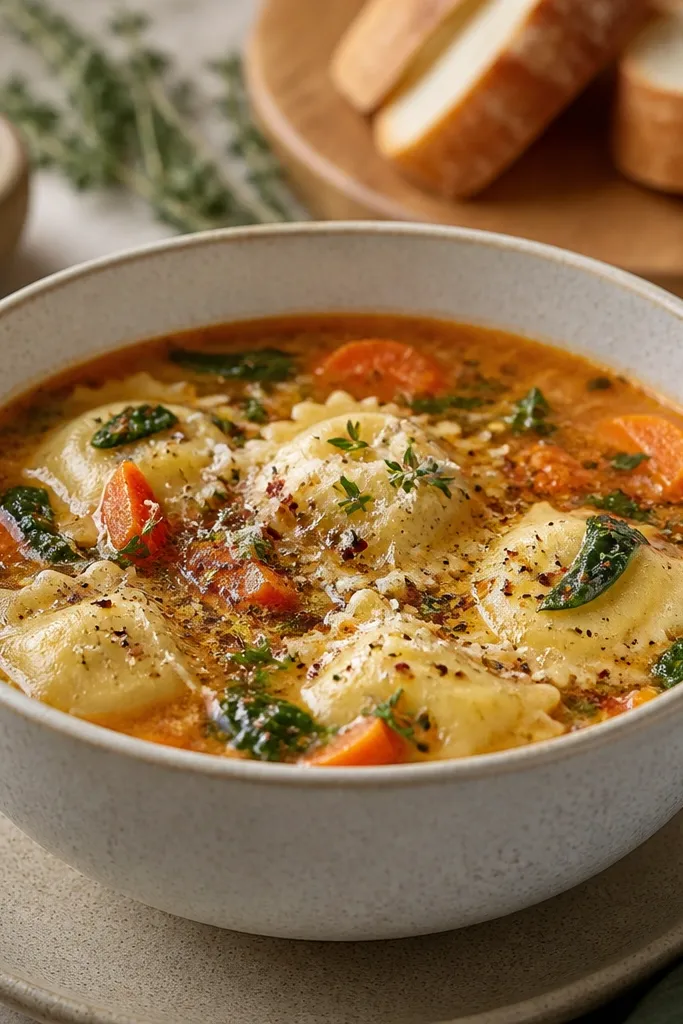
1. Browned butter sage parmesan pour
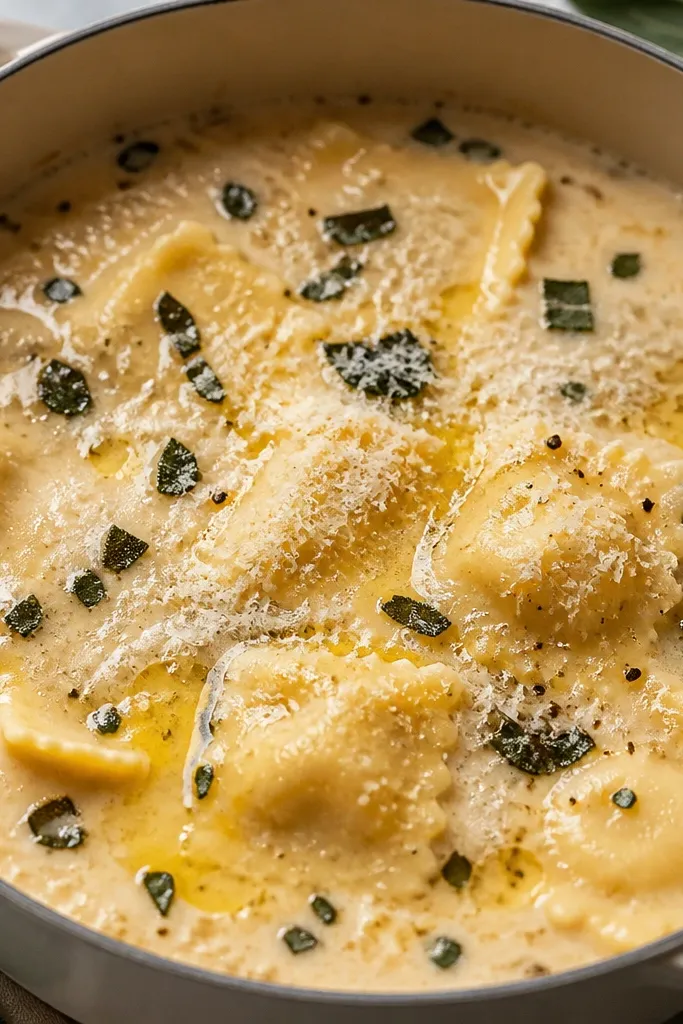
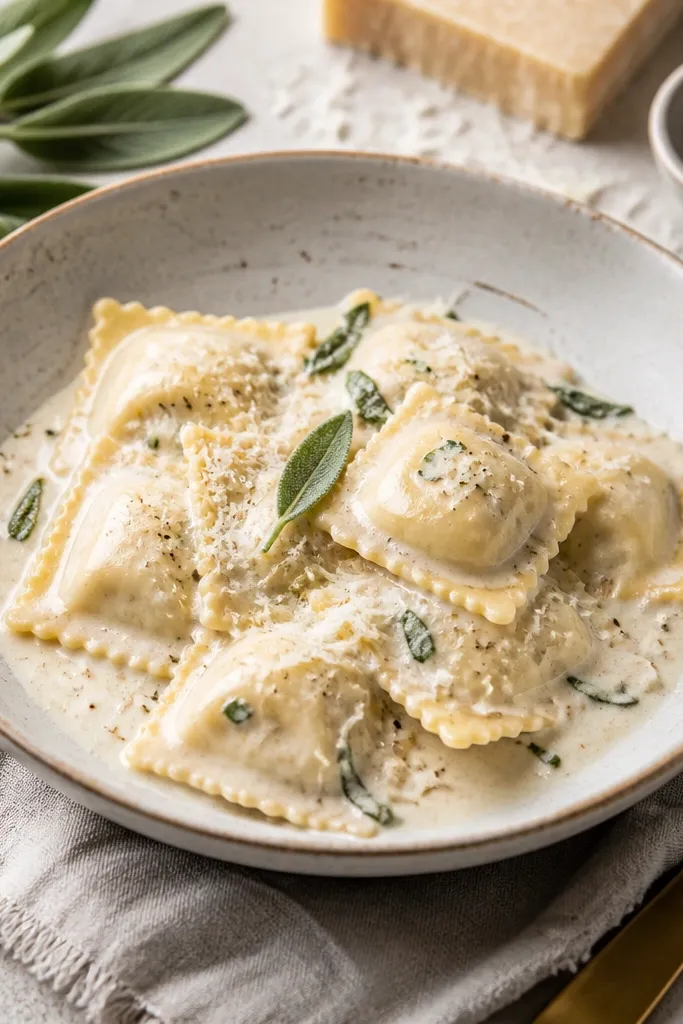
This sauce makes the soup look richer because browned butter adds a warm amber color and a deeper aroma. Sage gives green specks and a piney herbal note that pairs with cheese filling. Parmesan stirred in at the end makes the surface slightly glossy so the ravioli looks coated. The end result feels cozy without tasting heavy.
In a saucepan, melt 4 tablespoons butter and cook until you see nut-brown bits at the bottom and smell toasted. Stir in 1 tablespoon chopped fresh sage (or 1 teaspoon dried) and 1/2 teaspoon black pepper. Add 1 to 1 1/2 cups chicken or vegetable broth and simmer 3 minutes, then turn off heat and whisk in 1/2 cup grated parmesan.
Try thisAdd a splash of pasta water or a tablespoon of hot broth to loosen the sauce right before you add ravioli.
One warningSkipping browning and going straight to melted butter makes the flavor taste flat and pale.
2. Roasted garlic tomato cream swirl
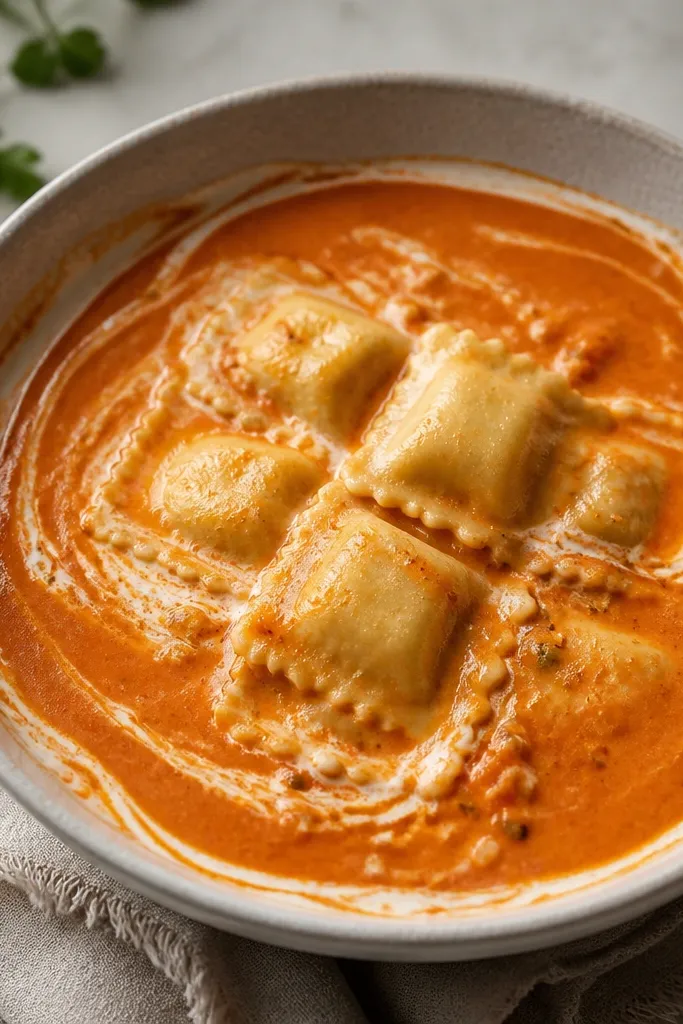
Roasting garlic turns sharp into sweet, so the tomato cream tastes rounded instead of acidic. The cream cuts the tomato edge and makes the ravioli filling taste more buttery. This one looks great too - you get a marbled surface when you pour cream in slowly. It tastes like something you'd order when it's cold outside.
Roast 1 whole head of garlic at 400°F for about 35-40 minutes until cloves are soft. Squeeze into a pot with 1 tablespoon olive oil and cook 30 seconds. Add 2 cups crushed tomatoes, 1/2 teaspoon salt, and simmer 10 minutes. Lower heat and stir in 1/2 cup heavy cream off-heat, then add ravioli gently in the last 4-6 minutes.
Try thisUse crushed tomatoes, not tomato sauce - the texture holds up better after cream is added.
One warningAdding cream to a hard boil can make it taste grainy and separate.
3. Marinara with ricotta melt
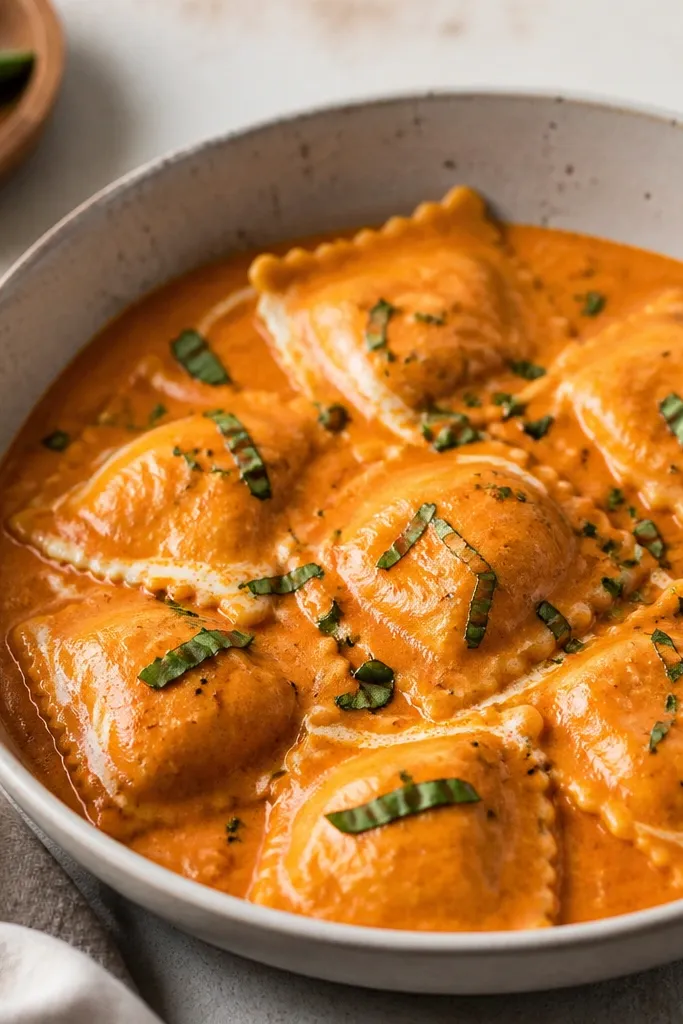
Ricotta melts into the marinara and gives body without making it taste like plain cream. It also softens tomato acidity, so the cheese flavor reads louder. The sauce thickens as it heats, so each ravioli bite feels substantial. This is the "I want it hearty" option that still tastes clean.
Warm 2 tablespoons olive oil in a pot and sauté 1 diced shallot for 4-5 minutes. Stir in 3 cups marinara and simmer 8 minutes. In a bowl, mix 3/4 cup ricotta with 1/4 cup hot marinara until smooth, then pour it back in and simmer 2-3 minutes. Add cheese ravioli and cook gently until tender.
Try thisMix ricotta with hot sauce first so you don't end up with curds floating on top.
One warningDumping ricotta straight into boiling sauce makes lumpy pockets.
4. Lemon-herb olive oil parmesan finish
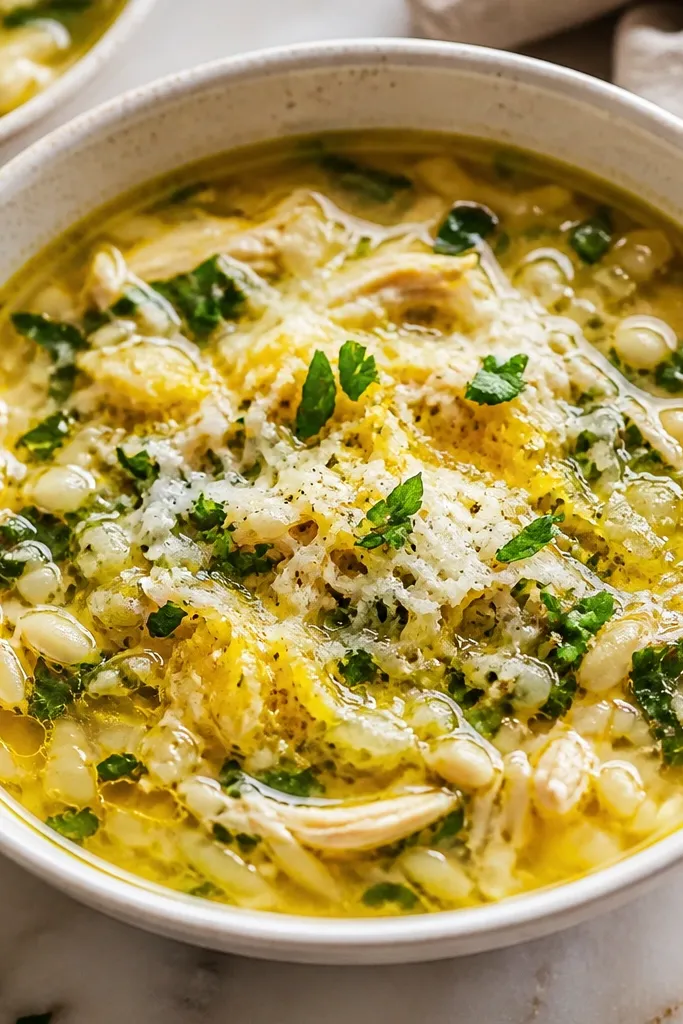
This sauce is my go-to when I want the cheese ravioli to taste fresh instead of heavy. Lemon zest and juice bring a clean edge that keeps the soup from tasting dull. Olive oil adds silk and a shiny surface so ravioli look glossy rather than submerged. Parmesan at the end thickens the broth slightly and keeps it tasting rich.
In a bowl, mix 3 tablespoons olive oil, zest of 1 lemon, 1 tablespoon lemon juice, and 2 tablespoons chopped parsley. Warm 2 cups broth in a pot and simmer 3 minutes, then turn off heat. Stir in 1/3 cup grated parmesan until smooth. Add cooked ravioli, then drizzle the lemon oil over each bowl.
Try thisAdd the lemon oil after you ladle, not in the pot, so the zest stays bright.
One warningUsing bottled lemon juice without zest - it tastes thin and flat.
5. Creamy mushroom thyme sauce
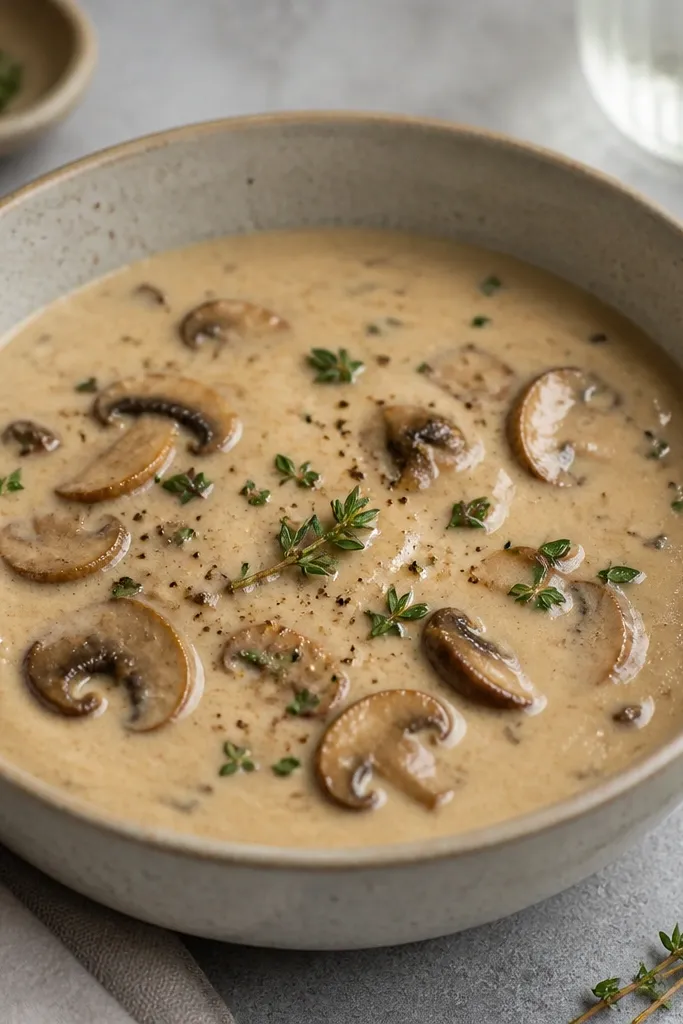
Mushrooms add umami and make the soup taste like it has more ingredients than it does. Thyme brings a warm evergreen herb note that works year-round. The sauce reduces so it clings to the ravioli - you get a spoonful that feels thick, not watery. This one is a comfort pick that still tastes grown-up.
Sauté 12 ounces sliced mushrooms in 2 tablespoons butter and 1 tablespoon olive oil until browned, 8-10 minutes. Add 2 minced garlic cloves and cook 30 seconds. Pour in 1 1/2 cups broth and simmer 6 minutes, then stir in 1/2 cup cream off-heat. Add thyme (1/2 teaspoon dried or 1 teaspoon fresh) and cook ravioli gently in the sauce.
Try thisDon't crowd the mushrooms. If the pan steams, you lose browning and the sauce tastes flat.
One warningSkipping the browning step makes the soup taste like watery mushrooms.
6. Spicy arrabbiata with chili oil
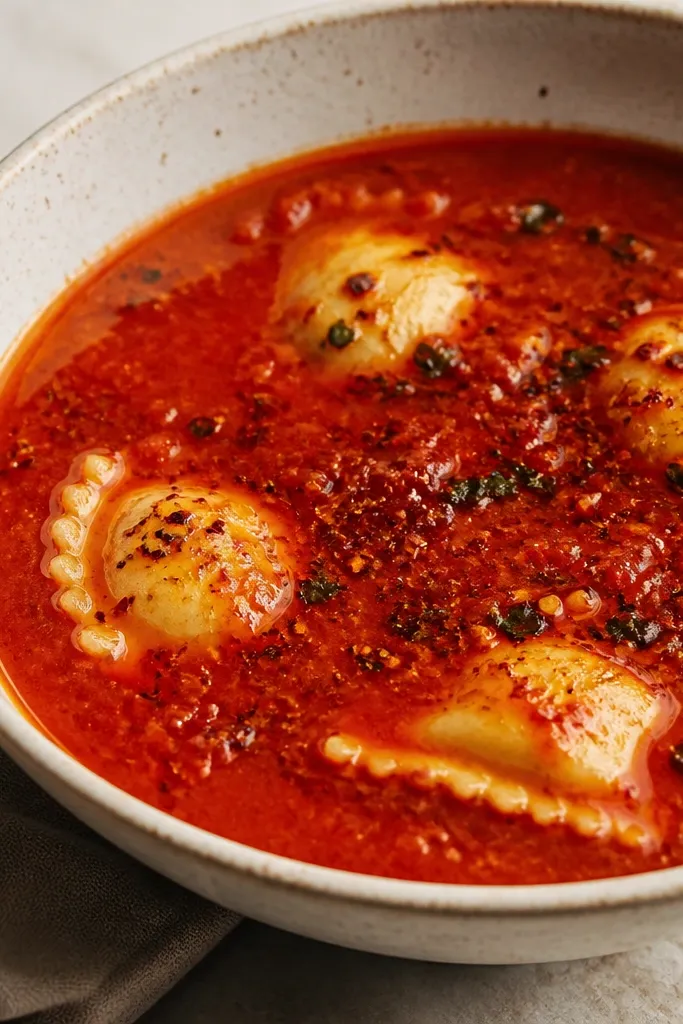
Heat helps cheese taste richer because it wakes up the palate. Arrabbiata gives tomato punch and a thick base, while chili oil adds a shiny, lingering spice. This sauce looks dramatic in a bowl because the oil floats in little swirls. It's the best option when you want savory heat without a harsh burn.
In a pot, warm 2 tablespoons olive oil and sauté 1 minced garlic clove for 20 seconds. Add 2 1/2 cups crushed tomatoes, 1/2 teaspoon salt, and 1/2 teaspoon chili flakes. Simmer 12 minutes until thick. Turn off heat and stir in 2 tablespoons chili oil, then add ravioli and cook gently 4-6 minutes.
Try thisTaste before adding ravioli and adjust salt. The heat will mute slightly once ravioli goes in.
One warningAdding chili oil while it's boiling can make the flavor taste oily and bitter.
7. Sage cream pan sauce with parmesan crust
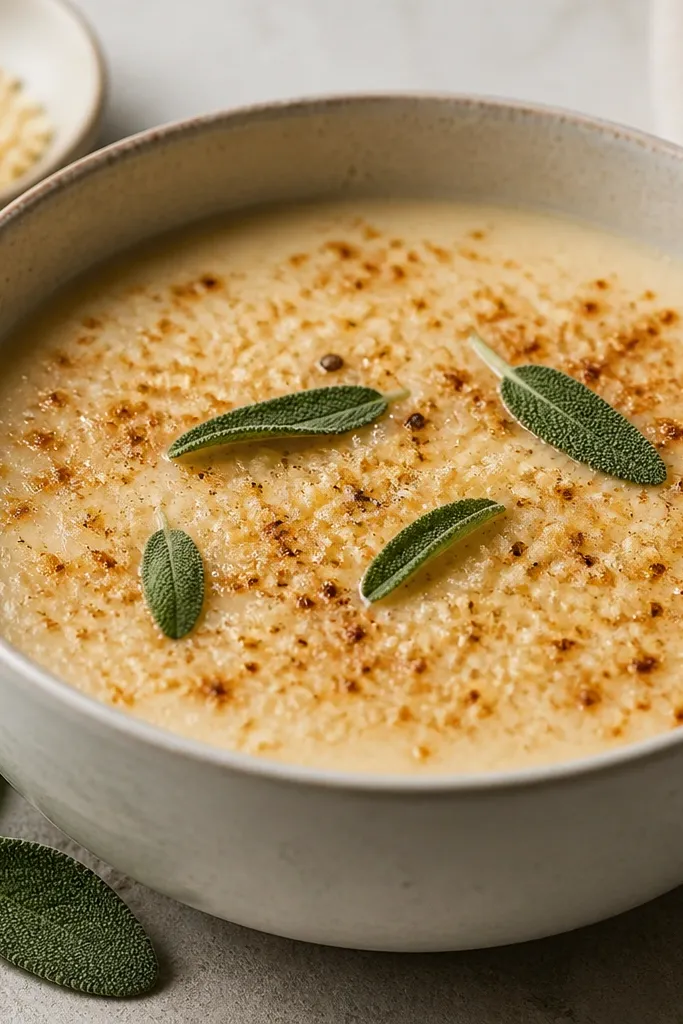
This is the sauce I make when I want the soup to have a little "crusty" texture in every spoon. The parmesan browns slightly in the pan and then melts into the broth, so you get flavor depth. Sage keeps it evergreen and savory. It also photographs well because the surface has warm golden specks.
Melt 3 tablespoons butter in a saucepan and stir in 1 tablespoon chopped sage. Add 2 cups broth and bring to a simmer. Sprinkle in 1/2 cup parmesan gradually while stirring until it starts to cling and thicken. Turn off heat, add ravioli gently, and wait 3-4 minutes so the cheese finishes melting.
Try thisAdd parmesan in small handfuls so it melts smoothly instead of clumping.
One warningUsing pre-shredded parmesan with cellulose can keep it from melting silky.
8. Herby white sauce with roasted shallot
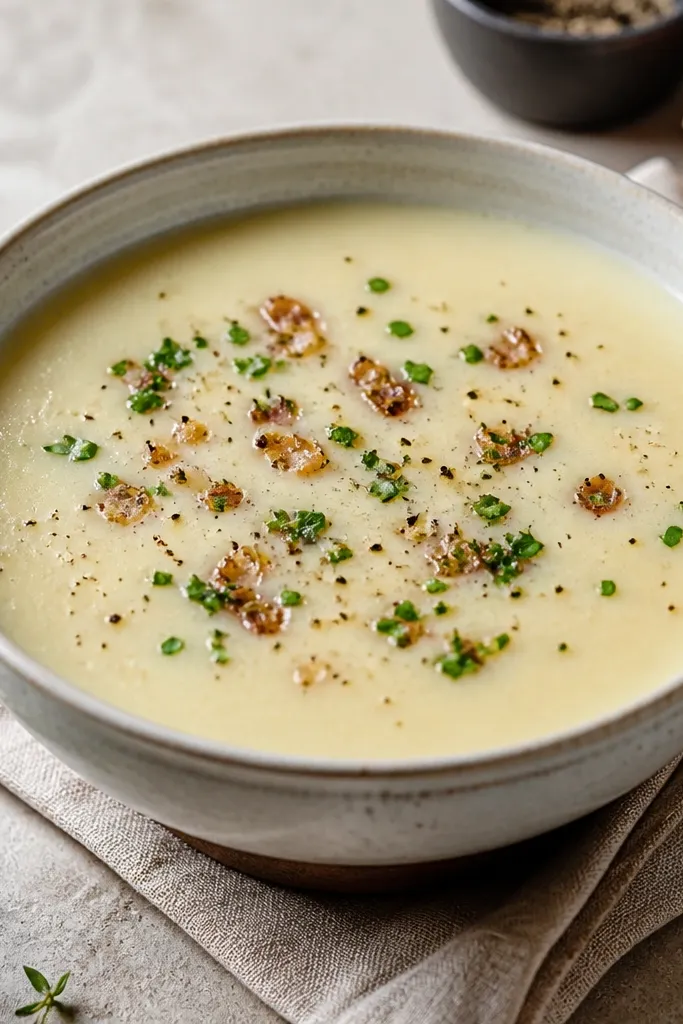
Roasting shallots gives a sweet onion flavor that feels rich without tomato. The white base lets the cheese ravioli taste buttery and comforting. Herbs on top - parsley and chives - keep the whole bowl from feeling bland. This is a winter-to-spring bridge sauce when you're craving cozy but not heavy.
Roast 2 shallots cut in half at 425°F for 20-25 minutes until soft and browned. Mash them into a pot with 2 tablespoons butter and 1 tablespoon olive oil. Add 2 cups broth and simmer 8 minutes. Stir in 1/2 cup sour cream or crème fraîche off-heat, then season with salt, pepper, and chopped chives.
Try thisCrème fraîche stays smooth. If you use sour cream, keep heat low so it doesn't split.
One warningAdding sour cream directly to boiling broth causes grainy texture.
9. Tomato basil butter with parmesan fog

This sauce is a cheat that tastes like it took longer. Tomato basil gives classic comfort, and butter rounds the acidity so the soup tastes smoother. Parmesan melts into the broth and makes that "foggy" creamy look in the middle of the pot. It's great for cheese ravioli because it doesn't overpower the filling.
Simmer 2 1/2 cups crushed tomatoes with 1/2 teaspoon salt and 1/2 teaspoon sugar for 10 minutes. Turn off heat, whisk in 2 tablespoons butter until glossy. Stir in 1/3 cup parmesan until you see the haze thicken. Add cooked ravioli and fresh basil just before serving.
Try thisAdd basil at the end. Cooked basil tastes dull and dark.
One warningSkipping sugar entirely makes the tomato taste sharp against cheese.