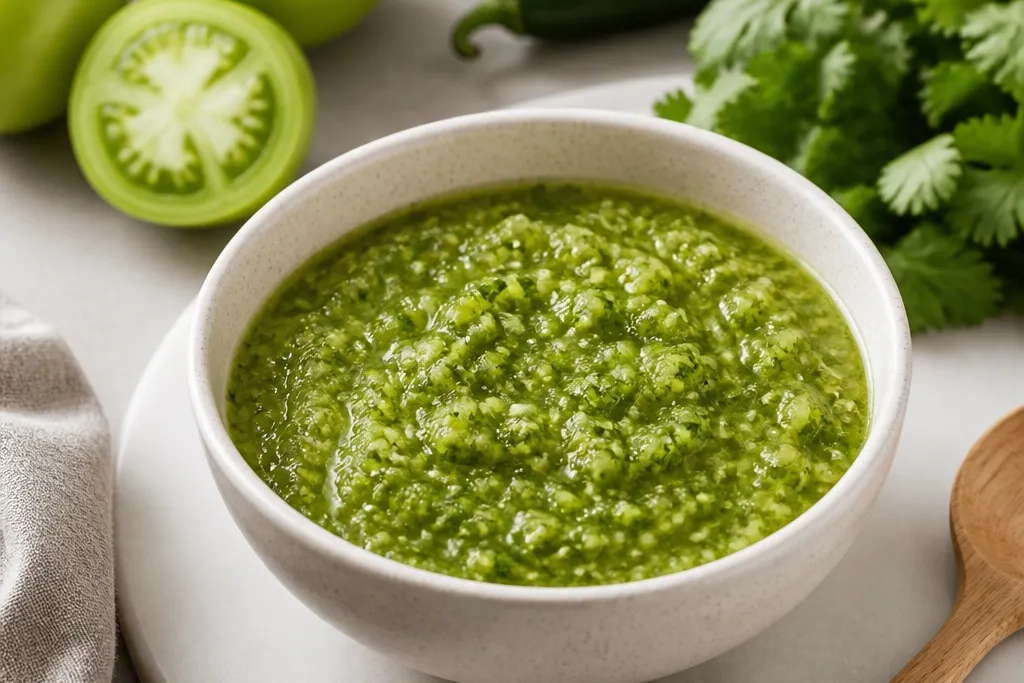
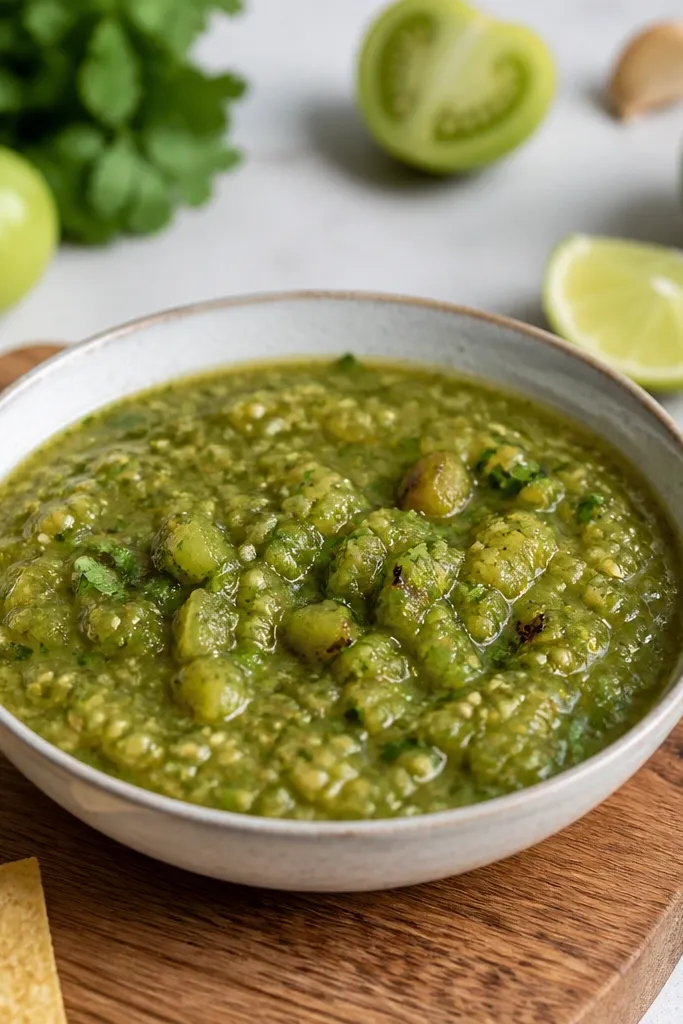
1. Charred Green Tomato Salsa Verde Bowl
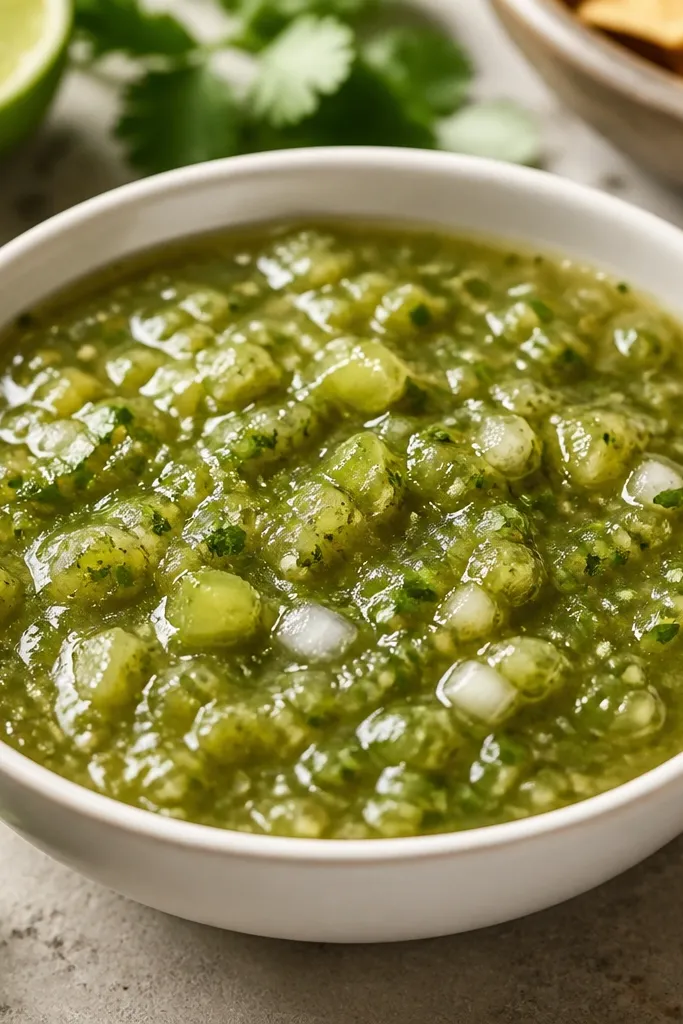
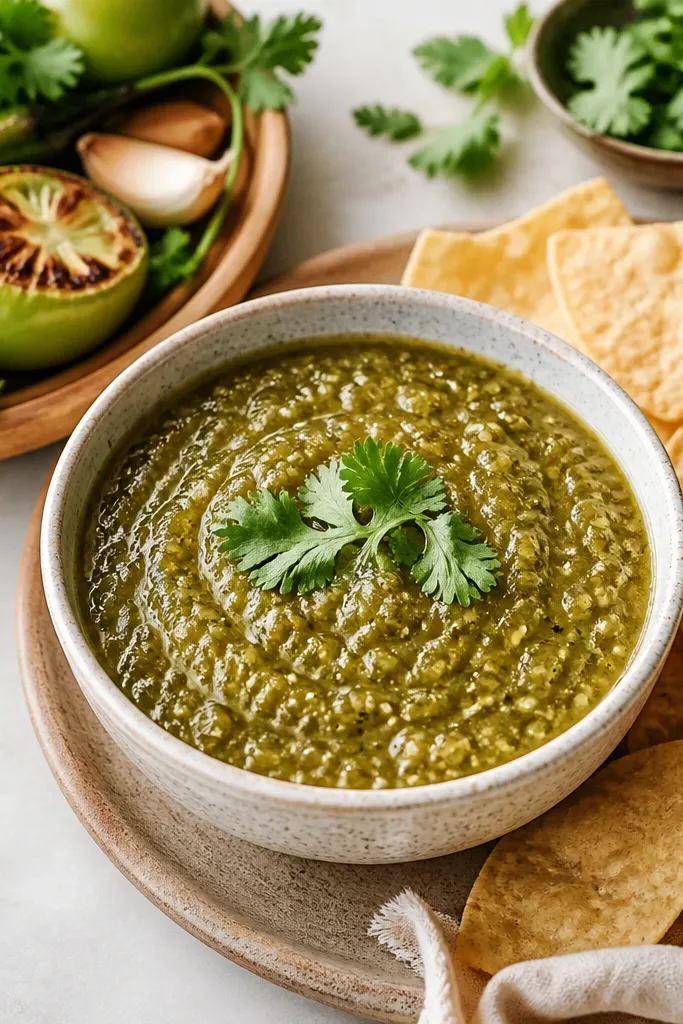
This look comes from roasting until you see dark brown edges on the tomatoes and onion. The char adds a deeper green-brown color that makes the salsa look thicker and more "real" than bright green puree. Cilantro stems get chopped fine so they distribute like tiny green confetti across the bowl. A light oil sheen makes the surface catch light, which is what you want on a chip board.
Use 2 pounds green tomatoes, halved, plus 1 medium onion chunked into wedges. Roast at 450°F (232°C) on a sheet pan for 25-35 minutes until edges char. Add 4-6 peeled garlic cloves for the last 10 minutes. Chop or pulse right after cooling for 10 minutes so it stays chunky.
Try thisSqueeze lime over the bowl after blending and stir for 30 seconds - the salsa looks greener and tastes brighter.
One warningDon't blend while everything is scorching hot; it turns watery and dull looking.
2. Smooth Salsa Verde Dip with Glossy Lime Swirl
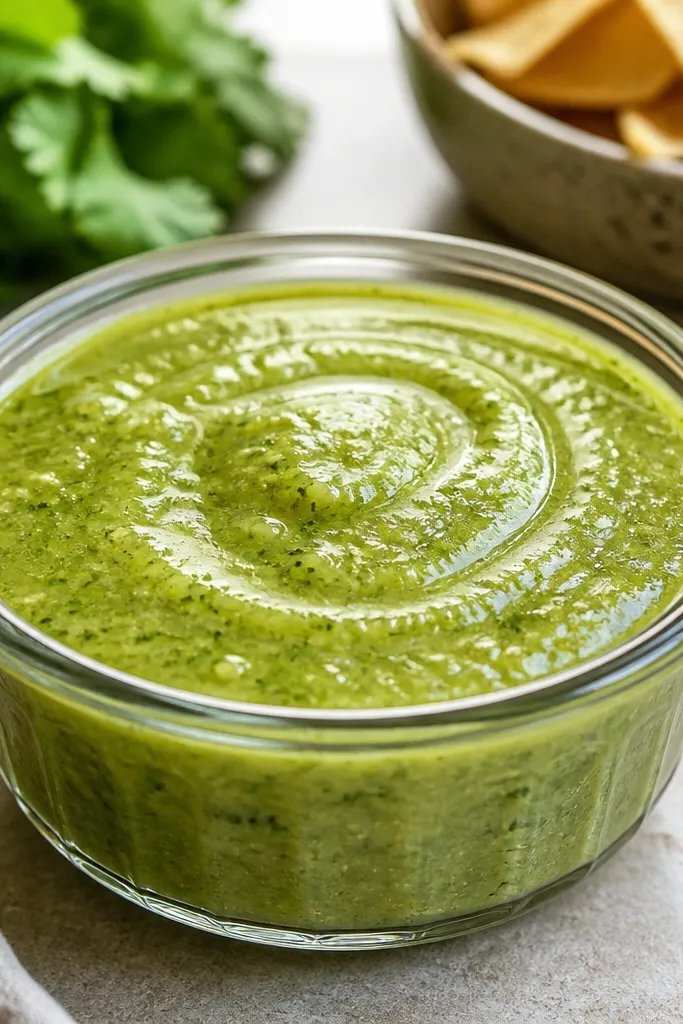
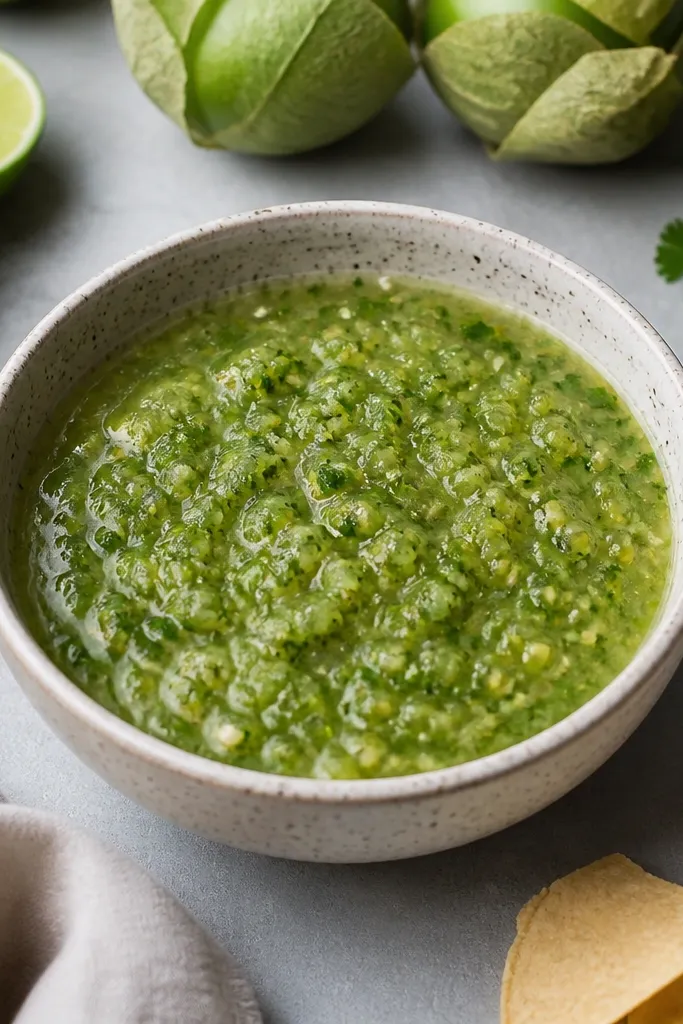
A smooth salsa verde looks modern because it's uniform and glossy. This texture comes from blending roasted ingredients with a splash of lime and a spoon of cooking liquid, then straining only if you want it extra silky. Uniform color - olive green with lighter flecks - makes it look intentional. It tastes clean too because the char flavor stays in the background rather than showing up as big chunks.
Roast the same base: green tomatoes, onion, and garlic. Blend with 1/4 cup water or tomatillo cooking liquid, then add cilantro leaves at the end. If you want it silky, press through a fine mesh strainer - you'll keep the green color but lose the rough bits. Chill at least 1 hour so the texture sets.
Try thisBlend cilantro leaves separately for 10 seconds, then fold them in by hand for a fresher green top layer.
One warningSkip raw cilantro in the blender - it can taste grassy and turn the color a little muddy.
3. Serrano-Cilantro Green Salsa with Chunky Heat
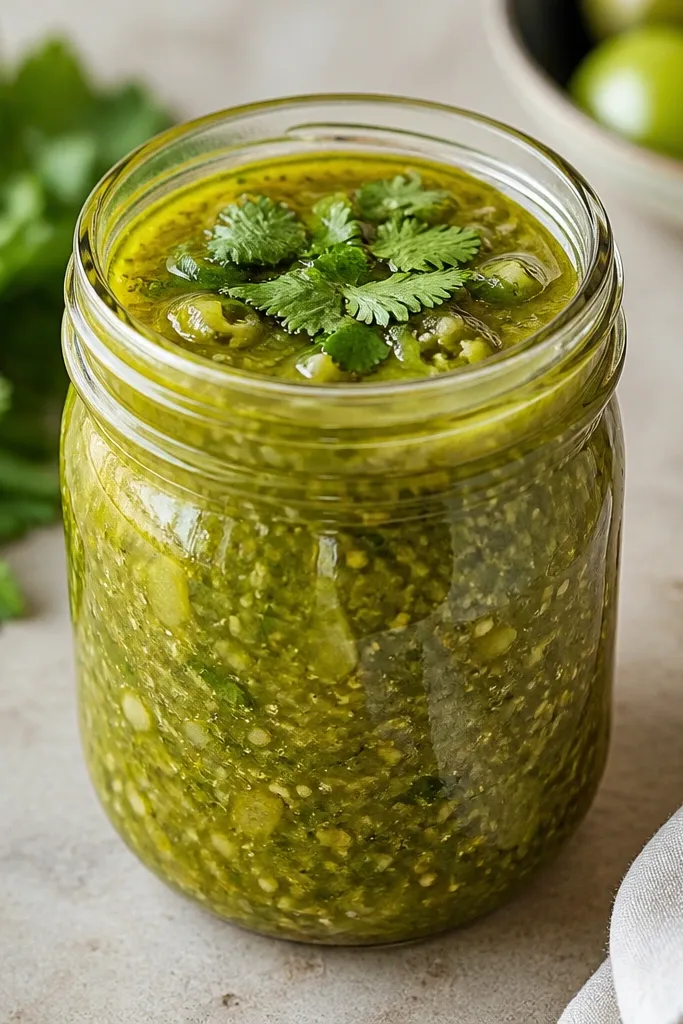
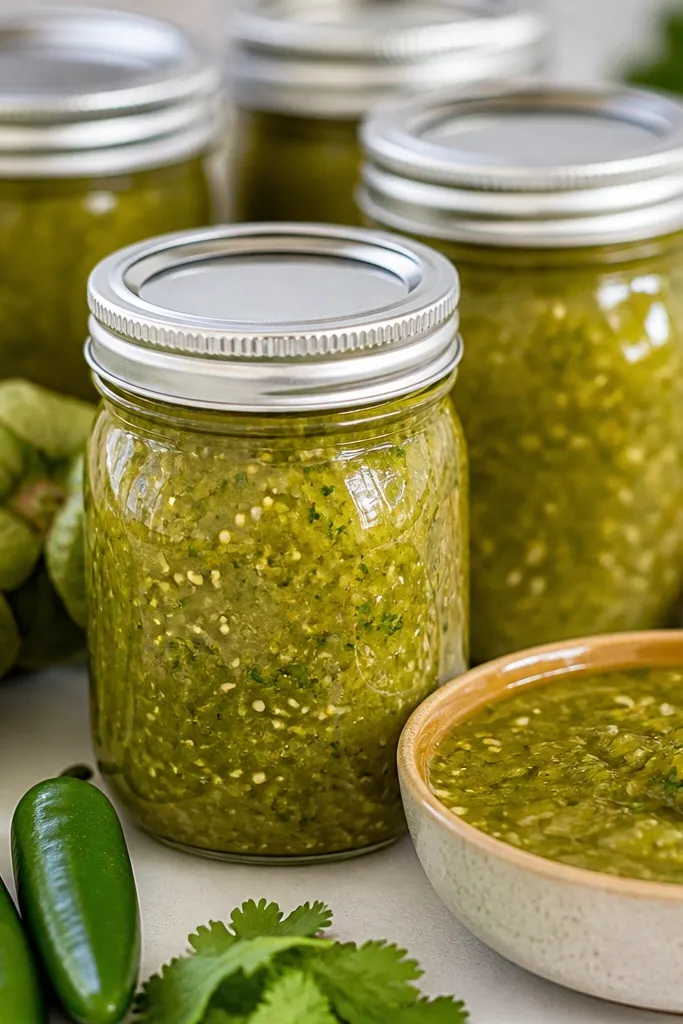
This is the salsa I make when I want "heat you can see." Serrano adds bright green pepper flavor and it stays vivid when you roast it briefly. The jar look is thick and scoopable because the salsa has enough texture to cling to the spoon. The oil ring on top looks inviting and it also helps keep the surface from drying out in the fridge.
Roast green tomatoes and onion first. Add 2-3 serranos (whole) for the last 8-10 minutes so they blister but don't collapse. Blend partially - I pulse 6-10 times - then stir in chopped cilantro leaves. For jar thickness, don't add extra water; use only 2-3 tablespoons of liquid from the roasting pan.
Try thisLeave one serrano unblended and chop it small - it makes the heat pop in each bite.
One warningDon't roast serranos too long; they turn darker and taste smoky-bitter instead of fresh-hot.
4. Tomatillo-Plus-Green-Tomato Verde for Balanced Sweetness
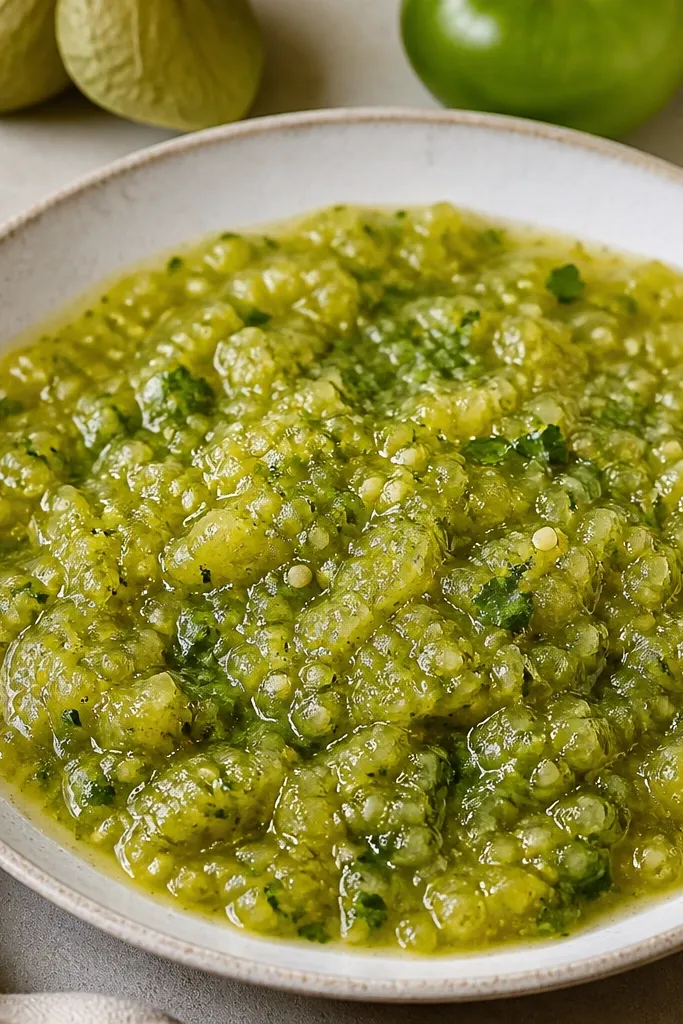
Mixing tomatillos with green tomatoes gives you the best of both worlds. Tomatillo brings that classic tang and a slightly citrusy bite. Green tomatoes add a firmer, fruitier tang that feels more like garden produce. The blended mixture looks layered in the bowl - lighter tomatillo bits and darker tomato pieces.
Use 1 pound tomatillos (husked) and 1 pound green tomatoes. Roast both together with onion and garlic. Blend with cilantro stems and a squeeze of lime, then adjust salt after cooling. If you want it less sour, add 1 teaspoon honey or brown sugar - just enough to round out the edge.
Try thisKeep tomatillos slightly under-roasted for brightness; roast green tomatoes a touch longer for sweetness.
One warningDon't add sugar before tasting - green tomatoes vary wildly in bitterness.
5. Roasted Garlic and Lime Verde for a Cleaner Green Color
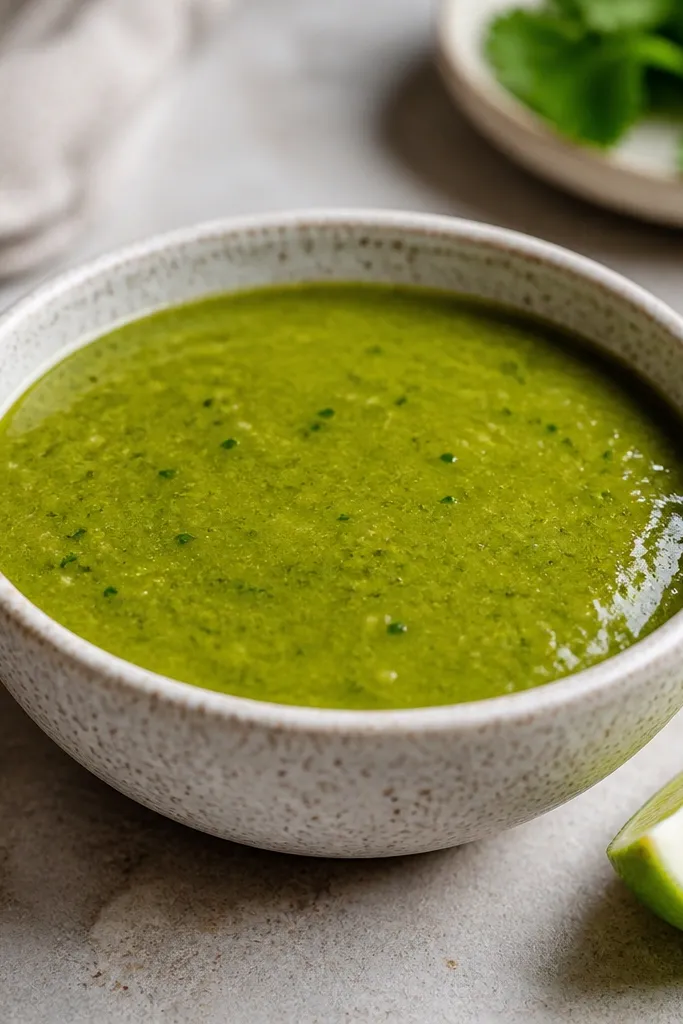
If you want a modern, clean look, you need roasted garlic and last-minute lime. Roasting softens garlic sweetness so it doesn't overpower the herbs. Lime added after blending keeps the color brighter and makes the salsa taste like it was just made. This version looks extra "fresh" because the texture is mostly smooth with minimal stringy bits.
Roast garlic cloves wrapped loosely in foil with a drizzle of oil, then squeeze them out into the blender. Roast tomatoes and onion, blend smooth, then stir in chopped cilantro leaves by hand. Add lime juice at the end, starting with 1 1/2 tablespoons for every 2 cups salsa. Chill and taste again.
Try thisAdd lime in two steps: half now, half after cooling - that's how you keep the flavor sharp.
One warningSkip lemon juice - it tastes different and can make the salsa feel flatter.
6. Herb-Forward Verde with Cilantro Stems and Parsley
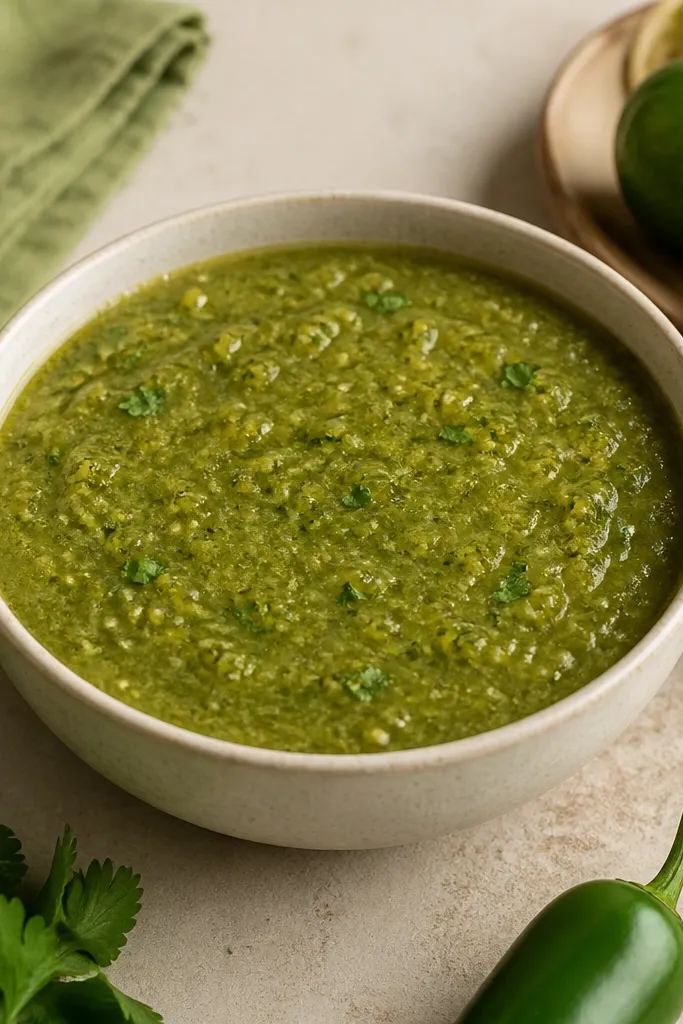
Herb-forward salsa verde looks lively and tastes fresh because parsley smooths out the sharp cilantro flavor. Cilantro stems carry a deeper green taste than leaves, so the salsa tastes "herby" even after it chills. The matte look happens when you use less oil and keep the salsa thicker. It's a great match for grilled proteins and roasted potatoes.
Blend roasted tomatoes, onion, garlic, and cilantro stems. Then mix in chopped parsley leaves and cilantro leaves at the end. Keep the salsa thick by using only a few tablespoons of roasting liquid. If it's too tight, loosen with water 1 tablespoon at a time.
Try thisChop stems and herbs separately - stems go in the blender, leaves go in last.
7. Poblano-Smoky Verde with Toasted Pepitas
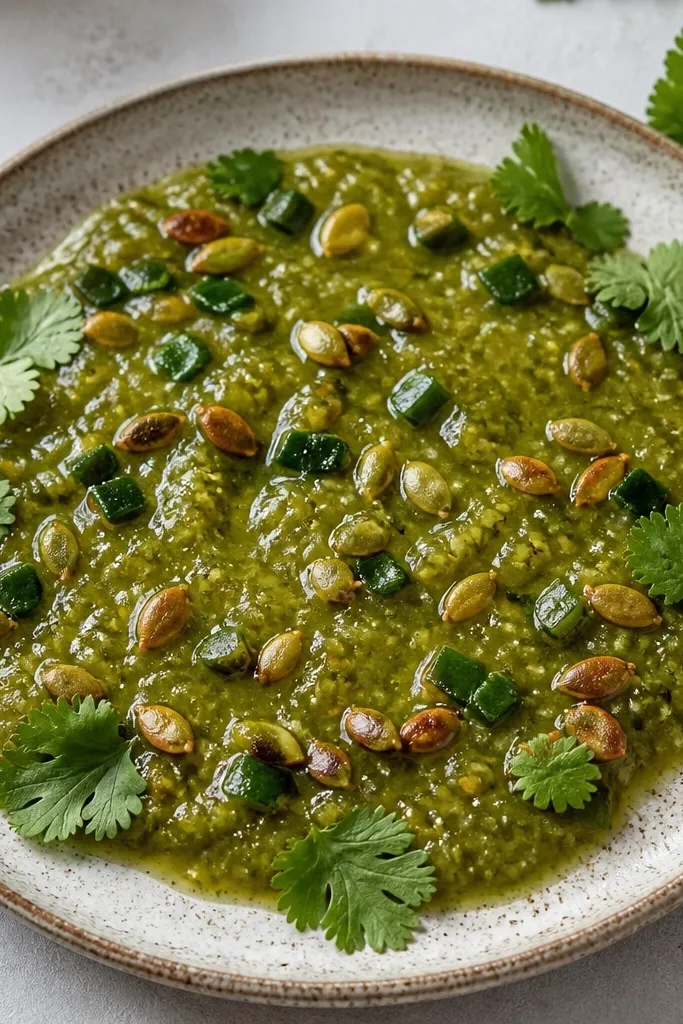
Poblano adds a smoky, roasted depth that makes green tomato salsa feel grown-up. Pepitas on top add crunch and a slightly nutty flavor, so the salsa looks like a composed dish, not just a sauce. This also disguises the slightly sharp edge of unripe tomatoes because the crunch and roasting notes take over. The color stays green but gets warm highlights from the pepitas.
Roast 1 poblano with the tomatoes and onion. Blend it in for a deeper green base. Toast 1/3 cup pepitas in a dry pan until they smell nutty and start to pop. Sprinkle pepitas on top right before serving so they stay crisp.
Try thisToast pepitas in small batches so they don't burn - 3 minutes too long changes everything.
One warningDon't blend the pepitas; they turn the salsa thick and pasty.
8. Tomato Verde with Lime Pickle Juice Tweak
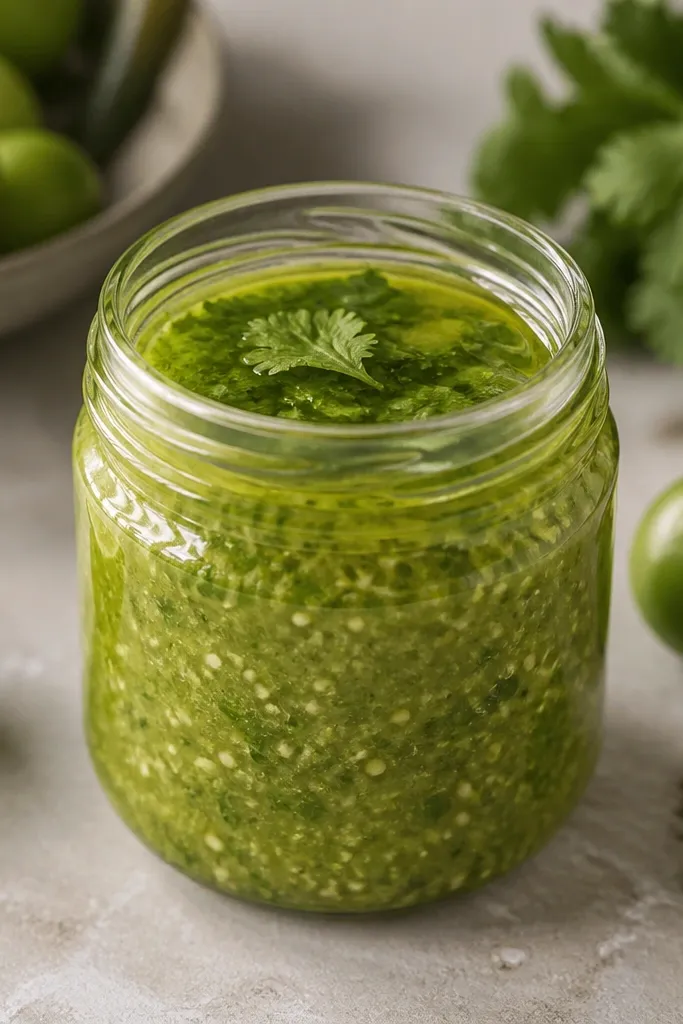
This is the trick I use when green tomatoes taste a little flat. A teaspoon of pickle brine or quick pickled jalapeño juice adds acidity and salt without making the salsa taste like straight lime. The result is brighter, more "snappy" flavor that still looks green and fresh. It also makes the salsa taste better the next day.
Roast tomatoes and onion first. Blend with cilantro stems and garlic, then add lime juice plus 1-2 teaspoons pickle brine. Start small because brine varies. Chill at least 2 hours so the briny edge blends into the roasted flavor.
Try thisUse brine instead of extra lime when you want flavor lift without changing color much.
One warningDon't add pickle brine early in the blend - it can mute the roasted taste.