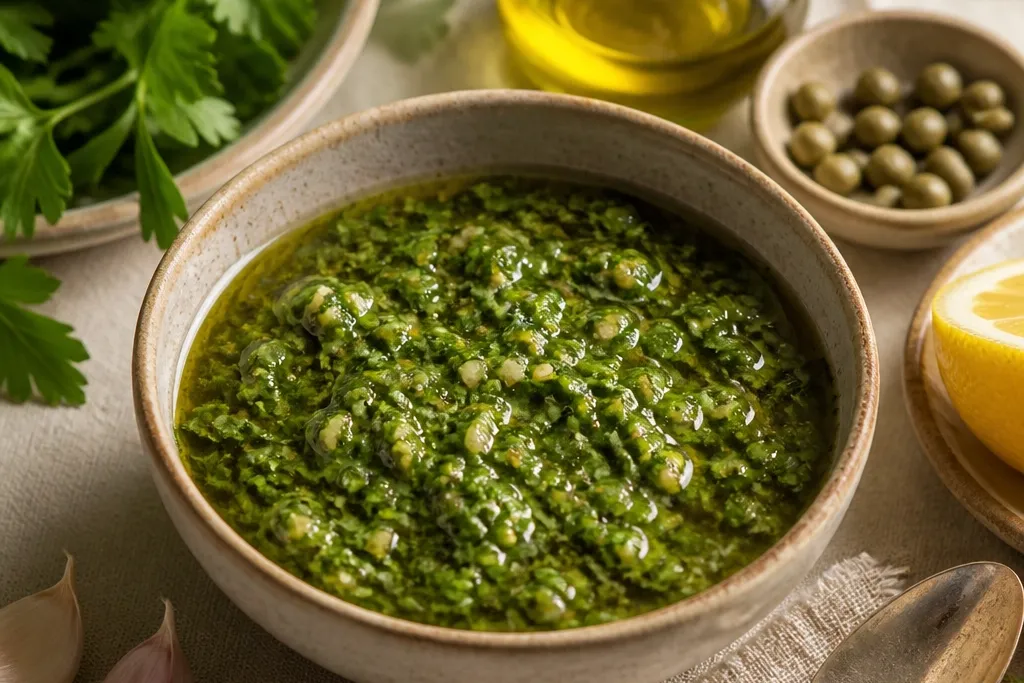
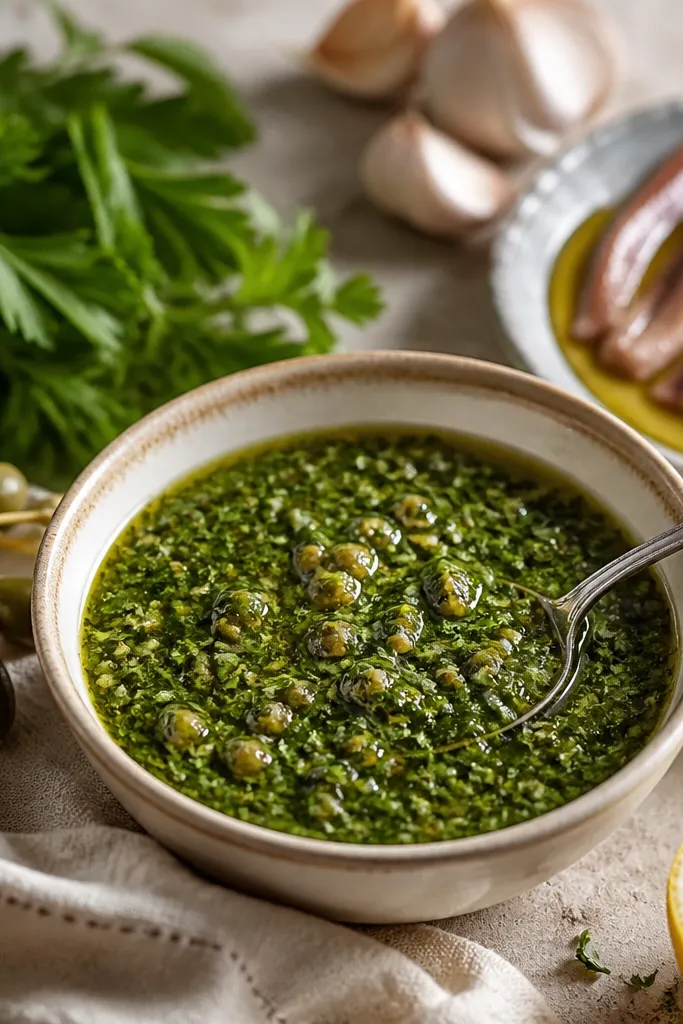
1. Glossy Spoonful Verde for Roasted Chicken
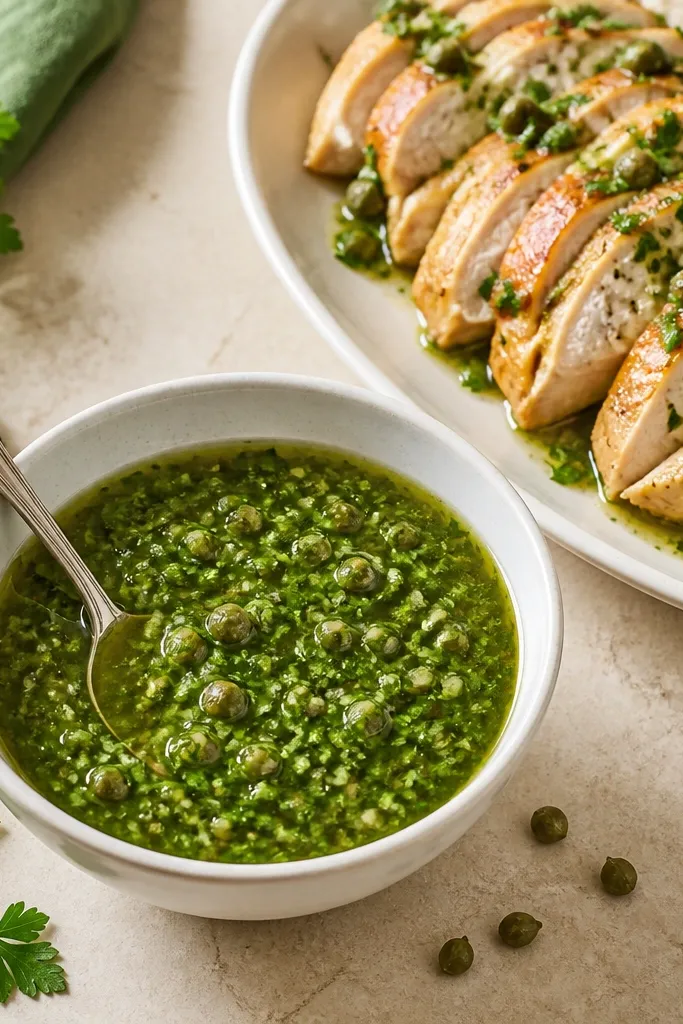
This look is all about coating. The sauce should be shiny from olive oil, with herb bits you can actually see. I aim for a medium-thick texture so it clings to hot chicken slices instead of running off. The green stays vivid because I add lemon juice at the end, not during the cook.
I start with a base of finely chopped parsley (about 2 cups packed) and 1-2 tablespoons capers, rinsed and chopped. Then I whisk in 1/4 cup olive oil gradually, followed by 1-2 teaspoons lemon juice and a tiny splash of white wine vinegar. Serve it with chicken that's been rested 5 minutes so the sauce doesn't thin out.
Try thisWarm the bowl for 30 seconds in your hands or by placing it near the stove. It keeps the oil glossy when it hits the chicken.
One warningDon't blend until smooth. It turns the sauce gray and makes it slide off the meat.
2. Green Drizzle Over Charred Bread
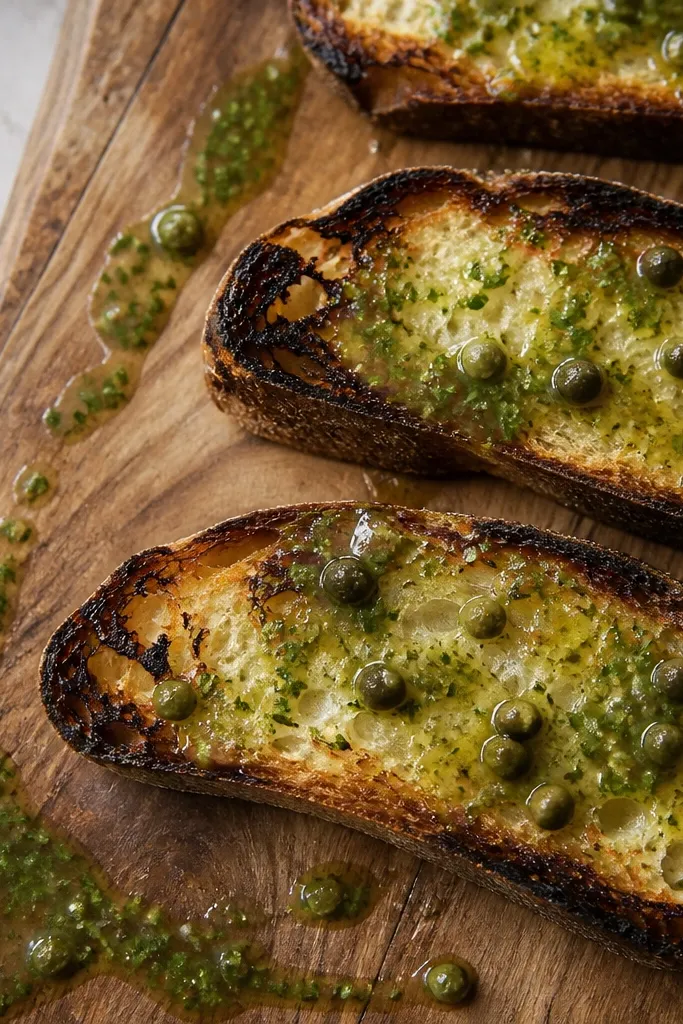
This is the lighter, more fluid version of salsa verde. You want it pourable so it soaks into the bread edges and tastes concentrated at the corners. The char gives smoky flavor, and the acid in the sauce cuts through that smoke fast. I keep the herb chop slightly finer here so it spreads without big clumps.
Chop parsley and a small handful of mint together, then stir in 1/3 cup olive oil until it loosens. Add lemon juice and vinegar a teaspoon at a time until it tastes lively. Use it right after toasting so the bread is still hot.
Try thisDrizzle, then wait 2 minutes before eating. The sauce settles into the crust and tastes less sharp.
One warningSkip thick, heavy spoonfuls on bread. It looks like a paste and tastes oily instead of fresh.
3. Herb-Heavy Verde for Cold Sandwiches
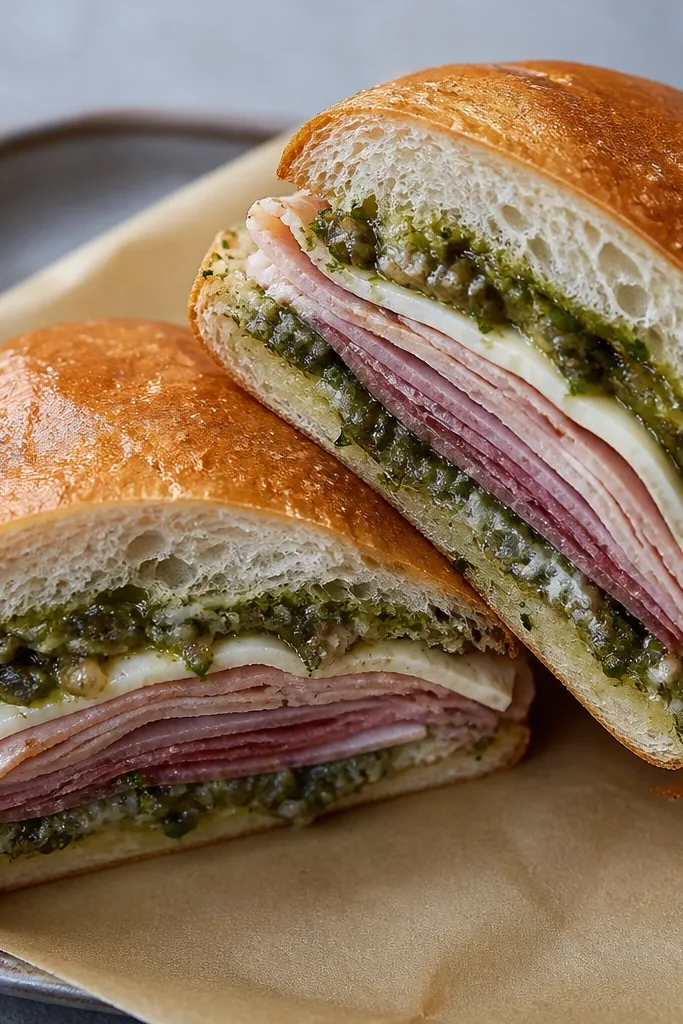
Cold sandwiches need a stronger herb presence because nothing is hot to carry aroma. This version has more parsley and less oil, so it tastes punchy and stays creamy without turning runny. The capers add salty pops that feel like you bought it from a sandwich shop. I also add finely grated garlic for even distribution.
Use about 2 1/2 cups parsley, packed, plus 1/4 cup chopped green olives or extra capers if you like it salty. Mix in 3-4 tablespoons olive oil first, then add more only if it looks too dry. Fold in grated garlic (about 1 small clove) and 1 tablespoon lemon juice.
Try thisSpread it on the bread, then add a thin layer of mayo or aioli if your bread is dry. It keeps the sandwich from tasting like straight herbs.
One warningDon't make it hours and hours ahead for cold sandwiches. The herbs darken and the flavor flattens.
4. Salsa Verde Clump for Meatballs
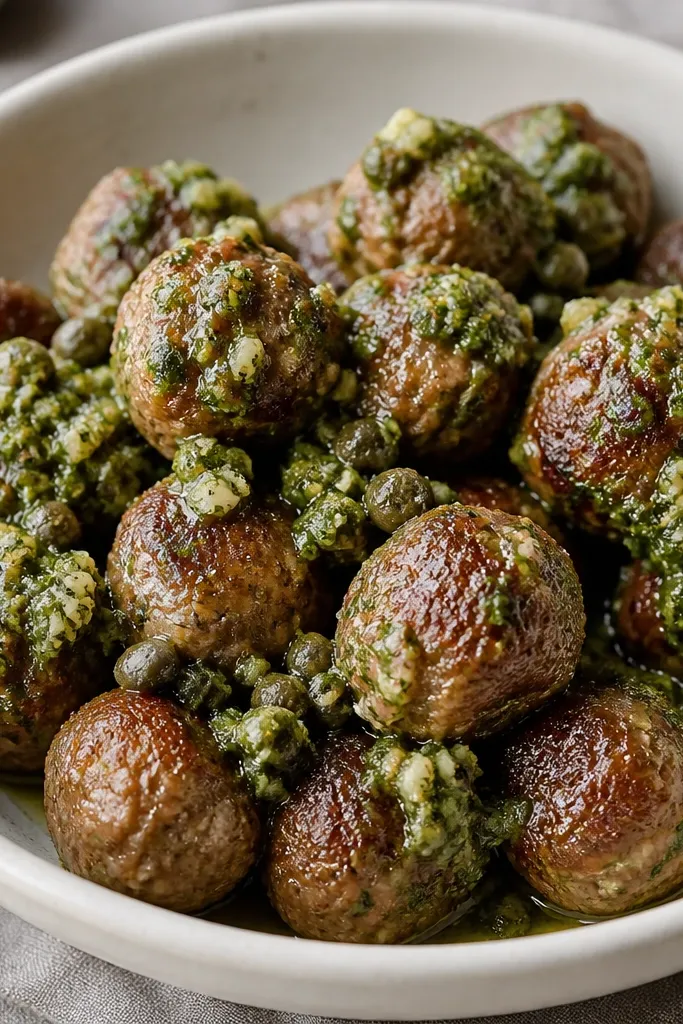
This is the "Italian nonna spoon" method. Chunky sauce looks handmade and tastes brighter because you hit herb bits in every forkful. It also holds up on saucy food - the clumps sit on top instead of disappearing. I keep the garlic minimal so it doesn't overpower the meat.
Mince parsley very fine, then stir in capers and a tablespoon of chopped anchovy if you want that classic depth. Mix with olive oil just enough to bind, then add lemon juice at the end. Spoon onto meatballs right after they come out of the oven or pan.
Try thisPress the spoonfuls gently onto the meatballs. It helps the sauce stick and look intentional.
One warningDon't use too much garlic. One extra clove can make the whole bowl taste like raw sharpness.
5. Creamy Verde Dip for Fries or Roasted Potatoes
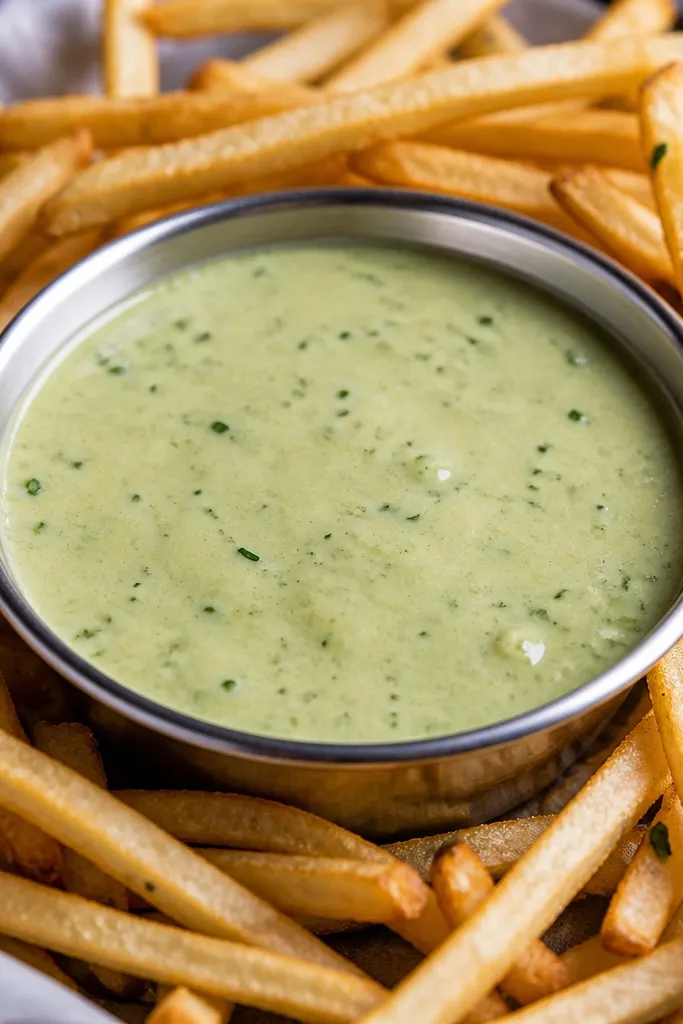
Here I stretch salsa verde with a little dairy so it becomes a dip you can dunk without it breaking. The olive oil still shows through, but the sauce feels smoother and more forgiving on salty fries. It tastes like the herb version of garlic aioli - bright, not heavy.
Blend parsley with lemon juice, capers, and garlic just enough to chop. Then whisk in 2-3 tablespoons plain Greek yogurt or sour cream and 2-4 tablespoons olive oil. Adjust salt carefully because capers and anchovy can do a lot.
Try thisAdd the yogurt first, then taste. If it's too tangy, add a teaspoon more oil to round it out.
One warningDon't add dairy before chopping. It can mute the herbs and make the texture grainy.
6. Verde with White Beans on Crostini
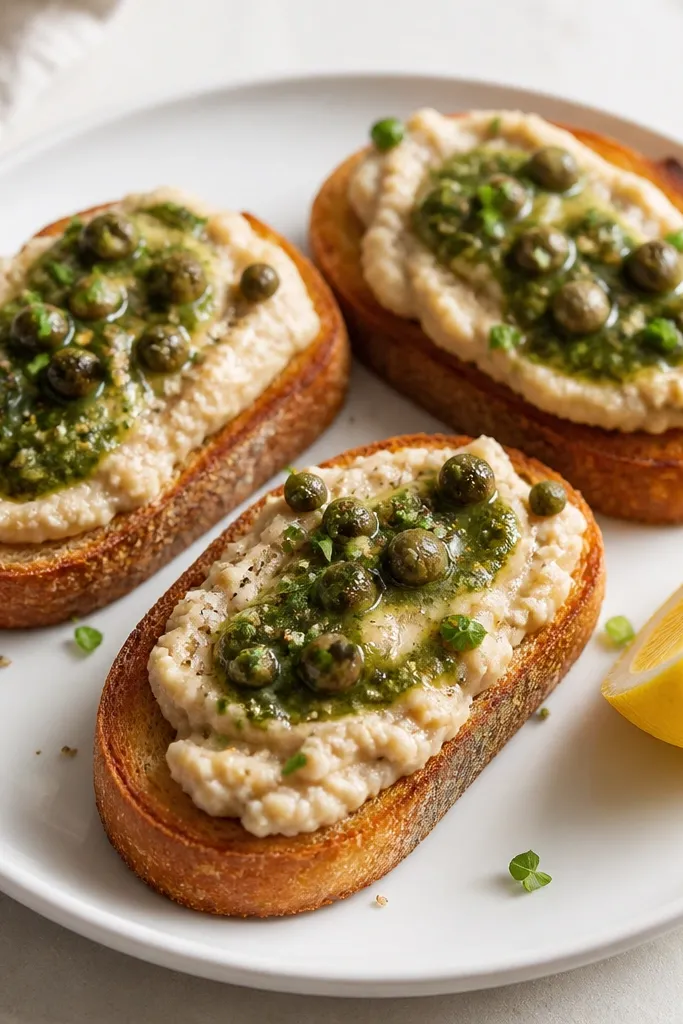
This pairing is a flavor cheat code: creamy beans need bright herbs to taste fresh. The salsa verde adds tang and salt, while the beans give it body. I keep the sauce slightly thicker so it sits in the swirl and doesn't soak into the bread instantly. The lemon in the sauce makes the whole bite taste cleaner.
Mash cannellini beans with olive oil, salt, and a squeeze of lemon until spreadable. Spoon on salsa verde made with chopped parsley, capers, and a little garlic. Finish with a drizzle of extra oil on top so the green looks glossy against the pale beans.
Try thisToast the crostini hard on the edges. It holds the beans and keeps the bite from getting soggy.
One warningDon't thin the verde too much. Runny sauce makes the crostini look wet and dull.
7. Green Herb Salad Sauce for Burrata
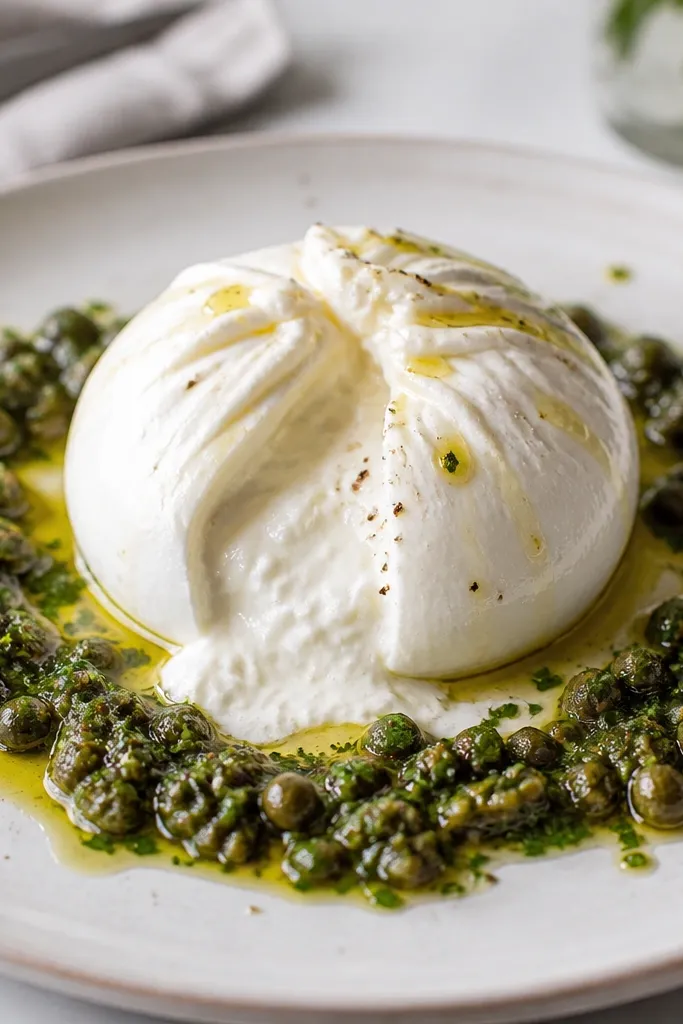
Burrata is creamy and mild, so salsa verde needs to be bright and aromatic. I keep the sauce herb-forward with a little less oil so it doesn't feel heavy. The acid wakes up the cream, and capers add salty sparkle. This look feels like a restaurant plate because the sauce is placed in a deliberate ring.
Mix chopped parsley with mint (small amount), capers, lemon juice, and olive oil. Use about 1/4 cup oil for every 2 cups herbs, then adjust with lemon. Spoon in a ring around burrata and finish with a tiny pinch of flaky salt.
Try thisAdd the sauce at the last second. Burrata warms quickly and the sauce stays fresh instead of tasting cooked.
One warningAvoid adding vinegar too aggressively. If it smells sharp, your burrata bite will taste sour.
8. Salsa Verde Over Eggs with Crispy Breadcrumbs
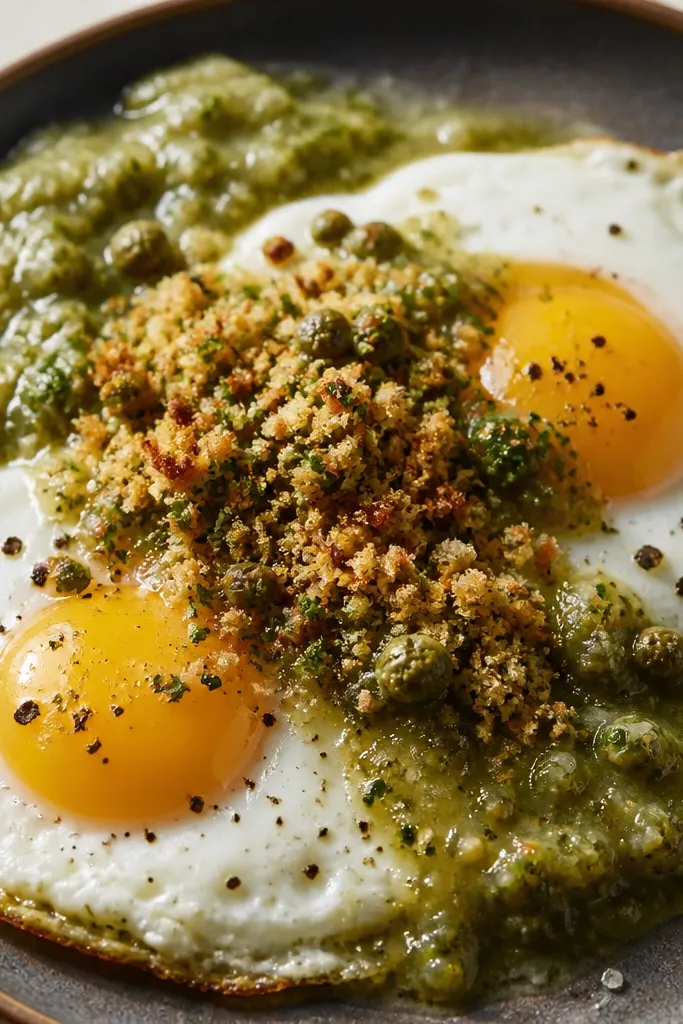
This is breakfast that doesn't feel like leftovers. The eggs are soft and salty, so salsa verde adds herb brightness. Crispy breadcrumbs soak up a little oil and make the whole dish taste more layered. I keep the salsa verde chopped medium so you get herb flavor in each bite.
Make salsa verde with parsley, garlic, capers, lemon juice, and olive oil. Toast breadcrumbs in olive oil until golden, then sprinkle over eggs. Spoon the verde right before you eat so it doesn't wilt into the eggs too much.
Try thisUse lemon zest too, not just juice. Zest adds aroma without adding more acidity.
One warningDon't bury the eggs under sauce. It turns the plate into a swamp and the yolk loses its richness.
9. Chunky Verde for Grilled Shrimp
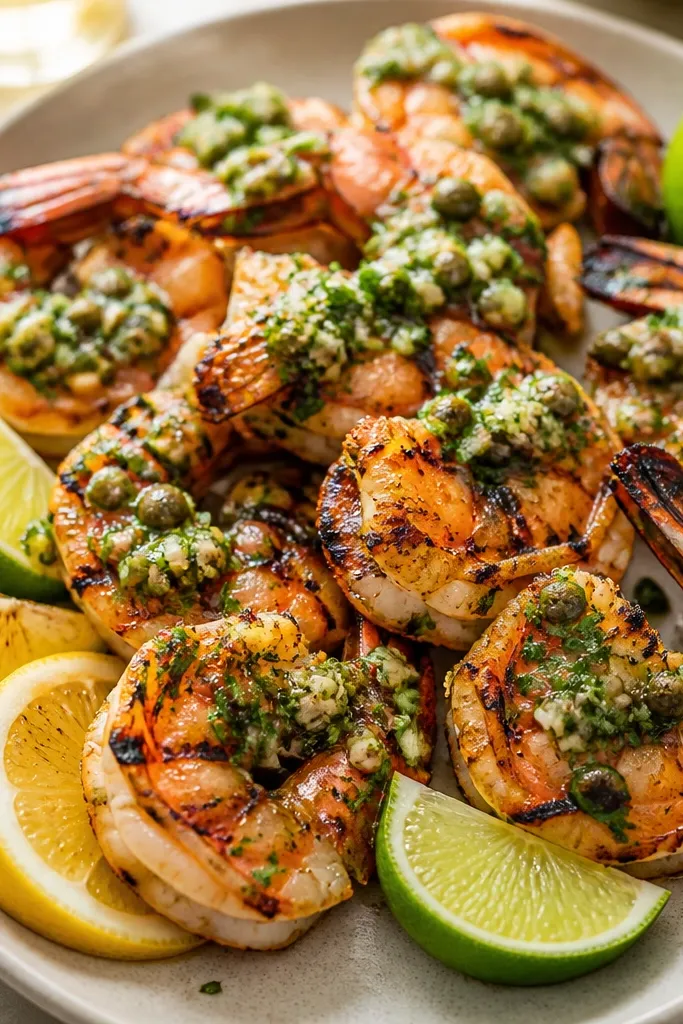
Shrimp tastes sweet and fast-cooking, so salsa verde needs punch. I keep this version chunkier and slightly more salty so it stands up to grilled flavor. The lemon brightens, and the capers give that briny snap. Olive oil helps the sauce cling to curved shrimp shells and tails.
Chop parsley and a small amount of chives. Stir in capers and a half clove of grated garlic. Whisk in olive oil, then add lemon juice at the end. Spoon right onto hot shrimp off the grill.
Try thisPat shrimp dry before grilling. It browns better, and the salsa verde clings to the drier surface.
One warningAvoid adding the sauce while shrimp is still steaming. It dulls the herbs and thins the oil.